Which Treatment Fits Chemical Wastewater in Colwich?
For chemical wastewater in Colwich, MBR is usually the stronger option when low suspended solids, compact equipment, and reliable solids separation are priorities, while conventional activated sludge may be more economical when the wastewater is readily biodegradable, land is available, and treatment requirements are modest. The U.S. EPA notes that MBRs combine biological treatment with membrane filtration, can replace secondary clarifiers and sand filters, and generally provide better effluent quality in less space. However, MBRs typically cost more to buy and operate, require fouling control, cleaning, and eventual membrane replacement, and need adequate pretreatment and equalization. Chemical influent must be characterized before either biological process is selected.
MBR is a suspended-growth biological reactor combined with membrane-based solids separation. Conventional activated sludge uses microorganisms to treat the wastewater and then relies on a secondary clarifier to separate biological solids. The U.S. EPA’s Wastewater Management Fact Sheet: Membrane Bioreactors, published in 2021-06, says MBRs are well suited to some industrial applications, while also warning that their capital and operating costs are typically higher than conventional systems for the same throughput.
Colwich is therefore a location context, not a basis for selecting equipment. The decision still depends on the actual stream, discharge route, reuse target, available footprint, treatment objective, and operating capability. A plant should characterize and segregate the wastewater first, test biological compatibility second, and compare biological polishing with conventional treatment only after identifying source-control and pretreatment requirements. The 2026 MBR cost per m³ guide provides useful costing context, but it cannot substitute for a site-specific technical and commercial evaluation.
How Chemical Wastewater Changes the Biological Treatment Choice
Chemical wastewater must be characterized and segregated before either biological process is selected because reactor capacity and membrane area cannot correct for incompatible influent. The minimum characterization package should cover pH, nutrients, COD and BOD, dissolved and suspended contaminants, oil and grease, surfactants, toxicity, salinity, temperature, and production variability. These inputs determine whether microorganisms can treat the stream, which contaminants require source control, and where the membrane will be exposed.
Source segregation is often the first control: streams containing solvents, oils, surfactants, metals, or other incompatible constituents should not be combined solely because the mixed flow appears easier to average. The U.S. EPA’s 2021-06 membrane bioreactor fact sheet states that MBRs are good at removing solid material, but removal of dissolved wastewater components must be facilitated by additional treatment steps. A membrane therefore does not remove every dissolved chemical simply because it produces low-turbidity permeate.
Soluble biodegradable organics may support biological treatment after suitable pH and nutrient balancing. Compounds that inhibit microorganisms, persist through biology, require adsorption, or need chemical destruction need dedicated treatment. Pretreatment options must be selected from the contaminant itself: source control for unwanted production losses, physical removal for recoverable solids or oil, biological or chemical processes for compatible organics, and membrane or oxidation where appropriate.
| Decision input | What the buyer must establish | Consequence for treatment selection |
|---|---|---|
| Stream composition | Soluble organics, metals, salts, surfactants, oil and grease, toxicity, pH, nutrients and temperature | Determines biological compatibility and the need for source-specific pretreatment |
| Solids and membrane foulants | Suspended solids, fibers, debris, colloids, grease and surfactants | Sets screening, solids-removal and cleaning requirements before the MBR |
| Flow pattern | Average flow, production-batch peaks, cleaning cycles, upset events and shutdown flows | Sets equalization and peak-treatment capacity |
| Treatment objective | Permit limits, sewer acceptance conditions or reuse quality requirements | Defines whether membrane separation provides necessary value |
A defensible process sequence is chemical characterization and segregation, equalization, source-specific pretreatment, biological treatment, solids separation, advanced treatment where required, disinfection where required, and reuse or permitted discharge. The 2026 U.S. chemical wastewater pretreatment guide is useful for identifying the decisions that must be resolved before discharge planning begins.
MBR and Conventional Activated Sludge Side by Side
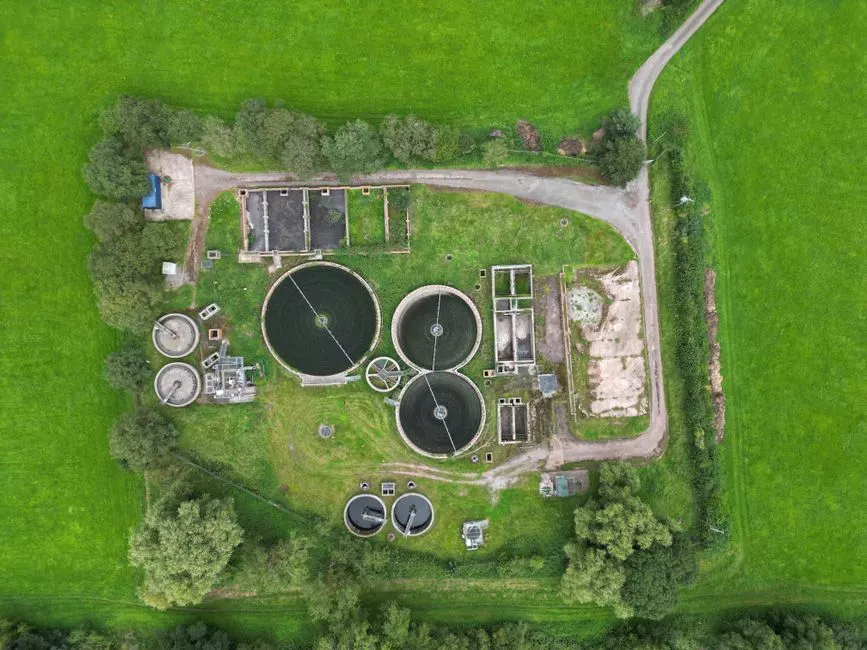
The decisive difference is where solids separation occurs: MBR retains solids on membranes, while conventional activated sludge transfers them to a secondary clarifier. According to the U.S. EPA’s 2021-06 fact sheet, MBR filtration can replace the secondary clarifier and sand filters in a typical activated-sludge system. It also allows a higher biomass concentration and therefore a smaller biological reactor, while producing effluent with low concentrations of bacteria, TSS and BOD, making high-level disinfection and reuse more practical.
| Selection factor | MBR | Conventional activated sludge |
|---|---|---|
| Solids separation | Membrane filtration within the biological process | Secondary clarifier, with any required sand filtration |
| Footprint | Higher biomass concentration permits smaller bioreactors | Requires space for aeration, clarification and associated equipment |
| Effluent characteristic | Low TSS and BOD; supports high-level disinfection and reuse applications | Effluent quality depends on clarification and downstream treatment |
| Capital and operating burden | Typically higher for the same throughput; includes cleaning, fouling control, air scouring and replacement | Includes clarifier, filtration where required, chemical conditioning, sludge handling, space and labor |
| Sludge | May settle less readily and may require conditioning chemicals, although conventional solids-processing technologies remain applicable | Uses established activated-sludge solids-handling practices |
| Operation | Supports automation and flexible operation, but requires membrane care and active peak-flow management | Generally simpler biological operation, with conventional clarification and sludge handling |
MBR’s footprint benefit is not universal across every layout. HydropureWater’s verified product catalog describes its integrated MBR membrane bioreactor system as having a 60% smaller footprint than conventional systems, but that is a vendor configuration claim, not a Colwich design result. The actual footprint depends on the selected reactor arrangement, equalization, pretreatment, maintenance access and solids handling.
For a chemical plant, high-quality permeate may be less valuable if the dissolved compound has not been removed by biological degradation or another treatment step. Conversely, compact solids separation can be decisive where land is constrained or the reuse target requires low TSS. The MBR versus activated sludge comparison for plastics wastewater provides a related industrial framing, but the constituent stream must still be evaluated independently.
Pretreatment, Fouling, and Membrane Protection
Fine screening is a required membrane-protection measure, not an optional refinement. The U.S. EPA’s 2021-06 fact sheet reports that all MBR systems require 1- to 3-mm-cutoff fine screens immediately before the membranes, depending on the manufacturer. Hollow-fiber systems typically use 1- to 2-mm screening, while plate systems require 2- to 3-mm screening. The mechanical bar screen is a relevant equipment category, but screen selection must follow the membrane manufacturer’s specification.
Screening protects against physical damage; it does not remove dissolved foulants or the fine material responsible for persistent membrane fouling. Chemical plants should therefore evaluate upstream solids removal, production segregation and contaminant-specific pretreatment for debris, suspended solids, oil, grease, surfactants and fouling precursors. An DAF machine may be relevant where recoverable oil or floatable solids justify that unit operation, but no supplied evidence establishes a universal pretreatment sequence for chemical wastewater.
| Protection measure | Engineering purpose | Buyer’s verification item |
|---|---|---|
| Fine screen | Remove larger debris before it reaches the membranes | Manufacturer-specified cutoff, location, cleaning frequency and differential-pressure control |
| Upstream solids removal | Reduce solids and associated fouling load | Measured solids profile and performance data for the proposed wastewater |
| Source segregation | Keep incompatible streams out of the common biological process | Flow-by-flow source inventory and sampling plan |
| Contaminant-specific pretreatment | Remove or control oil, grease, surfactants, metals or inhibiting compounds | Design basis, bypass provisions and discharge or reuse implications |
| Cleaning and fouling control | Maintain permeability and membrane life | Cleaning protocol, chemical compatibility and consumable costs |
The EPA identifies regular bleach and citric acid as common MBR cleaning solutions and says membrane life can be extended by good screening, non-excessive throughput and regular mild cleaning conducted under manufacturer-recommended protocols. It also states that excessive throughput forces more material onto the membrane, increasing cleaning demand and deterioration risk. Membrane area, material and cleaning frequency should therefore be fixed through a wastewater-specific pilot or vendor performance test; the supplied research does not provide a universal chemical-wastewater loading rate.
Sizing Around Flow Variability and Future Capacity
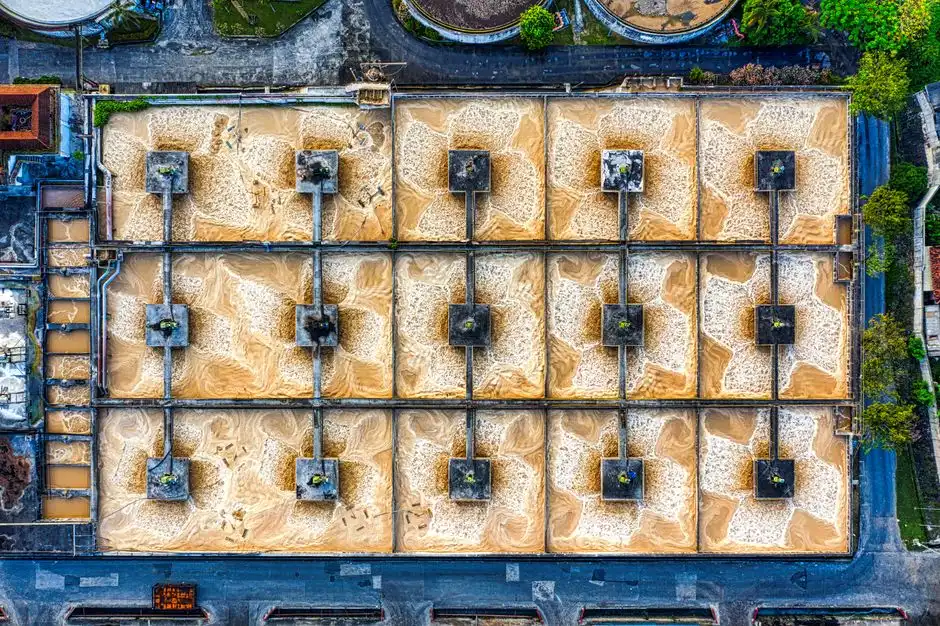
Average flow is an inadequate basis for sizing a chemical wastewater MBR because production batches, cleaning cycles, upsets and shutdown flows can create the governing hydraulic event. The U.S. EPA’s 2021-06 fact sheet states that peak design flow should generally be no more than 1.5 to 2 times average design flow. If peak flow exceeds that relationship, the design requires additional membrane capacity or external or internal equalization.
The hydraulic constraint has a physical basis. Membranes must remain submerged above a minimum water elevation, and their throughput has physical limits. External equalization stores batch and upset flows; internal equalization uses additional depth in the aeration and membrane tanks. A Colwich plant should map each production and cleaning regime into the equalization volume and membrane-area basis, including upset conditions and any future production change.
| Sizing input | Required information | Design consequence |
|---|---|---|
| Average flow | Validated production-period wastewater flow | Establishes baseline biological and membrane loading |
| Peak flow | Batch dumps, cleaning cycles, upset events and shutdown flows | Sets equalization, transfer capacity and membrane peak duty |
| Influent concentration | COD, BOD, nutrients, solids, salinity, toxicity and other relevant constituents | Sets reactor volume, aeration demand and treatment limits |
| Effluent objective | Permit, sewer acceptance or reuse criteria | Determines required solids separation and downstream treatment |
| Resilience | Maintenance outages, cleaning and production disruption | Determines redundancy and the value of the EPA’s N plus 1 concept |
The EPA recommends considering an additional membrane tank or unit beyond the nominal requirement for full-treatment MBR installations, balancing the extra capital and O&M burden against operating flexibility and available capacity. HydropureWater’s catalog gives DF-series flat-sheet MBR modules in configurations of 80-225 m² producing 32-135 m³/day, while the integrated system catalog range is 10-2,000 m³/day. These are vendor examples, not universal design limits or a substitute for hydraulic and wastewater-specific sizing.
Comparing Lifecycle Cost Without Inflating the Savings
The correct comparison is total installed and lifecycle cost, not the membrane package price. The U.S. EPA’s 2021-06 fact sheet states that MBR capital and operating costs are typically higher than conventional systems for the same throughput. The supplied research does not support a universal cost per cubic metre for either process, and a Colwich quotation should not be based on an assumed flow or generic price multiplier.
| Cost category | Items to request in the MBR comparison | Items to request in the conventional comparison |
|---|---|---|
| Installed equipment | Bioreactor, membrane modules, aeration, pumps, controls, screens and equalization | Bioreactor, aeration, secondary clarifier, filtration where required and equalization |
| Site works | Foundations, access, electrical service, utilities and installation | Foundations, access, electrical service, utilities and installation |
| Operations | Cleaning chemicals, air-scouring energy, labor, monitoring and controls maintenance | Chemical conditioning, aeration, filtration, labor and solids handling |
| Renewal | Expected membrane replacement and associated downtime | Clarifier, filter, pumps, aeration equipment and instrument renewal |
| Solids and site | Conditioning, thickening, dewatering and disposal of membrane-system sludge | Conditioning, thickening, dewatering and disposal of conventional sludge |
For MBR, the evaluation should include cleaning frequency, air scouring, membrane life, replacement timing and access required for maintenance. For conventional activated sludge, include the clarifier, sand filter where applicable, chemical conditioning, sludge dewatering, land and labor. The commercial comparison should request a 10-year total-cost analysis using actual flow, wastewater characterization, required effluent quality, staffing assumptions, membrane guarantees and the replacement schedule.
Potential savings must also be demonstrated rather than assumed. Conventional treatment may avoid membrane replacement and air-scouring energy, while MBR may reduce the footprint and eliminate separate clarification or sand filtration. The 2026 MBR cost per m³ guide can support bid review, but the evaluation should remain site-specific.
A Practical Selection Framework for Colwich Chemical Plants
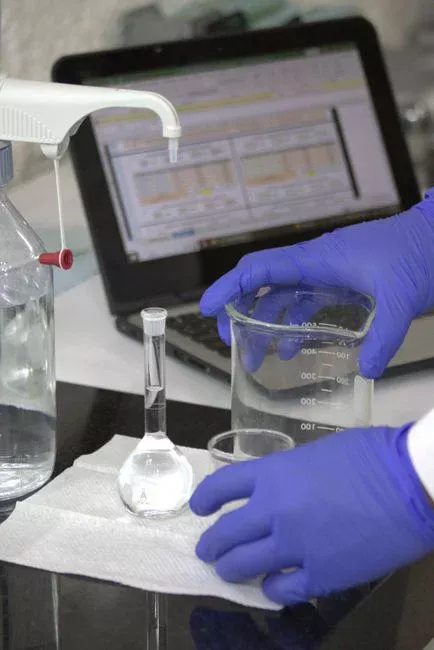
A Colwich chemical plant should select treatment in five steps: characterize the wastewater, define the permit or reuse target, eliminate biological and membrane incompatibilities through source control and pretreatment, compare footprint and lifecycle cost, and validate the selected design through a vendor performance test. This sequence prevents the equipment comparison from starting before the process constraints are known.
- Characterize the wastewater. Establish soluble and suspended constituents, biological compatibility, toxicity, flow variation and production-specific source streams.
- Define the compliance or reuse target. Obtain the applicable permit, sewer acceptance conditions and any reuse specification.
- Resolve incompatibilities. Segregate or pretreat compounds that cannot be handled safely by the biological process or membranes.
- Compare process and lifecycle burdens. Assess biological capacity, solids separation, equalization, footprint, energy, labor, cleaning, renewal and sludge handling.
- Validate performance. Use representative wastewater in a pilot or supplier-specific performance test before fixing membrane area, material, cleaning frequency and guarantees.
Conventional activated sludge is the practical choice when the wastewater is biologically compatible, the site has adequate space, the required effluent does not demand membrane-level solids separation, and simpler operation has greater value. MBR merits investigation when compact installation, high-quality permeate, strong solids separation, automation or reuse readiness justify the higher capital and operating burden. Neither is appropriate when source control, toxicity control or advanced pretreatment is still unresolved.
| Decision condition | Preferred path | Evidence to request before award |
|---|---|---|
| Biologically compatible wastewater; adequate space; moderate treatment objective | Conventional activated sludge with clarification and any required polishing | Process basis, effluent prediction, clarifier and sludge-handling design, lifecycle cost |
| Biologically compatible wastewater; constrained footprint; high-quality permeate or reuse | MBR with adequate pretreatment, equalization and membrane maintenance access | Flow and contaminant design basis, membrane area, cleaning plan, guarantees, replacement cost and redundancy |
| Dissolved chemicals not safely biodegradable | Source control and dedicated advanced treatment, with biology and membranes only as applicable | Compound-specific removal mechanism, pilot results and residual-disposal route |
| Highly variable or upset-prone production flow | Equalization and source controls before either biological process | Batch-flow survey, upset characterization, basin and membrane peak-duty check |
Suppliers should identify the actual dissolved-contaminant removal mechanism rather than presenting membrane separation as a substitute for source-specific treatment. Before comparing bids, confirm redundancy, equalization, pretreatment, cleaning access, replacement strategy, controls, remote monitoring, included services and performance guarantees. The related MBR versus activated sludge for plastics wastewater and pulp-and-paper wastewater comparison are useful decision references, but their industrial streams should not be treated as chemical-plant design data.
Frequently Asked Questions
Is MBR cheaper than conventional activated sludge for chemical wastewater?
Not generally. The U.S. EPA’s 2021-06 membrane bioreactor fact sheet states that MBR capital and operating costs are typically higher than conventional systems for the same throughput. For a Colwich procurement, request a 10-year comparison using actual flow, wastewater characterization, effluent requirements, staffing, energy, cleaning, sludge handling and membrane-replacement assumptions. Request a cost-per-m³ result from the supplier, but do not use a generic figure as the purchasing budget because the supplied research does not establish a universal rate.
How should an MBR be sized for chemical wastewater?
Size it from the wastewater characterization, average and peak flow, equalization strategy, pretreatment, required effluent quality and membrane configuration. Map production batches, cleaning cycles, upsets and shutdown flows into the design basis. The EPA’s 2021-06 guidance says peak design flow should generally be no more than 1.5 to 2 times average design flow, with added membrane capacity or equalization when that limit is exceeded. A wastewater-specific pilot or vendor performance test should then confirm membrane area and cleaning frequency.
How should a chemical wastewater treatment supplier be selected?
Select a supplier that can demonstrate relevant chemical-wastewater experience, define the dissolved-contaminant removal mechanism, guarantee membrane performance and life, and provide defined controls, maintenance protocols and local service support. The bid should also state equalization, pretreatment, redundancy, cleaning access, remote monitoring, replacement terms and which services are included. Require references based on comparable wastewater rather than nominal flow alone.
Can an MBR remove dissolved chemicals from chemical wastewater?
No, not as a general removal mechanism. The U.S. EPA’s 2021-06 fact sheet says MBRs are good at removing solid material, but dissolved wastewater components require additional treatment steps. Source control removes unwanted material before treatment; compatible dissolved organics may be biodegraded; advanced oxidation, adsorption, membrane separation or another validated process may be required for persistent or inhibitory compounds. Low-turbidity permeate does not demonstrate removal of a dissolved chemical.
What compliance risk remains after choosing MBR or conventional activated sludge?
The principal risk is a mismatch between the selected process and the applicable permit or receiving-authority requirements. The supplied research does not establish Colwich-specific discharge limits, so the buyer must obtain the current permit or sewer acceptance conditions and map every relevant parameter to the proposed treatment train. The 2026 industrial Clean Water Act compliance guide provides a broader compliance reference, but the final selection must also account for source control, pretreatment, monitoring, reliability and residual-waste disposal.