Which Treatment System Fits a Crossett Pulp and Paper Facility?
MBR is generally the stronger choice for pulp and paper wastewater in Crossett when the plant needs a compact biological system, integrated suspended-solids separation, or treated water suitable for reuse. Conventional activated sludge remains attractive where land is available, wastewater is stable, and the objective is the lowest practical first cost. Neither route can be selected responsibly from flow or footprint alone: buyers need a time-resolved wastewater profile, permit conditions, reuse targets, fouling risk, and lifecycle costs. Membrane fouling is the principal MBR implementation obstacle identified by Elsevier’s 2021 review, so pilot testing and maintenance planning belong in the selection process rather than after equipment selection.
MBR couples biological treatment with membrane separation; conventional activated sludge uses microorganisms to reduce biodegradable organics and then separates biomass through settling. Select MBR when reuse, footprint, and operating control justify the added membrane and maintenance complexity. Retain or upgrade conventional treatment when those benefits do not outweigh capital, fouling-control, staffing, and sludge-handling implications.
No supplied source establishes a definitive technology choice for a specific Crossett mill because the design flow, wastewater characteristics, discharge permit, and reuse requirements are absent. The MBR cost per m³ guide provides a useful commercial framework, but an equipment range cannot substitute for a site-specific treatment concept.
Why Pulp and Paper Wastewater Makes the Comparison Difficult
Pulp mill wastewater treatment must be designed around changes in flow and wastewater composition, not a single laboratory average. Process waters, wash waters, fibers, color, suspended solids, and biodegradable organics can change with mill production and operating conditions. The supplied research contains no pulp-and-paper-specific loading limits, so a buyer should not assign biological loading or membrane-area limits from generic industrial ranges.
Following the characterization of incoming wastewater provides the data necessary to determine the biological design basis.
- Characterize incoming wastewater across representative production, shutdown, startup, upset, and cleaning periods.
- Record whether each sample was a grab or composite sample and which operating conditions it represents.
- Define biological treatment requirements for the observed organic and solids loads.
- Evaluate solids separation, including the consequences of fibers and suspended solids on settling or membrane behavior.
- Establish final polishing and the discharge or process-water reuse target.
| Process step | Information required | Selection consequence |
|---|---|---|
| Incoming wastewater characterization | Time-resolved flow, biodegradable organics, suspended solids, color, fibers, and operating-period records | Defines the biological and pretreatment design basis |
| Equalization and pretreatment | Hydraulic variation, solids characteristics, and identified process sources | Protects biological treatment and establishes the required pretreatment scope |
| Biological treatment | Organic loading, process stability, aeration demand, and biomass behavior | Determines reactor and aeration capacity for both MBR and conventional systems |
| Solids separation | Required solids carryover, settling behavior, membrane flux, and fouling indicators | Distinguishes clarification from membrane separation |
| Final polishing and reuse or discharge | Applicable permit or reuse specification, monitoring requirements, and receiving-water constraints | Sets the final acceptance basis |
Elsevier’s 2021 review distinguishes biological treatment from membrane separation: an MBR does not replace the activated-sludge process; it adds physical membrane separation to it. That distinction matters because MBR performance still depends on biological treatment under the actual pulp mill wastewater regime. Depending on the characterization results, DAF pretreatment for pulp and paper wastewater may need evaluation, while the DAF pretreatment equipment option remains a candidate rather than a preselected component.
How Conventional Activated Sludge and MBR Treatment Differ
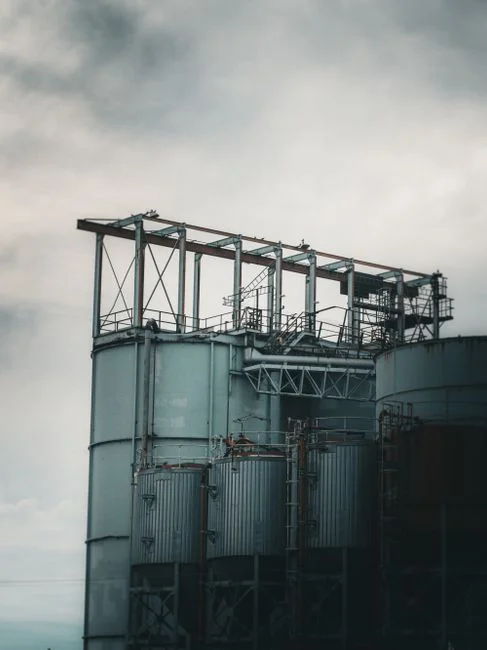
MBR replaces the conventional settling step with membrane filtration, but that substitution changes pretreatment, controls, maintenance, and operating risk rather than removing them. Elsevier’s 2021 review defines an MBR as the integration of activated-sludge treatment with membrane filtration and identifies its use across municipal and industrial wastewater treatment.
| Decision factor | Conventional activated sludge | MBR |
|---|---|---|
| Biological treatment | Microorganisms reduce biodegradable organics in an aerated reactor | Retains the biological reactor and integrates it with membrane separation |
| Solids separation | Biomass is separated by settling in a clarifier | Biomass is retained by membrane filtration |
| Footprint | Requires reactor, aeration, and clarifier areas | Can reduce process footprint by replacing clarification with membrane modules |
| Effluent consistency | Subject to settling and clarifier performance | Provides a physical solids barrier; reuse suitability still requires a defined specification |
| Mechanical complexity | Primarily pumps, blowers, mixers, and clarifier mechanisms | Adds membranes, membrane modules, controls, cleaning provisions, and associated instrumentation |
| Fouling management | Not a membrane-specific constraint, although solids still affect settling and sludge handling | Central operating issue requiring pretreatment, monitoring, and cleaning |
| Sludge handling | Clarifier sludge requires thickening, stabilization, and disposal | Retains a higher biomass concentration in the reactor; recovered solids still require handling |
| Operator attention | Established settling and aeration controls | Requires membrane-condition monitoring and disciplined cleaning and maintenance |
| Expansion | May require added reactors and clarifiers | May support modular additions, subject to the proposed hydraulic and biological design |
Elsevier’s 2021 review identifies membrane fouling as the main obstacle to wider MBR adoption. For a pulp mill, the buyer should therefore investigate fiber carryover, solids loading, cleaning chemistry, flux behavior, and monitoring of clogging and fouling indicators rather than treating membrane separation as a passive solids-removal step.
The integrated MBR membrane bioreactor system is a product example, not a universal benchmark. HydropureWater’s verified product catalog describes submerged PVDF filtration below 1 μm, a 60% smaller footprint than conventional systems, and a service range of 10–2,000 m³/day.
The DF series submerged flat-sheet MBR modules illustrate another configuration. The catalog specifies 0.1 μm PVDF, module areas of 80–225 m², outputs of 32–135 m³/day, and integrated aeration. HydropureWater also claims 10–20× lower energy use than external cross-flow systems. These product-specific statements must be matched to the actual wastewater, flow, and proposed configuration before they are used in a Crossett comparison.
Choose the Treatment Objective Before Choosing the Equipment
The treatment objective determines which route deserves engineering effort. A plant seeking discharge compliance with available land and straightforward operation should examine a well-designed conventional system, subject to current performance and permit data. A plant prioritizing process-water reuse, compact installation, or integrated solids separation should evaluate MBR while budgeting for fouling control and membrane maintenance.
| Site priority | Recommended pathway | Required engineering checks |
|---|---|---|
| Retain the existing system | Conventional activated sludge with targeted rehabilitation | Current performance, biological capacity, settling, tank integrity, controls, sludge handling, and compliance margin |
| Install conventional treatment | New aerated biological reactor with clarification | Design flow and peak demand, organic and solids loading, land, aeration, clarifier performance, and operating labor |
| Specify an MBR | Integrated biological treatment and membrane separation | Wastewater variability, fouling risk, pretreatment, membrane area, cleaning, reuse quality, and available footprint |
For an expanding mill, ask suppliers to show how future flow stages would be added without redesigning the biological and solids-separation capacity. For a retrofit, verify available footprint, tankage, piping routes, access for membrane handling, power, pretreatment compatibility, and the consequences of isolated equipment outages.
Proposals must use the same design flow, wastewater basis, effluent objectives, solids-handling scope, membrane-replacement assumptions, and commissioning tests. A system optimized for clean-water flow is not comparable with one designed for mill wastewater. The pulp and paper sewer pretreatment requirements can inform the permit and pretreatment questions, but they do not establish a Crossett permit limit.
The supplied research contains no current procurement prices for Arkansas projects. A capital comparison therefore requires a site-specific budget; inventing a price per cubic metre would conceal differences in civil works, pretreatment, biological sizing, controls, energy, chemicals, labor, and sludge handling.
Build a Site-Specific Pilot and Commissioning Plan
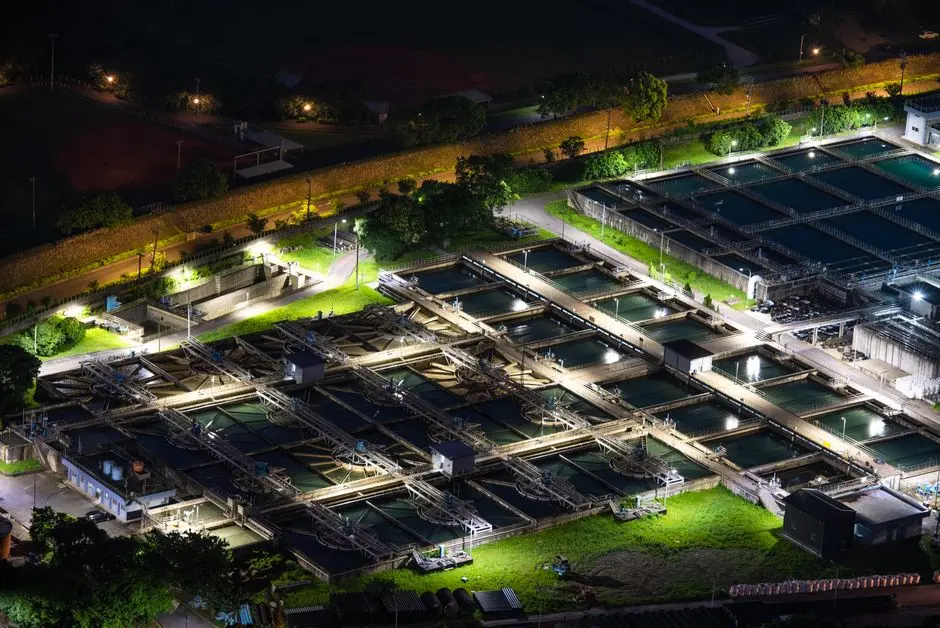
Pilot testing should test the proposed process against actual mill wastewater, not merely demonstrate membrane passage with clean water. Begin with a characterization campaign that documents the sampling period, analytical methods, operating conditions, and whether the design basis uses average, peak, or event flow.
For an MBR trial, record membrane flux behavior, cleaning frequency, chemical demand, biological stability, and recovered-solids characteristics. Do not set universal acceptance values until the test establishes how the actual wastewater affects the proposed configuration. The pilot should also examine clogging and fouling indicators so the eventual cleaning strategy reflects observed conditions.
For a conventional activated-sludge trial, evaluate mixing, aeration performance, settling, sludge separation, and whether the process can meet the applicable permit or reuse specification. Compare the same wastewater and treatment objectives used in the MBR trial; otherwise, the results will not support a fair selection.
Commissioning should confirm solids carryover, the required reuse quality, equipment availability, controls, and operator training. For a membrane system, include cleaning-system readiness, membrane-change provisions, membrane-condition monitoring, and a documented response to abnormal flux or differential-pressure conditions. The dedicated industrial treatment-plant maintenance protocol can support operating-readiness planning, but the cleaning frequencies and chemical demands must come from the pilot and the selected configuration.
Elsevier’s 2021 fouling analysis supports treating membrane protection as a permanent operating responsibility, not an installation-only issue. Pretreatment, inspection, cleaning, recovery, and eventual replacement should all appear in the operating plan and lifecycle estimate.
Ask Suppliers for a Comparable Scope and Lifecycle Cost
Comparable quotations require a common treatment scope, not equivalent product lists. Request itemized pricing and responsibility for equalization, pretreatment, biological tankage, aeration, solids separation, pumping, controls, membrane cleaning, chemical dosing, sludge handling, and final reuse or discharge treatment.
Membrane suppliers should identify the membrane material, pore size, module configuration, stated output, cleaning method, replacement-interval assumptions, spare-parts strategy, and warranty scope. Require confirmation that capacity, filtration, footprint, and energy statements are part of the proposed configuration rather than generic catalog claims. HydropureWater’s 10–2,000 m³/day capacity, below-1-μm filtration, and 60% footprint reduction are manufacturer-specific figures that must be tied to the selected system and its wastewater duty.
Request a lifecycle comparison separating initial equipment, civil works, installation, electrical and controls, membrane replacement, energy, chemicals, labor, and sludge handling. Define which costs remain after commissioning and identify the assumptions behind membrane replacement and cleaning frequency. A lower initial equipment price is not a valid comparison if one proposal excludes membranes, cleaning equipment, controls, civil work, or sludge handling.
Finally, require site acceptance based on the actual wastewater. Clean-water output is not evidence of long-term biological stability, acceptable flux, or reliable solids separation. The contractual acceptance test should use an agreed wastewater basis, operating period, solids-carryover criterion, and required reuse or discharge quality, with unresolved risks carried into a pilot or conditional guarantee.
Frequently Asked Questions
What will an MBR cost compared with conventional activated sludge for pulp and paper wastewater in Crossett?
The supplied evidence does not support a current dollar-per-m³ comparison for a Cros
Frequently Asked Questions
Is MBR cheaper than conventional activated sludge for a pulp and paper plant in Crossett?
In the context of a Crossett pulp and paper facility, MBR typically carries a higher total cost of ownership than conventional activated sludge (CAS) due to elevated energy consumption for membrane aeration and periodic chemical cleaning requirements. While CAS might require a larger physical footprint and extensive tertiary polishing to meet stringent discharge limits, MBR involves significant operational expenditures (OPEX) related to membrane replacement cycles, which generally occur every 5 to 8 years.
However, if the facility aims for high-quality water reuse to offset freshwater withdrawal costs, the capital expenditure (CAPEX) for MBR may be offset by the elimination of downstream tertiary filtration units. A site-specific life cycle cost analysis (LCCA) is required to determine if the operational savings from reduced chemical usage and regulatory compliance outweigh the membrane-related energy and maintenance costs.
What flow rate do I need to size an MBR for pulp and paper wastewater?
Sizing an MBR system requires calculating the peak hourly flow rate (PHF) rather than the average daily flow to account for hydraulic surges common in paper machine startups and boil-outs. For pulp and paper applications, membrane flux rates typically range from 10 to 25 liters per square meter per hour (LMH), depending on the specific wood furnish and the level of pretreatment provided, such as dissolved air flotation (DAF) or primary clarification.
You must determine the mass loading of Chemical Oxygen Demand (COD) and Total Suspended Solids (TSS) to size the bioreactor volume, as membrane surface area is a function of both hydraulic throughput and the mixed liquor suspended solids (MLSS) concentration, which is typically maintained between 8,000 and 12,000 mg/L in MBR systems.
How do I compare MBR suppliers without getting misleading equipment quotations?
To ensure an "apples-to-apples" comparison, require all vendors to provide a standardized process guarantee based on a common influent water quality profile, specifically defining the peak COD/BOD ratios and the maximum allowable TSS concentrations entering the membrane tank. Quotations should explicitly list the Net Flux (LMH), the required cleaning frequency (CIP), and the guaranteed membrane lifespan under the projected fouling conditions specific to bleached or unbleached pulp mill effluent.
Additionally, request a breakdown of energy consumption in kWh per cubic meter of treated water and a detailed list of excluded scope items, such as civil works, sludge handling equipment, and chemical storage, which often vary significantly between supplier proposals. Require performance bonds tied to specific effluent quality parameters like turbidity and Silt Density Index (SDI) for downstream membrane processes.
Which treatment option has the lower compliance risk for industrial wastewater reuse?
MBR offers a significantly lower compliance risk for wastewater reuse compared to conventional activated sludge because it provides a physical barrier to solids and pathogens, consistently delivering effluent with turbidity levels below 0.2 NTU and SDI values suitable for direct feed into Reverse Osmosis (RO) systems. CAS systems are susceptible to sludge bulking, filamentous growth, and solids carryover during peak loading, which can lead to rapid fouling of downstream reuse equipment.
By eliminating the secondary clarifier, MBR ensures that the effluent quality remains stable even during fluctuations in biomass settleability. This reliability is critical for meeting the stringent SDI requirements (typically < 3.0) necessary to protect high-pressure membrane elements in industrial water recycling loops.
What wastewater tests should be completed before choosing MBR or conventional activated sludge?
Before selecting a technology, conduct a comprehensive pilot study or bench-scale treatability test focusing on the characterization of recalcitrant COD and the presence of potential membrane foulants like extractives, resins, and sizing agents. Essential tests include the determination of the sludge volume index (SVI), oxygen uptake rate (OUR), and the measurement of extracellular polymeric substances (EPS) which are known to accelerate membrane fouling in pulp and paper matrices.
Furthermore, perform a thorough analysis of the wastewater's mineral content and potential for scaling (e.g., calcium carbonate or calcium oxalate), as these inorganic compounds can precipitate on membranes. Comparing the biological kinetic constants, specifically the maximum specific substrate utilization rate and the endogenous decay rate, is also vital to determine the required aerobic retention time and sizing of the aeration basins.