Determine which Manchester discharge rules apply
EPA’s 40 CFR Part 436 covers wastewater discharges from mine drainage, mineral processing operations and stormwater runoff, and its requirements are incorporated into NPDES permits (US EPA, accessed 2026). That federal framework does not complete the authorization path for a plant discharging to a Manchester-area POTW. The operator must also obtain the receiving sewer authority’s industrial discharge permit and demonstrate compliance with its local pretreatment limits, monitoring rules and surcharges.
First establish the discharge route. A direct discharge to waters of the United States may require an NPDES permit and applicable 40 CFR Part 436 conditions. A sanitary-sewer discharge is governed through the POTW pretreatment program, while a permitted disposal route requires its own waste characterization, transporter and receiving-facility documentation. These routes are not interchangeable.
Next confirm the mineral or process category and the corresponding Part 436 subpart. The US EPA identifies reserved subparts including Dimension Stone, Lightweight Aggregates, Lithium, Feldspar, Talc/Steatite/Soapstone/Pyrophyllite and Garnet. A reserved subpart must not be treated as proof that no federal or local effluent requirements apply; it means the applicable subpart status must be checked before relying on federal numeric limits.
Request the current Manchester-area POTW permit, local limits for pH, metals, TSS and other regulated constituents, sampling protocol, monitoring frequency, surcharge terms and hazardous-waste exclusions. Build a compliance matrix before selecting equipment. For a comparable framework, see the related industrial pretreatment guides for plants near Canton and plants near Metlakatla.
| Approval layer | What to establish | Evidence before commissioning |
|---|---|---|
| Federal and state | Discharge point, mineral category, Part 436 subpart and NPDES applicability | Permit coverage, applicable limits and monitoring conditions |
| Manchester-area POTW | Industrial discharge authorization, local limits, fees and prohibited waste | Current permit, surcharge schedule and written routing approval |
| Site operations | Responsible operator, sampling point, chain of custody and reporting process | Compliance matrix, laboratory methods and calibration records |
| Waste disposal | Sludge and off-site waste classification, transport and receiving facility | Waste determination, manifests and approved disposal route |
Characterize each mine wastewater stream
Acid mine drainage, ore-processing water, tailings-pond effluent and mine dewatering discharge cannot be represented by one analytical average because their contaminants and treatment triggers differ. The Society for Mining, Metallurgy & Exploration identifies mining water impacts as dependent on commodity, deposit, processing method and mining method, while AMPAC USA (2025-09) describes these four streams as materially different wastewater sources. Segregate them until representative data supports combining them.
Acid mine drainage forms when water and oxygen react with sulfide minerals, producing acidic water that mobilizes toxic metals, sulfate and other dissolved solids (SME, 2022). By contrast, process water may contain flotation reagents, cyanide, chlorination products, ammonia or chloramines, depending on the circuit. Tailings-pond effluent can carry fine solids, leached metals and process chemicals, while dewatering discharge varies with geology and may contain substantial metal loading (AMPAC USA, 2025-09).
Obtain representative samples under normal and peak operating conditions. The analytical suite should include pH, flow, TSS, turbidity, conductivity or TDS, sulfate, alkalinity, hardness, target metals and any contaminant identified by the POTW. Record the sample date, location, operating condition, preservation method, laboratory method and detection limit. No defensible Manchester-area flow range or influent concentration is established in the supplied research; capacity, chemical dosage and polishing thresholds must remain site-specific.
Keep stormwater, washdown and process streams as separate design bases unless the sewer authority and applicable permits authorize the proposed routing. A mixture may have a lower pH or higher metal loading than any individual sample, so testing the final combined discharge is necessary after segregation and characterization. For background on treatment selection, see the mining wastewater treatment comparison.
| Stream | Dominant concerns | Design implication |
|---|---|---|
| Acid mine drainage | Low pH, dissolved metals, sulfate and other dissolved solids | pH correction, metal hydroxide precipitation, clarification and scaling control |
| Ore-processing water | Process reagents, metals, salts and variable solids | Separate chemical and biological assessment; include reagent-specific controls |
| Tailings-pond effluent | Fine solids, leached metals and residual process chemicals | Solids removal and chemical dosing sized for representative peak conditions |
| Dewatering discharge | Geology-dependent metal loading and flow variability | Equalization, representative sampling and variable-flow operation |
Build the pretreatment train around removal triggers
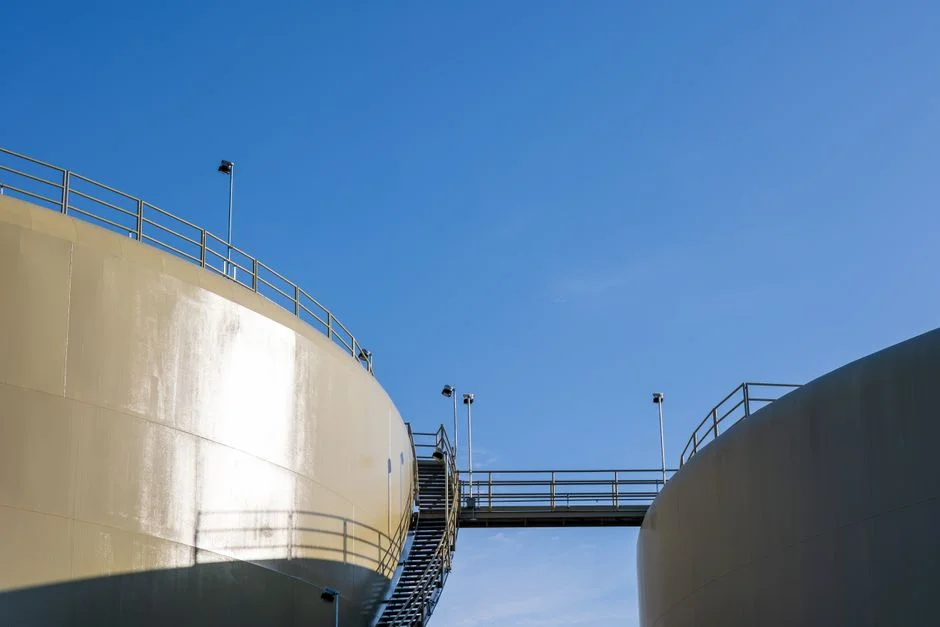
Equalization and source control precede treatment because variable flows can overload chemical feed and solids-removal equipment. Size the basin and pumping system against the highest anticipated daily discharge rather than the average; HydropureWater’s 2026 mining-pretreatment research identifies peak flow as the driver for equalization volume and pump selection. Source control should also prevent clean water from entering the treatment train unnecessarily.
- Correct pH before clarification. Raise or lower pH to the condition required for the selected chemistry. Genesis Water Technologies identifies pH adjustment as the first stage in mining-water treatment because it supports precipitation of dissolved metals as insoluble hydroxides.
- Coagulate and flocculate. Add the selected coagulant and flocculant to aggregate suspended solids and fine metal-bearing particles. An automatic chemical dosing system for pH control and flocculation should be tied to measured flow and chemistry signals rather than fixed manual dosing.
- Select solids separation by sludge behavior. Use a DAF system for mining wastewater solids separation when floc is buoyant or oils and floatable fines are present. Use a high-efficiency lamella sedimentation tank when heavy sludge volume and footprint constrain the installation. See this DAF versus clarifier selection for mining wastewater for the decision framework.
- Filter before membranes. A multimedia filter for residual turbidity and colloids protects downstream equipment. HydropureWater’s 2026 research specifies filter selection by target SDI after filtration rather than inlet turbidity alone.
- Use UF when finer separation is required. A UF system for RO pretreatment can remove fine colloids before RO. The specified system uses 0.03-micron PVDF membranes, handles 2,000–40,000 L/h, accepts feed turbidity up to 300 ppm and includes automatic backwash and air scour.
- Add RO only when dissolved constituents require it. RO is appropriate when dissolved metals, sulfate or salts remain above the sewer limit, or when reuse requires further demineralization. AMPAC USA (2025-09) reports more than 99% rejection of dissolved metals and salts, but this is membrane performance—not proof that the complete plant will meet a permit limit.
RO requires conditioned feed. AMPAC USA (2025-09) says AMD treatment commonly begins with pH adjustment and sedimentation, while sulfate scaling is managed through antiscalant selection and system design, often at 50–70% recovery. Use a reverse osmosis system for mining wastewater polishing only after solids removal and scaling controls are defined. Send metal-precipitation sludge to a dedicated dewatering step rather than returning it to the treatment train.
| Treatment step | Trigger | Required evidence |
|---|---|---|
| Equalization | Variable discharge or peak loading | Peak-flow analysis and operating schedule |
| pH correction and precipitation | Dissolved metals require removal as insoluble hydroxides | Representative pH, alkalinity, metals and titration data |
| DAF or lamella | Buoyant floc or oils versus heavy sludge and footprint constraint | Floc behavior, oil loading and sludge-volume estimate |
| Multimedia filtration | Residual turbidity or colloids threaten downstream equipment | Target SDI after filtration and particle-size data |
| UF | Fine solids removal is required before RO | Feed turbidity, recovery and cleaning-cycle requirements |
| RO | Dissolved metals, sulfate or salts exceed the applicable limit | Full feed chemistry, scaling assessment and concentrate disposal route |
Decide whether reuse changes the treatment objective
Internal reuse can change the treatment objective because the required endpoint may become more stringent than the sewer permit. Quantify demand for dust suppression, washing, milling, flotation or other approved processes before fixing the final discharge flow. AMPAC USA (2025-09) reports that RO-enabled internal reuse can reduce freshwater consumption by 40–60% compared with once-through operations; that is a reported comparison, not a guaranteed saving at a Manchester site.
Distinguish three configurations. A discharge-only train is designed around the POTW’s final limits. A reuse-and-discharge train must satisfy the process-water quality target for the reused portion and the sewer limits for the residual discharge. A zero-liquid-discharge objective requires a different capital and operating model because the concentrate cannot simply be sent to the sewer.
For ZLD, AMPAC USA (2025-09) states that RO typically handles 70–85% of water recovery before more energy-intensive evaporation and crystallization. Request an RO recovery curve and concentrate treatment basis, not one nameplate recovery number. The proposal should define feed-water chemistry limits, expected recovery across varying loads, concentrate volume and chemistry, energy demand, antiscalant assumptions and the final fate of salts and metals.
Reuse does not remove the pretreatment obligation. Every residual volume not recycled must still meet the applicable discharge limits, and an on-site reuse system may introduce its own approval, safety and process-control requirements. The procurement decision should therefore state whether the endpoint is sewer discharge, internal reuse, both, or ZLD.
Prepare a quote-ready basis of design

A comparable quotation requires a common design basis, not a request for a generic “mining water treatment package.” Submit average and peak flow in m³/h, flow-duration information, operating schedule and expected expansion. No reliable Manchester-area mine flow range is supplied in the research; use plant records and the proposed discharge schedule.
Attach representative influent results for pH, metals, TSS, turbidity, conductivity or TDS, sulfate, alkalinity, hardness and process-specific contaminants. Include dates, sampling points, operating conditions and laboratory methods. Also provide the POTW’s current limits, monitoring frequency, resampling protocol, slug-load provisions and any treatment-system certification requirement.
Define the required endpoint and its evidence. For sewer discharge, state the required effluent flow, pH, metals, TSS, turbidity and TDS targets. For reuse, add the process-water specification and expected reuse rate. Request an itemized scope covering equalization, chemical storage and dosing, clarification, filtration, membranes, controls, sludge handling, utilities, alarms, commissioning, operator training and maintenance support.
The supplied research provides no complete-system price range for a Manchester mine. Require each supplier to quote against the same basis of design and separate equipment cost from site-specific assumptions such as excavation, foundations, electrical service, chemical supply, waste disposal, membrane replacement and labor. That approach exposes omissions without publishing an unsupported budget figure.
| Bid package | Required attachment | Supplier response |
|---|---|---|
| Hydraulic basis | Average flow, peak flow, operating schedule and expansion | Equalization, pumping and treatment capacities |
| Analytical basis | Representative raw-water results and laboratory methods | Removal mechanisms, expected effluent and design assumptions |
| Regulatory basis | POTW permit, local limits and monitoring protocol | Compliance-critical equipment and sampling features |
| Endpoint | Sewer, reuse or combined quality targets | Final treatment step and recovery assumption |
| Residuals | Sludge and concentrate characterization requirements | Handling method, destination and disposal assumptions |
| Commercial | Scope, utilities, commissioning and support requirements | Itemized price, exclusions, schedule and lifecycle assumptions |
Plan controls, sludge and operational verification
Compliance depends on repeatable control, not only on nominal equipment capacity. Integrate chemical dosing, PLC/HMI controls, flow, pH and conductivity monitoring into one operating system. HydropureWater’s 2026 mining-pretreatment research identifies these controls as necessary for chemistry setpoints and self-monitoring records. Include high/low chemical-level, pump-failure, high-high pH, flow and membrane alarms with defined operator responses.
Size chemical storage and automatic chemical dosing for pH control and flocculation around the chemical compatibility, required operating range and maintenance access identified in the process design. Provide secondary containment, calibrated feed measurement and clear changeover procedures where more than one chemical is required.
Characterize and dewater chemical-precipitation sludge before startup. A plate-and-frame filter press for metal hydroxide sludge should be evaluated against expected cake volume, target dryness, cycle time and chemical conditioning. The specified filter-press range covers filtration areas from 1 m² to 500 m², with manual, hydraulic and fully automatic PLC-controlled configurations. The selected operating mode must reflect staffing, batch frequency and downstream disposal requirements.
Write performance testing into the purchase specification. Define startup shakedown, sampling points, analytical methods, acceptance criteria, instrument calibration, operator competency and POTW acceptance steps. Maintain chain-of-custody records for influent, treated effluent, sludge and off-site disposal, then schedule monitoring so the same data support process control and permit reporting. A contingency plan should address off-specification flow, chemical interruption, power loss and treatment-train upset without allowing an unauthorized discharge.
Frequently Asked Questions
How much does a mining pretreatment system for sewer discharge near Manchester cost?
The supplied research provides no complete-system price range for a Manchester mine, so a defensible budget requires a project-specific quotation. Request pricing with average and peak flow, representative analytical results, current POTW limits, discharge or reuse endpoint, sludge handling and concentrate-disposal requirements. Require each supplier to state exclusions, site-work assumptions, utility requirements, commissioning costs and lifecycle assumptions so the bids remain comparable.
Should a Manchester mine buy DAF, a lamella clarifier or both?
DAF is the appropriate trigger when representative wastewater produces buoyant floc or contains oils and floatable fines. Lamella clarification is favored when floc is heavy and sludge volume and footprint drive the design. These are alternative solids-separation configurations in the normal process sequence, not mandatory simultaneous purchases. Confirm the choice through wastewater testing and the DAF versus clarifier selection for mining wastewater.
What flow should the treatment system be sized for?
Use the highest anticipated daily discharge to size equalization and pumping because peak flow drives basin volume and pump selection, as stated in HydropureWater’s 2026 research. Keep that value distinct from the sustained treatment rate, which depends on permitted discharge windows and operating duration. State both in the quotation, together with flow-duration information and expected future expansion.
Is RO mandatory for every mining or metals discharge?
No. RO becomes the logical polishing option when residual dissolved metals, sulfate or salts exceed the applicable sewer limit, or when reuse requires demineralized water. It must follow adequate solids removal and scaling control; membrane rejection alone does not protect the system or guarantee permit compliance. If all required constituents are met after the non-membrane steps, adding RO would be an unjustified cost and energy burden.
How can an operator reduce the risk of failing a Manchester sewer-pretreatment acceptance test?
Require a written compliance matrix, representative sampling, a POTW-approved monitoring plan, calibrated controls, trained operators and documented pre-startup testing. The acceptance procedure should define the sampling point, analytical methods, operating condition, resampling protocol and acceptance criteria before startup. Include contingency handling for off-specification effluent and verify that sludge and concentrate have documented destinations. The biological treatment options for mining and metals wastewater may assist where biological treatment is technically applicable.