The Regulatory Stack a Metlakatla Plant Actually Faces
Compliance for a food or beverage plant near Metlakatla, Alaska is a three-layer problem: a federal categorical standard on top, EPA pretreatment standards in the middle, and a local POTW discharge permit on the bottom. The relevant federal categories are 40 CFR Part 432 for meat and poultry products, with parallel standards under 40 CFR Parts 405 through 409 covering dairy (405), grain mills (406), fruit and vegetable (407), and beverage (409) processors, and seafood processors fall under Part 408 as a separate subcategory. Exact numeric limits must be confirmed against the current 40 CFR text because the supplied research did not include the published limit tables.
EPA pretreatment standards exist because high-BOD, high-solids, and pH-volatile industrial discharge can overwhelm a POTW's biological stage, damage sewer infrastructure, and kill the receiving treatment works' microorganisms (Crystal Clean, 2026). Local sewer districts then impose limits stricter than the federal floor, with the receiving POTW's permit specifying monitoring, sampling frequencies, and reporting obligations (Crystal Clean, 2026) — for a plant near Metlakatla discharging to the Ketchikan Gateway Borough sewer system, this local layer is the one that actually decides day-to-day compliance.
The enforcement consequences are real. Repeated violations can trigger increased monitoring, mandatory pretreatment system installation, or revocation of the discharge permit, and severe discharge problems have led to production shutdowns at other food and beverage plants (Crystal Clean, 2026). For a remote Southeast Alaska site, where finished product cannot be moved out on a flexible schedule, the cost of a forced shutdown is disproportionately high.
What Comes Out of a Coastal Alaska Food and Beverage Plant
Process wash water from raw material washing, cooking, cooling, and packaging carries the bulk of organic load on site, and the composition shifts by product and by season (Crystal Clean, 2026). A brewery's grain wash looks nothing like a fish processor's brine discharge or a dairy's CIP rinse, and any single grab sample misleads an engineer who hasn't characterized the streams across a full shift.
CIP systems and floor-wash release caustic and acidic agents that cause pH swings throughout the day (Crystal Clean, 2026), and ALAR notes these chemicals can alter pH and affect downstream biological processes (ALAR, 2026). Beverage and confectionery operations produce wastewater high in sugars and starches, which are easily degradable and cause rapid bacterial growth and elevated BOD (ALAR, 2026). Dairy and meat operations discharge protein-rich wastewater that contributes to high BOD and can cause foaming or odor issues during treatment (ALAR, 2026).
For Southeast Alaska seafood operations specifically, the relevant streams are low-temperature fish-processing wash water, brine, and bloodwater — qualitative descriptions only, since the supplied research does not quantify seafood-specific composition. Volume compounds the challenge further: peak flows during washdowns and shift changes can overwhelm systems sized for average conditions (Crystal Clean, 2026). That single sentence is why equalization is non-negotiable in the train below.
The 2026 Pretreatment Equipment Train
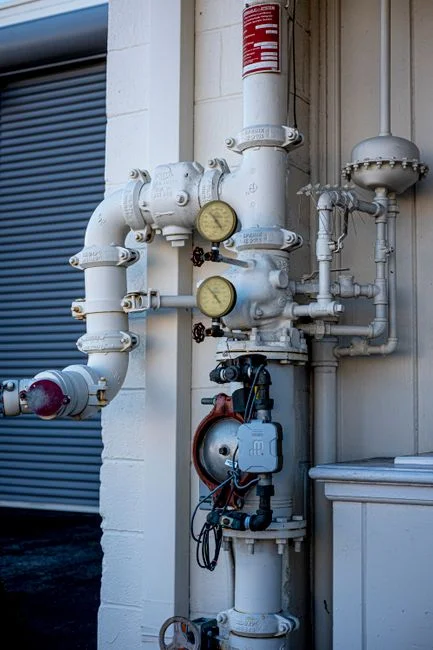
The defensible 2026 unit-process train for a small-to-mid coastal Alaska food or beverage plant is screening, equalization, chemical conditioning, dissolved air flotation, biological reduction, and sludge dewatering. Each stage is selected to remove a specific class of pollutant and to protect the stage downstream of it.
| Stage | Unit process | Primary function | Key sizing input |
|---|---|---|---|
| 1 | Rotary mechanical bar screen | Gross solids removal (rags, plastics, fibrous debris, pulp, seeds, grains) | Peak-shift hydraulic flow |
| 2 | Equalization basin | Flow and load dampening; pH blending | Peak-shift flow and detention time |
| 3 | Automatic chemical dosing (coagulant, flocculant, pH adjust) | Particle destabilization, pH stabilization for downstream biology | Influent pH range and TSS load |
| 4 | Dissolved air flotation (DAF) | FOG and fine suspended solids removal; widely used in meat, protein, and dairy operations | Hydraulic overflow rate and FOG loading |
| 5 | Biological (MBBR, IFAS, or MBR) | BOD and ammonia reduction | Average and peak BOD loading; footprint vs. reuse goals |
| 6 | Plate and frame filter press or rotary vacuum drum | Sludge volume reduction before permitted off-site disposal | Dry solids target and haul economics |
Stage 1 starts with a rotary mechanical bar screen to protect downstream pumps, valves, and biological stages from rags, plastics, and fibrous debris, with ALAR emphasizing that suspended solids such as pulp, seeds, and grains must be removed before discharge (ALAR, 2026). Stage 2 is an equalization basin that moderates the flow and load swings between production hours and sanitation shifts — critical because peak flows during washdowns can overwhelm systems sized for average conditions (Crystal Clean, 2026).
Stage 3 is chemical dosing and pH neutralization, which ALAR describes as the first steps in food processing wastewater treatment (ALAR, 2026), delivered through an automatic chemical dosing skid. Stage 4 is a dissolved air flotation system for fats, oils, grease, and fine suspended solids, which ALAR flags as a core food and beverage technology (ALAR, 2026) and which USP confirms is widely used in meat, protein, and dairy operations (USP Technologies, 2026).
Stage 5 is biological treatment — MBBR or IFAS for BOD and nutrient reduction, or an MBR membrane bioreactor where footprint is constrained and reuse-quality effluent is desired (ALAR, 2026). Stage 6 is sludge dewatering with a plate and frame filter press or rotary vacuum drum to reduce sludge volume before off-site disposal (ALAR, 2026), and at a remote Southeast Alaska site, haul cost is a meaningful driver. Adjunct chemistry — H2S control, supplemental dissolved oxygen, and alkalinity/pH support — is deployed around the DAF and biological stages (USP Technologies, 2026), with disinfection added as a final barrier if the permit requires it.
Process-Flow Snapshot: Typical Coastal Alaska Plant
Influent from process, CIP, and floor-wash enters a rotary mechanical bar screen for gross solids removal. Flow then passes to an equalization basin sized for peak-shift flows, and on to an automatic chemical dosing skid for pH correction and coagulant/flocculant addition. Clarified water enters a dissolved air flotation system for FOG and suspended-solids removal, with floated sludge routed to dewatering.
DAF subnatant flows to a biological stage — MBBR/IFAS or MBR, depending on footprint and reuse goals — for BOD and ammonia reduction. Treated effluent is sampled, logged, and discharged to the local sewer under the plant's permit; dewatered cake is containerized for permitted off-site disposal. The flow description is qualitative, because the supplied research does not provide site-specific hydraulic figures for Metlakatla.
Operator routine on this train is: flow-paced pH logging on the dosing skid, daily DAF skimmer checks, MLSS/MLVSS tracking in the biological stage to confirm the biomass is healthy, and a chain-of-custody manifest for every sludge haul. Discharge pH and temperature get logged continuously because the local permit is unforgiving on pH excursions, especially during sanitation shifts.
Permit and Compliance Mechanics in the Ketchikan Gateway Borough
Local sewer districts set stricter limits than the federal floor and specify monitoring, sampling frequencies, and reporting obligations (Crystal Clean, 2026) — the actual numeric values come from the local discharge permit, not from generic federal tables. POTWs use EPA's Local Limits Development Guidance (Office of Water) as the reference for deriving site-specific pollutant limits under Section 402(b) of the Clean Water Act and the related State NPDES authority (EPA Office of Water, 2015-10).
Crystal Clean notes that manifests, service records, and treatment verification create the chain of custody that proves proper handling during audits (Crystal Clean, 2026), and the same principle applies to discharge records — a daily pH and flow log is the difference between a defensible file and a forensic scramble. Discharge characteristics can shift because of a new product line, seasonal production changes, or tightening local limits, and having a partner who understands both the technical treatment side and the regulatory reporting side turns those adjustments into operational transitions (Crystal Clean, 2026).
The consequences of failure are concrete: surcharges, mandatory pretreatment installation, permit revocation, and in severe cases production shutdown (Crystal Clean, 2026). For a remote plant, the cost of a shutdown is disproportionately high because finished product cannot be moved out on schedule and barge or air freight becomes the only path. The permit-prep checklist is straightforward: characterize your streams, identify which 40 CFR subcategory applies, request the local limits from Ketchikan Gateway Borough, design the train to those numbers with headroom, and commission with a documented sampling protocol.
Sizing, Cost, and Sourcing Decisions for a 2026 Build
Size for peak, not average. Peak flows during washdowns and shift changes overwhelm systems sized for average conditions (Crystal Clean, 2026), so the equalization basin and the DAF hydraulic capacity should both be sized to peak-shift flow, not daily average. On-site treatment reduces the need to transport large volumes of untreated wastewater off-site, cutting costs and improving sustainability (ALAR, 2026), which is a meaningful advantage where hauling distances are long.
Match equipment to local logistics. A remote Southeast Alaska site has high barge or freight costs, so factory-tested, skid-mounted, pre-wired packages — such as the automatic chemical dosing skid — reduce field time and install risk. Spare parts and consumables matter disproportionately: a stocked local supply of membranes, filter cartridges, valves, and media prevents long shutdowns when a component fails, and compatible RO/UF membranes and filter elements and water treatment parts, valves, and media keep the train running across multiple equipment brands.
The supplier checklist for a 2026 build, drawn from the qualitative evidence available: confirm pilot testing options, confirm full-scale integration support across MBBR, DAF, and dewatering, and confirm after-sales service reach in the Pacific Northwest. Numeric cost figures and supplier pricing are not in the supplied research, so request written quotes against your specific peak flow, peak BOD, peak FOG, and footprint constraints before committing.
| Decision | What to ask the supplier | Why it matters in 2026 |
|---|---|---|
| Pilot testing | Can the supplier run a bench or pilot test on your actual stream? | De-risks the biological-stage sizing |
| Skid packaging | Is the dosing skid and DAF pre-wired and factory-tested? | Reduces barge-side install time and rework |
| Spare parts compatibility | Do you stock membranes, valves, and media compatible with other OEMs? | Avoids single-vendor lock-in for consumables |
| Pacific Northwest service | Do you have a service engineer within 48 hours of Ketchikan? | Limits shutdown exposure on remote sites |
| Capacity sizing | What's the DAF hydraulic rating at peak flow, not average? | Prevents peak-shift permit excursions |
For brewery and dairy operations specifically, the supplier's familiarity with high-BOD sugar/protein streams and with FOG-rich waste is a differentiator — see the brewery sludge dewatering guide and the dairy wastewater dewatering guide for unit-process specifics. For an existing train where DAF versus clarifier is still the open question, the DAF vs clarifier decision guide walks the selection logic.
Where 2026 Local Limits Are Heading
Local sewer districts are tightening limits over time, and a plant that meets today's permit can find itself out of compliance within a permit cycle; treating wastewater as a core operational function rather than an afterthought is the documented response pattern (Crystal Clean, 2026). Disinfection standards are becoming increasingly stringent, raising the operational cost and complexity of any disinfection step (USP Technologies, 2026) — plan for it even if the current permit does not require it.
Producers face increasing pressure to reduce environmental footprint, and food processing wastewater treatment systems support sustainability initiatives by conserving water and reducing energy consumption (ALAR, 2026), so a reusable DAF subnatant or treated effluent can offset freshwater intake. For a Metlakatla-area plant, the practical 2026 trend is toward modular, containerized, automated skids that can be expanded as production grows and as the local permit tightens, with headroom in the equalization basin and biological stage to absorb the next round of limits without a rebuild.
Frequently Asked Questions
Which 40 CFR subcategory applies to a Southeast Alaska seafood processor?
Seafood processors fall under 40 CFR Part 408 as a separate subcategory, while meat and poultry are covered by 40 CFR Part 432, and dairy, fruit/vegetable, grain mills, and beverage processors are covered by 40 CFR Parts 405 through 409. Confirm the current numeric limits in the published 40 CFR text because the supplied research did not include those tables.
What is a defensible 2026 unit-process train for a small coastal food or beverage plant?
The defensible sequence is rotary bar screening, flow equalization, automatic chemical dosing for pH and coagulant, dissolved air flotation for FOG and fine solids, biological treatment (MBBR, IFAS, or MBR) for BOD and ammonia, and sludge dewatering via plate and frame filter press or rotary vacuum drum (ALAR, 2026; USP Technologies, 2026; Crystal Clean, 2026).
How should a plant budget and size a 2026 pretreatment build for a remote Alaska site?
Size the equalization basin and DAF to peak-shift flow, not daily average, because peak flows during washdowns and shift changes overwhelm systems sized for average conditions (Crystal Clean, 2026). Numeric cost figures are not in the supplied research, so request written quotes based on your specific peak flow, peak BOD, peak FOG, and footprint constraints rather than relying on generic ranges.
What should a 2026 buyer check before selecting a pretreatment equipment supplier for Southeast Alaska?
Confirm pilot testing options on the actual waste stream, confirm full-scale integration support across the dosing, DAF, and biological stages, and confirm after-sales service reach in the Pacific Northwest to limit shutdown exposure. Also confirm that the supplier stocks membranes and filter elements and valves and media compatible with multiple equipment brands, so the plant is not locked into a single OEM for consumables.