Why Erie Fabricated Metals Plants Need Pretreatment in 2026
Fabricated metals plants in Erie, PA run stamping presses, machining cells, polishing lines, plating tanks and paint booths, and every one of those operations puts a different contaminant mix into the floor drain. Emulsified cutting oils, fats-oils-greases (FOG), grinding swarf, paint pigments, and dissolved metals — including hexavalent chromium from decorative chrome rinses and nickel/copper/zinc from plating baths — cannot legally be discharged untreated. EPA categorical pretreatment standards under 40 CFR Part 433 cover the fabricated metals category and set daily maximum and monthly average limits for cadmium, total and hexavalent chromium, copper, lead, nickel, silver, zinc, total cyanide, oil & grease, TSS, and pH. The Erie Sewer Authority's local Sewer Use Ordinance layers additional site-specific limits, monitoring requirements, and surcharge triggers on top of those federal categorical standards. A 2026 equipment decision has to be defensible against both rule sets at the same time, because violating either triggers enforcement.
The operating reality makes the choice harder. Erie shops typically run batch dumps — a rack leaving a chrome bath, a paint-booth cleanup, a stamping-press overflow — superimposed on a base continuous flow. pH swings of several units over a shift are common, and cutting-oil emulsions resist gravity settling. That mixture of intermittent spikes, light emulsified oil, and precipitated metal hydroxide is what a buyer is really asking a DAF or a lamella clarifier to handle.
How a DAF Clarifier Actually Treats Metal-Finishing Wastewater
A dissolved air flotation unit clarifies by lifting particles instead of letting them fall. Aries Chemical's design takes clarified effluent and pressurizes it to roughly 100 psi in a recycle loop so air dissolves into the water; when that saturated recycle enters the flotation tank at atmospheric pressure, micro-bubbles of about 30 µm form. Clearwater Industries' SigmaDAF product line cites 30-50 µm micro-bubbles in the same range, with a description of a paddle skimmer pulling floated sludge into a collection trough and a bottom auger handling heavier settleable solids. Either framing is consistent: the micro-bubbles attach to oil droplets, FOG, and pre-flocculated suspended solids and carry them upward, while dense grit drops to a bottom compartment.
Chemical conditioning is mandatory, not optional. pH adjustment brings the stream into the coagulation window, a coagulant neutralizes particle charge, and a long-chain polymer flocculant grows floc large enough for micro-bubbles to lift. Per Aries, the coagulant is dosed into the influent pipe while pH and flocculant are dosed into the flocculation section, where serpentine PVC piping or a variable-speed mixer provides contact time. Clearwater's DAF guidance adds that flocculation tubes deliver 15-45 seconds of flash mixing with dosing locations for coagulant, pH adjustment, and polymer, while mix tanks are used when a chemical needs longer contact time.
Startup procedure matters for an Erie plant that cycles equipment seasonally. Clearwater's process note is explicit: the DAF must first be filled with clean water to protect the recirculation pump and air saturation system; filling it with raw wastewater will discharge dirty, non-clarified water for an extended period. Skid-based units like the SigmaDAF COMPACT (flows of 66 GPM or less on a single skid, modular two-skid above that) are pre-assembled with chemical conditioning, sensors, and a PLC, which simplifies installation in a tight Erie process room. Standard construction is 304SS, with 316SS or polypropylene available from SigmaDAF for chloride- or chrome-rich streams (Clearwater, 2026-04-27). A typical skid in this product line is the HydropureWater DAF system.
How a Lamella Clarifier Treats the Same Wastewater
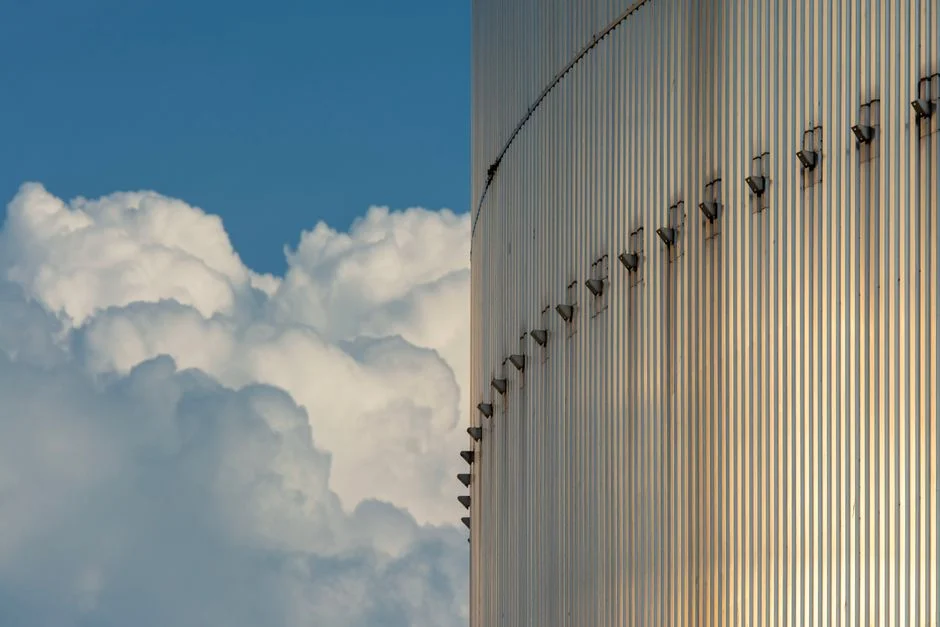
A lamella (inclined-plate) clarifier is a purely gravity device. Wastewater enters a sludge-recirculation contact zone where floc is grown, then flows upward through a stack of plates inclined at 55-60°. Those plates shorten the effective settling path so solids drop onto the plate surface and slide down into a hopper, while clarified water passes to the overflow launder. The compact plate geometry lets a lamella clarifier reach surface loading rates of 20-40 m/h in a footprint that is much smaller than a conventional clarifier at the same flow — that envelope is the design point for the HydropureWater lamella clarifier.
Performance is strong where the target contaminant is dense. Heavy metal-hydroxide precipitates from pH adjustment (iron, nickel, copper, zinc hydroxides at pH 8-10), grit, swarf, and cutting-chip fines all settle fast and report to the underflow. The trade-off is that lamella performance collapses on emulsified oils, low-density FOG, and very fine suspended solids that don't settle readily — those pass straight through with the clarified overflow. That is the reason the comparison below still puts an oil-water separator or a pre-DAF in front of most lamella installations at fabricated-metals sites.
For a strictly settleable stream with no entrained oil, polymer demand can be lower than a DAF's because the lamella only needs to grow floc heavy enough to slide, not light enough to float. HydropureWater's own lamella literature cites up to 30% lower flocculant consumption versus comparable DAF operation, but the trade is footprint: a lamella basin is short and wide, while a DAF of the same hydraulic capacity is tall and narrow — a real constraint inside an existing Erie plant with a low bay ceiling or a packed process room.
DAF vs Lamella Clarifier: 2026 Comparison Matrix
This matrix is the page an Erie buyer should print and bring into a vendor meeting. All parameter values shown are drawn from the cited manufacturer literature; operating-cost percentages and quote-level pricing are not, and must be obtained from each vendor on a per-job basis.
| Parameter | DAF Clarifier (e.g., HydropureWater DAF) | Lamella Clarifier (HydropureWater high-efficiency sedimentation tank) |
|---|---|---|
| Removal mechanism | Float + settle; micro-bubble lift on floc, bottom auger on heavy grit | Settle only; inclined plates at 55-60° |
| Best-fit contaminants | Emulsified oil, FOG, low-density TSS, precipitated metals | Heavy metal hydroxides, grit, fast-settling TSS |
| Micro-bubble size | ~30 µm (Aries); 30-50 µm (SigmaDAF/Clearwater, 2026-04-27) | Not applicable — gravity settling only |
| Hydraulic envelope | SigmaDAF/HPW DAF line covers 4-300 m³/h across 13 standard models; COMPACT single-skid to 66 GPM, two-skid above | Surface loading 20-40 m/h in a compact inclined-plate structure |
| Footprint at same flow | Tall and narrow; fits low-footprint process rooms | Short and wide; needs floor area more than headroom |
| Standard construction | 304SS standard; 316SS or polypropylene for chloride/chrome streams (Clearwater) | Epoxy-coated carbon steel or FRP typical |
| Startup sensitivity | Must fill with clean water first to protect recycle pump and saturator (Clearwater) | Forgiving on startup; slower to reach design solids capture |
| Sludge character | Thick float; dewaterable on a plate-and-frame press with minimal thickening | Dilute underflow; usually needs a sludge thickener upstream of dewatering |
| Capital cost drivers | Recycle pump, saturator vessel, skimmer mechanism, controls | Plate pack, hopper, civil basin; less rotating equipment |
| Operating cost drivers | Recycle-pump energy plus coagulant + polymer dosing | Lower polymer dose; larger basin volume and more mixers |
| 40 CFR 433 fit | Hits oil & grease and TSS in the same unit for most fabricated-metals streams | Usually needs an upstream oil-water separator or pre-DAF to meet oil & grease |
Two operational notes that the matrix cannot capture. First, every DAF in this comparison class is offered with optional 316SS or polypropylene wetted parts for chloride- or chrome-rich streams, and a buyer should confirm chemical compatibility with the vendor before ordering. Second, a lamella clarifier's polymer savings only materialize when the feed is genuinely settleable; the moment a batch of emulsified cutting oil arrives, the underflow quality drops and the operator ends up chasing TSS on the discharge. That is the engineering reason a hybrid train — DAF primary, lamella polish — is common at mid-sized Erie plants with batch dumps.
Matching the Equipment to Common Erie Fabricated-Metals Scenarios
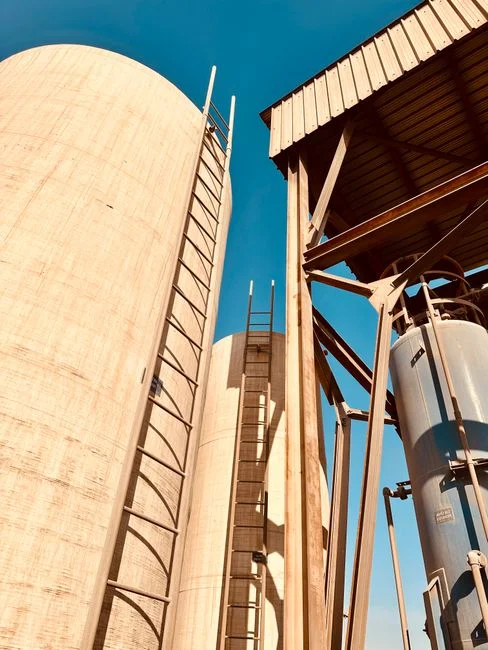
The matrix scores both options in the abstract. The table below maps the five shop profiles an Erie engineer is most likely to recognize, with the equipment call justified against the actual waste stream. Vendor pricing for any specific model must be quoted against your own flow, wastewater profile, and discharge permit; treat these as engineering selections, not cost rankings.
| Scenario | Stream Character | Recommended Unit Operation | Compliance Rationale |
|---|---|---|---|
| A — Stamping / machining floor | Soluble cutting oils, floor wash, fine swarf | DAF alone (skid in 304SS); bottom auger handles grit, float handles oil | Single unit meets oil & grease and TSS under 40 CFR 433 |
| B — Plating line (hex chrome, nickel) | Hex chrome and nickel rinses, pH 6-9 envelope, rack-strip oils | DAF after pH adjustment and chrome reduction; downstream lamella polish optional | Light floc and entrained oils defeat gravity settling alone; DAF lifts both |
| C — Paint line (stick-and-rinse booths) | Dense pigment sludge, low entrained oil | Lamella clarifier as primary; no DAF needed | Pigment sludge is fast-settling; lamella is the right physical match |
| D — Mixed facility, batch dumps | Intermittent spikes across all of the above | DAF primary + small lamella polish for heavy precipitate recycle | Hybrid handles both light emulsions and dense hydroxides in one train |
| E — Low-flow job shop (<10 m³/h) | Tight budget, modest contaminant load | Skid DAF in 304SS + plate-and-frame filter press downstream | Simplest path to 40 CFR 433 compliance at small flow |
Two procurement notes that follow from the table. For Scenario B, a HydropureWater automatic chemical dosing system sized to the chrome-reduction residence time is usually part of the same quotation; do not let the DAF vendor quote the clarifier and the dosing system as separate change orders. For Scenarios A, D, and E, the downstream dewatering stage is on the critical path — a HydropureWater plate and frame filter press matched to the DAF float solids load keeps the clarifier from being bottlenecked by a full sludge sump, and it converts the float into a stackable cake for disposal.
2026 Sizing and Spec Checklist for Erie Buyers
Quotes are only comparable if they are built on the same wastewater data. Before talking to a vendor, assemble a two-week composite wastewater profile covering instantaneous and 24-hour composite flows, pH, temperature, oil & grease, TSS, total and hexavalent chromium, nickel, zinc, copper, total cyanide, and any known process spikes from batch dumps. Without that profile, a vendor's "guaranteed effluent" is just a number, not a defensible guarantee. The 2026 pretreatment compliance playbook for fabricated metals plants walks through how a typical categorical-standard monitoring program is structured and is worth reading alongside this checklist.
Confirm the discharge point and its local limits separately from the federal 40 CFR 433 caps. Erie Sewer Authority's Sewer Use Ordinance and surcharge schedule are the layer that triggers enforcement above the federal floor, and the two are not identical. Ask vendors for guaranteed effluent oil & grease and TSS at design flow, recycle ratio, air-to-solids ratio, polymer consumption, and skimmer speed range — these numbers let you compare DAF quotes from different manufacturers on the same basis.
Finally, specify basin and skimmer materials against the actual chemistry. 304SS is the default for SigmaDAF/Clearwater units, with 316SS or polypropylene available for chloride- or chrome-rich streams; confirm chemical compatibility in writing, especially if your plating line carries hex chrome above 5 mg/L at the source. Plan the downstream sludge train at the same time: a plate-and-frame filter press sized to the DAF float solids load, or a sludge thickener ahead of the press for a lamella underflow, keeps the clarifier from becoming a storage tank. For broader perspective on the same equipment decision in a different regulatory context, the Kokomo metals DAF vs clarifier comparison and the EV/auto DAF vs clarifier guide show how the same matrix plays out under different influent character.
Frequently Asked Questions
Is a DAF or a lamella clarifier the better default for an Erie fabricated-metals plant in 2026?
A DAF is the better default for most Erie fabricated-metals lines because those streams carry emulsified oils, FOG, and low-density metal-hydroxide floc that don't settle reliably. A lamella clarifier becomes the right call only when the stream is dominated by dense, fast-settling pigment or metal-hydroxide sludge with little entrained oil — typically a paint line or a heavy-precipitate polish stage. In practice, mixed facilities with batch dumps run a DAF primary plus a small lamella polish.
What does a DAF system for a fabricated-metals line actually cost in 2026?
There is no defensible single price because capital cost scales with flow, materials of construction, and effluent guarantees. A buyer should request a quote that includes the recycle pump, saturator, skimmer, controls, and chemical dosing skid as one line item, and then ask for a separate installed-cost estimate that covers civil work, plumbing, and the downstream dewatering press. Compare vendors on guaranteed effluent oil & grease and TSS at design flow, recycle ratio, air-to-solids ratio, and polymer consumption — those are the numbers that predict operating cost, not the headline skid price.
How do I vet a DAF or lamella vendor before signing a purchase order?
Ask for a jar-test or pilot report on a sample of your actual wastewater, a written guarantee of effluent oil & grease and TSS at your design flow, and a reference installation in fabricated metals or plating running for at least 12 months. Confirm material certificates (304SS vs 316SS vs polypropylene) against your worst-case chloride or hex chrome concentration, and confirm lead time in writing — fabricated-metals DAF skids typically ship faster than fully custom lamella basins, and that difference matters if you have a permit deadline.
Can a DAF handle hexavalent chromium from a plating line, or do I need a separate chrome-reduction step?
A DAF is a physical separator, not a reduction reactor, so it cannot convert hexavalent chromium to trivalent on its own. The standard Erie pretreatment train is pH adjustment plus chemical reduction (typically sulfur dioxide or ferrous sulfate at low pH) to drop hex chrome below the detection limit, followed by pH re-adjustment to the 6-9 envelope and then DAF or lamella clarification to remove the precipitated metal hydroxides. The DAF's job in that train is to lift the floc reliably across batch-to-batch swings, which is exactly what it is built for.