Why Jamboree Mining and Metals Factories Are Revisiting Clarification in 2026
Jamboree-area mining and metals operations discharge to a publicly owned treatment works (POTW) and must meet local pretreatment limits for suspended solids, oil and grease (FOG), and metals such as copper, lead, nickel, and zinc. In 2026, those limits are being enforced more tightly across California POTW programs, and hauling costs for liquid sludge keep rising — both of which make the choice of primary clarifier financially material.
Commercial literature lists both DAF and gravity/lamella clarifiers as established options for industrial wastewater, with DAF explicitly named as a metals-removal tool (Kemco Systems, 2026). The 2026 question is whether the dominant species in the stream float (favoring a DAF) or settle (favoring a lamella clarifier) — most Jamboree streams contain both. For a deeper look at how neighboring plants are structuring their compliance programs, see the 2026 chemicals plant pretreatment compliance guide.
How DAF and Clarifiers Actually Separate Solids
A DAF system pressurizes a sidestream of clarified water with air, then injects that saturated water into the flotation tank at atmospheric pressure. The pressure drop releases air as micro-bubbles in the 30–50 micron range that attach to suspended matter and float it to the surface for skimming (Clearwater/SigmaDAF, 2026). When paired with coagulant and flocculant dosing, DAF is a clarification process that also removes oils, greases, BOD, COD, and metals, making it a single step that can replace a settling basin for floatable loads (Kemco Systems, 2026). A conventional gravity or lamella clarifier works on the opposite physical principle: Stokes-law settling of heavier particles, with lamella designs adding inclined plates to shorten the effective settling path and raise the surface loading rate, as in the HydropureWater lamella clarifier. Because one technology separates by buoyancy and the other by gravity, they are complementary in a mining/metals stream that contains both floatable oils, light floc, and fine colloids, and heavy grit, ore fines, and metal hydroxide slurry. A HydropureWater DAF system sized for the floatable fraction and a lamella clarifier fronting it is the practical combination most engineers specify.
Side-by-Side: DAF vs Lamella Clarifier for Mining and Metals Streams
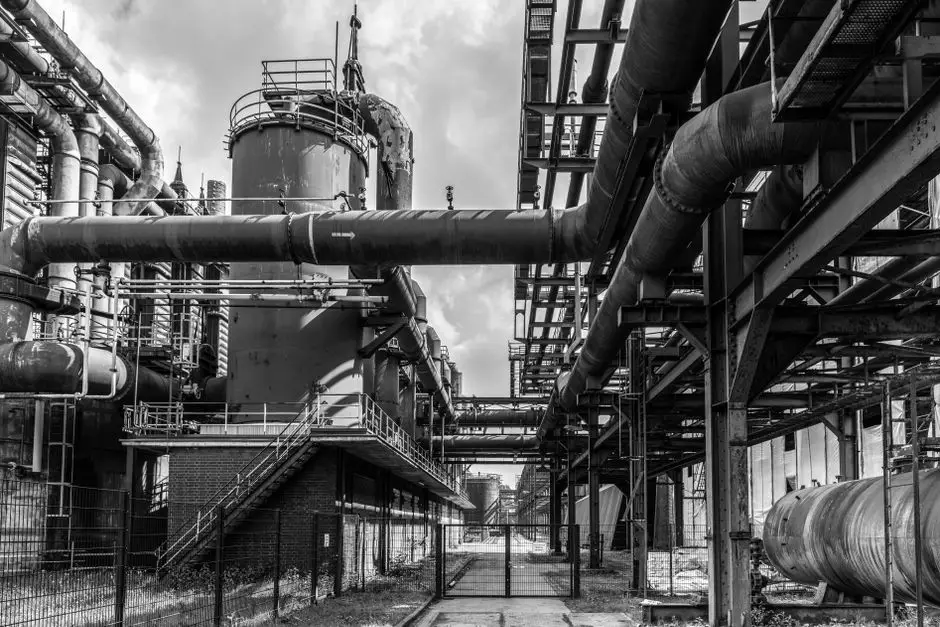
Trade-offs become clear when the two technologies are lined up against the parameters a Jamboree plant engineer must defend to a procurement committee: flow rate, TSS loading, FOG content, grit, footprint, chemical demand, and downstream dewatering. The table below uses operating ranges published in commercial DAF and lamella clarifier catalogs.
| Parameter | DAF (dissolved air flotation) | Lamella / high-rate clarifier |
|---|---|---|
| Primary separation driver | Buoyancy from 30–50 micron micro-bubbles attaching to floc and FOG (Clearwater/SigmaDAF, 2026) | Gravity settling on inclined plates, raising the effective surface loading rate (HydropureWater product catalog, 2026) |
| Target contaminants | FOG, light metal hydroxides, fine colloids, suspended solids with coagulant/flocculant aid (Kemco Systems, 2026) | Heavy grit, coarse ore fines, fast-settling metal precipitates, high-density slurry |
| Typical flow range | 4–300 m³/h across 13 standard models; COMPACT DAF single-skid threshold 66 GPM, two-skid modular above 66 GPM (Clearwater/SigmaDAF, 2026) | Compact inclined-plate footprint sized to surface loading rate of 20–40 m/h (HydropureWater product catalog, 2026) |
| Footprint intensity | Compact vertical separation; COMPACT DAF is a pre-assembled turnkey skid with PLC control (Clearwater/SigmaDAF, 2026) | Compact relative to conventional clarifiers because inclined plates shorten the settling path |
| Sensitivity to FOG | High affinity — FOG is a target, not a problem | Floating FOG can escape a settling tank and is generally a poor influent |
| Sensitivity to heavy grit | Handled by a hydrocyclone or shaker screen upstream of the DAF (Kemco Systems, 2026) | Well suited as a primary stage for grit and high-density slurry |
| Chemical demand | Coagulant + flocculant + pH adjustment standard, dosed via flocculation tubes or mix tanks (Clearwater/SigmaDAF, 2026) | Coagulant + flocculant; lamella designs with sludge recirculation report up to 30% chemical consumption reduction (HydropureWater product catalog, 2026) |
| Downstream dewatering need | Float sludge skimmed and sent to a filter press (Kemco Systems, 2026) | Settled sludge sent to a filter press for volume reduction |
For a Jamboree mining or metals-finishing line, the table shows that the choice is rarely "either/or" — it is usually "which one first, and what is the polish step."
Matching the Technology to Your Jamboree Process Line
Electroplating and metal-finishing rinsewater carries emulsified oils, drawing lubricants, and precipitated metal hydroxides from pH adjustment, and is named in commercial literature as a DAF application (Kemco Systems, 2026). For those lines, a DAF primary step after pH control and coagulant dosing is the standard configuration. Mineral processing and acid mine drainage streams carry a different signature: clays, suspended fines, and fast-settling metal precipitates, where a lamella or high-rate clarifier as the primary stage protects downstream equipment from grit and high-density slurry; DAF is then used only as a polish step if residual FOG or light floc remains. Chemical conditioning matters as much as the equipment choice — coagulant, flocculant, and pH adjustment are standard for both DAF and lamella trains, with mixing achieved through flocculation tubes or mix tanks (Clearwater/SigmaDAF, 2026). Confirming which fraction dominates a specific stream requires a jar test on actual plant water (Clearwater/SigmaDAF, 2026). For a parallel look at how fabricated metals plants in another region structure their pretreatment programs, see the 2026 fabricated metals pretreatment compliance guide.
Sizing, Footprint, and Operating Cost Considerations in 2026
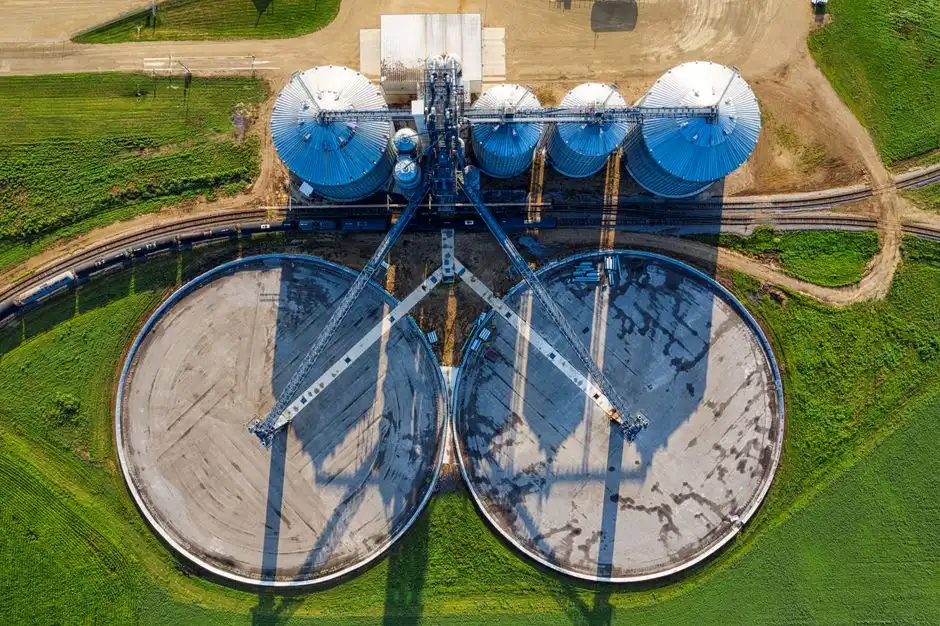
DAF systems are compact relative to hydraulic capacity because separation is vertical (float) rather than horizontal (settle), and the COMPACT DAF format is delivered as a pre-assembled turnkey skid with PLC control for skimmer speed, sludge discharge, and chemical dosing pumps (Clearwater/SigmaDAF, 2026). Lamella clarifiers reach a surface loading rate of 20–40 m/h in a small footprint because the inclined plates shorten the settling path — one of the main reasons they are specified for space-constrained industrial sites (HydropureWater product catalog, 2026). Both technologies produce a sludge stream that almost always needs mechanical dewatering; a filter press for sludge dewatering downstream of either DAF or clarifier substantially reduces waste volume and hauling costs (Kemco Systems, 2026). The 2026 operating-cost levers are polymer dose, pH control chemical consumption (lamella designs with sludge recirculation reduce chemical use by up to 30%), and the energy draw of the DAF recirculation pump and air saturation system (HydropureWater product catalog, 2026). Reliable pH control is a permit-protection requirement, since discharge pH limits vary by region and violations carry fines (Kemco Systems, 2026) — an automatic coagulant and pH dosing skid is the typical hardware.
Decision Framework: Choosing DAF, Clarifier, or Both for a Jamboree Plant
Translate the comparison into a defensible specification with this 2026 selection logic, using the operating ranges published in the commercial sources cited above.
| If the dominant challenge is… | Specify… | Sizing reference |
|---|---|---|
| Floatable FOG, light floc, fine colloids | DAF as primary, sized to the 4–300 m³/h HydropureWater range, with COMPACT DAF skid configuration matched to flow (Clearwater/SigmaDAF, 2026) | Single skid ≤66 GPM; two-skid modular above 66 GPM (Clearwater/SigmaDAF, 2026) |
| Heavy settleable solids, grit, fast-settling metal precipitates | Lamella clarifier as primary, designed to 20–40 m/h surface loading rate | Compact inclined-plate footprint with sludge recirculation (HydropureWater product catalog, 2026) |
| Both fractions present (typical Jamboree mining/metals line) | Lamella clarifier → pH/coagulant conditioning → DAF polish → filter press for sludge dewatering (Kemco Systems, 2026; Clearwater/SigmaDAF, 2026) | Validate the order with jar testing or a pilot on the actual stream |
For most Jamboree mining and metals wastewater streams in 2026, the defensible answer is a lamella clarifier followed by a DAF polish, with pH control and coagulant/flocculant dosing in between and a filter press for sludge dewatering on the sludge line. Always validate the train with on-site jar testing or a pilot — mining and metals streams vary widely, and DAF effectiveness depends on chemical conditioning (Clearwater/SigmaDAF, 2026). The HydropureWater DAF system line covers the 4–300 m³/h range that most plants land in.
Frequently Asked Questions
What budget envelope should a Jamboree plant plan for a DAF or lamella clarifier in 2026?
Defensible budgets require a written quote tied to your flow rate, TSS, and FOG. The sizing inputs to request from any vendor are: peak and average flow in m³/h (or GPM), influent TSS, FOG, and target metals, available footprint, and the desired downstream solids concentration. With those numbers, a vendor can match a HydropureWater DAF system from the 4–300 m³/h range or a HydropureWater lamella clarifier sized to 20–40 m/h and give a binding price.
How do I choose between a single-skid COMPACT DAF and a modular two-skid DAF?
Use the 66 GPM threshold published by the manufacturer: flows of 66 GPM or less are managed with a single COMPACT DAF skid, while larger flows are treated with a modular two-skid system (Clearwater/SigmaDAF, 2026). Beyond the threshold, ask suppliers how the chemical conditioning skid, skimmer, sludge auger, and PLC are split between the two skids and whether the split affects operator workflow. Vendors who answer in terms of the 66 GPM breakpoint and the two-skid layout are working from the published design.
Can a DAF alone meet California POTW metals and TSS limits for a Jamboree mining line?
DAF paired with coagulant and flocculant dosing is a metals-removal step, but no source in the research reviewed ties DAF alone to a specific California POTW metals or TSS number (Kemco Systems, 2026). Confirm compliance by requesting the discharge permit's numeric limits from the local POTW, then verifying with a jar test or pilot on the actual plant stream. For most Jamboree streams the safer train is lamella primary, DAF polish, and a filter press for sludge dewatering downstream.