Why Khulna Rewrites the Standard Blowdown Balance
Mean annual relative humidity across the Khulna division sits between roughly 78% and 85%, which suppresses evaporative cooling efficiency and forces operators to push cycles of concentration higher than dry-climate benchmarks in order to reject the same IT heat load. That decision concentrates blowdown faster and pushes the discharge volume problem downstream. Source water is the second variable. Bay-of-Bengal salinity intrusion during the dry season elevates TDS in the Bhairab, Rupsa, and Passur river intakes that supply Khulna WASA, and BWDB groundwater in the surrounding district carries a documented arsenic envelope that any process draw has to screen out before reuse.
When that intake is concentrated 4–6 times, blowdown routinely lands at 1,200–6,000 mg/L TDS, which puts a Khulna site on the wrong side of Bangladesh DoE Environmental Conservation Rules industrial effluent parameters from day one of operation (S1, 2025-12). The third variable is grid: Bangladesh's captive-diesel dependence and routine load-shedding make the MVC evaporator's 15–25 kWh per 1,000 gallons a real operating cost line that a finance team will challenge, and any tropical blowdown train that ignores it understates the cost of going to ZLD. A comparable South Asian blowdown write-up for the same problem set is in the Novosibirsk tropical-data-center treatment guide.
The Four Wastewater Streams a Khulna Site Produces
A Khulna data center produces four distinct wastewater streams, and treating blowdown in isolation is the most common scoping error on Bangladesh sites. Cooling-tower blowdown is the largest by volume: 25–30% of makeup water at 4 cycles of concentration, carrying TDS of 1,200–6,000 mg/L, suspended solids 10–50 mg/L, residual biocides, scale inhibitors, and corrosion products (S1, 2025-12; S2 field data, 2026). Humidification and process-water polishing reject from RO polishers arrives at 20–30% of feed flow with elevated TDS concentrate that re-enters the waste train. Diesel generator cooling water, floor wash, and humidifier bleed are lower-volume but intermittent, often oily, and cannot be routed to the same membrane system as blowdown without oil-removal pretreatment. Monsoon stormwater contacting outdoor equipment pads is seasonal and high-volume, with suspended solids spikes during the June–September monsoon. Each stream has different chemistry, different peak flow, and different DoE ECR compliance exposure, which is why the four-stream audit should sit in the RFQ scope before vendor selection.
| Stream | Typical fraction of feed / generation pattern | Key quality markers | RFQ implication |
|---|---|---|---|
| Cooling-tower blowdown | 25–30% of makeup at 4 CoC | TDS 1,200–6,000 mg/L; SS 10–50 mg/L; biocides, scale inhibitors, corrosion products | Default target for side-stream filtration + UF + RO train |
| Humidification / process RO reject | 20–30% of feed flow | Elevated TDS concentrate; low oil risk | Can blend with blowdown upstream of RO if chemistry matches |
| DG cooling, floor wash, humidifier bleed | Intermittent, low volume | Often oily, chemical residues | Oil-removal pretreatment before sharing any membrane skid |
| Monsoon stormwater | Seasonal high volume, June–September | SS spikes, possible hydrocarbons from equipment pads | Separate settlement and oil-separator step; not for direct RO feed |
Reuse Targets and Discharge Ceilings for Khulna
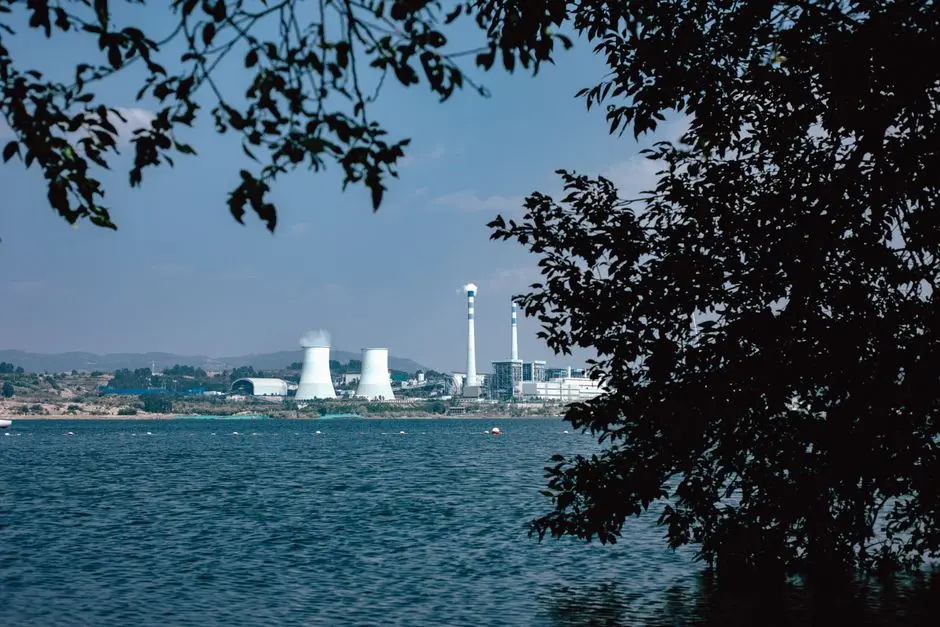
Reuse targets are tighter than discharge targets, and the table below maps every stream to a number an engineer can put in an RFQ before vendor selection. Cooling-tower makeup should land at TDS 500–1,500 mg/L, suspended solids 10–25 mg/L, pH 6.5–8.5, and silica below 150 mg/L to keep scaling risk manageable at 4–6 CoC (S1, 2025-12). Pushing from 4 to 6+ CoC cuts blowdown volume but raises scaling risk and drives blowdown TDS toward the 6,000 mg/L upper bound cited in S1 (2025-12). Bangladesh DoE ECR industrial effluent parameters set the binding TDS, chloride, and sulfate ceilings for any stream leaving the site, and the Sundarbans-ward watershed adds an extra sensitivity envelope that effectively tightens local discharge permits. Direct discharge fees in water-stressed basins run $5–15 per 1,000 gallons (S1, 2025-12), which makes the reuse case largely about avoided discharge cost plus avoided freshwater purchases, not about a sustainability premium.
| Parameter | Cooling-tower makeup reuse target | DoE ECR industrial effluent ceiling (illustrative) | ZLD output (distillate / solid) |
|---|---|---|---|
| TDS (mg/L) | 500–1,500 | Site-specific; often aligned to inland-surface-water class | <10 (distillate); solid cake for disposal |
| Suspended solids (mg/L) | 10–25 | Site-specific | Negligible (distillate) |
| pH | 6.5–8.5 | 6.0–9.0 typical | Neutral (distillate) |
| Silica (mg/L, as SiO₂) | <150 | Site-specific | <1 (distillate) |
| Chloride / sulfate | Controlled to avoid tower corrosion | DoE ECR ceiling | Concentrated in brine / cake |
Four Treatment Trains, Ranked for Khulna Conditions
Four realistic trains cover the range from minimum compliance to full ZLD based on site water stress, permit stringency, and CapEx appetite. Option 1 — side-stream filtration only — uses a 10–25 micron self-cleaning filter on 1–5% of circulation flow, holds blowdown suspended solids below 15 mg/L, and enables higher CoC without reducing TDS; capital runs $50,000–200,000 for typical data center flow rates (S1, 2025-12), and this is the minimum train for any Khulna site drawing from Khulna WASA but does not by itself solve a DoE ECR TDS exceedance. Option 2 — UF + BWRO — is the default Khulna train: a HydropureWater hollow-fiber UF skid ahead of an industrial reverse osmosis system, recovering 50–85% of blowdown at 10–50 mg/L TDS permeate, with operating cost of $1.50–$3.00 per 1,000 gallons (S1, 2025-12; S2, 2026). Option 3 — UF + BWRO + NF polish — targets sites where hardness rather than total TDS is the binding constraint; NF recovery sits at 70–85% and the NF permeate blends with RO permeate to raise overall reuse volume. Option 4 — UF + BWRO + MVC brine concentrator — is the ZLD path: 95–98% recovery, distillate below 10 mg/L TDS, 15–25 kWh per 1,000 gallons (S1, 2025-12), justified when Sundarbans-ward discharge is restricted or when a hyperscale tenant contractually requires zero liquid discharge. Capital and operating cost bands for ZLD overlays are $3–8 million and $5–15 per 1,000 gallons treated (S1, 2025-12), so grid reliability and captive-diesel power cost must enter the decision before the MVC scope is signed. The framework for choosing between these trains is in the ZLD process and technology buyer's guide.
| Option | Train | Recovery | Permeate / distillate TDS | CapEx band | OpEx band |
|---|---|---|---|---|---|
| 1 | Side-stream filtration (10–25 µm) | No volume reduction; enables higher CoC | Unchanged | $50,000–$200,000 | Minimal (solids disposal, maintenance) |
| 2 | UF + BWRO | 50–85% | 10–50 mg/L | $250,000–$500,000 (50,000 GPD) | $1.50–$3.00 per 1,000 gal |
| 3 | UF + BWRO + NF polish | 70–85% NF; permeate blend | 30–50% of feed (NF); 10–50 mg/L (RO) | Above Option 2 | Above Option 2 |
| 4 | UF + BWRO + MVC (ZLD) | 95–98% | <10 mg/L distillate | $3–8 million (overlay) | $5–$15 per 1,000 gal treated |
Pretreatment and Antifouling for Warm, Saline Khulna Loop Water
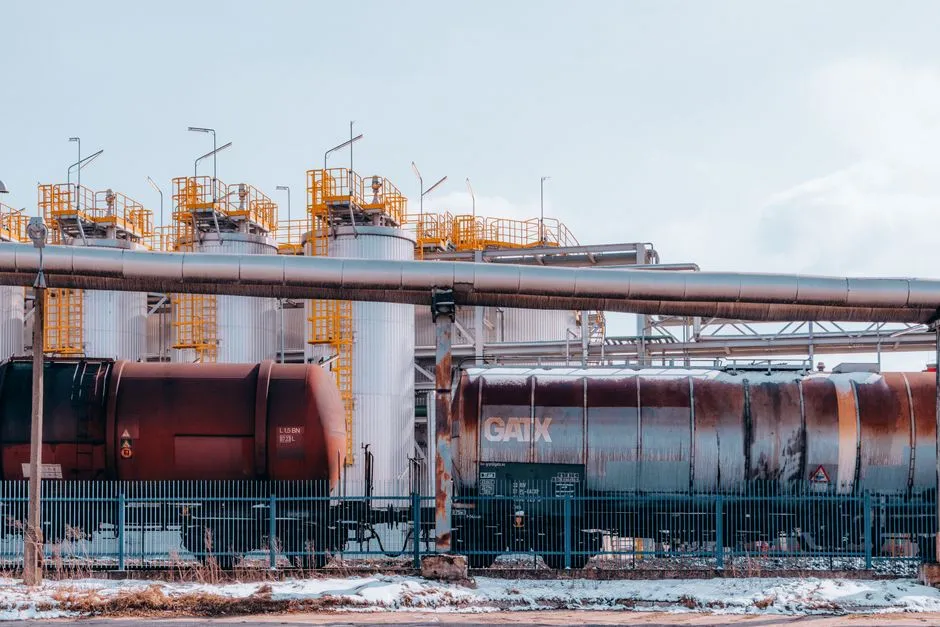
Membrane fouling is the dominant failure mode on Khulna sites because the loop water sits warm and biologically active through most of the year. Self-cleaning side-stream filtration at 10–25 micron keeps blowdown suspended solids below 15 mg/L before the UF pretreatment skid (S1, 2025-12; S2, 2026). A PLC-controlled antiscalant dosing skid programmed for silica and calcium sulfate is what pushes recovery toward 85% — conventional BWRO caps at 75–80% before scaling becomes unmanageable (S5 commenter, 2025), and Khulna's silica-bearing surface water sits right on that limit. Bio-organic flocculant dosing aggregates colloidal solids and biofilm fragments that bypass conventional filtration, which is a real problem in 28–32°C loop water. On-site disinfection with a chemical-free UV sterilizer or chlorine dioxide controls planktonic bacteria and biofilm precursors in the warm loop without adding residuals that would accumulate at high CoC. Skipping any one of these four steps is what drives membrane replacement intervals from 3–5 years down to 12–18 months in tropical service.
CapEx, OpEx, and ROI for a Khulna Hyperscale Build
A defensible CapEx/OpEx case for a Khulna hyperscale build sits in a narrow band. An RO train sized at 50,000 GPD runs $250,000–$500,000 CapEx and $1.50–$3.00 per 1,000 gallons OpEx (S1, 2025-12; S2, 2026). A ZLD overlay adds $3–8 million CapEx and $5–15 per 1,000 gallons OpEx (S1, 2025-12), so the payback calculation must price in captive-diesel power, not grid tariffs alone — that single line item is what moves a Khulna ZLD decision from "marginal" to "not yet" for most sites. Avoided Khulna WASA industrial water purchases plus avoided $5–15 per 1,000 gallons discharge fees (S1, 2025-12) recover RO-only CapEx in roughly 3–5 years at hyperscale volumes. Air-only or closed-loop propylene glycol cooling at 45°C supply drops facility water use to near zero and removes blowdown from the problem statement entirely — a viable alternative where grid power and PUE targets allow (S5 commenter, 2025). The same trade-off is mapped for a colder-climate retrofit in the Novosibirsk 2026 retrofit case.
Compliance, ESG, and WUE Reporting for Khulna
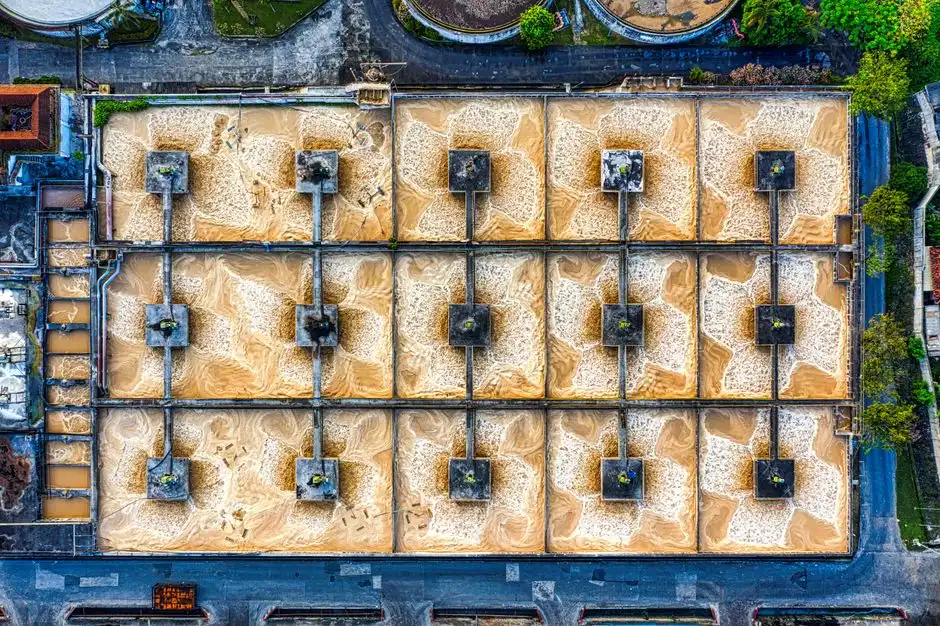
The binding instruments for a Khulna site are Bangladesh DoE Environmental Conservation Rules for industrial effluent quality, BWDB clearance for any surface-water intake, and DoE/Sundarbans clearance for sites discharging toward the Sundarbans-ward watershed. The Climate Neutral Data Centre Pact 2025 caps WUE at 0.4 L/kWh for new potable-fed data centers in water-stressed basins from 1 January 2025 (S5, 2025), which 60–85% blowdown recovery directly supports. Peak blowdown rates of 0.03–0.17 L/s per MW (S5 citing Müller et al., 2024) — up to 20 L/s for a medium Khulna site at peak IT load — should be confirmed against Khulna WASA sewer capacity before final design. A documented side-stream filtration + UF + RO train protects Scope 3 water withdrawal figures under CDP and IFRS S2 reporting, and the same ESG structure is mapped against an Indian hyperscale retrofit in the Ludhiana 2026 guide.
Frequently Asked Questions
What CapEx band should a Khulna hyperscale site expect for a baseline blowdown train in 2026?
A 50,000 GPD UF + BWRO train sits in the $250,000–$500,000 CapEx band with $1.50–$3.00 per 1,000 gallons OpEx (S1, 2025-12; S2, 2026). A ZLD overlay adds $3–8 million CapEx and $5–$15 per 1,000 gallons OpEx (S1, 2025-12). Request an itemized CapEx split between skids, civil works, and captive-power integration so captive-diesel cost is visible before sign-off.
How do I choose between a UF + BWRO train and a full ZLD train in Khulna?
Default to UF + BWRO unless Sundarbans-ward discharge is restricted or a hyperscale tenant contractually requires zero liquid discharge. MVC becomes justified only under one of those two conditions because the 15–25 kWh per 1,000 gallons energy load must be priced against Bangladesh grid reliability and captive-diesel cost. Ask the supplier for a grid-tariff-vs-captive-diesel OpEx sensitivity in writing before committing to the ZLD scope.
What compliance documents should I request from a Khulna blowdown supplier before PO?
Request a written statement of compliance with Bangladesh DoE Environmental Conservation Rules industrial effluent parameters, BWDB intake-clearance documentation for any surface-water draw, and a Sundarbans-ward discharge envelope assessment if the site falls inside the watershed. Also ask for a WUE calculation aligned to the Climate Neutral Data Centre Pact 2025 cap of 0.4 L/kWh (S5, 2025).
Can a Khulna data center avoid blowdown treatment entirely by going air-cooled?
Yes, where grid power and PUE targets allow. Air-only or closed-loop propylene glycol dry-cooling at 45°C supply drops facility water use to near zero and removes blowdown from the problem statement entirely (S5 commenter, 2025). The trade-off is a higher PUE penalty versus water-side cooling, so the decision belongs in the finance team's PUE-versus-CapEx case, not in the wastewater scope alone.
Related Equipment
- HydropureWater hollow-fiber UF skid — specifications, capacity range, and technical data