
Why a Novosibirsk Data Center Has a Specific Water Problem
Novosibirsk's sub-continental climate forces a non-generic water treatment design. Long, very cold winters enable free-air and adiabatic hybrid cooling, which suppresses blowdown volume; the same temperatures freeze outdoor basins, evaporation ponds and inadequately protected side-stream skids, so any outdoor treatment equipment must be winterized, heat-traced or moved indoors (KETOS, on closed-loop water consumption). Makeup water is typically drawn from the Ob River system or the Vodokanal of Novosibirsk municipal supply, and Ob water has pronounced seasonal swings in turbidity, organic load and temperature that the pretreatment train has to absorb without producing a discharge stream that fails the local sewer tariff.
Russian Federation water use and discharge are governed by the Water Code and enforced through Rosprirodnadzor permits; any blowdown sent to sewer must also pass the local Vodokanal's quality conditions, which is why a reuse-first design usually beats a discharge-compliance design. The combination of Siberian winter, Ob-basin feed water and federal-regional dual permitting is what separates a Novosibirsk spec from a generic blowdown article.
Cooling-Tower Mass Balance for a Representative 5–10 MW Campus
Industry data put evaporative loss at 70–80% of makeup water and blowdown at 20–30%, with the balance as drift and leaks (KETOS). At 4 cycles of concentration roughly 25–30% of makeup becomes blowdown; pushing to 5–6 cycles cuts that share but raises blowdown TDS into the upper end of the 1,200–6,000 mg/L range reported for data center blowdown (Genesis Water Tech). Industry-average WUE sits around 1.8 L/kWh with a 1–9 L/kWh spread across sites; a 5 MW IT load at 1.5 L/kWh implies on the order of 150 m³/day of evaporation, which sets the scale of the liquid stream the treatment train has to handle. In Siberian winter, hybrid/adiabatic operation can drop blowdown to a small fraction of summer values, so seasonal storage or variable-capacity treatment is worth specifying rather than designing only for the warm-season peak. The numbers below are illustrative ranges for a 5–10 MW evaporative campus and should be re-checked against the specific site's IT load, PUE and cooling topology.
| Parameter | Typical value (evaporative campus) | Source |
|---|---|---|
| Evaporative loss / makeup | 70–80% | KETOS |
| Blowdown / makeup at 4 COC | 25–30% | Genesis Water Tech |
| Blowdown TDS range | 1,200–6,000 mg/L | Genesis Water Tech |
| Industry-average WUE | ~1.8 L/kWh (range 1–9 L/kWh) | KETOS |
| Evaporation at 5 MW, 1.5 L/kWh | ~150 m³/day (order of magnitude) | Derived from KETOS WUE range |
Blowdown Characterization: What Is Actually in the Stream
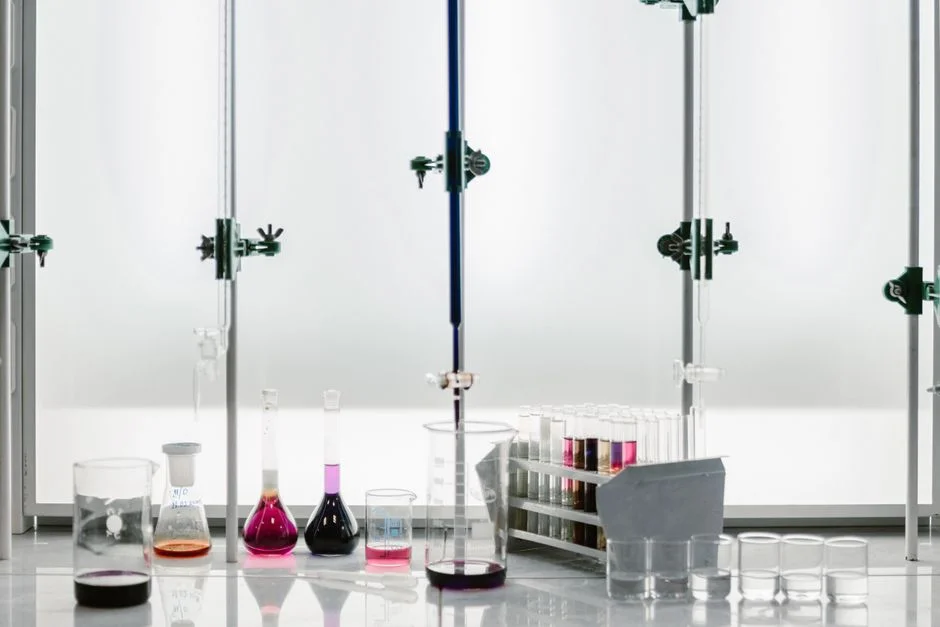
Blowdown TDS is typically 4–8× the makeup water, ranging 1,200–6,000 mg/L depending on cycles of concentration and source-water quality (Genesis Water Tech). Scaling minerals — calcium, magnesium, silica and alkalinity — accumulate with cycles and create precipitation risk inside any downstream membrane or heat-recovery step. Suspended solids sit at 10–50 mg/L, drawn from corrosion products, biofilm fragments and airborne dust, and treatment-chemistry residuals (biocides, scale and corrosion inhibitors, dispersants) build up in parallel. Legacy chromate or high-phosphate programs are a particular reuse and discharge risk and should be retired before a reuse train is commissioned (Genesis Water Tech). Some jurisdictions already cap discharge TDS below 1,500 mg/L and charge $5–15 per thousand gallons in water-stressed regions, so even where Russian norms are less prescriptive the operator should design for tightening limits (Genesis Water Tech). Biological content — planktonic bacteria, algae and biofilm fragments — is unavoidable and must be addressed before any membrane step, which is why side-stream filtration and UF sit upstream of any RO unit.
Core Treatment Train: Side-Stream Filtration, UF and RO
Side-stream filtration treats 1–5% of circulation flow through 10–25 μm self-cleaning spiral screens; it cuts suspended solids in the recirculating loop and therefore in blowdown, lets the system run higher cycles of concentration and protects downstream membranes, with typical installed cost in the $50,000–200,000 range for a data center (Genesis Water Tech). Ultrafiltration is the standard RO pretreatment: hollow-fiber UF pretreatment skid running 0.01–0.1 μm PVDF membranes at 10–30 psi, 90–95% recovery, permeate-backwashed, with chemical cleaning every 1–3 months. Reverse osmosis is the workhorse — 95–99% dissolved-solids removal, permeate 10–50 mg/L TDS, recovery 50–85% (limited by scaling as concentrate TDS rises), operating pressure 150–400 psi; a 50,000 GPD blowdown RO system installs for $250,000–500,000 with OPEX of $1.50–3.00/kgal including energy, antiscalant, membrane replacement and maintenance (Genesis Water Tech). Nanofiltration is the right pick when the limit is hardness or sulfate rather than total TDS — 75–150 psi, 70–85% recovery, permeate at roughly 30–50% of feed TDS, often enough to push cycles of concentration higher without committing to full RO. Pretreatment discipline matters: feed must be filtered to under 10–15 μm, antiscalant-dosed and pH-conditioned, with chemical compatibility checked between the cooling-water program and the membrane system, which is where a PLC-controlled antiscalant and biocide dosing skid ties the chemistry train to the membrane train.
| Step | Pore / cut-off | Recovery | Operating pressure | Permeate / function | Indicative cost |
|---|---|---|---|---|---|
| Side-stream screen | 10–25 μm | 1–5% of circ. flow | Gravity / low head | Reduces SS in blowdown | $50,000–200,000 installed (Genesis Water Tech) |
| UF (PVDF) | 0.01–0.1 μm | 90–95% | 10–30 psi | RO protection; bacteria/colloids removed | Site-specific (not quoted) |
| NF | ~200–800 Da | 70–85% | 75–150 psi | Permeate ~30–50% of feed TDS; hardness/sulfate cut | Site-specific (not quoted) |
| RO | 0.0001 μm | 50–85% | 150–400 psi | Permeate 10–50 mg/L TDS; 95–99% rejection | $250,000–500,000 installed for 50,000 GPD; OPEX $1.50–3.00/kgal (Genesis Water Tech) |
When the Site Forces a Concentrate Solution: MVC, ZLD and Hybrid Paths
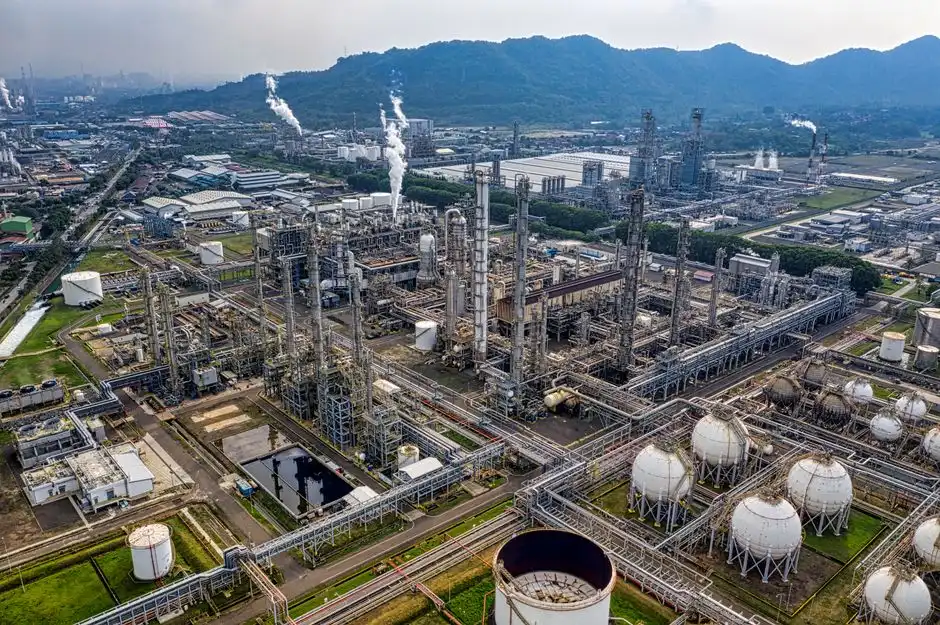
Mechanical vapor compression takes RO concentrate from ~50–75% recovery to 95–98% recovery, producing distillate below 10 mg/L TDS; a 10,000–30,000 GPD unit costs $1–3M and uses 15–25 kWh per 1,000 US gallons of distillate (Genesis Water Tech). A typical RO + MVC train achieves 85–95% overall water recovery with only a small brine stream for disposal, and is the most common stepping stone before full ZLD. Full ZLD combines RO concentration, evaporative concentration, and a crystallizer to produce solid salt cake; it reaches 95–99% overall recovery but at $3–8M CAPEX and $5–15/kgal OPEX, so it is justified mainly where discharge is not permitted or water is genuinely scarce (Genesis Water Tech). In Siberia, low ambient temperatures reduce natural-evaporation rates for solar ponds, so any ZLD scheme should plan for a thermal step rather than relying on evaporation ponds; conversely, abundant district-heating return lines or CHP waste heat can offset MVC energy use. Selection between the three paths is a function of the discharge permit, the cost of Ob/Vodokanal makeup, and the cost of sewer capacity at the Vodokanal tariff.
| Option | Function | Recovery | Indicative CAPEX | Indicative OPEX | Source |
|---|---|---|---|---|---|
| MVC (10,000–30,000 GPD) | Concentrates RO brine; distillate <10 mg/L TDS | 95–98% on concentrate | $1–3M | 15–25 kWh / 1,000 US gal distillate | Genesis Water Tech |
| RO + MVC train | Combined reuse train | 85–95% overall | Not quoted as bundle | Not quoted as bundle | Genesis Water Tech |
| Full ZLD (RO + evap. + crystallizer) | No liquid discharge; solid salt cake | 95–99% overall | $3–8M | $5–15/kgal | Genesis Water Tech |
Cooling-Water Chemistry That Makes Reuse Possible
The blowdown train only works if the upstream cooling-water program is compatible with it. Tablet-based, non-phosphate, low-toxicity cooling-water programs (controlled-dissolution biocide plus scale and corrosion packages) reduce the chemical load that accumulates in blowdown and would otherwise interfere with membrane treatment, and they line up better with both the Rosprirodnadzor permit and a Vodokanal discharge agreement (Genesis Water Tech). RO permeate returning to the cooling tower as makeup is much purer than typical municipal supply (10–50 mg/L TDS), which lets the operator tune cycles of concentration and chemistry independently of incoming water-quality swings from the Ob or the Vodokanal. Legacy chromate or high-phosphate programs should be retired before any reuse train is commissioned, because those species are both a membrane-fouling risk and a discharge-permit risk; a PLC-controlled antiscalant and biocide dosing skid is the practical way to hold the new chemistry in spec. The cooling-water specification and the membrane specification should be reviewed together, not in sequence, because the chemistry chosen upstream sets the fouling rate and cleaning interval downstream.
Novosibirsk Siting, Permitting and Project Checklist
Confirm the source first: Vodokanal of Novosibirsk municipal supply, Ob River intake with appropriate intake works, or a hybrid — each path has different pretreatment implications and a different permitting route under the Water Code. Map the discharge path next: on-site ZLD, sewer to Vodokanal under a discharge agreement, or reuse for landscape and equipment washdown; each path implies a different technology line and a different permit package from Rosprirodnadzor and the regional environmental authority. Specify winterization explicitly: housing for side-stream screens, heat-traced RO concentrate lines, indoor or buried RO skids, and contingency for sub-zero start-up after a power outage are not optional in a Novosibirsk winter. Plan seasonal operation: smaller blowdown volumes in deep winter allow partial shutdown or bypass of MVC and ZLD stages, which materially improves annual OPEX, and that seasonal-mode logic should be written into the controls narrative from day one. The cross-reference for a full ZLD process and technology guide is useful when the decision tips toward on-site ZLD rather than sewer discharge; the parallel data-center blowdown guide for a hot-climate site is useful only as a contrast case for free-cooling economics, not as a direct template.
Frequently Asked Questions
What budget envelope should we plan for the blowdown reuse train on a 5–10 MW Novosibirsk site?
For the core reuse line, plan on a side-stream screen in the $50,000–200,000 installed range, an industrial RO unit for blowdown reuse at $250,000–500,000 installed for a 50,000 GPD skid with OPEX of $1.50–3.00 per thousand gallons treated, plus site-specific civil and winterization costs (Genesis Water Tech). MVC adds $1–3M and full ZLD adds $3–8M with $5–15/kgal OPEX, so the budget decision is really a discharge-versus-reuse decision rather than a single equipment line item (Genesis Water Tech). Request a site-specific mass balance and a Vodokanal tariff letter before locking numbers.
How do we choose between a reuse train and a discharge-compliance train under Russian rules?
Choose reuse when the Rosprirodnadzor permit, the Vodokanal discharge agreement, or both restrict TDS, phosphorus or biocide residuals, and when Ob-basin makeup is constrained or tariffed; the Genesis Water Tech source notes that some jurisdictions already cap discharge TDS below 1,500 mg/L and charge $5–15 per thousand gallons in water-stressed regions, which mirrors the same pressure a Novosibirsk operator should plan for. Choose discharge-compliance only when the Vodokanal will accept the treated stream at a known tariff and the site cannot justify MVC or ZLD CAPEX. Request the draft Rosprirodnadzor permit limits and the Vodokanal sewer tariff as the two inputs that decide the path.
How does Siberian winter change the technology shortlist versus a generic blowdown article?
Winter enables free-air and adiabatic hybrid cooling, which suppresses blowdown volume and makes variable-capacity treatment attractive, but it also forces housing, heat-tracing and cold-start provisions on every outdoor skid; a generic blowdown specification omits these and will fail an EPC review in Novosibirsk. Low ambient temperatures also kill the economics of solar evaporation ponds, pushing any ZLD scheme toward a thermal step such as MVC, while district-heating or CHP waste heat can offset that energy load.
What supplier and lead-time risks should procurement flag for a Novosibirsk build?
Lead-time risk is concentrated in the RO membranes, the MVC skid and the cold-weather mechanical packages; check that membrane and MVC vendors have documented cold-climate references, and confirm that side-stream screens, dosing skids and concentrate piping are rated for the site's minimum temperature with heat-tracing already engineered in. Ask each bidder for a documented cold-start procedure, a winterization bill of materials, and a Russian-language O&M package, and tie those to the contract rather than treating them as commercial extras.
Related Equipment
- hollow-fiber UF pretreatment skid — specifications, capacity range, and technical data
- industrial RO unit for blowdown reuse — specifications, capacity range, and technical data
- PLC-controlled antiscalant and biocide dosing — specifications, capacity range, and technical data