Why BOD Removal Method Choice Matters in 2026
BOD removal methods fall into three families — biological, physical/clarification, and chemical — and the most effective industrial trains combine them. A 2025 peer-reviewed study (MDPI, Water 17(3):318) showed dosing 40% ferric chloride in a biological WWTP raised BOD removal efficiency to above 90% with a statistically significant effect. A 2026 vendor case (bioprocessh2o) reports a single-stage MBBR retrofit at a pulp and paper mill cut carbonaceous BOD by over 75%. Choice depends on influent BOD range, BOD:COD ratio, flow variability, footprint, and target discharge limit rather than on any single technology being universally best.
Biochemical oxygen demand (BOD) measures the milligrams of dissolved oxygen aerobic microorganisms consume per liter of wastewater to break down biodegradable organic matter over a standard five-day incubation period (BOD5). Uncontrolled high effluent BOD discharges consume dissolved oxygen in receiving rivers and municipal sewer infrastructure, leading to septic conditions, fish kills, and severe regulatory surcharges. Industrial effluent treatment trains rely on three core physical-chemical-biological wastewater treatment pathways to achieve biochemical oxygen demand reduction before discharge.
Selecting the optimal unit operations requires evaluating specific influent characteristics rather than generic vendor efficiency claims. Key design criteria include:
- Influent BOD Concentration: High-strength streams (>1,000 mg/L) require distinct preliminary loading stages compared to dilute industrial flows.
- BOD:COD Ratio: Serves as the primary indicator of wastewater biodegradability; ratios above 0.5 favor biological systems, whereas ratios below 0.3 indicate refractory organic matter requiring chemical oxidation or physical removal.
- Hydraulic and Organic Load Variability: Flow surges and batch production discharges can wash out attached growth vs suspended growth biomass if balancing tanks are under-sized.
- Footprint Restrictions: Urban and brownfield manufacturing facilities often pay a premium for compact attached growth or membrane separation systems.
- Sludge Generation: Compare waste activated sludge yield across processes. Biological systems convert organics into biomass, which must then be thickened, dewatered, and disposed of; high-rate systems like DAF produce a denser float that may dewater more easily but still require downstream handling.
- Target Effluent Quality: A 30 mg/L BOD discharge ceiling is a fundamentally different design problem than a 250 mg/L ceiling, and influences whether simple activated sludge, an MBBR polishing stage, or a membrane bioreactor is the right workhorse.
- Energy and Chemical Footprint: Aeration intensity, polymer demand, and coagulant consumption all affect operating cost, and should be evaluated as lifecycle cost, not as line-item operating cost.
One of the most common design mistakes in 2025-2026 industrial retrofits is selecting a biological process as the sole treatment step for streams whose BOD:COD ratio indicates poor biodegradability. When the ratio sits below 0.3, even a well-operated activated sludge basin struggles to meet a 30 mg/L BOD ceiling because the residual COD is largely non-degradable. In that situation, the correct response is to add an upstream chemical precipitation step (such as ferric chloride coagulation) or a polishing stage such as ozonation, not to oversize the aeration tank. The MDPI 2025 ferric chloride study is illustrative: it was the chemical dose, not biological intensification, that pushed removal above 90%.
A second common mistake is treating the BOD5 number as a complete picture of biodegradability. BOD5 captures only the five-day window; slowly biodegradable compounds can register as BOD5-compliant while still exerting long-term oxygen demand in the receiving environment. Engineers evaluating a new BOD removal train in 2026 should therefore request BOD5, BOD7, and ultimate BOD (BODu) data, and should weigh in whether the local regulator tracks carbonaceous BOD, total BOD, or both. This is a procurement conversation, not just a laboratory one — vendors offering only BOD5 removal curves may not be able to defend a process against a regulator that audits long-term oxygen demand.
Related Equipment
- HydropureWater MBR membrane bioreactor — specifications, capacity range, and technical data
- HydropureWater DAF system — specifications, capacity range, and technical data
- HydropureWater DF series MBR module — specifications, capacity range, and technical data
- HydropureWater PLC-controlled chemical dosing skid — specifications, capacity range, and technical data
Further Reading
- MBBR for Pulp and Paper Wastewater Design: 2026 Engineering Guide
- MBR vs Conventional Activated Sludge for Chemicals Wastewater in Lynchburg, US (2026 Guide)
- Slaughterhouse Wastewater Treatment Solution: 2026 Process Guide
What Are the Main BOD Removal Methods Used in Industrial Wastewater?
Industrial plants use three families of BOD removal methods — biological treatment, physical/clarification processes, and chemical treatment — often combined in a single treatment train to meet stringent effluent standards.
Biological treatment uses microorganisms to metabolize dissolved and suspended organics into carbon dioxide, water, and new biomass. The dominant 2026 configurations are activated sludge (CAS and its variants such as sequencing batch reactors), moving bed biofilm reactors (MBBR), and membrane bioreactors (MBR). Each operates on a different retention principle: CAS suspends biomass in mixed liquor, MBBR grows biomass on free-floating plastic carriers, and MBR couples a suspended biomass basin with ultrafiltration membranes that retain both biomass and high-molecular-weight organics. The MDPI 2025 study describes a chemical-assisted biological configuration in which ferric chloride is dosed into a biological WWTP, and a 2026 vendor case (bioprocessh2o) describes a single-stage MBBR retrofit at a pulp and paper mill.
Physical/clarification methods rely on gravity, buoyancy, or membrane separation rather than on biological activity. The workhorse options are primary clarifiers, dissolved air flotation (DAF), and membrane separation steps such as ultrafiltration. These processes are effective on suspended organics and on oil and grease, but they do not destroy dissolved BOD; they merely transfer it into a sludge phase that must be dewatered and disposed of. As a result, physical processes are almost always paired with a downstream biological or chemical step in an industrial BOD removal train.
Chemical treatment uses coagulants, flocculants, oxidants, or advanced oxidation to convert or precipitate organic matter. Common reagents include ferric chloride, aluminum-based coagulants, lime, ozone, Fenton's reagent, and peroxide. The MDPI 2025 study is a clean illustration: dosing 40% ferric chloride in a biological WWTP raised BOD removal efficiency to above 90% with a statistically significant effect. Chemical methods are most useful when the BOD is partly refractory, when the biological basin is overloaded, or when a plant needs to recover compliance quickly while planning a longer-term biological upgrade.
When evaluating options, treat the three families as complementary rather than competing. A typical 2026 industrial train that targets a 30 mg/L BOD ceiling might combine equalization, DAF for oil and suspended solids removal, an MBBR or MBR for the bulk dissolved BOD, and chemical polishing (ferric coagulation or ozone) for the residual refractory fraction. Plants that try to remove all BOD with a single stage — for example, using only DAF, or only chemical precipitation — tend to oversize equipment, overspend on reagents, and still miss the discharge limit.
A practical procurement question to raise with any vendor at this stage is which removal mechanism their quoted efficiency actually relies on. A DAF unit sized to remove 70% of influent BOD on a food-processing stream is doing it by floating suspended solids, not by metabolizing dissolved organics; if the same vendor quotes 70% removal on a chemical-pharmaceutical stream with mostly dissolved BOD, the design assumption is wrong. Always ask for the supporting pilot data, and ask whether the data covers the same BOD:COD ratio and the same influent range as your plant.
How Does Biological BOD Treatment Work and When Should You Use It?
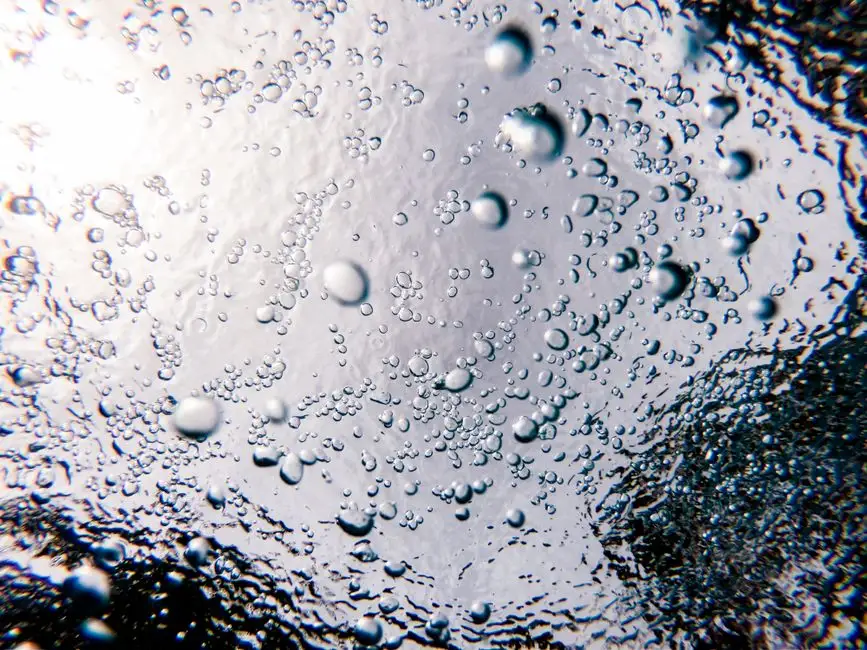
Biological BOD treatment uses aerobic, anoxic, or anaerobic microorganisms to convert biodegradable organics into carbon dioxide, water, and new biomass. It is the workhorse of industrial BOD reduction whenever the influent BOD:COD ratio is roughly 0.3 or higher, because biological conversion is far cheaper per kilogram of BOD removed than chemical or membrane polishing at scale.
Aerobic processes dominate industrial BOD removal because they are fast, predictable, and tolerant of variable loads. The four common configurations to evaluate are:
- Conventional Activated Sludge (CAS): A suspended-growth basin with a clarifier returning biomass. Proven at municipal and large industrial scale; vulnerable to bulking and to washout from hydraulic surges.
- Sequencing Batch Reactor (SBR): A time-based fill-react-settle-decant cycle in a single tank. Fits batch-producing facilities (specialty chemicals, pharmaceuticals) where flow arrives in discrete slugs rather than a steady stream.
- Moving Bed Biofilm Reactor (MBBR): Biomass grows on free-floating plastic carriers in an aerated basin. The 2026 bioprocessh2o pulp and paper case describes a single-stage MBBR retrofit that cut carbonaceous BOD by over 75% in an existing footprint.
- Membrane Bioreactor (MBR): Combines a suspended biomass basin with ultrafiltration membranes, producing a very high-quality effluent suitable for direct reuse or for polishing before discharge. Carries higher capital and membrane-replacement cost than CAS or MBBR.
Anoxic and anaerobic stages are usually added upstream or downstream of the aerobic basin. Anoxic zones (no free oxygen, but nitrate present) drive denitrification and remove a portion of the carbonaceous BOD; anaerobic zones (no oxygen, no nitrate) are used in high-strength streams to generate biogas while reducing BOD, but they need a downstream aerobic polishing stage to meet a 30 mg/L effluent ceiling. The decision tree is roughly: if your influent BOD is high (for example, a food or brewery waste above several thousand mg/L), look at anaerobic + aerobic; if it is moderate and your discharge limit is tight, look at aerobic + membrane or aerobic + chemical polishing.
The MDPI 2025 study is also instructive on the boundary of what biological treatment can do alone. Even in a well-operated biological WWTP, simply adding a chemical step raised BOD removal above 90% with a statistically significant effect. This is consistent with the practical experience of engineers designing industrial trains: biological treatment handles the biodegradable fraction, and a chemical or membrane polish handles the rest. Buying a larger aeration basin to chase a tighter discharge limit is rarely the lowest-cost path once the BOD:COD ratio falls below 0.5.
When sizing biological BOD removal, the key procurement checks are: influent BOD5 and BOD:COD ratio over a representative 30-day window; peak hourly and peak daily flow with the corresponding peak BOD load; temperature profile of the wastewater (cold streams slow biological kinetics and may require covered tanks or extended aeration); and any inhibitory compounds in the stream (phenols, cyanides, high ammonia, solvents) that would suppress biomass. Without these inputs, vendor sizing is essentially a guess, and a guess in 2026 generally means either an overspec'd tank that wastes capital or an underspec'd tank that fails the discharge test.
What Physical and Clarification Methods Are Used for BOD Reduction?
Physical and clarification methods for BOD reduction rely on gravity settling, dissolved air flotation, or membrane separation to remove suspended and colloidal organics. They rarely destroy dissolved BOD, so they are typically used as a front-end or polishing step rather than as a stand-alone BOD removal technology.
Primary clarifiers are the oldest and simplest option. They let settleable solids drop out of the flow under quiescent conditions, removing a fraction of particulate BOD in the process. In industrial service, primary clarifiers are still common in food, pulp and paper, and refinery service, but they are sensitive to hydraulic surges and to fine suspended solids, and they will not touch dissolved BOD at all.
Dissolved air flotation (DAF) is the workhorse for industrial streams with high oil and grease or with fine, low-density particulates. In a DAF unit, micro-bubbles attach to suspended matter and float it to the surface as a concentrated sludge layer. DAFs are widely used in food, dairy, slaughterhouse, and petrochemical service, and they pair well with chemical coagulation because the float captures both precipitated organics and suspended solids in a single step. As a BOD removal step, a DAF is most effective when the target organics are attached to suspended solids; on a stream of mostly dissolved BOD, a DAF will not deliver meaningful BOD reduction on its own.
Membrane separation — microfiltration, ultrafiltration, nanofiltration, and reverse osmosis — provides a physical barrier to suspended and dissolved organics. In an industrial BOD removal train, ultrafiltration is most often seen inside an MBR (covered in the biological section), and reverse osmosis is seen as a final reuse or zero-liquid-discharge polish. Stand-alone membrane steps for BOD removal are uncommon because the fouling load and energy cost of running a membrane on raw industrial wastewater is usually uneconomic, but they appear as polishing steps in pharmaceutical and electronics wastewater trains where reuse water quality is a hard constraint.
Physical/clarification methods also play a role in sludge handling, which is the back end of every BOD removal train. The sludge floated off a DAF, settled in a clarifier, or wasted from an MBR has to be thickened and dewatered before disposal. Sludge handling does not change the effluent BOD, but it determines whether the rest of the plant is operable. A BOD removal train that produces an unmanageable sludge volume is, in practice, a failed design.
For a procurement review of physical and clarification methods, the qualitative checks are: characterization of the suspended fraction (settleable, floatable, colloidal, emulsified) of your influent BOD; oil and grease loading if relevant; variability of the suspended load across the production week; and whether the downstream biological or chemical step can accept the residual dissolved BOD after the physical stage. A common design error is to size a DAF as if it were a biological reactor — DAFs remove suspended BOD, not dissolved BOD, and a vendor that quotes 80% BOD removal on a DAF for a pharmaceutical stream is almost certainly conflating the two.
How Does Chemical Treatment Improve BOD Removal Efficiency?
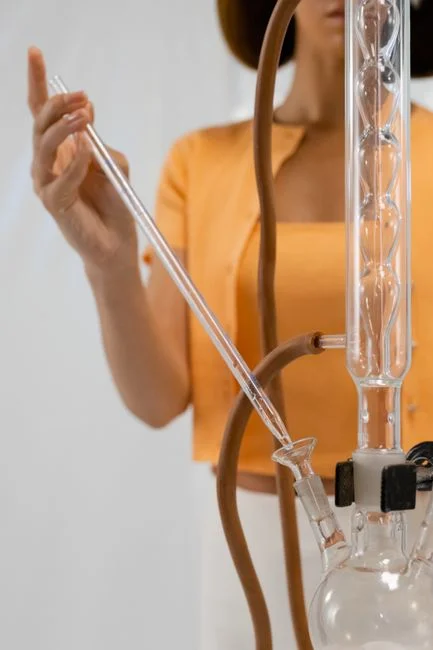
Chemical treatment improves BOD removal efficiency by precipitating, oxidizing, or coagulating organics that the biological basin cannot metabolize, or by supplementing biological treatment when the basin is overloaded. The 2025 MDPI ferric chloride study is a clean example: dosing 40% ferric chloride in a biological WWTP raised BOD removal efficiency to above 90% with a statistically significant effect.
Coagulation and precipitation are the most common chemical aids. Ferric chloride, ferric sulfate, aluminum sulfate (alum), and polyaluminum chloride (PAC) react with dissolved and colloidal organics to form settleable or floatable flocs. These flocs are then removed in a downstream clarifier or DAF, taking the bound organics out of the effluent. Coagulants are particularly effective on refractory color, on humic-type organics, and on the non-biodegradable COD fraction that drives effluent BODu above effluent BOD5.
Oxidation is the second family. Standard oxidants — chlorine, peroxide, ozone — can break down dissolved organics directly, with ozone and advanced oxidation processes (AOPs) such as ozone/hydrogen peroxide, ozone/UV, and Fenton's reagent reserved for the most refractory streams. Oxidation is energy- and reagent-intensive, so it is usually scoped as a polish on the back end of a train rather than as a bulk BOD removal step. A pharmaceutical or specialty-chemical plant with a tight effluent BOD ceiling, however, may build the whole train around an ozone or AOP polish because the influent BOD is so poorly biodegradable that biological treatment alone cannot reach the target.
pH adjustment is the third lever, and it is often overlooked. Many industrial streams arrive at the WWTP well outside the biological operating window (roughly pH 6.5-8.5). Lime or sulfuric acid dosing brings the stream into the biological range and can, on its own, drop the apparent BOD by precipitating species that interfere with the BOD5 test. A plant that skips pH conditioning and runs an expensive biological train on an out-of-spec stream is essentially leaving BOD removal on the table before the biology even starts.
The MDPI 2025 study is worth re-reading carefully because it shows the kind of evidence that should be required in 2026. The result is not a vendor brochure line ("chemical treatment improves efficiency"); it is a controlled study showing that, in a biological WWTP, the 40% ferric chloride dose raised removal above 90% with a statistically significant effect. That distinction — a controlled, peer-reviewed measurement, not a marketing claim — is the standard engineers should set when evaluating chemical aids.
For procurement, the qualitative checks before committing to a chemical stage are: jar tests on your actual influent to confirm the coagulant response; BOD5, COD, and BODu data so that the chemical dose is sized to the refractory fraction, not to the total COD; chemical storage and handling capacity (ferric chloride is corrosive and ships at high concentration); and the sludge disposal pathway, because chemical sludge can be classified differently from biological sludge and may have its own disposal constraints. None of these are reasons to avoid chemical treatment; they are reasons to plan for it as an integrated unit operation, not as an afterthought.
What Factors Should You Consider When Selecting a BOD Removal Method?
Selecting a BOD removal method in 2026 is a multi-criteria decision driven by influent characteristics, discharge targets, footprint, sludge handling, energy, and lifecycle cost. There is no universally best technology; the right train is the one whose unit operations collectively address the specific constraints of the plant.
The first factor is influent character. BOD5 concentration, BOD:COD ratio, pH, temperature, oil and grease, and the presence of inhibitory compounds together dictate whether the train should be biological-dominant, chemical-dominant, or membrane-dominant. A high-strength food waste with BOD5 in the thousands and a BOD:COD ratio above 0.5 is a strong candidate for anaerobic + aerobic, possibly with DAF upstream. A pharmaceutical wastewater with a BOD:COD ratio below 0.3 is a candidate for biological treatment followed by chemical or advanced oxidation polishing.
The second factor is the discharge target. A 250 mg/L BOD ceiling for sewer discharge to a municipal treatment plant is a fundamentally different design problem than a 30 mg/L BOD ceiling for direct discharge to a sensitive receiving water. The tighter the ceiling, the more likely the train needs membrane separation (MBR) or chemical polishing on the back end. Asking the regulator for the exact compliance metric — carbonaceous BOD, total BOD, BOD5, BOD7 — is a procurement check that should happen before any vendor sizing begins.
The third factor is footprint and retrofit feasibility. Urban and brownfield sites often cannot accommodate the basin volumes of a CAS plant and gravitate to MBBR or MBR. The 2026 bioprocessh2o pulp and paper MBBR retrofit is a textbook example: a single-stage MBBR was added to an existing basin to cut carbonaceous BOD by over 75% without expanding the plant's concrete footprint. Brownfield retrofits in 2026 are increasingly MBBR- or MBR-based for exactly this reason.
The fourth factor is flow variability. Batch-producing plants (specialty chemicals, pharmaceuticals, food) generate slug loads that can wash out suspended-growth biomass if equalization is under-sized. SBRs and MBBRs tolerate batch loads better than CAS; MBRs tolerate them better still because the membranes retain biomass regardless of mixed-liquor suspended solids swings. Sizing equalization for the realistic peak hourly flow, not the average daily flow, is one of the most cost-effective design moves an engineer can make.
The fifth factor is operating cost and energy. Aeration is the dominant energy load in a biological train; coagulant and polymer dosing dominate the operating cost of a chemical train; membrane replacement dominates the operating cost of an MBR. Lifecycle cost analysis — capital, energy, chemicals, membrane replacement, sludge disposal — usually pushes the answer toward the lowest-cost reliable combination, not toward the single most efficient unit operation in isolation.
The sixth factor is sludge. Every BOD removal method produces sludge, and sludge handling capacity frequently gates plant capacity in practice. DAF sludge is dense and dewaterable; waste activated sludge is voluminous and harder to dewater; chemical sludge may be classified as hazardous depending on the metals it carries. A plant that runs out of sludge dewatering capacity cannot run its BOD removal train at design load, regardless of how well the biology is performing.
For procurement, the qualitative checks that should accompany any vendor proposal are: pilot or full-scale reference data on a similar influent and BOD:COD ratio; a written list of the BOD, COD, TSS, and flow assumptions the design is built on; a clear statement of which discharge metric the design will meet and under what operating envelope; and a maintenance and consumables schedule (membrane replacement interval, chemical consumption, sludge yield). Without these, two competing proposals are not actually comparable.
Frequently Asked Questions
Which BOD removal method is the most cost-effective for industrial wastewater in 2026?
For most industrial streams with a BOD:COD ratio above 0.5 and moderate strength, biological treatment (activated sludge, SBR, MBBR, or MBR) is the lowest-cost option per kilogram of BOD removed because it avoids the reagent cost of chemical treatment. For refractory streams with a BOD:COD ratio below 0.3, a hybrid train (biological + chemical or biological + advanced oxidation) is usually the lowest-cost path to a tight discharge limit. Before committing to a design, request a written comparison of the lifecycle cost — capital, energy, chemicals, membrane replacement, sludge disposal — across at least two technology options on your actual influent. Vendor-side generic efficiency numbers are not a substitute for a side-by-side lifecycle cost analysis on your specific stream.
What should I look for when choosing a BOD removal equipment supplier in 2026?
Look for a supplier who can show pilot or full-scale reference installations on a stream with a similar BOD5 range and BOD:COD ratio to yours, who provides a written design basis (assumed BOD5, COD, flow, temperature, and discharge limit), and who offers a clear maintenance and consumables schedule including membrane replacement intervals and chemical consumption rates. Ask whether the supplier sizes the biological basin, MBR, or chemical stage from first principles or from a generic curve, and ask for the influent characterization their reference plant actually operated on. A supplier that cannot answer these questions is not yet ready to size your plant; a supplier that can is also typically the one whose installed plants continue to meet their discharge limits years after commissioning.
How do I know if my wastewater is biodegradable enough for biological BOD treatment?
The standard screening check is the BOD:COD ratio. A ratio above 0.5 indicates a stream that is readily biodegradable and a strong candidate for biological treatment. A ratio between 0.3 and 0.5 indicates a moderately biodegradable stream, where biological treatment is still the workhorse but a chemical or membrane polish is often needed to meet a tight discharge limit. A ratio below 0.3 indicates a stream dominated by refractory organics, where biological treatment alone is unlikely to reach a 30 mg/L BOD ceiling and a chemical or advanced oxidation step is required. Because the BOD:COD ratio can shift across a production week, take multiple composite samples before committing to a process train; a single sample is not a design basis.
Can I add a chemical polishing step to an existing biological BOD removal plant without major capital work?
In most cases, yes. A ferric chloride or alum dosing skid tied into the existing mixed-liquor return line or into a downstream rapid-mix basin, followed by a small clarifier or DAF adjustment, is a common retrofit and is the configuration described in the 2025 MDPI ferric chloride study, in which dosing 40% ferric chloride in a biological WWTP raised BOD removal efficiency to above 90% with a statistically significant effect. The qualitative checks before committing are: confirm the available hydraulic capacity in the existing clarifier or DAF for the additional floc load, confirm chemical storage and handling capacity for the reagent, and confirm that the additional sludge can be handled by the existing sludge dewatering system. None of these are blockers in most plants, but each is a real constraint that should be verified before sizing the chemical dose.