Why Tabuk Needs Engineered Effluent Treatment in 2026
Reuse, not just discharge, is the design driver for any effluent treatment plant in Tabuk. The 2010–2012 monitoring study of Tabuk's municipal STP (Al-Momani, 2013) recorded an influent pH envelope of 6.213–7.493 and tracked standard parameters — temperature, TSS, BOD, COD, DOC, TN, TP, and oil & grease — at both inlet and outlet across three years of operation. The same study concluded that the treated effluent was suitable for irrigation of fodder crops, golf courses, greenways, parks, landscaping, and groundwater recharge, framing reuse as the baseline expectation rather than an upgrade option.
Saudi Arabia is among the most water-stressed countries on earth, and Tabuk's arid climate places it firmly inside the national reuse mandate, so any 2026 plant quote that omits a documented reuse class should be treated as incomplete. For Tabuk buyers, regulators are not only checking discharge consent; they are verifying that the design supports the specific end-use the operator has committed to.
How a Modern ETP Train Is Built
A 2026 effluent treatment plant in Tabuk is typically specified as a staged train, not a single unit. The head of the train starts with a rotary mechanical bar screen to protect downstream equipment, followed by grit removal and an equalization basin to dampen the peak loads common in industrial estates and shift-based food or dairy operations. Where the influent carries FOG, oil & grease, or high suspended solids — both parameter families explicitly tracked in the Tabuk study — a DAF system for FOG and suspended solids is the conventional front-end before biological treatment. The biological stage is the heart of the train: a conventional activated sludge or an MBR membrane bioreactor system, the latter giving a smaller footprint and an effluent quality already close to reuse limits. Tertiary polishing with an ultrafiltration polishing system — and, where higher-grade reuse is the target, nanofiltration as assessed in the University of Twente thesis by Schrader on direct nanofiltration of WWTP effluent — is increasingly specified by Tabuk buyers who need to bridge the gap between secondary effluent and reuse-class water. These advanced stages ensure that final water quality meets the strict requirements for non-potable reuse applications.
Matching Process to Wastewater Type in Tabuk
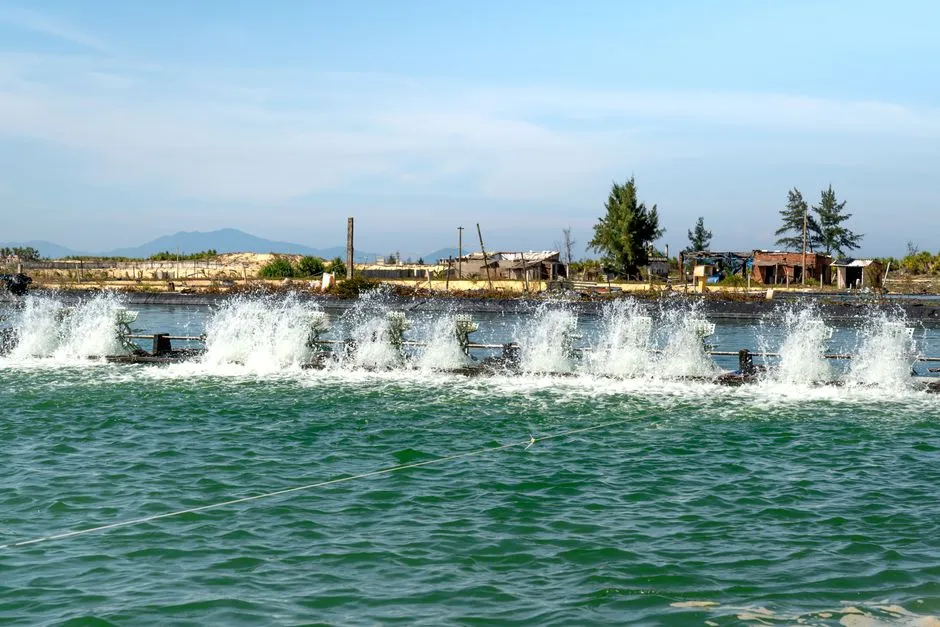
Process selection in Tabuk should start from the wastewater envelope, not the equipment catalogue. The 2010–2012 Tabuk study (Al-Momani, 2013) showed municipal flows with moderate TSS, BOD, COD, and indicator bacteria — the typical profile for residential, hotel, camp, and small commercial developments — and these streams are well-matched to packaged MBR units or buried WSZ underground package plant designs where footprint and noise are constrained. Food, dairy, and slaughterhouse flows in Tabuk generally carry elevated oil & grease, which is exactly why a DAF front-end is the standard recommendation before biological treatment. Hospital and clinical flows need a dedicated medical wastewater treatment unit with enhanced disinfection, not a standard municipal train with chlorine tacked on. Heavy industry generally requires concrete-tank MBR or conventional activated sludge trains sized to the actual peak load, with tertiary polishing added when reuse end-use demands it.
| Wastewater type in Tabuk | Typical influent character | Recommended primary stage | Recommended biological stage | Tertiary / disinfection |
|---|---|---|---|---|
| Municipal / residential / hotel | Moderate TSS, BOD, COD; pH 6.2–7.5 (Al-Momani, 2013) | Screening + grit removal | Packaged MBR or WSZ buried unit | UF polish + UV or chlorine disinfection for landscape reuse |
| Food, dairy, slaughterhouse | High FOG / oil & grease, variable BOD | DAF for FOG removal | MBR or conventional activated sludge | UF or nanofiltration where reuse class demands it |
| Hospital / clinical | Pathogen load, pharmaceutical residues | Dedicated medical pretreatment | MBR with enhanced biosafety | UV or chlorine dioxide for disinfection to reuse limits |
| Heavy industry / industrial estate | Variable peaks, possible TDS, hydrocarbons | Screening, equalization, DAF as needed | Concrete-tank MBR or activated sludge | UF / NF polish + reuse-class disinfection |
Sizing a Tabuk ETP: The Numbers That Actually Matter
Nominal capacity on a vendor brochure is not a sizing input. For a Tabuk effluent treatment plant, sizing begins with peak daily flow in m³/day, not the average, because industrial shift patterns and tourism-driven hotel loads can push peak-to-average ratios well above 2. The influent load — BOD (mg/L), COD (mg/L), TSS, TN, TP, and oil & grease where relevant — is the same parameter set the 2010–2012 Tabuk study (Al-Momani, 2013) used to verify plant performance, and a vendor should be asked to design against a site-specific characterization rather than a generic municipal figure. The discharge or reuse target dictates the tertiary and disinfection design: the Tabuk study reused effluent on fodder crops, golf courses, parks, landscaping, and for groundwater recharge, and each of those reuse classes sets a different bar. A buyer should request the design flow, the peak flow, the influent characterization report, a written reuse end-use statement, and the Saudi compliance certificates the vendor will sign against.
| Sizing input | Why it matters for Tabuk | Source / buyer action |
|---|---|---|
| Peak daily flow (m³/day) | Sets hydraulic capacity; peak-to-average ratios above 2 are realistic in industrial estates | Request from vendor; site flow survey |
| Influent BOD / COD (mg/L) | Sets biological stage sizing and aeration demand | Site-specific characterization; benchmark Tabuk study (Al-Momani, 2013) |
| Influent TSS | Drives primary clarification or DAF sizing | Site-specific characterization |
| Oil & grease (where relevant) | Determines whether DAF is required | Site-specific characterization, especially food/dairy flows |
| Reuse end-use | Drives tertiary and disinfection specification | Buyer to define; reuse classes confirmed in Al-Momani (2013) |
| Influent pH | Confirms envelope; Tabuk 2010–2012 recorded 6.213–7.493 | Al-Momani (2013); vendor design report should reflect this |
Saudi Compliance and Reuse End-Use: What to Demand From a Vendor

Compliance is where most non-compliant Tabuk ETP quotes fail. Any quotation should reference Saudi national discharge standards (PME / NCEC conformance) and identify a clear reuse class — fodder, landscape, golf course, park, or groundwater recharge — that matches the same end-uses the 2010–2012 Tabuk study (Al-Momani, 2013) confirmed as viable. That study also concluded the Tabuk plant's overall performance was comparable to other Saudi wastewater plants using similar or different biological treatment, which means a vendor should be pressed to produce at least one comparable Saudi reference plant, not just generic project lists. Disinfection must match the reuse class: a chlorine dioxide disinfection system is a strong fit for landscape and fodder irrigation, while a UV sterilizer for water treatment is preferred where chlorine-resistant organisms such as Cryptosporidium or Giardia are a concern. The vendor should also be required to provide a written compliance matrix mapping each discharge parameter to the specific Saudi limit it meets, so any gap is visible on paper before contract signature.
Vendor Selection and Buyer's Checklist
Shortlisting an ETP vendor in Tabuk is harder than the catalogues suggest. The ensun.io B2B directory for effluent treatment plant manufacturers (ensun.io, 2026) spans more than 1,638 manufacturers and 2,165 service providers, so a structured filter is essential rather than a price comparison. The filter should evaluate documented Saudi or comparable arid-climate reference plants, a written process guarantee (effluent quality contract rather than a generic performance claim), a local service footprint, and confirmed spare-parts logistics for membranes and dosing pumps. The buyer should also request a CAPEX/OPEX split, a 12-month operating cost estimate, and a sludge-handling plan using a plate and frame filter press for sludge dewatering and an automatic chemical dosing system, since the 2013 Tabuk study did not detail sludge handling and this is often a hidden cost in KSA ETPs. Finally, insist on a site-specific influent characterization — the local water temperature, TDS profile, and the influent pH envelope of 6.213–7.493 documented in Al-Momani (2013) should appear explicitly in the design report rather than being absorbed into a generic design basis. A vendor that cannot produce that level of localization should be replaced by one that can.
Frequently Asked Questions
What drives the cost of an effluent treatment plant in Tabuk?
The largest cost drivers for a Tabuk ETP are the biological stage sizing, the tertiary polishing step, and the disinfection package, which together dominate both CAPEX and OPEX. The 2010–2012 Tabuk study (Al-Momani, 2013) recorded the influent envelope buyers should expect; a buyer should request a CAPEX/OPEX split, a 12-month operating cost estimate, and a sludge-handling plan rather than relying on a single headline price.
How do I qualify a Saudi ETP vendor before signing?
Require at least one documented Saudi or comparable arid-climate reference plant, a written process guarantee with effluent quality parameters the vendor will be bound to, a local service footprint, and confirmed spare-parts logistics for membranes and dosing pumps. The Tabuk study (Al-Momani, 2013) found the local plant's efficiency comparable to other Saudi WWTPs, so Saudi-specific reference data is the right benchmark — generic international project lists are not.
What influent parameters should I measure before requesting a Tabuk ETP design?
Buyers should commission a site-specific characterization covering peak daily flow, BOD, COD, TSS, TN, TP, and oil & grease where relevant — the same parameter set used in the 2010–2012 Tabuk study (Al-Momani, 2013). Influent pH should be reported as a range; the Tabuk study recorded 6.213–7.493, and a vendor design report that does not reflect a local pH envelope should be questioned.
Which reuse class should I specify for a Tabuk ETP?
The 2010–2012 Tabuk study (Al-Momani, 2013) confirmed treated effluent as suitable for fodder crop irrigation, golf courses, greenways, parks, landscaping, and groundwater recharge. The buyer should define the intended end-use up front because the reuse class — not the discharge permit alone — sets the tertiary and disinfection specification, including the choice between chlorine dioxide and UV disinfection.