Why Cleveland Fabricated Metals Plants Are Re-asking the DAF-vs-Clarifier Question in 2026
Cleveland's fabricated metals cluster — stamping, machining, drawing, weldment cleaning, and light coating — discharges a mix of free oil, emulsified coolant, low-density metal fines, and dissolved metals that any 2026 pretreatment upgrade must remove simultaneously. That mix is the reason the question is no longer "do we need a DAF?" but "do we need a DAF as primary, a lamella clarifier as primary, or both in series?"
The regulatory ceiling framing the decision is 40 CFR 433 metal-finishing categorical pretreatment standards; the local receiving POTW, typically the City of Cleveland / NEORSD, layers enforceable local limits on top, so the clarifier choice must be made inside that envelope. Service infrastructure also matters in 2026: ChemREADY operates a Twinsburg, OH technical base covering Cleveland, Akron and Canton for jar testing, polymer optimization, and on-site service, while Clearwater Industries / SigmaDAF USA runs the nearest North American DAF manufacturing base out of Brown Deer, WI. Plants weighing capital are comparing a DAF-first train, a lamella-first train, and a DAF-then-lamella polishing train against the same influent profile, and that comparison is the spine of this guide.
For background on how those categorical limits map to typical fabricated metals discharges, the fabricated metals 2026 pretreatment limits explainer walks through the same envelope from a regulatory angle.
How a DAF Clarifier Actually Works on Metalworking Wastewater
A dissolved air flotation (DAF) clarifier pressurizes a sidestream of clarified water with air, then depressurizes that stream inside the flotation tank so microbubbles nucleate on conditioned floc and lift FOG, oil, and suspended solids to the surface for skimming, while heavier settleable solids drop to a bottom collection zone. Clearwater Industries documents the standard bubble window at 30–50 microns, with heavier sludge handled by an auger or scraper in the bottom compartment (S2, S5). Ecologix tightens that window to 5–50 microns for its E-DAF line, marketed as a precision-bubble alternative for tight FOG and TSS targets (S1). The HydropureWater DAF system covers 4–300 m³/h across 13 standard models with automatic skimming, which spans single-line and multi-line fabricated metals plants, and is documented for metalworking duty alongside food, pulp & paper, textile, and petrochemical applications.
Chemistry is required for effective operation. Both Clearwater (S2, S5) and SigmaDAF (S2) state that DAF must be paired with coagulation/flocculation — serpentine floc tubes or mix tanks, pH adjustment, and polymer — because the bubbles only attach to properly conditioned floc. That means the equipment decision is also a chemical-program decision, and the 2026 standard pairing is a PLC-controlled coagulant, flocculant, and pH-adjuster injection system quoted with the DAF. For a worked example of the chemistry side on a different high-FOG stream, the DAF design guide for high-FOG industrial streams walks through the same conditioning logic.
How a Lamella Clarifier Works — and Where It Beats a DAF
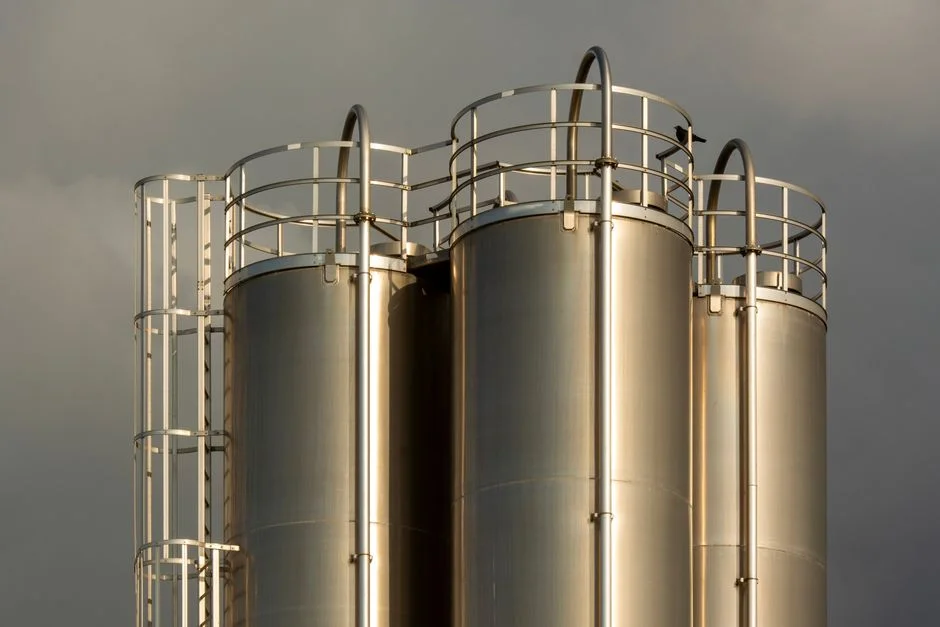
A lamella clarifier — also called a high-efficiency sedimentation tank — uses inclined plates to multiply the effective settling area inside a small footprint, letting gravity drop settleable solids out of suspension without the energy input of a pressurized air system. The HydropureWater high-efficiency sedimentation tank (lamella clarifier) is rated at 20–40 m/h surface loading and claims up to 30% lower chemical consumption versus conventional settlers, making it a viable 2026 primary choice for streams where chemistry cost is the binding constraint.
On streams dominated by settleable grit, metal fines, and the hydroxide precipitate produced by pH adjustment for dissolved metals removal, lamella plates capture solids without the polymer program a DAF needs. The hard limitation is oils: a lamella clarifier does not lift free or emulsified oil. If the upstream operation generates tramp oil from stamping, drawing compound breakthrough, or alkaline cleaner carryover, a lamella alone will discharge a visible sheen and likely fail the POTW's oil and grease limit. Several Cleveland shops in 2026 use lamella as a polishing step downstream of a DAF, rather than as a replacement. For the metals-removal side of the train, the electroplating and metal-finishing COD removal guide covers how pH adjustment and precipitation feed the clarifier upstream.
DAF vs Lamella Clarifier: 2026 Parameter Comparison
The side-by-side below lets a Cleveland plant engineer self-select the right primary clarifier, drawing on the bubble/floc mechanism (S2, S5), the lamella surface loading spec, and the skid sizing (S2, S5) documented by Clearwater and SigmaDAF.
| Parameter | DAF Clarifier | Lamella Clarifier |
|---|---|---|
| Separation mechanism | 30–50 micron microbubbles attach to floc and float FOG, oil, low-density TSS (S2, S5); 5–50 micron precision-bubble option on E-DAF (S1) | Gravity settling on inclined plates inside a compact tank |
| Sizing basis | Hydraulic retention and bubble flux; COMPACT DAF single skid up to 66 GPM, modular two-skid above 66 GPM (S2, S5) | Plate area, with surface loading 20–40 m/h |
| Best-fit influent | Free oil, FOG, emulsified coolant, low-density TSS, plus heavier settleable solids handled in the bottom compartment | Heavy settleable solids, metal hydroxide precipitate, low-oil streams |
| Chemistry intensity | Coagulant + flocculant + pH adjustment as standard (S2, S5); conditioning is integral to performance | Up to 30% lower chemical consumption vs. conventional settlers, per the lamella spec |
| Footprint | Compact skid; scales with flow and is modular above 66 GPM | Compact relative to conventional settling; footprint set by plate area |
| Failure mode if misapplied | Excessive polymer cost on a low-oil, settleable-solids-only stream | Visible sheen discharge and oil-and-grease exceedance on oily or emulsified streams |
Matching the Clarifier to Your Fabricated Metals Wastewater Profile
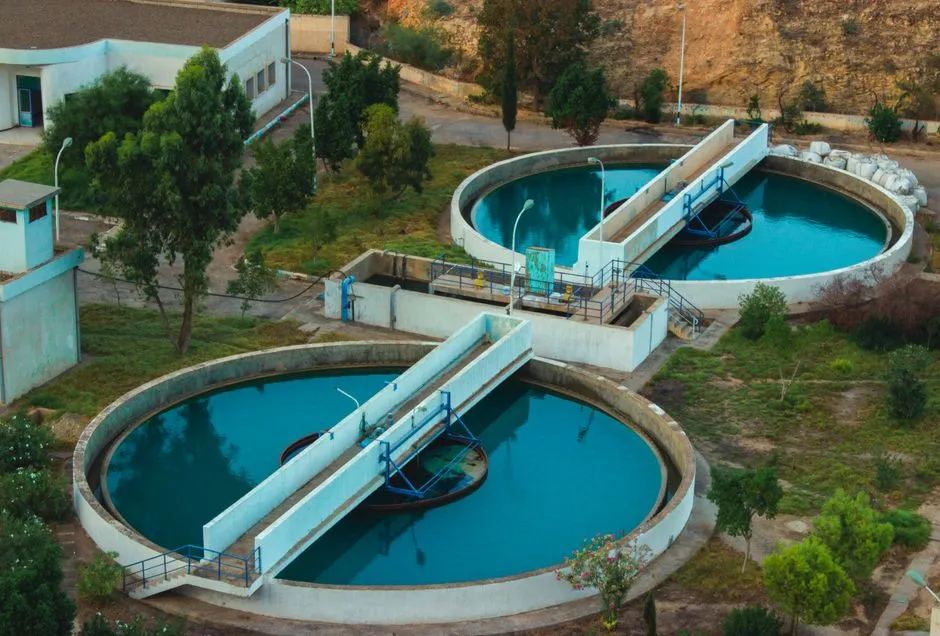
The fabricated metals base around Cleveland requires a primary clarifier tailored to the dominant contaminant in each sub-segment. The matrix below translates the four sub-segments a typical shop runs into a primary-clarifier recommendation.
| Sub-segment | Dominant Contaminants | Primary Clarifier | Notes |
|---|---|---|---|
| Stamping and drawing (hydrocarbon or synthetic coolant) | Tramp oil, emulsified lubricant, low-density TSS | DAF (mandatory as primary) | Lamella alone will not remove the sheen; expect oil-and-grease exceedance. |
| CNC machining with minimal coolant carryover | Metal fines, low oil | Lamella (primary), DAF on standby | Hold DAF in reserve for upset conditions or coolant breakthrough events. |
| Weldment cleaning + alkaline soak + rinse | Hot, high-pH flow with dissolved metals; hydroxide floc after pH adjustment | Lamella (primary on precipitate), DAF only if residual emulsified oil persists | Sequence: pH adjustment and metals precipitation first, lamella second. |
| Coating and phosphating lines | High TSS, surfactant load, emulsified cleaners | DAF (primary) with polymer conditioning | Treat as a DAF-primary stream regardless of lamella temptation; surfactant load defeats plate settlers. |
The 2026 Cleveland Decision Framework: When to Choose DAF, Lamella, or Both
Convert the comparison above into a defensible call by following three rules. Choose DAF as primary when any of these are present: a visible oil sheen in the equalization tank, FOG loadings high enough to risk the local oil-and-grease limit, emulsified coolant from stamping or drawing, or a history of oil-and-grease exceedances at the local POTW. Choose lamella as primary when the stream is low-oil, dominated by settleable fines and metal hydroxide precipitate, and chemistry cost is the binding constraint — for example, a CNC machining cell with minimal coolant carryover discharging to a sewer where the binding limit is total metals, not oil and grease. Choose DAF + lamella in series when the stream is both oily and high in settleable solids, which is the typical mixed stamping + machining + cleaning operation: DAF strips the floatables first, lamella polishes the precipitate downstream.
In every case, the clarifier decision must be paired with the chemistry program. ChemREADY's Cleveland service description (S4) is explicit on this: it designs around headworks, EQ, DAF, biological, clarification, and dewatering as one system, and pairs that design with on-site jar testing, polymer optimization, and local stocking out of Twinsburg. Treating the clarifier and the chemistry as separate line items is the most common way 2026 pretreatment projects underperform.
Sizing, Footprint and 2026 Lead-Time Considerations for Cleveland Plants
Move from decision to action by right-sizing the unit against the vendor's flow envelope and confirming chemistry dosing capacity. For DAF sizing, request the vendor's flow range and confirm it against the HydropureWater DAF envelope (4–300 m³/h across 13 standard models) or the Clearwater / SigmaDAF COMPACT DAF envelope (single skid up to 66 GPM, modular two-skid above 66 GPM, per S2 and S5). For lamella sizing, the 20–40 m/h surface loading figure from the HydropureWater spec lets the engineer back-calculate plate area from peak hourly flow rather than average flow — using average flow on a stamping line with batch discharges is a common under-sizing mistake.
Confirm chemistry dosing capacity in the same PO. The HydropureWater automatic chemical dosing system is the standard 2026 pairing: PLC-controlled coagulant, flocculant, and pH-adjuster injection, with setpoints and trend logging that match NEORSD-style permit reporting. Finally, put a jar-test requirement on the bid list: ask the vendor for jar-test support on the actual Cleveland wastewater, not tap water, and put both ChemREADY (Twinsburg, OH; S4) and the Clearwater / SigmaDAF application-engineering team (Brown Deer, WI; S2) on the bid list as realistic local or near-local options for ongoing service.
Frequently Asked Questions
Is a DAF or a lamella clarifier the better primary step for a Cleveland fabricated metals plant in 2026?
For most stamping, drawing, and mixed fabricated metals streams discharging to the City of Cleveland or NEORSD POTW, DAF is the correct primary step because the stream contains free oil, FOG, and emulsified coolant that a lamella cannot lift. A lamella clarifier is the right primary only on low-oil streams dominated by settleable fines and metal hydroxide precipitate. When in doubt, the 2026 default is DAF as primary followed by pH adjustment, metals precipitation, and a lamella polishing step if settleable solids remain high.
What size DAF or lamella clarifier does a small Cleveland stamping or machining shop actually need?
Right-sizing is an influent question, not a catalog question. The HydropureWater DAF line covers 4–300 m³/h across 13 standard models, and the Clearwater / SigmaDAF COMPACT DAF handles up to 66 GPM on a single skid with a modular two-skid configuration above that (S2, S5). For a lamella unit, use the 20–40 m/h surface loading spec and back-calculate plate area from peak hourly flow. The single most important input to
Frequently Asked Questions
Should a Cleveland metal-stamping plant choose DAF or a lamella clarifier in 2026?
The choice depends on the specific gravity and emulsification state of the waste stream. For metal-stamping facilities dealing with high concentrations of tramp oils, emulsified coolants, and suspended solids with low specific gravity, a Dissolved Air Flotation (DAF) system is generally superior due to its ability to float lighter-than-water contaminants. If the primary waste stream consists of heavy metal hydroxides and high-density inorganic solids, a lamella clarifier provides a more efficient, compact footprint for gravity-based sedimentation.
In the Cleveland climate, seasonal temperature fluctuations can impact fluid viscosity and settling rates; therefore, plants with high-volume, oil-heavy discharge typically prioritize DAF units to ensure compliance with Northeast Ohio Regional Sewer District (NEORSD) pretreatment standards for oil and grease.
What is the typical flow range for a 2026 DAF system on a fabricated metals line, and what lead time should I plan for?
Standard industrial DAF systems for fabricated metals lines typically handle flow rates ranging from 25 to 500 gallons per minute (GPM), depending on the specific batch-process volume of the stamping or machining line. Systems designed for high-throughput continuous operations may exceed this, but 50–200 GPM is the standard range for mid-sized Cleveland facilities.
As of 2026, supply chain constraints for specialized pumps and pressure-rated stainless steel vessels necessitate a lead time of 16 to 24 weeks from the date of final engineering approval. Facilities should account for an additional 4 to 6 weeks for onsite integration, piping, and NEORSD permitting reviews.
Can a lamella clarifier replace a DAF for oil and grease removal in a metalworking shop?
A lamella clarifier is generally ineffective for removing free-floating or emulsified oils, as these contaminants often have a specific gravity less than 1.0, causing them to remain suspended rather than settling to the sludge hopper. While a clarifier can remove metal precipitates, it will likely fail to meet the standard 100 mg/L oil and grease discharge limits set by local ordinances without the addition of an upstream oil-water separator or an advanced chemical emulsion-breaking stage.
For applications where oil removal is the primary driver of pretreatment, a DAF is the industry-standard replacement or upgrade for a lamella clarifier, as it utilizes micro-bubbles to force light contaminants to the surface for mechanical skimming.
How do 40 CFR 433 metal-finishing categorical limits affect the choice between DAF and a clarifier?
40 CFR 433 establishes strict mass-based or concentration-based limits for pollutants such as cadmium, chromium, copper, lead, nickel, silver, zinc, and total toxic organics (TTO). Because these metals must be precipitated as hydroxides to be removed, a clarifier is often essential to achieve the low total suspended solids (TSS) required to meet these categorical limits.
If the waste stream contains a high volume of oil-coated metal fines, a DAF is often used as a primary clarifier to remove the organic load, followed by a secondary clarifier or a multi-media filter to polish the effluent to meet 40 CFR 433 standards. Failing to remove the oil phase via DAF can coat the metal precipitates, preventing them from settling in a clarifier and leading to non-compliant discharge.
Which Cleveland-area service providers can support jar testing and polymer optimization for a new DAF or lamella installation?
Local industrial water treatment firms and regional environmental engineering consultants specializing in the Great Lakes basin provide on-site jar testing services to determine the optimal coagulant and flocculant dosages for metal-finishing waste. Providers such as those affiliated with the Water Environment Federation (WEF) local chapters or regional industrial chemical suppliers often perform these tests to simulate DAF or clarifier performance.
When selecting a provider, verify their expertise in the specific chemistry of your coolant and lubricant brands, as optimal polymer selection must account for the specific surfactants used in modern metalworking fluids to ensure effective floc formation and compliance with NEORSD local limits.