Why Pretoria Industries Need a Dedicated Effluent Treatment Plant in 2026
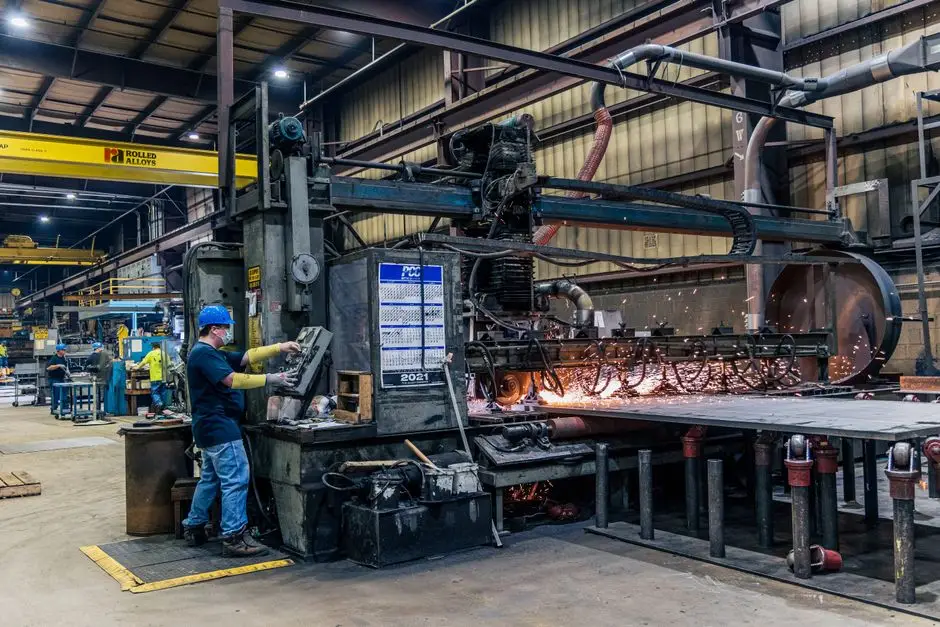
Pretoria's industrial base operates within a water-stressed region where municipal supply is constrained, tariffs are rising, and the City of Tshwane enforces by-law discharge limits alongside national water-quality standards. Industrial operators in sectors such as metal finishing, food processing, chemicals, textiles, and power generation cannot legally discharge untreated process water and increasingly cannot afford to truck it off-site. A dedicated ETP provides a practical solution for compliance, water-reuse economics, and the rising cost of municipal water.
Supplier density in the region is thin compared with demand. According to RevenueBase (company list pulled Sep 19, 2026), South Africa has 89 recorded effluent treatment plant companies nationally, with Johannesburg hosting 17, Cape Town 14, and Durban 4; only Aqua Horizon Technologies is recorded as headquartered in Pretoria. Most Pretoria projects draw on Gauteng-wide suppliers rather than a local bench. The same period shows reference plants of significant scale: Interwaste's Germiston ETP integrates filtration, biological treatment, and membrane technologies with a treatment capacity of over 43,000 m³ per annum for leachate and industrial effluent (Interwaste). At the academic level, a University of Twente PhD thesis by Schrader (2024, doi:10.3990/1.9789036523325) finds that membrane polishing, particularly nanofiltration, can lift WWTP effluent to a quality suitable for agricultural or indirect potable reuse—directly relevant to Pretoria reuse economics. This article avoids quoting specific City of Tshwane tariff or by-law numbers; those values change and must be confirmed with the municipality or your compliance consultant before you commit capex. For a sector-specific guide, see this textile wastewater treatment in South Africa guide.
What an Effluent Treatment Plant Actually Does: Core Process Stages
An ETP functions as a sequence of unit operations rather than a single standalone system. Most Pretoria industrial plants combine three building blocks: physico-chemical, biological, and membrane polishing—the same architecture that Interwaste's Germiston ETP uses to handle leachate and industrial effluent (Interwaste).
Physico-chemical (headworks and primary stage). Screening constitutes the initial phase. A rotary mechanical bar screen for ETP headworks removes rags, plastics, and fibrous debris before they foul downstream biological and membrane stages. From there, a DAF unit for oil, grease and colloidal removal serves as the standard workhorse for food, metalworking, and petrochemical effluents common in the Tshwane industrial base; it floats emulsified oils and suspended solids using fine bubble aeration, typically after pH correction and coagulant dosing.
Biological (secondary stage). Aerobic, anaerobic, or membrane bioreactor (MBR) systems break down dissolved organics measured as COD and BOD. An MBR couples activated sludge with an external ultrafiltration cassette, producing a clarified effluent that eliminates the need for a secondary clarifier.
Membrane polishing (tertiary stage). Ultrafiltration (UF) provides chemical-free polishing for residual suspended solids and bacteria, while nanofiltration (NF) and reverse osmosis (RO) remove multivalent salts, heavy metals, and trace organics. The University of Twente PhD thesis on direct nanofiltration of WWTP effluent (Schrader, 2024) demonstrates that NF polishing can achieve quality suitable for agricultural or indirect potable reuse, which serves as the technical basis for any reuse-economics case you build for a Pretoria site.
Pretoria ETP Supplier Landscape: Who Actually Builds Plants Here
Identifying firms that actively build plants in Gauteng prevents months of inefficient enquiry. RevenueBase (Sep 19, 2026) records the following South African ETP company distribution, with each badge reflecting membership of a saved search rather than a quality score:
| City (HQ recorded) | Recorded ETP companies | Note |
|---|---|---|
| Johannesburg | 17 | Largest cluster; many EPC contractors and engineering firms |
| Cape Town | 14 | Strong in food, beverage and membrane design-build |
| Durban | 4 | Smaller cluster; port and chemical-sector focus |
| Pretoria | 1 | Aqua Horizon Technologies (RevenueBase, Sep 19, 2026) |
| Other metros (Westonaria, Randfontein, Boksburg, Potchefstroom, Middelburg, Port Elizabeth, Somerset West, Strand) | Balance of 89 total | Includes EPC and specialist membrane/UV/RO houses |
Pretoria buyers typically encounter three Gauteng archetypes. First, EPC contractors deliver turnkey plants; for example, WEC Water (Johannesburg, 51–200 employees) and Ulmo Water (Somerset West) describe themselves as EPC/design-build contractors in the water sector (RevenueBase, Sep 19, 2026). Second, specialist polishing and disinfection houses such as Enaqua (Johannesburg) focus on UV, chlorine dioxide, and reverse osmosis. Third, dedicated ETP engineering firms such as Telos Water (mining, industrial, municipal) and Aqua Horizon Technologies (Pretoria-headquartered) provide multi-stage biological-plus-membrane designs. Reported employee bands, such as Nafasi Water (201–500), represent delivery capacity rather than a quality ranking. Always request at least two verifiable Pretoria or Gauteng reference sites of similar capacity and influent type before shortlisting further.
Matching the Treatment Train to Your Industry in Pretoria
The correct treatment train depends on influent characterisation rather than supplier inventory. The RevenueBase company descriptions (Sep 19, 2026) indicate which firms serve specific sectors:
| Industry (typical Pretoria presence) | Recommended core treatment train | Why this train fits |
|---|---|---|
| Mining, metals, metal finishing | Screening + DAF + clarification + sludge dewatering | Handles suspended solids, oils and metal-bearing sludge; firms such as Telos Water and Watercare Innovations (mining/industrial focus) are typical suppliers |
| Food and beverage, dairy, abattoir | Screening + DAF + biological (aerobic or MBR) | High BOD/COD with oils and greases; biological step reduces organics; firms such as Kainos and Inenzo (mechanical contractor with municipal/industrial water experience) fit this profile |
| Chemicals, pharmaceuticals, laboratories | Biological + advanced oxidation + membrane polishing (UF/NF/RO) | Tightens trace organics and salts; for sector context see this pharmaceutical wastewater treatment in South Africa guide |
| Textiles, dyes | Equalisation + DAF + biological + NF/RO polish | Handles colour, salts, and refractory COD; the South African textile wastewater engineering guide covers this in detail |
| Leachate, landfill liquid waste, rural/community | Filtration + biological + membrane (architecture used at Interwaste's Germiston ETP, 43,000 m³/yr) | Transferable reference for high-strength industrial effluents; for satellite or remote sites, see this rural sewage treatment in South Africa guide |
Before committing capex, commission a jar-test or on-site pilot and use the resulting data to lock the design basis. A supplier who proposes a treatment train without a current influent analysis is selling hardware rather than engineering.
How to Size and Select a Pretoria ETP Without Over- or Underspending
Sizing errors represent the most common source of plant underperformance. A defensible sizing exercise must collect, at minimum, the following design inputs: peak and average daily flow (m³/h and m³/d), influent COD/BOD/TSS/pH plus oil and grease, salinity where reverse osmosis is in scope, applicable City of Tshwane discharge limits (which the buyer must obtain directly from the municipality), the target reuse quality, available footprint, and sludge-handling constraints. With these figures, you can conduct envelope checks against standard equipment ranges: for example, an underground packaged sewage plant for satellite sites typically covers 1–80 m³/h for small community and factory duty, an MBR membrane bioreactor for Pretoria water-reuse duty covers 10–2,000 m³/day for water-reuse projects, and DAF systems span 4–300 m³/h across 13 standard models—but these serve as sizing anchors, not guaranteed quotes for specific influent.
A credible supplier must submit a mass-balance, P&ID, and instrument list alongside the price. Proposals quoting a rand figure without these documents are not comparable. As no published CAPEX benchmark for Pretoria ETPs is in the supplied research, the buyer should request at least three itemised bids and validate them against international benchmarks and similar reference plants rather than an assumed local average.
Buyer Checklist Before Signing an ETP Contract in Pretoria
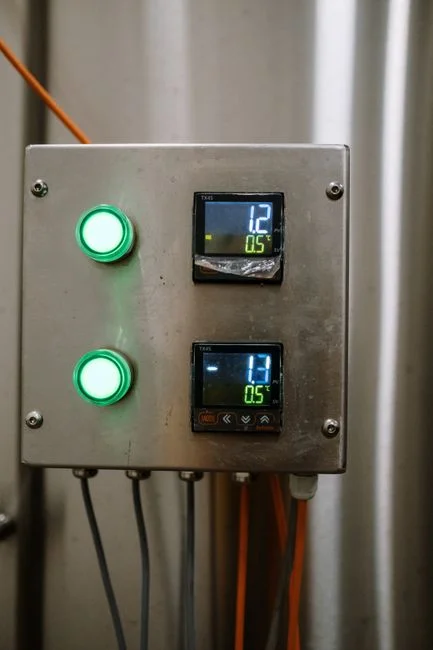
Use this list as a hard-gate process before signing any purchase order. First, verify each shortlisted supplier's actual delivery capacity: RevenueBase-recorded bands such as Nafasi Water 201–500 or WEC Water 51–200 serve as a starting proxy only (RevenueBase, Sep 19, 2026). Second, confirm documented experience with the specific train proposed—MBR, UF, RO, DAF, biological—on an influent similar to yours, rather than generic capability statements. Third, lock in compliance engineering as part of the scope: continuous monitoring, scheduled discharge sampling, and a commissioning report that demonstrates the plant meets the applicable standards. These numeric limits must be confirmed with the City of Tshwane and your compliance consultant. Fourth, ensure an automatic chemical dosing system and the remaining instrumentation are sized, specified, and sourced from a single supplier responsible for performance. Finally, before signing the contract, lock in lead time, critical spares, operator training, and a service-level agreement for routine maintenance in writing.
Frequently Asked Questions
What is the realistic cost of an effluent treatment plant in Pretoria?
No published CAPEX benchmark for Pretoria ETPs exists in the supplied research, making any single rand figure unreliable. Instead, request at least three itemised bids that include a mass-balance, P&ID, and instrument list, then validate the totals against international benchmarks and the supplier's own reference plants of similar flow and influent strength.
Which Pretoria or Gauteng ETP suppliers should be shortlisted first?
Use the RevenueBase company list pulled on Sep 19, 2026 as a starting point: 89 recorded South African ETP companies, 17 in Johannesburg, 14 in Cape Town, 4 in Durban, and Aqua Horizon Technologies as the only Pretoria-headquartered entry. Treat the list as a shortlist seed, then verify at least two reference sites of similar capacity and influent type per supplier before further engagement.
What treatment train works best for high-strength industrial effluent in Pretoria?
Filtration, biological treatment, and membrane polishing form the architecture used at Interwaste's Germiston ETP, which treats over 43,000 m³ per annum of leachate and industrial effluent (Interwaste). The exact train must be determined by jar-testing or piloting against your specific COD, BOD, TSS, oil and grease, and salinity profile.
How long does an industrial ETP build typically take in South Africa?
The supplied research does not provide a verified Pretoria-specific lead time. Buyers should require each shortlisted EPC contractor to put lead time, critical spares delivery, and commissioning milestones in writing, backed by penalty or relief clauses, before contract signature.