Why Wichita Mining and Metals Plants Are Rethinking the CAS Baseline
Wichita's mining, mineral processing, and fabricated-metals operations discharge wastewater that falls under the federal effluent limitations at 40 CFR Part 437 (Metal Mining point source category). The regulated parameters the engineering team must verify against their current Kansas NPDES permit include total suspended solids, pH, oil and grease, lead, copper, zinc, nickel, cadmium, and mercury — the research supplied did not return the numeric limits in scraped content, so the buyer should obtain the current values directly from the EPA effluent guidelines and their permit rather than rely on a memorized threshold.
Conventional activated sludge (CAS) has been the default for these sites because it is well understood and inexpensive to install, but its reliance on gravity clarification makes effluent quality sensitive to sludge settleability. When influent carries heavy-metal shock loads — a recurring condition in mining and metals operations — the secondary clarifier often bulks or loses its blanket, sending TSS over the permit and triggering a non-compliance event.
Reuse pressure is rising in Kansas, and pilot work documented in the El Baix Llobregat PAC-MBR study (S4, 2017 doctoral thesis) showed that pairing activated sludge with submerged PVDF ultrafiltration produces a more consistent effluent suitable for downstream polishing. The same thesis reported cold- and warm-season dTMP/ft (mbar/d) trends that demonstrate how fine-bubble aeration and PAC dosing control fouling velocity under variable loading — a useful data point for a Wichita operator sizing a membrane system through a Kansas winter.
Cold winter air temperatures in Wichita regularly drop into the teens °F, and biology slows in both systems; enclosed MBR tanks with submerged membranes retain heat better than open CAS basins, but the actual winter flux penalty is design-specific and should be requested from the vendor rather than assumed from a generic rate.
What Each System Actually Does: CAS vs MBR Process Flow
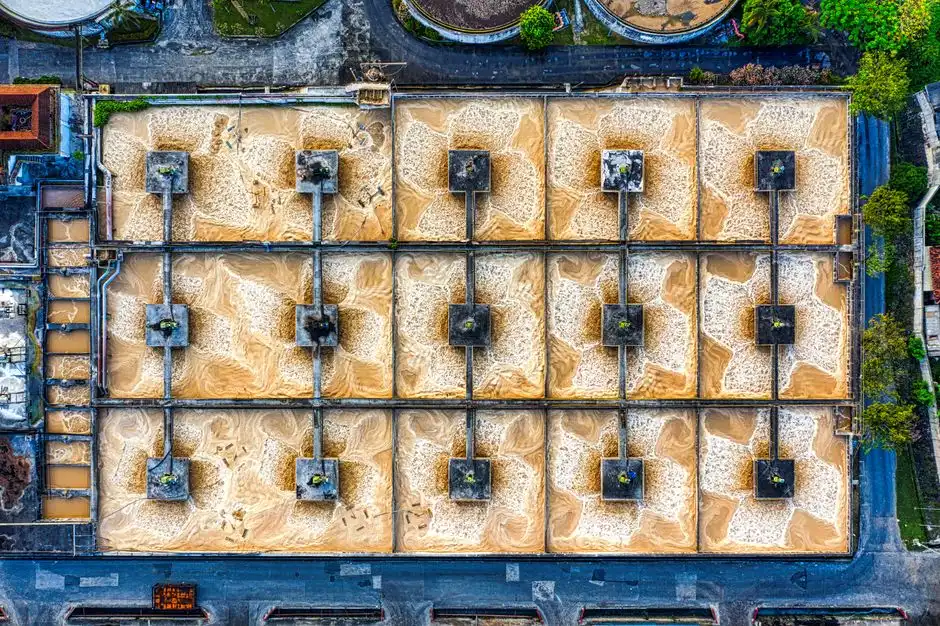
A conventional activated sludge train moves screened and equalized influent through an optional primary clarifier, an aeration basin where biomass oxidizes organics, and a secondary clarifier where biomass separates by gravity. A portion of the settled sludge is returned as return activated sludge (RAS); the rest goes to sludge handling. Disinfection follows, and the clarified overflow discharges or proceeds to reuse polishing.
An membrane bioreactor (MBR) replaces the secondary clarifier with a submerged PVDF ultrafiltration module. Per the HydropureWater verified product catalog (S6), the integrated MBR system combines activated-sludge biology with DF series PVDF flat sheet membrane modules rated at less than 1 μm filtration. Solids are retained in the bioreactor, which can be operated at higher mixed-liquor suspended solids than CAS, and the membrane permeate goes to disinfection and either discharge or reuse. Coarse screening ahead of the reactor is mandatory to protect the membranes — a rotary mechanical bar screen is the typical first stage for either system.
Because MBR separates biomass by membrane filtration rather than settling, the system tolerates the bulking and foaming events that commonly shut down CAS clarifiers in mining and metals service. The trade-off is membrane fouling: the El Baix Llobregat PAC-MBR pilot (S4) reports dTMP/ft (mbar/d) as the key fouling metric and shows that fine-bubble aeration plus PAC dosing controls fouling velocity under variable loading. For Wichita operators, that translates to a need for reliable scour-blower capacity, a clean-in-place (CIP) system sized for the membrane count, and a flux-monitoring discipline that the operations team must own.
Side-by-Side Performance and Operating Parameters
The table below is built from the verified MBR product specification (S6) for the footprint and effluent-quality claims, from the PAC-MBR pilot description (S4) for the fouling-monitoring approach, and from permit-specific items the buyer must request. Where the supplied research does not quantify a value, the cell is marked accordingly so the engineering team can fill it in from vendor data and their current permit.
| Parameter | Conventional Activated Sludge (CAS) | Membrane Bioreactor (MBR) |
|---|---|---|
| Biomass separation | Gravity clarifier (settleability-dependent) | Submerged PVDF UF membrane, <1 μm per S6 |
| Footprint vs CAS baseline | 1.0× reference | ~0.4× reference (60% smaller per S6 product catalog) |
| Effluent TSS / turbidity | Permit-specific; sensitive to clarifier upsets | Near-reuse quality per S6; verify against permit |
| MLSS operating range | Request from vendor (research not supplied) | Higher than CAS typical; request from vendor |
| Sludge yield | Higher waste-activated-sludge volume | Lower yield; verify in pilot |
| Dominant fouling / upset mode | Clarifier bulking, foaming, TSS excursion | Membrane fouling — track dTMP/ft (mbar/d) per S4 pilot method |
| Operator skill required | Conventional; well-documented | Membrane CIP, flux and TMP logging required |
| Energy intensity driver | Aeration and sludge hauling | Membrane scour air typically dominates |
| Capital cost driver | Lower CAPEX, larger civil works | Higher CAPEX for membrane modules, CIP, scour blowers |
| Footprint reference design | Site-specific | Integrated MBR system sized 10–2,000 m³/day per S6 |
For pre-treatment of oil and floatable solids common in fabricated-metals plants, a DAF unit ahead of either biological stage is a frequent selection; it reduces the load on the aeration basin and the membrane in equal measure.
Meeting 40 CFR Part 437: What MBR and CAS Each Leave for the Polishing Step
40 CFR Part 437 applies to the Metal Mining point source category, and the engineering team should obtain the numeric limits from their current Kansas NPDES permit and the EPA effluent guidelines — the scraped research content did not return the specific limit values, so reciting numbers from memory is not defensible in a permit negotiation. What is defensible, and what the supplier should be asked to confirm, is the chain of treatment required to hit those limits.
Both CAS and MBR reduce organics and some suspended metals, but neither precipitates dissolved metals. Upstream lime or NaOH precipitation, sulfide precipitation, or ion exchange is required to hit Part 437 limits regardless of which biological stage the plant chooses. A lamella clarifier for metal precipitation, paired with an automatic chemical dosing system for pH and reagent control, is a typical configuration ahead of the biological reactor.
Because MBR produces a tighter effluent TSS than a settling clarifier, the solids loading on the downstream precipitation and sludge-handling step is reduced. That can shrink the filter press for sludge dewatering that follows — a non-trivial cost when the upstream sludge is laden with metal hydroxides that are difficult to condition. DAF remains a common pre-clarification step for oil and grease and floatable solids in fabricated-metals operations that share Wichita's industrial base.
Wichita-Specific Siting Factors: Climate, Water, Sludge Disposal
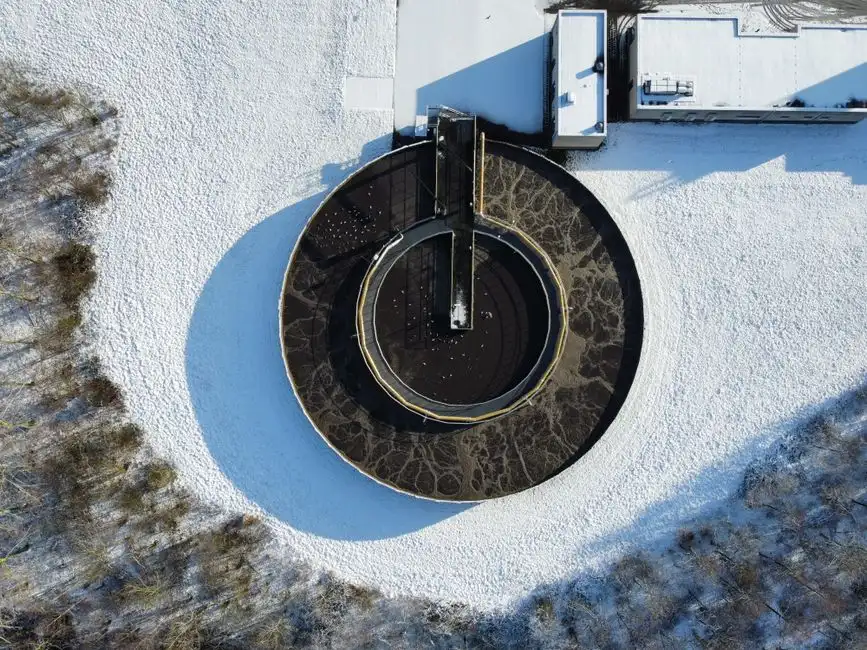
Wichita winter air temperatures regularly drop into the teens °F, and biology slows in both CAS and MBR. Enclosed MBR tanks with submerged membranes retain reactor heat better than open CAS basins, and a covered or buried reactor can sustain nitrification at lower ambient temperatures. The exact winter flux penalty is design-specific, however, and should be requested from the membrane vendor with a guaranteed winter flux number rather than assumed from a generic rate.
Groundwater TDS in central Kansas varies, and a plant that uses local well water for dilution can elevate mixed-liquor salinity in the MBR, which reduces sustainable membrane flux. A jar-test flux trial on the actual site water, run for at least 30 days, is the right input before committing to a design flux.
Sludge disposal drives real lifecycle cost. MBR's lower waste-activated-sludge yield only saves money if the downstream dewatering — a filter press for sludge dewatering or a centrifuge — is correctly sized for the cake solids target the landfill requires. CAS surplus sludge still has to be conditioned and dewatered, and the volume is generally higher, so the cost crossover depends on the local landfill tipping fee as much as on membrane cost.
Any change from CAS to MBR (or vice versa) typically triggers a Kansas NPDES permit modification and possibly an antidegradation review. Treat the permit modification as a 6–12 month critical-path activity in the project schedule, not a side task.
Cost Drivers and Lifecycle Economics for Wichita Operators
MBR typically has higher CAPEX because the membrane modules, scour blower, and clean-in-place (CIP) system are added to a reactor that already costs more to build than a CAS basin of equivalent capacity. CAS has lower CAPEX but higher OPEX in sludge disposal and clarifier maintenance. Where the lines cross depends on electricity tariffs, landfill tipping fees, and labor — three inputs the buyer must gather locally rather than import from another region.
Because the supplied research does not provide Wichita-specific cost figures, the right tool is a vendor RFQ checklist with comparable line items. The buyer should ask each bidder for: CAPEX split (membranes, blowers, CIP, civil, instrumentation); membrane replacement interval in years at the design flux; energy in kWh per m³ at design flux; chemical consumption for CIP and PAC; observed sludge yield in kg TSS per kg BOD removed; and operator hours per week. With those lines normalized, two bids become directly comparable. For sizing context, the HydropureWater verified product catalog (S6) lists the integrated MBR range at 10–2,000 m³/day, which covers most Wichita-area mining and metals plant sizes; the buyer should still confirm hydraulic and contaminant load match per the linked MBR cost-per-m³ and 2026 pricing data.
For an MBR, energy is the single largest OPEX line because membrane scour air typically dominates the electrical load. For CAS, OPEX is dominated by aeration and sludge hauling. The crossover point — the flow rate and tipping-fee combination at which the two systems' annualized costs meet — is site-specific, and a simple two-line OPEX model in a spreadsheet is the right way to present it to finance.
Decision Framework: When to Choose MBR, When CAS Still Wins
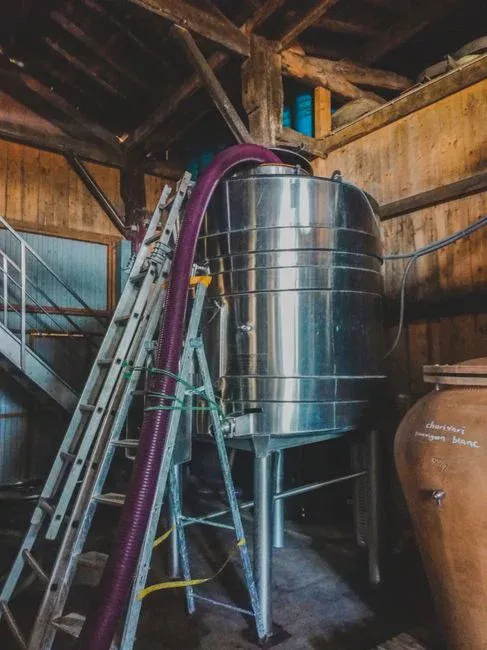
Choose MBR when discharge limits are tight, water reuse is required, footprint is constrained, sludge yield must be minimized, or influent causes chronic clarifier bulking. The MBR case is strongest where the value of a near-reuse-quality effluent — or the cost of building a larger civil footprint — exceeds the membrane OPEX penalty. A useful cross-reference is the parallel MBR vs CAS comparison for another US mining region, which surfaces the same selection logic from a different utility context.
Stay with CAS — or upgrade the existing CAS train — when CAPEX budget is the binding constraint, influent is stable, the site has space for a clarifier and a sludge lagoon, and discharge limits are not near the reuse-water threshold. For pretreatment compliance framing in the same regulatory family, the mining/metals pretreatment compliance playbook for 2026 lays out the permit-side considerations.
A hybrid option is to keep the existing CAS aeration basin and add a sidestream or external MBR cassette on the waste-activated-sludge line, polishing only the recycle stream. This configuration is a vendor-engineered option and is not documented as a verified pilot result in the supplied research, so it should be requested as a quoted alternative rather than assumed. Regardless of the path chosen, on-site jar testing and a 30–60 day membrane pilot are the right gate before commitment, because the acid mine drainage and metal hydroxide sludge chemistry at a given Wichita site will drive fouling and flux in ways that generic pilot data cannot predict.
Frequently Asked Questions
MBR vs CAS for mining wastewater — which is better?
Neither system is universally better; the right answer depends on the 40 CFR Part 437 limits in the plant's current Kansas NPDES permit, the available footprint, the local landfill tipping fee, and whether reuse is required. MBR is the better fit when the effluent must be near-reuse quality, the footprint is constrained, or clarifier bulking is a chronic problem. CAS remains the better fit when CAPEX is the binding constraint, the site has space, and the discharge limits are not near the reuse-water threshold.
How much does an MBR mining wastewater system cost in Wichita?
The supplied research does not provide Wichita-specific cost figures, so a single price cannot be quoted defensibly. The buyer should request a normalized bid from each vendor with a CAPEX split (membranes, scour blowers, CIP, civil, instrumentation), a membrane replacement interval at the design flux, energy in kWh per m³, chemical consumption, and observed sludge yield. Apples-to-apples comparison of those lines is the only way to set a defensible budget for the 10–2,000 m³/day envelope covered by the HydropureWater product range (S6).
Can a conventional activated sludge plant be retrofitted to MBR?
Yes, in many cases the existing aeration basin can be retained and the secondary clarifier replaced with a submerged PVDF membrane cassette, but the supplier must verify hydraulic compatibility, scour-blower capacity, and CIP layout. Because this hybrid retrofit is vendor-engineered and is not documented as a verified pilot in the supplied research, the buyer should request a quoted alternative from each bidder and a site-specific 30–60 day pilot before committing.
Does MBR remove heavy metals under 40 CFR Part 437?
MBR is not a metal-removal process. It retains biomass and reduces TSS, but dissolved metals are removed upstream by lime or NaOH precipitation, sulfide precipitation, or ion exchange. The biological-stage choice affects only the solids load reaching the downstream precipitation and sludge-handling step; the metal-removal chemistry must be designed and operated independently to hit 40 CFR Part 437 limits.
What lead time should a Wichita buyer expect for a 500 m³/day MBR?
The supplied research does not document a Wichita-specific lead time, so a single number cannot be quoted defensibly. The buyer should request a written schedule from each vendor that separates engineering, fabrication, shipping, installation, commissioning, and the Kansas NPDES permit modification, and should add 6–12 months to the critical path for the permit review. Membrane lead time is typically the longest single line item and should be confirmed in writing before contract.