What an Effluent Treatment Plant in Kumasi Has to Actually Do
An effluent treatment plant (ETP) in Kumasi is a process train designed to bring industrial wastewater — typically containing organic wastes, suspended solids, oil and grease, chemicals, metals, and resins — into compliance with Ghana's GS 1212:2019 discharge limits before release or reuse. For Ghanaian industrial sites, recent techno-economic reviews align technology choice to PURC electricity tariffs, which dominate operating cost. Practical energy benchmarks are: UF 0.10–0.45 kWh/m³, AnMBR 0.15–0.40 kWh/m³, aerobic MBR 0.4–2.3 kWh/m³, and RO 0.6–1.5 kWh/m³. Constructed wetlands can deliver OPEX as low as $0.03–0.08/m³ where land permits, and a full-scale Accra UASB plus trickling filter has reached plant SEC 0.23–0.31 kWh/m³ with periods near energy neutrality through biogas recovery.
An ETP is not a single vessel but a sequence of unit operations — headworks, primary clarification, biological treatment, tertiary polishing, disinfection, and sludge handling — each sized to a specific influent profile. Industrial surveys cited in the Ghana review found pharmaceuticals, antimicrobial resistance (AMR) markers, and metals in conventional effluents, indicating that a simple activated sludge train is often under-specified. Kumasi factory owners planning new builds or retrofits should treat the ETP as a configurable train, not a packaged box, and budget for tertiary or membrane polishing where the influent carries refractory organics or metals.
GS 1212:2019 is the governing effluent quality framework for industrial discharges in Ghana, and any vendor proposal should be benchmarked against its limits before a purchase order is signed. Where the discharge target is internal reuse (cooling, gardening, process make-up), the spec is usually tighter than GS 1212:2019 and pulls the design toward UF or RO polishing. Where the target is sewer discharge alone, biological treatment plus disinfection is often sufficient, but only after a documented influent characterisation has confirmed that the upstream loads are within the design envelope.
The Four Effluent Profiles Most Kumasi Factories Actually Generate
Food and beverage, agro-processing, and brewery wastewaters are typically high in BOD and suspended solids but biodegradable, making them a strong fit for anaerobic followed by aerobic biological treatment. The Ghana review documents a full-scale Accra UASB with trickling filter that handled this profile at energy bands directly relevant to Kumasi agro-processors.
Textile and garment effluent carries high colour, salts, and refractory organics that conventional activated sludge often fails to break down. Buyers evaluating a quote based on activated sludge alone for a textile site should require evidence on colour, TDS, and refractory organics removal, and budget for an MBR or RO polishing step. For broader context on the textile sector specifically, the engineering guide on textile wastewater treatment in Ghana walks through the process selection in more detail.
Metalworking, machining, and small foundry waste streams carry oils, emulsions, and heavy metals that will destroy a biological reactor if sent through untreated. DAF pre-treatment is the standard first step for these profiles, separating free and emulsified oils before the stream reaches any biological stage. Skipping DAF on a metalworking site is the single most common reason biological stages underperform in practice.
Hotels, hospitals, and commercial facilities generate lower-strength, variable flows that are well suited to packaged or underground STP designs with disinfection and reuse for landscaping. The wastewater profile is closer to municipal sewage than to heavy industry, which is why package plants dominate this segment. Readers scoping a hotel or hospital project can refer to the guide on hotel and resort wastewater treatment in Ghana for plant sizing and reuse logic.
Across all four profiles, the Ghana review's finding that pharmaceuticals, AMR markers, and metal contaminants are widespread in conventional effluents means that even a "simple" wastewater may need polishing beyond standard activated sludge. A buyer should ask any vendor whether their proposed train has been measured against refractory organics and metals, not just BOD and TSS.
Building the Right Process Train: From Bar Screen to Polishing
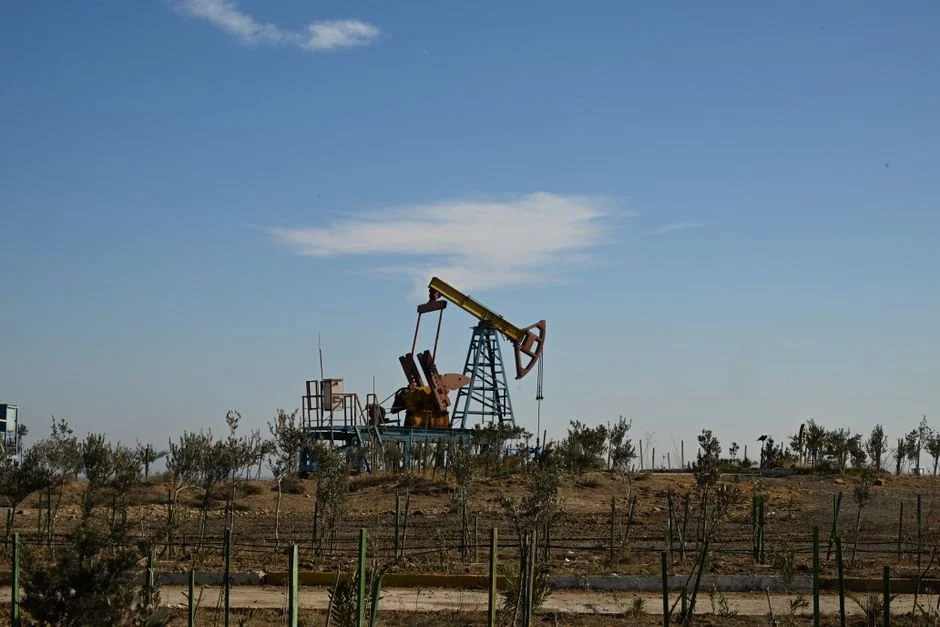
A defensible Kumasi process train starts with a headworks bar screen to protect downstream pumps and biological reactors from rags, plastics, and fibrous debris. Skipping adequate headworks is the most common reason fine screens, aerators, and membranes fail prematurely in West African installations.
Primary treatment then separates settleable and floatable loads. For oils, FOG, and colloids — in metalworking, food, and textile wastewaters — DAF pre-treatment for Kumasi factories is the standard workhorse, with lamella clarifiers used where footprint is constrained. A well-sized DAF removes the bulk of the oil and suspended load that would otherwise overload the biological stage.
Biological treatment is the heart of the train. UASB suits high-strength, biodegradable streams such as brewery, distillery, and starch wastewaters; aerobic MBR biological stage for reuse-quality effluent is the right call where reuse is the goal and skilled operators are available; AnMBR fits low-power polishing or high-strength streams where electricity is constrained. The Ghana review maps each of these options to Ghanaian conditions, with specific energy and OPEX bands the buyer can use to compare proposals.
Polishing tightens the effluent to the discharge or reuse target. UF polishing before reuse or RO is the low-energy workhorse for solids and bacteria removal ahead of reuse; RO is justified only where reuse value covers the energy and brine management overhead. The Ghana review explicitly recommends this sequencing rather than defaulting to RO on every site.
Disinfection and sludge handling close the train. A chlorine dioxide disinfection stage or UV system delivers the final microbial barrier, and a sludge dewatering filter press reduces sludge volume before off-site disposal. Constructed wetlands are a credible tertiary or standalone step where land is available, as detailed in the explainer on how a constructed wetland works.
For lower-strength, variable-flow sites such as hotels and hospitals, a packaged or underground unit such as a package sewage treatment for hotels and hospitals can replace a full train and still meet the discharge target, provided the influent characterisation supports it. Rural or decentralised applications follow similar logic and are covered in the guide on rural sewage treatment in Ghana.
Energy, OPEX and Compliance: What the Ghana Data Actually Says
Electricity at current PURC tariffs is the dominant OPEX driver in Ghana, which makes specific energy the single most important design variable in any ETP proposal. The Ghana review quantifies this directly and reports feasible energy and cost bands for the technologies a Kumasi buyer is most likely to be offered. These are not aspirational figures from a vendor brochure — they are the ranges reported in a peer-reviewed techno-economic assessment of industrial wastewater management in Ghana.
| Technology | Specific energy (kWh/m³) | OPEX band (Ghana review) | Where it fits in Kumasi |
|---|---|---|---|
| UF | 0.10–0.45 | Lowest electricity band; cost driven by membrane replacement | Polishing before reuse or RO |
| AnMBR | 0.15–0.40 | Low energy; suitable where aeration cost is the constraint | Low-power polishing or high-strength streams |
| Constructed wetland | Near-zero operational energy | $0.03–0.08/m³ where land is available (Ghana review) | Tertiary or standalone where land permits |
| Aerobic MBR | 0.4–2.3 | Higher energy; reuse value and skilled operation must be present | Reuse-quality effluent at food, textile, pharma sites |
| RO | 0.6–1.5 | High energy plus brine management; only for high-value reuse | Final reuse at water-scarce sites |
| UASB + trickling filter (full-scale Accra) | 0.23–0.31 plant SEC; near energy-neutral via biogas | Biogas revenue offsets electricity (Accra case in Ghana review) | Agro-processing, brewery, starch sites in Kumasi |
The Accra UASB plus trickling filter data point is significant: the full-scale plant produced 611 ± 275 Nm³/d of biogas at 65% CH₄, with plant SEC of 0.23–0.31 kWh/m³ and periods near energy neutrality, as reported in the Ghana review. For a Kumasi brewery, cassava processor, or starch plant, that translates into a design where biogas use and optimised aeration can offset a meaningful share of PURC-tariff electricity, provided the upstream solids load is high enough to feed the digester.
Site conditions vary too widely for a single Ghana-wide CAPEX figure per cubic metre. A buyer should request a vendor-specific CAPEX broken down by civil works, equipment, instrumentation, and installation, and benchmark it against a minimum of two competing bids before signing.
Choosing an ETP Supplier in Kumasi: A Six-Step Workflow
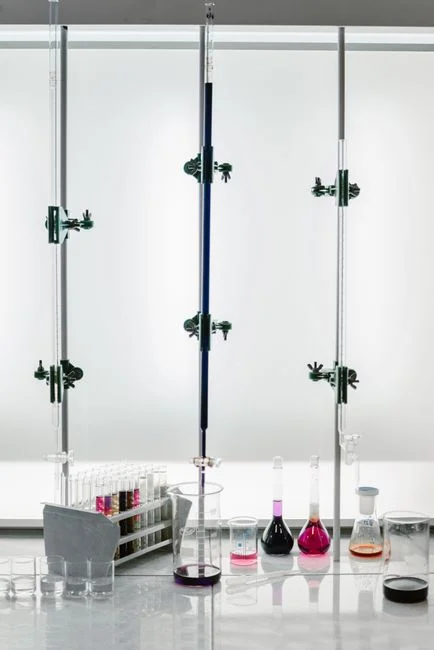
Step 1 — Characterise the influent. Commission a 24-hour composite sampling campaign that covers at least one full production cycle, including flow, pH, COD/BOD, TSS, oils, ammonia, and any site-specific contaminants such as metals, dyes, or phenols. Without this data, every downstream design assumption is a guess.
Step 2 — Define the discharge or reuse target. Anchor it to GS 1212:2019 for environmental or sewer discharge, or to a written reuse specification (cooling, gardening, process) if internal recycling is the goal. The tighter of the two drives the polishing train.
Step 3 — Shortlist two or three process trains. Typical Kumasi comparisons are DAF + MBR + UF + ClO₂ versus UASB + constructed wetland + UV, or AnMBR + RO for high-reuse sites. Request specific energy, OPEX, and sludge yield from each vendor, and check the numbers against the Ghana review bands in the table above.
Step 4 — Audit vendor experience on Kumasi or Ashanti Region sites. Ask for reference plants with measured, not designed, effluent quality, and confirm that the vendor can produce at least one operating site in Ghana with documented performance data.
Step 5 — Confirm after-sales support. Spare-parts availability in Ghana, a local commissioning team, and a written operator-training scope are required. Without them, even a well-designed plant drifts out of spec within months.
Step 6 — Plan for biogas or reuse revenue where the profile supports it. The Accra UASB case in the Ghana review is direct evidence that energy neutrality is achievable on Ghanaian agro-processing streams, and it should be on the table whenever a high-strength biodegradable influent is in play.
Commissioning Checklist Before You Hand Over the Site
Before sign-off, walk the plant with the vendor and verify the following:
- Influent and effluent lab results reconciled against GS 1212:2019, with a documented sampling plan that the operations team can repeat.
- Specific energy measured at design flow on each major unit, compared to the Ghana benchmark bands in the central table.
- Sludge handling tested end-to-end: thickening, dewatering, and the off-site disposal route confirmed in writing.
- Operator training completed with a signed training log and a documented preventive-maintenance schedule, including consumables and spare-parts lists.
Frequently Asked Questions
What discharge standard applies to an effluent treatment plant in Kumasi?
Industrial discharges in Ghana are governed by GS 1212:2019, which the Ghana review identifies as the framework for aligning technology
Frequently Asked Questions
What is the typical cost of an effluent treatment plant in Kumasi for a small factory?
For a small-scale factory in Kumasi, the capital expenditure (CAPEX) for a modular effluent treatment plant typically ranges from $45,000 to $120,000 USD, depending on the daily flow rate and organic loading. This estimate covers the civil works, mechanical equipment, and installation, but excludes land acquisition costs and high-density electrical grid upgrades.
Operational expenditure (OPEX) is highly variable based on local chemical supply chains, but small systems generally incur monthly costs between $500 and $1,500 USD for reagents, electricity, and sludge disposal services provided by licensed waste management firms in the Ashanti Region.
Which ETP technology has the lowest operating cost in Ghana under PURC electricity tariffs?
Anaerobic baffled reactors (ABR) combined with constructed wetlands offer the lowest operating costs in Ghana, as they rely primarily on passive gravity flow and biological digestion rather than energy-intensive aeration blowers. Given that current PURC industrial electricity tariffs significantly impact the bottom line, passive systems can reduce operational energy consumption by 70% to 90% compared to conventional Activated Sludge Processes (ASP).
While passive systems require a larger physical footprint, they eliminate the need for constant mechanical aeration, which is the single largest driver of electricity costs in standard aerobic treatment configurations.
How do I verify that a Kumasi ETP supplier will meet GS 1212:2019 before I sign a contract?
To ensure compliance with the Ghana Standard GS 1212:2019, mandate that the vendor provides a performance guarantee backed by a pilot study or a mass balance calculation specifically modeled for your effluent characteristics. The contract must stipulate that final payment is contingent upon effluent analysis conducted by an EPA-accredited laboratory, confirming that BOD, COD, TSS, and heavy metal concentrations fall within the mandatory discharge limits.
Request documentation of the supplier’s previous projects in Ghana where they have successfully obtained an EPA discharge permit for similar industrial sectors. Verify that the proposed design includes redundant monitoring sensors to ensure real-time tracking of effluent parameters against the GS 1212:2019 discharge thresholds.
What influent data should I send to an ETP vendor in Kumasi to get an accurate design?
To receive an accurate engineering design, you must provide a 24-hour composite sample analysis conducted by a certified laboratory. Essential parameters include the daily hydraulic flow rate (m³/day), peak hourly flow (m³/hr), and chemical characteristics including pH, Biological Oxygen Demand (BOD₅), Chemical Oxygen Demand (COD), Total Suspended Solids (TSS), and Oil & Grease (O&G).
Additionally, disclose the presence of any heavy metals, high salinity, or temperature fluctuations, as these factors dictate the selection of biological versus chemical treatment stages. Providing a 12-month production schedule is also critical to account for seasonal variations in effluent volume and organic strength.
Is an MBR or a constructed wetland the better choice for a Kumasi agro-processing plant?
For a Kumasi agro-processing plant, a Membrane Bioreactor (MBR) is superior if land availability is limited and high-quality treated water is required for internal recycling or irrigation. MBR systems provide a smaller footprint and significantly higher effluent quality, effectively removing pathogens and suspended solids, which is essential if your facility handles high-protein or high-fat waste streams common in local processing.
A constructed wetland is only recommended if the facility has significant surplus land, lower organic loading rates, and a primary goal of low-maintenance discharge into local water bodies. However, agro-processing waste is often too concentrated for wetlands to handle without extensive primary pre-treatment, making MBRs the more robust solution for industrial-scale compliance.