Why the DAF or Clarifier Question Hits a Columbus Mining Plant Differently in 2026
For a 2026 Columbus mining or metals plant, the DAF-vs-clarifier choice is not a single answer — it is set by which fraction dominates the stream. A 2026 specification written from a vendor preference rather than a stream fraction is the most common reason a Columbus-area RFQ lands on a re-bid: the top-ranking guides either default to one mechanism or the other without naming the local regulatory stack.
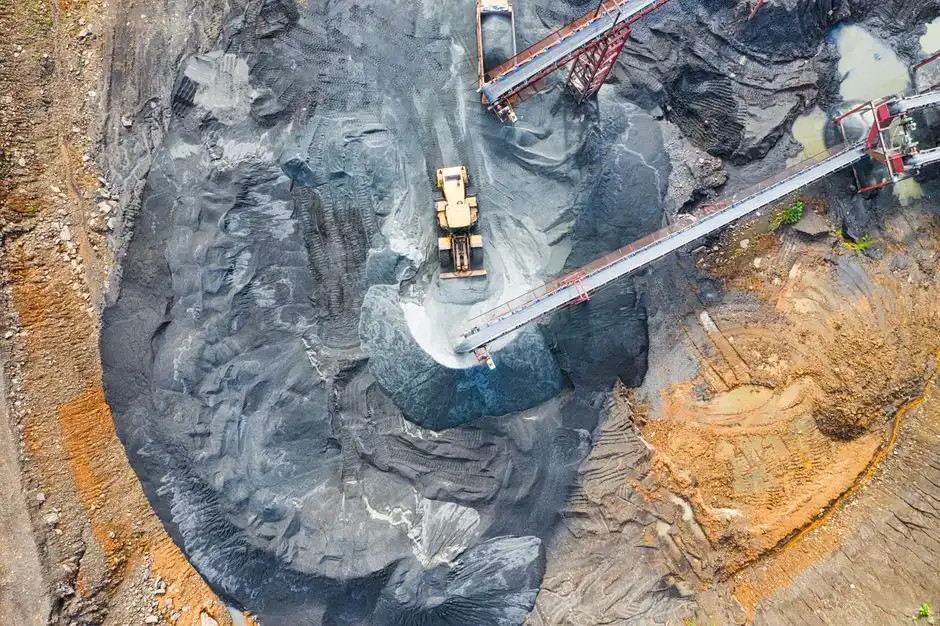
A Columbus, US plant stream is multi-fraction: dense mineral fines from a tailings thickener overflow or mill discharge, colloidal clays that do not settle cleanly, oils and greases from mobile equipment, residual flotation reagents, and dissolved heavy metals that have crossed the pH boundary (Fluence application note, in S1). Neither unit alone covers the full envelope: a single-mechanism clarifier discharges colloidal, buoyant, and dissolved loads, and a DAF unit forced onto raw tailings is overwhelmed by the silt and clay fraction it cannot lift (Fluence; Clearwater Industries, in S1). The 2026 spec must layer in 40 CFR Part 440 (Ore Mining and Dressing Point Source Category) plus Ohio EPA NPDES and pretreatment limits, a regulatory frame none of the top three results name. The fraction-first rule that drives the rest of this guide is laid out in the fabricated-metals DAF vs clarifier guide for a sister US plant and adapted here for the Columbus ore-processing, smelter, and finishing flows.
How Each Unit Actually Separates Solids
A dissolved air flotation (DAF) unit separates suspended matter by attaching micro-bubbles to flocculated particles and floating the resulting aggregate to the surface, where a skimmer pulls the sludge blanket into a collection trough (Clearwater Industries, in S1). The bubbles are 30–50 µm in diameter, small enough to adhere to oil droplets, fine precipitates, biological flocs, and the loose floc produced by polymer conditioning. At startup the tank is filled with clean water because a recirculation loop pulls clarified effluent, pressurizes it with air, and returns the saturated stream; on depressurization the micro-bubbles nucleate and attach to the incoming floc, and clarified water is withdrawn below the sludge blanket (Clearwater Industries). DAF is paired with chemical conditioning: coagulant, pH adjustment, and polymer flocculant are dosed either into 15–45 s flocculation tubes or into impeller mix tanks for longer contact, and the contact time and dose are set empirically by jar testing (Clearwater Industries). The standard mechanical configurations are the Clearwater FPAC low-built cross-flow unit for small-to-medium flows with very high contaminant loads, the FPBC high-profile lamella for low-to-medium loads with very low overflow rates, and the FPHF hybrid cross/counter-flow unit for large flows with medium-to-large loads (Clearwater Industries).
A clarifier separates by gravity. Particles with specific gravity greater than water settle under the surface overflow rate set by the tank geometry, sludge is withdrawn from the bottom, and clarified water overflows a peripheral launder. A conventional clarifier is the workhorse of mineral processing — a thickener on the tailings side, a primary sedimentation tank ahead of any downstream treatment — and its performance is set by particle settleability, surface overflow rate, and the sludge withdrawal mechanism. Lamella designs compress the footprint of that same mechanism: inclined plates multiply the effective settling area inside a much smaller tank volume, which raises the allowable surface loading rate. Lamella plates do not change the mechanism — colloidal fines, oils, surfactants, and dissolved metals still pass — which is why a DAF unit, not a lamella, is the documented selection for the colloidal and buoyant load (Fluence; Clearwater Industries). The mechanical pairing for a Columbus plant is a HydropureWater high-efficiency lamella clarifier (20–40 m/h surface loading) sized for the settleable fraction, with a downstream DAF targeting what gravity leaves behind.
DAF vs Clarifier: The 2026 Selection Matrix
Performance is chemistry-limited, not tank-limited: the Logan, Utah wastewater treatment plant study recorded an optimum dose of 30 mg/L aluminum sulfate for algae and phosphorus removal on a lagoon effluent, and the work explicitly framed DAF optimization as an empirical jar-test exercise rather than a default supplier value (Elder, 2011, Utah State University, digitalcommons.usu.edu/etd/1072). Capital expenditure for industrial-grade DAF systems ranges from $150,000 to over $1,500,000 depending on flow and materials of construction, and a 20–30% premium applies for 316L stainless steel or specialized coatings to resist acidic or abrasive mineral slurries (S1). The matrix below scores the two units against the contaminant fractions a 2026 specification has to address.
| Parameter | DAF system for mining and metals wastewater | Lamella or conventional clarifier for mineral fines |
|---|---|---|
| Dominant mechanism | Micro-bubbles (30–50 µm) attach to floc and float it to the surface; skimmer removes sludge (Clearwater Industries) | Gravity settling; lamella plates increase effective settling area for the same footprint |
| Target fraction | Oils, greases, flotation reagents, biological flocs, fine precipitates, colloidal fines after coagulation (Fluence) | Dense mineral fines, tailings, metallurgical sludges with specific gravity greater than water |
| Unsuitable for | High silt and clay loadings, which DAF is not well suited to lift (Fluence) | Emulsified oils, colloids, and low-specific-gravity precipitates that do not settle |
| Chemistry dependence | Coagulant, pH, and flocculant dose set by jar testing; 30 mg/L aluminum sulfate optimum in the Logan, UT USU 2011 study | Coagulant aid is optional; performance is governed by surface overflow rate and sludge withdrawal design |
| Sludge output | Thick floated sludge that may need little further dewatering (Clearwater Industries) | Thickener underflow; usually handled by a thickener or filter press |
| Footprint | Compact tank; high-rate designs available for medium-to-large flows | Large civil footprint for conventional units; lamella designs compress the footprint significantly (20–40 m/h surface loading) |
| Role in a combined train | Primary for oil/reagent/colloid loads; polisher after a clarifier for combined streams | Primary for bulk settleable solids; pre-step ahead of DAF in a combined train |
| Process-water benefit | Documented for recycling process water and materials in mining waste treatment (Fluence) | Recycles clarified supernatant; does not address colloidal or buoyant load |
For most combined streams the matrix points to a clarifier ahead of a DAF polisher, and the HydropureWater DAF system (4–300 m³/h across 13 standard models) covers the flow envelope a Columbus plant is likely to send through a 2026 RFQ.
Per-Stream Picks for Columbus Mining and Metals Plants
Translating the matrix into a per-stream pick is where the 2026 specification writes itself. The four streams a Columbus, US plant is most likely to send through the RFQ are tailings thickener overflow, smelter and metal-finishing rinse, acid mine drainage (AMD) neutralization overflow, and combined plant effluent. Each stream carries a different dominant fraction, and the unit pick follows that fraction, not the vendor preference.
| Stream | Dominant fraction | 2026 unit pick | Why |
|---|---|---|---|
| Tailings thickener overflow / mill discharge | High silt and clay | Lamella clarifier first; DAF as downstream polisher | DAF is not well suited for water sources with high levels of heavier particles that do not float (Fluence) |
| Smelter and metal-finishing rinse | Low-density metal precipitates, residual flotation reagents, trace oils | DAF primary with chemical conditioning | Users cite efficient heavy-metal and oil-waste removal as a documented benefit (Fluence) |
| AMD neutralization overflow | Hydroxide-metal precipitates, colloidal fines | pH adjust + flocculation, then DAF as polisher | Precipitates do not settle cleanly; DAF targets the colloidal and precipitated metal fraction (Clearwater Industries) |
| Combined plant effluent | Mixed settleable + colloidal + buoyant | Lamella clarifier ahead of a DAF polisher | DAF effluent still typically needs filtration or membrane polish before reuse or discharge (S1) |
For a facility building a recycle loop, DAF is named as a tool for recycling process water and materials in mining waste treatment, which is directly relevant to 2026 water-reuse economics (Fluence). The chemical conditioning step is best handled by a PLC-controlled coagulant and flocculant dosing skid so the dose stays at the value jar testing sets.
Compliance Frame: 40 CFR Part 440, Ohio EPA, and the Jar-Test Anchor
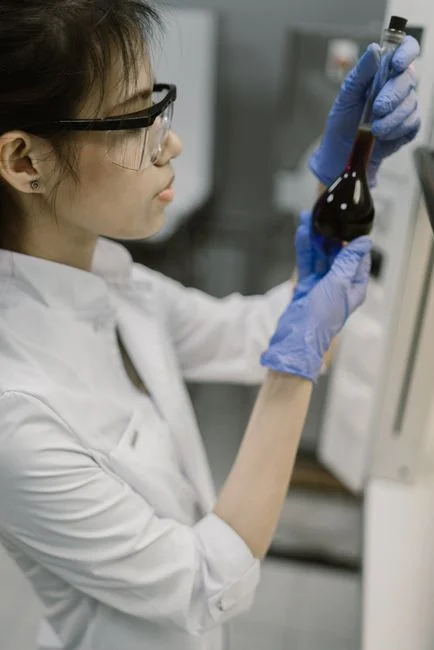
A defensible 2026 spec for a Columbus discharge point has to name the regulatory stack: the EPA Effluent Guidelines at 40 CFR Part 440 (Ore Mining and Dressing Point Source Category) set the federal envelope, and Ohio EPA general pretreatment and NPDES limits layer on top. None of the top-ranking comparison pages name Part 440 or the Ohio EPA frame, which is the gap this guide is built to close. Vendors should be asked for ISO 9001 certification and evidence of compliance with local discharge regulations including 40 CFR Part 440 (S1). The influent characterization the vendor will expect is TSS, particle size distribution, pH, temperature, and dissolved heavy-metal concentrations (Cu, Pb, Zn), plus bench-scale jar testing that identifies the optimal coagulant and flocculant doses and the required rise rate (m/h) for clarifiers or air-to-solids ratio for DAF units (S1). The Logan, UT USU 2011 study is the single most defensible 2026 input because it explicitly framed DAF dose optimization as an empirical exercise — the 30 mg/L aluminum sulfate optimum is not a default supplier value but a measured jar-test result (Elder, 2011, Utah State University). For a Columbus engineer defending the dose in front of a regulator or a plant manager, that study is the citation. Tank-side reliability matters as well, and the 2026 maintenance schedule for sand and grit in wastewater tanks pairs with this compliance frame because the silt load a clarifier faces is also the load that drives the grit accumulation that knocks DAF performance down.
DAF Retrofit vs New Clarifier: When to Add Capacity Without Building New Tanks
Tightening heavy-metal discharge limits in 2026 push factories to remove the colloidal and precipitated metal fraction that escapes a clarifier alone — exactly the fraction DAF targets, with heavy-metal and oil-waste removal cited as a documented benefit (Fluence). For a Columbus plant that already has a clarifier on site and is being asked to do more, the practical 2026 path is a DAF retrofit on the clarifier overflow, with the chemical conditioning skid and sludge-dewatering step quoted as a single line so the sludge-handling saving is visible. The flow-range envelope for a retrofit is well documented: HydropureWater DAF systems cover 4–300 m³/h across 13 standard models; H2Flow's Alpha and Delta cover 5–180 m³/h, Gamma 225–600 m³/h, PWL 200–260 m³/h, and Sigma 500–1,000 m³/h (S5), giving the engineer a defensible envelope to match an existing clarifier overflow. The cost lever inside the train is the thick floated sludge that may need little further dewatering, which lowers the downstream sludge-handling line item and is directly relevant to ZLD economics in 2026 (Clearwater Industries). A plate and frame filter press for DAF or clarifier underflow is the standard downstream dewatering step, and quoting it inside the same line item makes the sludge-handling saving visible to procurement.
Vendor Qualification Checklist for a 2026 Columbus RFQ
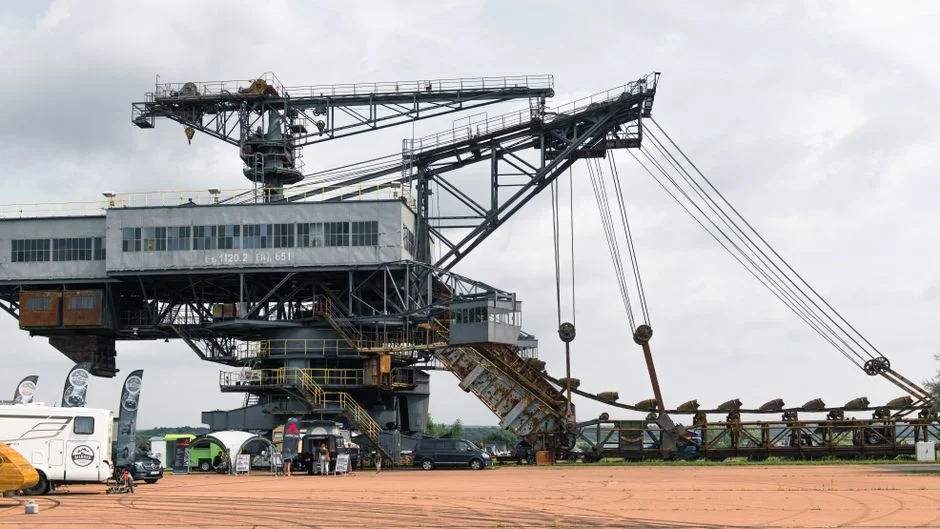
The procurement reader needs a short, defensible checklist that can be read into the next purchasing meeting without translation. Ask for documented pilot study data from similar metallurgical processes and post-commissioning support for automated chemical dosing (S1). Confirm ISO 9001 and evidence of compliance with 40 CFR Part 440 and Ohio EPA NPDES and pretreatment limits (S1). Require influent characterization data — TSS, particle size, pH, temperature, dissolved Cu/Pb/Zn — and bench-scale jar-test results identifying the optimum coagulant and flocculant doses (S1). Get the DAF, chemical conditioning skid, and sludge-dewatering step quoted together so the cost of thick floated sludge that needs little further dewatering is visible (Clearwater Industries). The research does not supply a 2026 unit price for either a DAF or a clarifier, so request a budgetary quotation tied to the specific flow, TSS, and contaminant-fraction profile rather than accepting a generic band. The 2026 dosing-pump selection for multi-zone wastewater skids guide pairs with this checklist because the conditioning skid is the line item that holds the jar-test dose in production.
Frequently Asked Questions
For a 2026 Columbus mining/metals RFQ, should we specify a DAF or a clarifier?
The unit pick is fraction-driven, not vendor-driven. A lamella clarifier is the workhorse for dense, settleable mineral fines from a tailings thickener overflow or mill discharge; a DAF unit is the documented selection for oils, flotation reagents, fine precipitates, and colloidal fines after coagulation (Fluence; Clearwater Industries). For most combined streams the 2026 spec is a lamella clarifier ahead of a DAF polisher, with the DAF effluent typically needing a filtration or membrane polish before reuse or discharge (S1).
What is the defensible 2026 jar-test anchor for a DAF coagulant dose in Columbus?
The single most defensible 2026 input is the Logan, UT USU 2011 study, which recorded an optimum dose of 30 mg/L aluminum sulfate for algae and phosphorus removal on a lagoon effluent and explicitly framed DAF optimization as an empirical jar-test exercise rather than a default supplier value (Elder, 2011, Utah State University, digitalcommons.usu.edu/etd/1072). Use that figure as a starting point and re-derive the dose on the actual Columbus stream in bench-scale jar tests before locking the RFQ.
What is the 2026 CAPEX band for an industrial DAF, and what drives the premium?
Capital expenditure for industrial-grade DAF systems ranges from $150,000 to over $1,500,000 depending on flow and materials of construction, and a 20–30% premium applies for 316L stainless steel or specialized coatings to resist acidic or abrasive mineral slurries (S1). The research does not supply a 2026 unit price for a clarifier, so request a budgetary quotation for both units tied to the specific flow, TSS, and contaminant-fraction profile rather than accepting a generic band.
How do we qualify a DAF or clarifier vendor for a 2026 Columbus RFQ under 40 CFR Part 440?
Ask for documented pilot study data from similar metallurgical processes, ISO 9001 certification, and evidence of compliance with local discharge regulations including 40 CFR Part 440 (S1). Require influent characterization data — TSS, particle size, pH, temperature, dissolved Cu/Pb/Zn — and bench-scale jar-test results identifying the optimum coagulant and flocculant doses, plus the rise rate (m/h) or air-to-solids ratio the design is sized against (S1). The DAF, chemical conditioning skid, and sludge-dewatering step should be quoted as a single line so the thick-sludge cost lever is visible (Clearwater Industries).