Why Mwanza Needs Engineered Effluent Treatment in 2026
The 2023 Centre for Science and Environment "Lake Victoria Roadmap for Management of Water Quality in Mwanza City" identifies industrial effluent, domestic sewage, and poor solid-waste management as the dominant contamination sources for the lake shoreline in Mwanza. The same roadmap names the Mirongo and Nyashishi rivers as the principal pollution corridors carrying that loading into the lake.
For a plant engineer or EHS manager, that classification converts directly into a 2026 design brief. Any facility discharging into those two catchments, into municipal sewers that overflow into them, or directly to Lake Victoria, cannot rely on septic-based or partial treatment. An engineered effluent treatment plant in Mwanza is required to remove biodegradable load, FOG, suspended solids, ammonia and the colour/salt load typical of Lake-Victoria-side industries before the stream reaches the lake or a reuse point.
Treated right, an ETP is also a water-security asset. Closing process loops reduces raw-water draw from a lake system that is already under documented stress, and gives a facility a defensible position with Tanzanian regulators, ESG auditors and downstream customers who increasingly audit their supply chain's water footprint.
Which Mwanza Industries Drive ETP Design Choices
Lake-Victoria-side Mwanza is dominated by fish processing, dairy, beverage and brewery, grain milling, textile and tannery operations. Each generates a characteristic load that dictates the pre-treatment train and the biological regime; no single standard ETP fits all of them.
Fish and dairy plants discharge high BOD together with oil, grease, blood and soluble protein. That profile pushes the design toward fine screening, a dissolved air flotation system for Mwanza ETP pre-treatment or lamella clarifier for FOG and colloids, and a biological stage sized to a high, often seasonal, organic load.
Textile and tannery effluents are a different problem: high COD, strong colour, sulphide, and chromium risk. Those require pH correction, chemical precipitation, equalisation for shock loads, and a polishing step such as advanced oxidation or membrane separation to meet colour and metal targets.
Beverage and brewery effluents carry very high biodegradable BOD with sharp seasonal peaks from canning or fermentation campaigns. The right answer is generous flow equalisation upstream of a high-rate biological system, not a membrane stage that would be overloaded by slug discharges.
The available data does not publish per-industry flow or loading values for Mwanza, so any sizing exercise has to start with a 24-hour composite sampling campaign on site. Without that data, the design basis is guesswork.
Anatomy of a 2026 Mwanza Effluent Treatment Plant
A modern Mwanza ETP is a train of unit processes, each solving a specific problem. Skipping a step usually shows up later as poor effluent quality, foaming, or membrane fouling.
The headworks remove coarse solids before they damage downstream equipment. A rotary bar screen for ETP headworks handles rags, plastics and grit in a single automatic step, which matters on Lake-Victoria sites where wind-blown debris and fish-processing offal can overload a manual screen in a single shift.
Primary treatment strips FOG, suspended solids and colloids. A DAF unit is the workhorse for fish, dairy and edible-oil plants; lamella clarifiers suit lower-FOG streams such as beverage or grain-milling waste. The clarified stream then moves to biological treatment, while the float or sludge is sent to a sludge dewatering filter press for the ETP sludge line so the plant does not generate a parallel waste-handling problem.
Biological treatment is the workhorse. Activated sludge, SBR, MBR or MBBR are all in use across East African food and beverage plants; the choice depends on footprint, load variability, and whether the target is discharge-only or reuse-class effluent.
Tertiary polishing closes the gap to reuse or strict discharge targets. The University of Twente PhD by Schrader (2022) shows direct nanofiltration can polish WWTP effluent to standards suitable for agricultural or indirect potable reuse, which is the technical anchor for specifying an MBR plus membrane polish train. Constructed wetlands (Wageningen thesis 8189 by Lei) are an evidence-backed option for micropollutant removal, particularly where personal-care or pharmaceutical residues are a concern. Sand or activated-carbon filtration sits between these as a lower-cost polish step.
Disinfection — chlorine dioxide or UV — is the last unit operation before the treated stream is discharged or recycled, and it is the step that actually meets the microbiological targets a reuse loop demands.
| Stage | Unit Process | Primary Function | Typical Mwanza Trigger |
|---|---|---|---|
| Headworks | Rotary bar screen, grit removal | Remove rags, plastics, grit | All flows; protects downstream equipment |
| Primary | DAF or lamella clarifier | Strip FOG, suspended solids, colloids | Fish, dairy, edible-oil, tannery |
| Biological | ASP / SBR / MBR / MBBR | Reduce BOD, COD, ammonia | All flows; choice driven by reuse target and footprint |
| Tertiary | Nanofiltration, constructed wetland, sand/AC | Polish to reuse or strict discharge limit | Reuse loops, colour, micropollutants |
| Disinfection | UV or chlorine dioxide | Meet microbiological targets | Reuse, food-plant discharge |
| Sludge | Thickener + plate-and-frame press | Reduce sludge volume for disposal | All flows; controls lifecycle cost |
Choosing the Right Biological Stage: MBR vs SBR vs Conventional ASP
The single biggest design decision in a 2026 Mwanza ETP is the biological regime. It sets footprint, OPEX, effluent quality and whether reuse is realistic.
An MBR combines suspended-growth biology with a membrane solids separation step. The payoff is a compact footprint, very high effluent quality, and a stream that is already close to reuse spec — so a downstream compact MBR system for reuse-class effluent in Mwanza can feed a nanofiltration polish or a cooling-tower make-up line directly. MBR also tolerates the load shocks that hit fish and dairy processors during campaign runs. The trade-off is membrane replacement cost and the energy draw of the permeate pump.
An SBR is a time-based rather than space-based separator: fill, react, settle, decant in a single tank. It is mechanically simpler, has no membranes to replace, and handles variable flows well, which is why it is popular at smaller fish and dairy plants across East Africa. Effluent quality is lower than MBR but usually adequate for discharge to a sewer or a polishing wetland.
Conventional activated sludge with a separate clarifier is the lowest CAPEX option where land is available and discharge-only is acceptable. The footprint is the largest, and effluent consistency is the weakest of the three, which is why most new 2026 builds in land-constrained Mwanza sites are moving away from it.
The reuse-yield benchmark to write into a Mwanza specification is the Interwaste Mpumalanga project, which reports up to 90% recovery of treated effluent as clean water from a South African ETP (Interwaste, 2025). Nanofiltration polishing of WWTP effluent, demonstrated in the University of Twente PhD, is the citable technical basis for treating that recovered water to agricultural or indirect potable reuse quality. For a fish processor or dairy on Lake Victoria, that combination is what turns the ETP from a compliance cost into a water-security asset.
| Process | Footprint | Effluent Quality | Reuse Suitability | Best-Fit Mwanza Site |
|---|---|---|---|---|
| MBR | Small | High, consistent | Direct reuse with polish | Land-constrained, reuse-priority plants |
| SBR | Moderate | Good, variable | Discharge or wetland polish | Variable-flow fish/dairy plants |
| Conventional ASP + clarifier | Large | Moderate | Discharge only | Large footprints, low CAPEX priority |
Compliance, Reuse and Environmental Safeguards for Lake Victoria
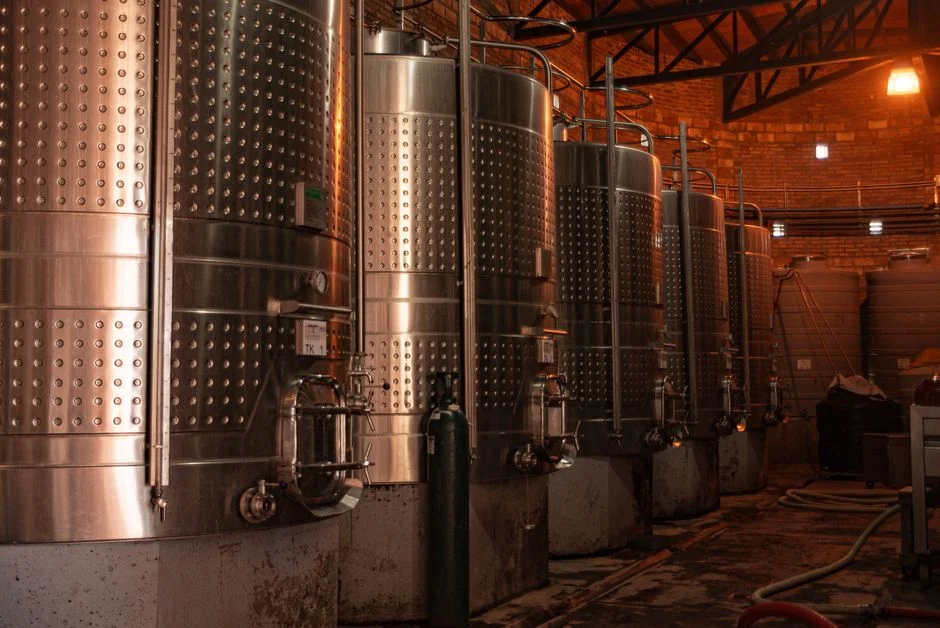
Regulatory pressure on Lake-Victoria-side discharges is tightening, and the CSE roadmap explicitly flags the Mirongo and Nyashishi catchments as the pollution-source corridors that Mwanza's regulators and ESG-conscious buyers are now focused on. The practical engineering response is to route treated effluent away from those corridors wherever the site layout allows, and to document load reduction against the raw influent so the facility can answer both a Tanzanian regulator and a buyer-side ESG audit with the same data set.
For plants aiming to reuse process water, the Wageningen thesis 8189 work on constructed wetlands for micropollutant removal gives a defensible polishing argument against personal-care and pharmaceutical residues that a standard biological stage will not break down. Combined with the University of Twente nanofiltration evidence, it supports a reuse train that holds up under technical scrutiny.
Discharge-only designs are lower CAPEX but forfeit the water-security and circular-economy narrative that 2026 stakeholders expect. A facility that cannot credibly demonstrate reuse readiness is also more exposed if local discharge rules tighten mid-life of the asset.
The available data does not quote specific Tanzanian effluent parameter limits for BOD, COD, TSS or pH, so the design basis has to be locked against the current NEMC and TBS standards obtained directly from the regulator before procurement. Any supplier quoting to a Mwanza buyer should be asked which edition of those standards their guarantee is written against.
Procurement and Delivery: What a 2026 Mwanza ETP Project Actually Requires
An ETP project fails more often in procurement than in engineering. The site-survey inputs the supplier needs up front are non-negotiable: a 24-hour composite influent characterisation, peak versus average flow, available footprint, nearest discharge point, distance to Lake Victoria or to the Mirongo and Nyashishi catchments, and grid or generator power availability. Without these, the supplier is sizing blind.
The engineering deliverables to demand in the contract are a process flow diagram, P&ID, hydraulic profile, an itemised equipment list with makes, a PLC scope, and a commissioning plan with operator training. Containerized MBR sizing methodology is a useful reference when the Mwanza site footprint is tight or the project is being delivered as a phased build.
Logistics in Mwanza is the variable that most often breaks the schedule. Confirm port-of-entry routing through Dar es Salaam, inland transport time, and containerisation limits for skidded units, and verify that the site can physically offload a 40 ft load. For aquaculture-adjacent plants, the MABR design for aquaculture and fish-processing effluent reference covers the load profile that fish processors will recognise.
Spare parts and service are where long-term cost is decided. Insist on a recommended spares list at handover, a named local agent or regional service partner, and remote-monitoring capability on the PLC — remote sites around Lake Victoria cannot wait weeks for a flying engineer. The automatic chemical dosing for pH, coagulant and nutrient control scope should be specified with chemical storage and dosing lines that a local operator can actually run. For broader regional context, the East-Africa industrial wastewater engineering guidance covers comparable logistical constraints, and the African industrial discharge-limit benchmarking reference is a useful cross-check when setting reuse or discharge targets.
Write the Interwaste 90% reuse benchmark and the University of Twente nanofiltration work into the technical specification as defensible performance anchors. They are citable, recent, and give the buyer something concrete to point to when the supplier's guarantee is being negotiated.
Frequently Asked Questions
What does an effluent treatment plant for a Mwanza fish processor typically cost in 2026?
Pricing for a Mwanza ETP is not standardized, and any per-cubic-metre
Frequently Asked Questions
How much does an effluent treatment plant in Mwanza cost in 2026?
For a medium-scale industrial facility in Mwanza, capital expenditure (CAPEX) for a 2026-compliant effluent treatment plant typically ranges from $150,000 to $650,000 USD, depending on flow capacity and raw effluent load. Operational expenditure (OPEX) should be budgeted at $0.40 to $0.85 per cubic meter of treated water, accounting for electricity, chemical dosing, and sludge management.
Which ETP technology is best for a fish processing plant near Lake Victoria?
Due to the high organic load (BOD/COD) and protein content typical of fish processing, a Membrane Bioreactor (MBR) combined with Dissolved Air Flotation (DAF) is the recommended configuration. The DAF unit effectively removes fats, oils, and grease (FOG) as a pretreatment step, while the MBR ensures the high-quality effluent required for sensitive ecosystems near Lake Victoria by providing superior pathogen and suspended solids removal.
What influent data do I need to provide before an Mwanza ETP supplier can quote?
To receive an accurate quote, you must provide a laboratory-certified analysis of your raw effluent, including daily flow rates (m³/day) and peak hourly flow. Critical chemical parameters required include BOD5 (mg/L), COD (mg/L), Total Suspended Solids (TSS), Total Nitrogen (TN), Total Phosphorus (TP), pH range, and oil/grease concentrations.
Can a Mwanza effluent treatment plant reuse 90% of its water like the South African benchmark?
Yes, achieving a 90% water recovery rate is technically feasible in Mwanza by integrating Tertiary Treatment stages, specifically Reverse Osmosis (RO) following an MBR system. While this significantly reduces freshwater intake and discharge volumes, it requires a robust anti-scalant chemical program and high-pressure pumps, increasing energy consumption by approximately 25-40% compared to standard discharge-grade treatment systems.
What permits and Tanzanian discharge standards apply to an ETP discharging toward Lake Victoria?
Facilities must adhere to the Environmental Management (Water Quality Standards) Regulations of 2007, which are strictly enforced by the National Environment Management Council (NEMC) for Lake Victoria basin discharges. You are required to obtain a Water Discharge Permit from the Ministry of Water and conduct quarterly environmental audits. Effluent must meet stringent limits, generally requiring BOD5 below 30 mg/L and TSS below 30 mg/L, with specific restrictions on phosphorus and nitrogen to prevent eutrophication in the lake.