What Is a Water Treatment System and How Does It Work?
An industrial water treatment system is an engineered combination of physical, biological, and chemical unit processes that removes contaminants from water so it can be safely discharged or reused. Most systems follow a four-stage train: pretreatment (screening and grit removal), primary treatment (sedimentation for suspended solids), secondary treatment (biological processes that break down dissolved organics using microorganisms in aeration tanks), and tertiary or advanced treatment (filtration, disinfection, or membrane separation for polishing). Configuration depends on influent characteristics, required effluent quality, and whether the goal is discharge to a sewer, surface water, or water reuse. Sludge handling, automation, and compliance monitoring are integral parts of the system.
The four-stage model describes municipal plants and serves as a framework for vendor discussions. At the front end, bar screens and grit chambers protect downstream equipment from debris and abrasion. Primary treatment relies on gravity: heavier suspended solids settle in sedimentation tanks while oils and grease float to skimmers. Secondary treatment introduces microorganisms in aeration tanks that metabolize dissolved and suspended organics—the stage that addresses most of the biochemical oxygen demand (BOD). Tertiary polishing—filtration, activated carbon, membrane separation, disinfection—pushes the effluent to the discharge or reuse target. U.S. regulation sets the floor for municipal-style plants: the EPA requires 85% removal of suspended solids from wastewater before discharge (Philadelphia Water Department).
Two by-products define the back end of any system. First, sludge is the principal by-product of treatment and must be thickened, dewatered, and disposed of or further processed at the same facility or at a separate sludge treatment plant (Wikipedia). Second, where anaerobic processes are used, methane-rich biogas can be recovered as an energy by-product (Wikipedia)—a design point common in food and beverage projects. Industrial wastewater is a broad category that may require on-site pretreatment before discharge to a municipal plant, which is why most factory systems look like a hybrid of a small municipal plant and a process skid package (Wikipedia). The filter bed engineering guide covers one common tertiary option in more detail.
Why Industrial Facilities Need Dedicated Water Treatment Systems in 2026
Industrial wastewater is heterogeneous; a single facility can produce process water, cooling tower blowdown, boiler blowdown, cleaning water, and sanitary streams, each with different contaminant loads (Wikipedia). This heterogeneity requires designs that differ from standard municipal systems. The second factor is the discharge destination—municipal sewer, surface water, land application, or on-site reuse—which sets the required effluent quality and dictates specific cost, compliance, and reporting obligations.
Buyers in 2026 should monitor a standard set of parameters: BOD, chemical oxygen demand (COD), total suspended solids (TSS), fats/oils/grease (FOG), pH, total dissolved solids (TDS), heavy metals, and microbiological indicators such as coliforms (Wikipedia). Actual site values must come from a site-specific influent characterization; generic ranges are not a basis for equipment sizing. Three qualitative pressure points shape 2026 project justification: tighter enforcement of categorical pretreatment limits on industrial discharges, growing scrutiny of emerging contaminants such as PFAS and trace organics (Frontiers in Microbiology, 25 September 2025), and rising water-stress economics, which push facilities toward reuse rather than once-through discharge. These pressures dictate how the tertiary stage is specified. For site-specific COD targets, the 2026 COD discharge limit guide walks through how standards vary by jurisdiction.
The Four Stages of an Industrial Treatment Train
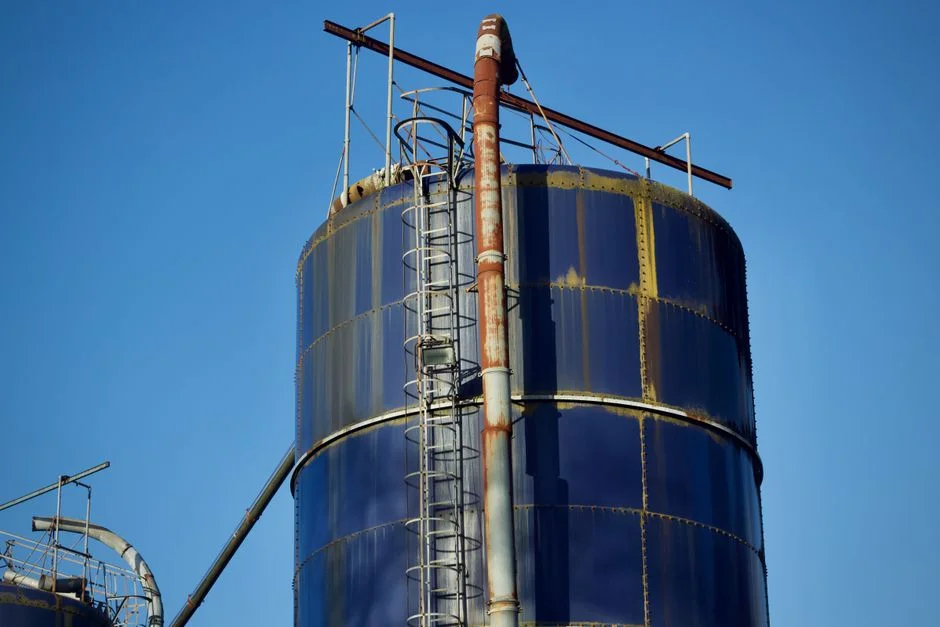
The treatment train follows a sequential process to ensure effective contaminant removal. Pretreatment is mechanical protection. Wastewater first passes through racks and screens that remove debris, then through grit chambers where heavy particles such as sand and gravel settle out before they can damage pumps and clarifiers (Philadelphia Water Department). A flow equalization basin is usually paired with screening so that hydraulic and load spikes from batch processes do not overload downstream units. This is also the stage where a rotary mechanical bar screen typically sits on the inlet works of a packaged plant.
Primary treatment is physical separation. Wastewater flows slowly through sedimentation tanks so settleable solids drop to the bottom; floatables such as scum, oil, and grease are skimmed off the top (Philadelphia Water Department). Primary sludge is scraped out and pumped onward for handling. A dissolved air flotation (DAF) system is the workhorse for streams with high FOG or food-processing loads, because it lifts fine suspended matter and emulsified oils to the surface faster than gravity settling alone.
Secondary treatment is biological. Microorganisms in aeration tanks decompose the dissolved and suspended organics that survived primary treatment; the mixed liquor then flows to final sedimentation tanks where biomass settles out as activated sludge (Philadelphia Water Department). The major technology choices here are activated sludge, moving bed biofilm reactor (MBBR), sequencing batch reactor (SBR), and membrane bioreactor (MBR), each with different footprint, effluent quality, and operating-skill trade-offs. An MBR membrane bioreactor system combines biological degradation with membrane separation in a single tank, producing a high-quality effluent suitable for reuse on a small footprint.
Tertiary and advanced treatment is polishing. Multi-media filtration, activated carbon, ultrafiltration (UF), reverse osmosis (RO), and disinfection by chlorination, UV, or ozone are used to remove residual TSS, turbidity, microorganisms, and dissolved ions (Wikipedia). Disinfection is typically the last step before discharge or reuse: chlorine kills remaining disease-causing organisms just before the treated water leaves the plant (Philadelphia Water Department). An industrial reverse osmosis system sits at the high-purity end of the train for boiler feed, process reuse, or zero-liquid-discharge schemes. Sludge handling—thickening, stabilization, dewatering, and disposal—runs in parallel to the water train and must be sized for the solids the upstream stages produce; the ozone system design guide discusses one advanced oxidation option that some reuse trains add on top of RO.
Equipment Types by Treatment Stage: A Buyer's Comparison
The table below maps each stage to representative equipment, the primary removal target, and what to confirm with a supplier before signing a purchase order. Equipment names are drawn from the standard wastewater process list in Wikipedia; site-specific removal performance must be confirmed against your own influent characterization.
| Stage | Typical equipment | Primary removal target | Confirm with supplier |
|---|---|---|---|
| Pretreatment | Rotary mechanical bar screens, grit classifiers, flow equalization basins | Debris, rags, sand, gravel; hydraulic and load buffering | Screen aperture and material, peak-flow margin, grit removal efficiency at design flow |
| Primary | Lamella clarifiers, dissolved air flotation (DAF), API oil–water separators | Settleable solids, FOG, emulsified oils | Hydraulic residence time, air-to-solids ratio for DAF, sludge consistency produced |
| Secondary | Activated sludge, MBBR, SBR, membrane bioreactor (MBR) | BOD, COD, residual TSS, nitrification where designed | Food-to-microorganism ratio, mixed liquor suspended solids target, footprint, effluent quality guarantee |
| Tertiary / advanced | Multi-media filters, activated carbon, UF, RO, chlorination, UV, ozone | TSS, turbidity, color, microorganisms, dissolved ions | Membrane flux and replacement interval, recovery rate for RO, disinfection dose and contact time |
| Sludge handling | Thickeners, digesters (aerobic or anaerobic), dewatering presses, dryers | Volume reduction, biogas recovery where anaerobic, cake dryness for disposal | Cake dryness target, polymer consumption, biogas utilization if anaerobic |
Match equipment to the dominant contaminant, not to a generic vendor catalog. A food or beverage facility with high FOG benefits more from a DAF than from a larger primary clarifier; a plant targeting boiler feedwater reuse needs RO regardless of how clean the secondary effluent already is; a hospital effluent train with tight microbiological targets usually needs both MBR and a downstream disinfection step. This comparison also provides a basis for a scope split: pretreatment, primary, and sludge handling are site-dependent, while tertiary skids are increasingly supplied as standardized packaged units.
How to Choose the Right System for Your Facility
Characterize the influent as the first step. Capture flow rate (m³/h or m³/day, with peak vs average), pH, temperature, BOD/COD, TSS, FOG, oils, heavy metals, and any process-specific contaminants such as dyes, phenols, or ammonia. Without this dataset, no quotation is reliable. Suppliers who skip the characterization step typically under-size biological stages and over-promise on effluent quality. The same parameters listed in Wikipedia's wastewater parameters list—BOD, COD, TSS, TDS, FOG, pH, heavy metals, temperature, turbidity, coliform index—are the ones a credible vendor will ask for in writing before sizing anything.
Define the discharge or reuse target as the second step. Municipal sewer discharge is governed by a pretreatment permit with local limits on pH, TSS, BOD, FOG, and sometimes metals. Direct discharge to surface water is governed by a national or regional permit and usually demands tertiary polishing plus disinfection. On-site reuse—cooling tower makeup, boiler feed, process water, irrigation, or toilet flushing—is the most demanding target and drives the most expensive downstream stages, typically filtration plus RO and disinfection. Reuse almost always changes the cost conversation more than any other single decision.
Match technology to the target as the third step. High FOG or food wastewater requires a DAF at the front of the train; a small footprint with a reuse target requires MBR; boiler feed or high-purity reuse requires RO; remote, temporary, or fast-track sites require containerized or packaged plants. Check non-process constraints: available footprint (above grade vs below grade matters for clarifier depth), power reliability (biological stages need aeration power; anaerobic stages need mixing), operator skill level (MBR is more automated but membrane-replacement-sensitive than activated sludge), and on-site sludge handling capacity. The filter bed engineering guide walks through one low-energy tertiary option that suits sites with constrained power or operator time.
What to Ask a Water Treatment System Supplier in 2026
Use this checklist in vendor meetings. First, demand a documented influent characterization step before any quotation is finalized; suppliers who skip this typically under-size biological stages. Second, confirm the guaranteed effluent quality against the standard that applies at your site—local sewer discharge limits, EU UWWTD 91/271/EEC for European sites, or the relevant EPA categorical pretreatment standard—and ask for the guarantee in writing. Third, ask for an itemized equipment list with make, model, material of construction, and PLC/automation scope; integrated skid-mounted systems reduce installation risk on site.
Fourth, ask for a process flow diagram (PFD) and piping & instrumentation diagram (P&ID), the sludge handling design basis, and a list of consumables—membranes, chemicals, filter media—with replacement intervals and unit costs. An automatic chemical dosing system and a chlorine dioxide generator are typical items for plants that need precise disinfection control. Fifth, ask for reference plants of similar size and influent type, plus documented performance data, a commissioning and training plan, and a service support agreement with defined response times. Pricing is driven by flow rate, influent load, discharge target, and level of automation—request a written breakdown of each so comparisons between vendors are apples-to-apples, and request delivery and lead time in writing because long-lead items (RO membranes, large blowers, control panels) often set the project critical path in 2026.
Frequently Asked Questions
What does an industrial water treatment system cost in 2026?
Cost is driven by four variables: design flow rate (m³/day), influent load (BOD/COD/TSS/FOG), discharge or reuse target, and the level of automation and sludge handling included. Because each of these is site-specific, the only defensible answer is a written, itemized quotation that lists equipment, installation, commissioning, and a consumables schedule. Ask each vendor for the same line-item structure so quotes are comparable, and request a sensitivity to ±20% on flow and load to understand the cost of under- or over-sizing.
How do I choose between an MBR,
Frequently Asked Questions
What is the typical life expectancy of a commercial reverse osmosis (RO) membrane?
In standard industrial applications with proper pretreatment, high-rejection thin-film composite RO membranes typically last between 2 to 3 years. Performance degradation is usually defined by a 10% decline in permeate flow or a 15% increase in salt passage under normalized operating conditions.
Actual longevity is heavily dependent on the Silt Density Index (SDI) of the feed water, which should be maintained below 3.0, and the effectiveness of the Clean-in-Place (CIP) maintenance cycles performed to remove mineral scaling and biofouling.
How does conductivity relate to Total Dissolved Solids (TDS) in industrial water?
Conductivity is a measure of water's ability to pass an electrical current, which is directly proportional to the concentration of dissolved ions. For most industrial process waters, the conversion factor ranges from 0.55 to 0.75, where 1 µS/cm of conductivity is approximately equivalent to 0.55–0.75 mg/L of TDS.
Engineers should calibrate sensors based on the specific ionic profile of their source water, as variations in ion mobility—such as high concentrations of bicarbonate versus chloride—can significantly shift this ratio.
What are the primary differences between ultrafiltration (UF) and nanofiltration (NF)?
Ultrafiltration membranes feature pore sizes ranging from 0.01 to 0.1 microns, making them highly effective at removing suspended solids, bacteria, viruses, and large organic macromolecules. They operate at lower pressures, typically between 10 and 50 psi, and are primarily used for turbidity reduction and pretreatment.
Nanofiltration utilizes tighter membranes with pore sizes in the range of 0.001 microns, allowing for the rejection of multivalent ions, hardness, and smaller organic compounds like pesticides. NF requires higher operating pressures, generally ranging from 75 to 200 psi, and is often employed for water softening or selective ion removal.
What is the industry standard for boiler feedwater silica levels?
Silica concentrations must be strictly controlled to prevent the formation of hard, glassy silicate scales on heat transfer surfaces, which can lead to localized overheating and tube failure. For high-pressure boilers operating above 600 psi, silica levels in the feedwater are typically mandated to be less than 0.2 mg/L.
Achieving these levels often requires demineralization via ion exchange or two-pass reverse osmosis systems. Exceeding these limits significantly increases the risk of carryover into steam, which can cause severe deposition on turbine blades in power generation applications.
When should an industrial facility consider electrodeionization (EDI) over conventional ion exchange?
EDI is recommended when a facility requires continuous production of high-purity water (up to 18.2 MΩ·cm) without the need for on-site chemical storage or the generation of hazardous waste streams associated with acid and caustic resin regeneration.
While traditional ion exchange is more cost-effective for high-load applications, EDI is technically superior for polishing permeate from RO systems in applications where consistent quality and a reduced environmental footprint are prioritized. EDI modules generally require a feed water hardness of less than 1.0 mg/L as CaCO3 to prevent scaling within the ion-exchange resin chambers.