Why Saratoga-Area Food and Beverage Plants Need On-Site Pretreatment
Food and beverage discharges in the United States are regulated as categorical industrial waste under EPA 40 CFR Part 403, which New York enforces through NYSDEC SPDES-Industrial permits and the local POTW's sewer use ordinance. The POTW — not the categorical standard alone — sets the actual numerical discharge limits and the surcharge schedule a plant pays when it exceeds them (ALAR, S4). Four parameter families dominate those limits and surcharges: BOD, TSS, pH, and nutrients (ALAR, S4). Exceeding TSS in particular is a direct municipal surcharge trigger in food and beverage discharges (JWC, S5).
The sub-sector mix in the greater Saratoga Springs / Capital Region shapes which of those four parameters is hardest to control. Meat and poultry processors run FOG-rich streams that clog pipes and upset biology (ALAR, S4). Beverage and confectionery plants run sugar- and starch-rich streams that spike BOD through rapid bacterial growth (ALAR, S4). Dairy and meat plants are protein-rich and create foaming and odor in biological reactors (ALAR, S4). Every plant running CIP detergents and disinfectants adds a pH swing on top of that organic load (ALAR, S4). Identifying which profile dominates a specific waste stream is a prerequisite to sizing equipment, not a step that comes after.
The economic floor is hauling cost. Transporting untreated wastewater off-site is expensive, so on-site treatment that lowers both surcharges and sludge volume is the economic baseline rather than a sustainability add-on (ALAR, S4). For a Saratoga-area procurement committee, the framing matters: pretreatment is not a discretionary capital project, it is the only way to keep the plant in compliance and predictable month-to-month OPEX.
The Five-Stage Pretreatment Train at a Glance
The standard food and beverage pretreatment sequence is screening → dissolved air flotation (DAF) → pH neutralization and coagulation/flocculation → biological treatment (MBBR or IFAS) → sludge dewatering (ALAR, S4). Each stage targets a specific contaminant class so no single unit is over-burdened. FOG and fine solids, for example, are removed by flotation before the biological stage so the biomass is not fouled (ALAR, S4). Screening comes first specifically to drop TSS loads early, which protects downstream pumps, valves, and biological equipment (JWC, S5).
The exact sequence and sizing must be confirmed with the receiving POTW's local limits, because each POTW sets its own BOD, TSS, pH, and FOG thresholds under its sewer use ordinance. Generic categorical guidance does not override local numerical limits.
| Stage | Primary Contaminant Class Removed | Typical Unit Process | Surcharge / Permit Parameter It Addresses |
|---|---|---|---|
| 1. Screening | Coarse TSS — seeds, pulp, spent grains, feathers, packaging debris | Rotary drum screen or rotary mechanical bar screen | TSS surcharge reduction (JWC, S5) |
| 2. DAF flotation | FOG and fine suspended solids | Dissolved air flotation | FOG limits, TSS polishing (ALAR, S4) |
| 3. pH / coag / floc | pH excursions from CIP, residual TSS, emulsified colloids | Automatic chemical dosing + clarifier or lamella | pH window, residual TSS, O&G (ALAR, S4) |
| 4. Biological | Dissolved BOD, COD, ammonia, total nitrogen | MBBR, IFAS, or MBR | BOD, COD, nutrient limits (ALAR, S4) |
| 5. Dewatering | Sludge volume | Plate and frame filter press or rotary vacuum drum | Hauled sludge OPEX (ALAR, S4) |
Stage 1 — Screening for TSS Reduction and Headworks Protection
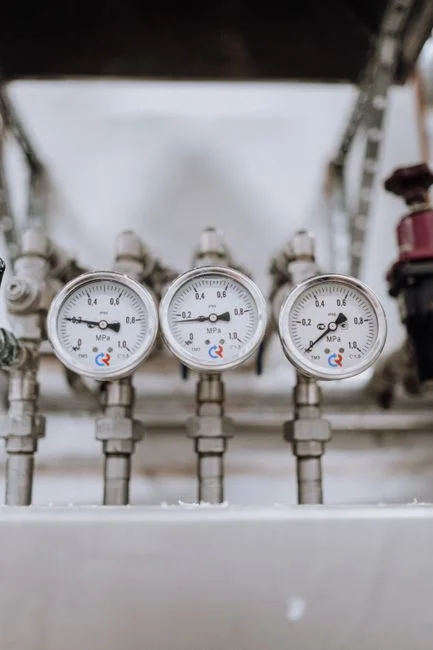
Rotary drum screens — JWC's IPEC wedge-wire units, for example — are a cost-effective, low-maintenance way to remove organic waste and substantially cut TSS before further treatment (JWC, S5). Screen aperture and media must be specified to the actual debris being captured: fats, feathers, seeds, and spent hops each warrant a different wedge-wire configuration to maximize capture rate and minimize wash water consumption (JWC, S5). Higher-throughput drum designs let a smaller unit do the work of larger screens, which matters for Saratoga-area plants with limited headworks floor space (JWC, S5).
For plants with heavier rag, plastic, and packaging content on the line — a bottling or confectionery packaging hall, for instance — a continuous-duty rotary mechanical bar screen for headworks protection is the alternative that protects downstream pumps and biological processes. Early TSS reduction is not just a treatment-train optimization; it directly reduces municipal surcharges, because the lower the TSS leaving the site, the lower the surcharges the POTW can levy (JWC, S5). For a procurement committee, that linkage between an upstream drum screen and a monthly surcharge line item is one of the cleanest ROI arguments on the train.
Stage 2 — DAF Flotation for FOG, Oils, and Fine Solids
FOG from meat and poultry processing must be removed before biological treatment or it will foul biomass and clog piping (ALAR, S4). Dissolved air flotation is the standard unit for this duty: micro-bubbles lift fats, oils, grease, and fine suspended solids to the surface for skimming, and the technology is proven across food processing, pulp and paper, textile, metalworking, petrochemical, and municipal pretreatment (ALAR, S4). When the influent carries emulsified FOG or colloidal matter, micro-bubble flotation is the preferred step; lamella clarifiers are better suited to settleable, low-FOG streams. Saratoga-area meat and dairy plants should default to DAF on that basis.
For breweries considering anaerobic digestion, DAF or rotary drum screening must precede the digester to remove FOG and coarse solids — hops and spent grains, in particular — that would otherwise damage sensitive digester equipment (JWC, S5). Sizing should be driven by peak flow rather than daily average, because CIP and tank-cleaning events create sharp hydraulic and load spikes. A DAF flotation system for FOG and fine solids removal in the 4–300 m³/h range lets a Saratoga-area plant match skid size to its actual peak flow rather than over-sizing CAPEX on a hypothetical future load.
Stage 3 — pH Neutralization and Coagulation/Flocculation
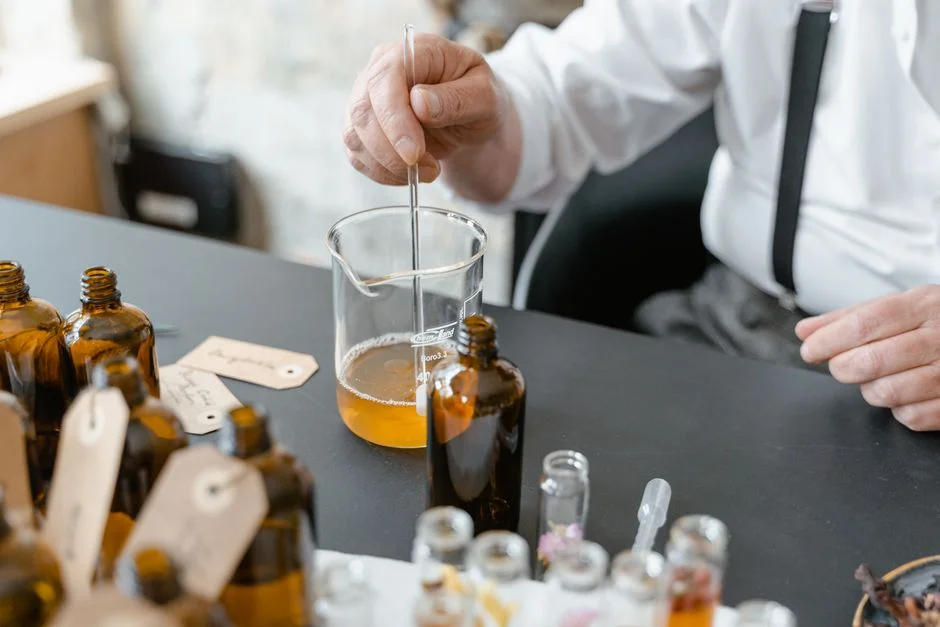
CIP detergents and disinfectants alter pH and can inhibit or kill downstream biological biomass if not neutralized first (ALAR, S4). This step is non-optional for any plant running CIP — and in the Capital Region's dairy, brewing, and bottling sub-sectors, that is essentially all of them. Coagulation, flocculation, and pH adjustment form the standard chemistry stage that reduces residual TSS and stabilizes pH for the biological step that follows (ALAR, S4).
A PLC-controlled automatic chemical dosing system for pH and coagulant control provides the precise, repeatable injection needed when CIP batches create diurnal pH swings; manual dosing is not reliable on a food and beverage schedule. For plants with very high influent turbidity from pulp, seeds, or grain solids, a lamella clarifier with sludge recirculation and flocculation can cut chemical consumption while handling high surface loading rates — an efficient sedimentation tank reduces chemical OPEX on the highest-TSS streams. Confirm with the local POTW whether they impose a pH window narrower than the typical 6.0–9.0 range; some New York POTWs tighten this band for F&B contributors, and the design must match the local limit, not a textbook default.
Stage 4 — Biological Treatment (MBBR / IFAS) for BOD and Nutrient Reduction
Sugars and starches from beverage and confectionery operations are easily degraded and cause rapid bacterial growth that drives BOD spikes; biological treatment must therefore be sized for peak load, not for average flow (ALAR, S4). Proteins from dairy and meat processors create foaming and odor during biological treatment, so reactors need adequate foam control and hydraulic retention time (ALAR, S4). MBBR and IFAS are the standard attached-growth options for high-strength food and beverage waste because they deliver stable nitrification and BOD reduction in a compact footprint (ALAR, S4).
An MBR membrane bioreactor for BOD reduction and water reuse is the upgrade path for plants pursuing water reuse: submerged PVDF membranes deliver sub-micron filtration in roughly 60% less footprint than conventional clarification trains, which matters in older Capital Region plants with limited bioreactor hall space. For sizing detail specific to beverage streams, the MBBR design guide for beverage wastewater walks through the BOD:N:P ratio work. Aeration and HRT must be tuned to the specific sub-sector — breweries, dairies, and bottling lines have very different ratios, so biological design cannot be copy-pasted across them. Aeration must also be matched to the influent temperature window, because cold winter influent in the Capital Region suppresses nitrification rates.
Stage 5 — Sludge Dewatering to Cut Hauling Cost
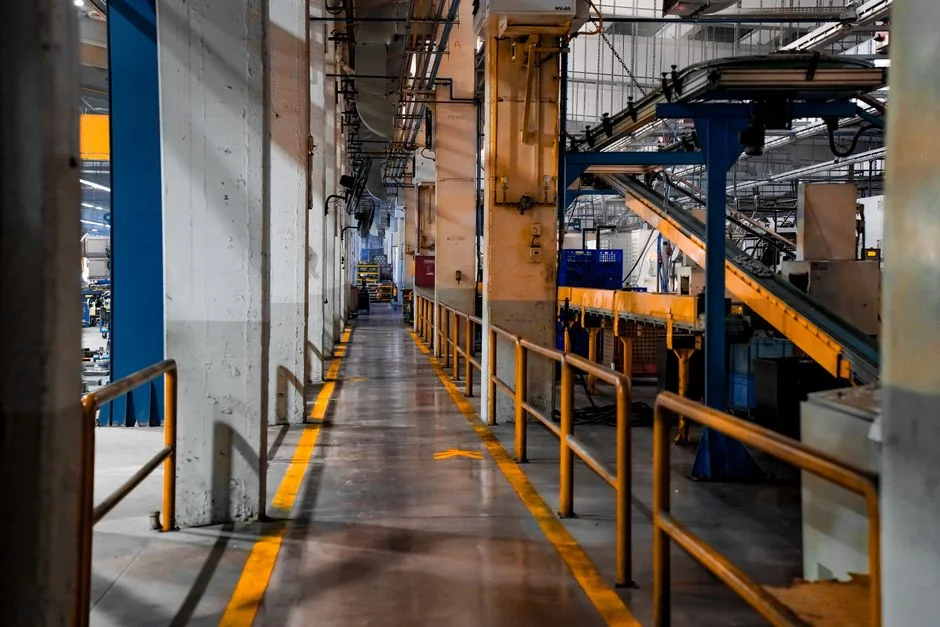
Sludge from flotation, chemical, and biological stages must be dewatered before off-site disposal to control hauling cost, and that hauling line is often the single largest variable OPEX item on the train (ALAR, S4). Plate and frame filter presses are a workhorse for both municipal and industrial dewatering and are available in manual, hydraulic, and fully automatic PLC-controlled configurations across a wide range of filtration areas.
Higher cake dryness directly lowers per-tonne disposal cost, and rotary vacuum drum versus filter press options should be compared against the plant's actual sludge volume and disposal route. Sludge handling is the line item most often under-scoped in pretreatment CAPEX estimates — a Saratoga-area plant should request a sludge mass balance with every bid so the OPEX side of the project is locked in before signing, not discovered in the first year of operation. The plate and frame filter press is the typical choice for plants producing intermittent sludge from batch CIP, while continuous operations often prefer rotary vacuum drum for steady-state throughput.
Matching Equipment to the Local Sub-Sector
The generic train has to be tuned to the sub-sector. Dairy plants carry high protein and FOG loads and should prioritize DAF for FOG, robust pH neutralization for CIP, and MBBR or IFAS sized for high BOD with foam control (ALAR, S4). Breweries must remove spent grains and hops by rotary drum screen before any biological step; anaerobic digestion is only an option once that screening is in place (JWC, S5), and brewery-specific MBBR sizing is covered in the MBBR design guide for brewery wastewater. Bottled water and beverage lines have lower organic load but high CIP chemical use, so pH neutralization and a polishing biological or MBR step protect the POTW from pH excursions. Confectionery and sugar-handling plants see very high and variable BOD from sugars and starches, so MBBR or MBR must be sized to peak sugar load rather than to average flow (ALAR, S4). Confirm each sub-sector's specific discharge limits with the receiving POTW before final equipment sizing, because local limits vary and override generic categorical guidance.
| Sub-Sector | Dominant Contaminant Profile | Critical Stage Emphasis | Key Sizing Risk |
|---|---|---|---|
| Dairy | Protein + FOG + CIP pH swings | DAF for FOG, pH neutralization, MBBR with foam control | Under-sizing MBBR on protein-driven BOD peak (ALAR, S4) |
| Brewery | Spent grains, hops, sugar, variable BOD | Rotary drum screen first; DAF if FOG present; MBBR or anaerobic digester | Coarse solids damaging anaerobic equipment (JWC, S5) |
| Bottled water / beverage | CIP detergents, low organics | pH neutralization, polishing biological or MBR | pH excursions from concentrated CIP batches (ALAR, S4) |
| Confectionery / sugar | High and variable sugar/starch BOD | Equalization, MBBR or MBR sized to peak sugar load | Sizing to average flow, missing peak BOD (ALAR, S4) |
2026 Cost, Compliance, and Surcharge Considerations
Surcharges stack. A Saratoga-area plant can be surcharged simultaneously for TSS, BOD, FOG, and sometimes nutrients, and each train stage above addresses at least one of those surcharge line items (JWC, S5). The single biggest cost lever is reducing hauled sludge volume; on-site treatment that produces drier cake directly lowers OPEX (ALAR, S4). On-site treatment also cuts the cost of transporting untreated wastewater off-site while supporting corporate water-reuse and footprint-reduction targets (ALAR, S4).
For 2026 specifically, NYSDEC and EPA are tightening nutrient and PFAS scrutiny in industrial permits. Building biological nutrient removal and polishing steps into the 2026 CAPEX avoids a forced retrofit at the next permit cycle. The internal framing for a procurement committee should be: (1) request a written surcharge schedule and a current SPDES permit from the local POTW before locking in equipment sizing; (2) request a sludge mass balance with every bid; (3) size biological and dewatering stages to peak load, not average; and (4) confirm the pH window in the local sewer use ordinance, since some New York POTWs tighten it for F&B contributors. These four documents — local surcharge schedule, current SPDES permit, sludge mass balance, and local pH window — define the design basis, and a generic guide does not. For a categorical framework reference, the EPA 40 CFR 403 pretreatment guide for food and beverage plants lays out the regulatory backbone that every local limit sits on top of.
Frequently Asked Questions
What is the typical CAPEX range for a five-stage food and beverage pretreatment train in the Capital Region?
The research evidence does not provide a specific CAPEX figure for a Saratoga-area five-stage train; pricing depends on peak flow, sub-sector, influent load, and local POTW limits. Request a written budgetary quote from each supplier, a current SPDES permit from the local POTW, and a sludge mass balance before comparing bids, because those three documents drive the design basis more than any list price.
How do I pick a pretreatment equipment supplier for a Saratoga-area dairy or brewery?
Shortlist suppliers who will commit in writing to the local POTW's numerical limits, provide a pilot or reference plant in a comparable sub-sector, and deliver a sludge mass balance and a written chemical consumption estimate with the bid. The check that separates serious bidders from catalog resellers is whether they ask for the local sewer use ordinance and the current SPDES permit before quoting — if they don't, the quote is not design-based.
Do I really need biological treatment if my BOD is already under the local limit after DAF?
That depends on the local POTW's BOD limit, the FOG limit, and any nutrient or ammonia limits in the current SPDES permit. Some light-load beverage and bottling lines do meet discharge limits with screening, DAF, and pH neutralization alone, but most dairy, brewery, and confectionery streams still need biological treatment to meet BOD and ammonia limits. Confirm with the local POTW before omitting any stage from the train.
How do Saratoga-area plants handle PFAS in 2026?
The research evidence does not provide a specific PFAS treatment protocol for food and beverage discharges; NYSDEC and EPA are tightening PFAS scrutiny in industrial permits, but the exact numerical limits and approved analytical methods are set in the current SPDES permit. Request the current permit text and ask the supplier whether their proposed polishing step (typically activated carbon or an MBR with PAC dosing) is sized to the permit's specific PFAS parameter list before locking in equipment.