
Why New Taipei Cooling Blowdown Is the Design Constraint
A New Taipei City data center needs a cooling-tower blowdown train designed for subtropical 25–35°C wet-bulb conditions, which fixes the tower at 4–6 cycles of concentration against the soft Feitsui/Xindian makeup. The standard train is side-stream filtration at 1–5% of circulation, oxidizing biocide with dechlorination by sodium bisulfite or UV ahead of discharge, UF pretreatment at 0.01–0.1 µm, and RO at 50–85% recovery. Discharge falls under Taiwan's Water Pollution Control Act and Effluent Standards, filed with Taipei City DEP for metro sites or the EPA regional office for Linkou and Taoyuan. Reuse past 90% is achievable with NF, MVC, or RW-EDI polishing for hyperscale AI halls.
Taipei's subtropical wet-bulb sits in the 25–35°C range for most of the year, which forces cooling towers to operate at 3–6 cycles of concentration to control scaling and biological fouling while still rejecting the heat load from a hyperscale hall (per the cooling-water engineering principles in the hkbhp.com data-center blowdown guide). Taipei Water Department (北水處) makeup from the Feitsui (翡翠) and Xindian reservoirs is genuinely soft — low calcium and magnesium — which extends the practical cycles-of-concentration ceiling versus a hard-water climate (HydropureWater 2026 Taipei guide). TOC and microbial load swing across the May–October typhoon season, and the warm wet-bulb keeps the basin warm enough that biofilm never fully starves; side-stream filtration and dechlorination are therefore standard, not optional (HydropureWater 2026 Taipei guide). The Bureau of Energy's 2024–2027 promotion policy for hyperscale and AI facilities is concentrating new cooling demand in Linkou, Neihu, and the planned Taoyuan Aerotropolis cluster, which is where most New Taipei build-out is actually happening (HydropureWater 2026 Taipei guide). The result is that blowdown volume — not IT load — becomes the design constraint for a New Taipei cooling system, and the treatment train that follows is sized to that envelope.
Three Problems the Blowdown Train Has to Solve
Scaling, corrosion, and biofouling are the three chemistry problems that drive every unit operation in a New Taipei blowdown train, and each one is constrained by the discharge permit the train has to meet. Scaling is controlled by limiting the concentration of scale-forming ions, with the chemical program and pH doing the fine adjustment; slightly acidic pH widens the solubility window but accelerates corrosion (hkbhp.com). Corrosion control uses phosphonate/azole blends (sometimes zinc or molybdate), but zinc and phosphate are themselves regulated discharge pollutants, which constrains the chemistry that can be left in the blowdown (hkbhp.com). Biofouling is controlled by an oxidizing biocide — chlorine or bromine — plus a rotating non-oxidizing biocide; chlorine discharge is regulated, so the blowdown needs dechlorination ahead of the discharge point (HydropureWater 2026 Taipei guide; hkbhp.com). Higher cycles of concentration make the water more corrosive than it looks on a datasheet — chloride in particular is aggressive to stainless and to the concrete of the tower basin, so the practical maximum is set by the materials actually installed, not by theory (hkbhp.com). For Taipei, the soft Feitsui/Xindian source water relaxes the scaling constraint but the chloride and biofilm constraints remain, so the blowdown chemistry is set by corrosion and biofouling control, not by hardness.
Regulatory Map: Who Files What, and Where
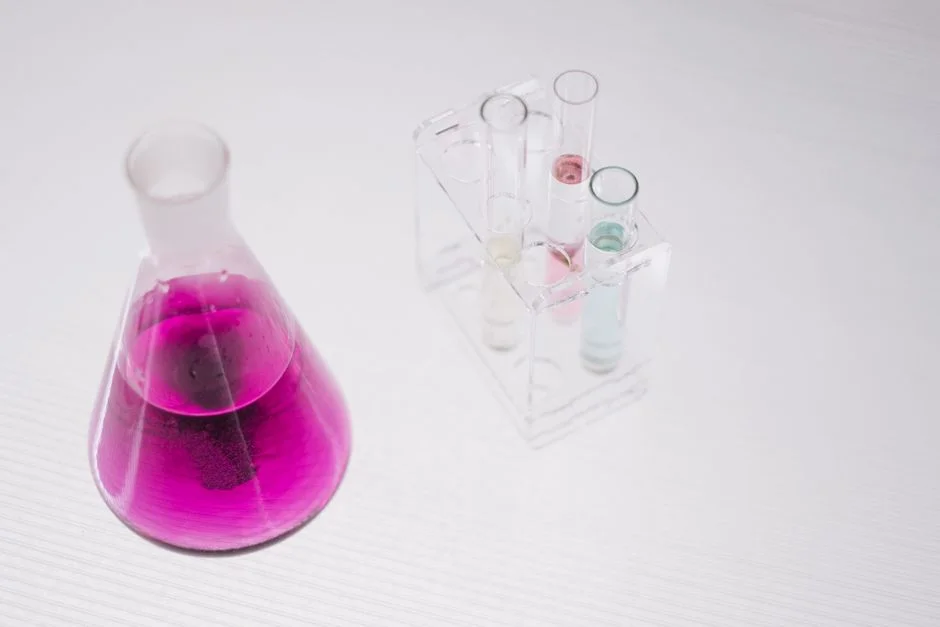
The framework for cooling-tower blowdown in Taiwan sits under the Water Pollution Control Act (水污染防治法) and the Effluent Standards (放流水標準), administered nationally by the Taiwan EPA (HydropureWater 2026 Taipei guide). For sites inside the Taipei metro, the competent authority is the Taipei City Department of Environmental Protection; for Linkou and Taoyuan sites, the EPA regional office is the filing body — so the same blowdown train gets filed through two different windows depending on the address (HydropureWater 2026 Taipei guide). Oxidizing biocide discharge is regulated under Taiwan industrial wastewater rules, and dechlorination with sodium bisulfite (or UV reduction) ahead of the discharge point is standard practice — flagged as a routine requirement rather than an edge case (HydropureWater 2026 Taipei guide; hkbhp.com). Taipei municipal sewer surcharges plus Water Pollution Control Act compliance make uncontrolled discharge uneconomical at scale, so a purpose-built blowdown train is no longer optional at New Taipei hyperscale sites (HydropureWater 2026 Taipei guide). The practical implication is that site selection inside the New Taipei footprint now drives the permit path: a Neihu address files through Taipei City DEP on a metro timeline, while a Linkou or Taoyuan Aerotropolis address files through the EPA regional office under the national cycle, with dechlorination and discharge-quality evidence required by both.
Process Train Options for New Taipei
The unit operations a New Taipei project selects depend on two targets: the cycles of concentration the cooling loop will run at, and the reuse percentage the project commits to. Side-stream filtration on 1–5% of the circulation flow removes biofilm fragments, airborne dust, and corrosion byproducts before they concentrate in the blowdown; CAPEX for a typical data-center installation runs $50,000–$200,000 depending on flow rate (Genesis Water Technologies 2025). An industrial water softener for cycles-of-concentration optimization, or a nanofiltration step ahead of the cooling loop, pushes the practical ceiling from 4 cycles to 6–8 cycles for the same scaling risk, which roughly halves the blowdown volume (hkbhp.com). PVDF ultrafiltration as RO pretreatment is the standard RO guard on blowdown trains, with 0.01–0.1 µm membranes operating at 10–30 psi and 90–95% recovery (Genesis Water Technologies 2025). An industrial RO system for cooling-blowdown reuse removes 95–99% of dissolved solids at 150–400 psi, with permeate at 10–50 mg/L TDS that can be blended with fresh makeup or returned directly to the cooling tower; recovery is limited to 50–85% on blowdown because the concentrate TDS approaches membrane scaling limits, and advanced antiscalant programs plus periodic CIP extend that envelope but do not eliminate it (Genesis Water Technologies 2025). PLC-controlled antiscalant and dechlorination dosing is the standard hardware for the chemistry envelope. NF on blowdown operates at 75–150 psi with 70–85% recovery and permeate TDS at 30–50% of feed — well suited to blowdown where hardness rather than total TDS is the discharge driver, which is the Taipei case once makeup has been softened (HydropureWater 2026 Taipei guide). For hyperscale AI halls with very high heat density and aggressive water-stewardship targets, EDI polishing or RW-EDI post-RO can push reuse past 90% without chemicals — the 2024 ACS ES&T Water paper on RW-EDI for cooling-tower blowdown circular reuse is the most current academic evidence (ACS ES&T Water 2024; HydropureWater 2026 Taipei guide). MVC on the RO concentrate reduces the brine to 20–30% dissolved solids — small enough to haul or feed a crystallizer; the distillate is clean enough to blend back into the cooling-tower makeup (HydropureWater 2026 Taipei guide). For full engineering specs on the cooling-loop side, see the 2026 data center cooling-tower water treatment engineering specs guide.
| Unit operation | Pressure window | Recovery / removal | Role in Taipei train |
|---|---|---|---|
| Side-stream filtration | Gravity / low pressure | 1–5% of circulation flow | Removes biofilm and suspended solids before they concentrate |
| Water softener / NF upstream of loop | 75–150 psi (NF) | 70–85% recovery; hardness cut to <1 mg/L as CaCO₃ | Pushes CoC from 4 to 6–8 for the same scaling risk |
| UF pretreatment | 10–30 psi | 90–95% recovery; 0.01–0.1 µm cutoff | RO guard; removes colloids, microbes, and biopolymer fragments |
| RO on blowdown | 150–400 psi | 50–85% recovery; 95–99% TDS rejection | Bulk reuse path; permeate returns to cooling tower |
| NF on blowdown | 75–150 psi | 70–85% recovery; permeate TDS 30–50% of feed | Hardness-selective cut where total TDS removal is not required |
| RW-EDI / EDI polishing | Low pressure | Reuse past 90% without chemicals | Hyperscale AI reuse ceiling |
| MVC on RO concentrate | Vacuum | Concentrate to 20–30% TDS; distillate reusable | Brine volume reduction for haul-off or crystallizer feed |
Partial ZLD vs Hybrid Cooling: Which New Taipei Sites Should Pick Which
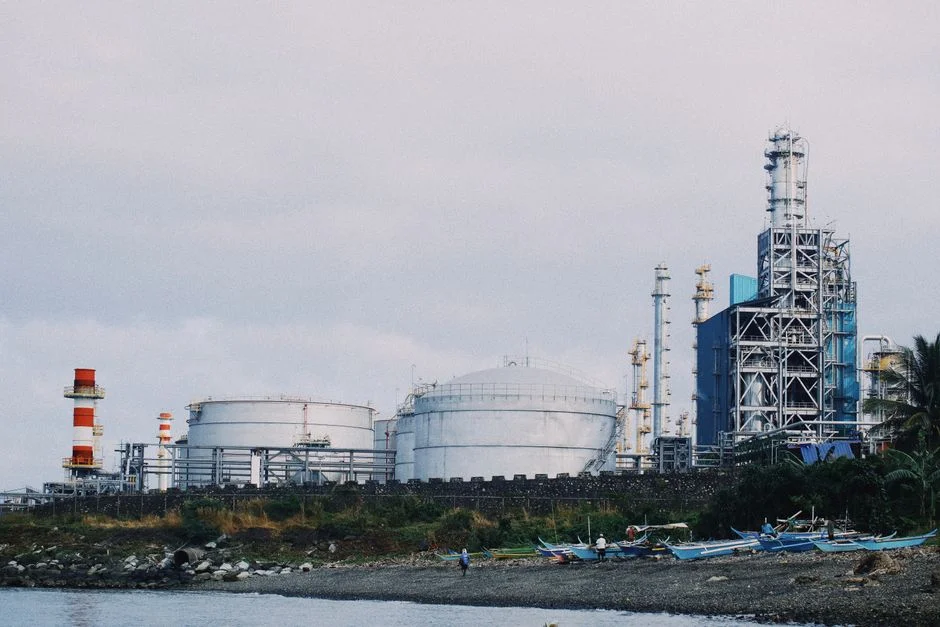
Partial ZLD is the realistic middle path for most New Taipei retrofits: concentrate the blowdown by 80–90% to cut discharge volume, then route the remaining brine to an approved industrial-waste processor (HydropureWater 2026 Taipei guide). Full ZLD using brine concentration and crystallization is capital-intensive and energy-hungry, and is usually only justified where discharge is genuinely impossible or where a corporate water-stewardship commitment requires it regardless of payback (hkbhp.com). The structural alternative to ZLD is hybrid cooling — air-cooled for most of the year with evaporative assistance during the high wet-bulb summer — which captures the water savings while limiting the energy penalty to a few hundred peak hours per year on the Taiwan wet-bulb profile (hkbhp.com applied to Taiwan; HydropureWater 2026 Taipei guide). In practice the choice depends on the local cost of water against the local cost of electricity, weighted by whatever carbon or water-stewardship target the operator has committed to; high ambient temperature regions penalize air cooling heavily because the efficiency loss grows with ambient temperature (hkbhp.com). For most New Taipei sites, the right answer is partial ZLD plus RO reuse, with hybrid cooling held as a future option if the wet-bulb envelope tightens — full ZLD is rarely a Taipei winner on a 3–5 year payback test. The broader economics of the ZLD path are laid out in the 2026 ZLD adoption outlook with costs and tech.
Sizing, Cost, and Payback for a New Taipei Blowdown Train
On a 10 MGD makeup site at 4 cycles, sizing two parallel 50,000 GPD skids covers the blowdown volume with redundancy; OPEX stays in the $4,500–$9,000/month range per skid at full load (HydropureWater 2026 Taipei guide). A 50,000 GPD RO skid for blowdown reuse installs in Taiwan for $250,000–$500,000 with OPEX of $1.50–$3.00 per 1,000 gallons, including energy, chemicals, and membrane replacement amortized over 3–5 years (Genesis Water Technologies 2025). WUE industry average is 0.47–0.65 Gal (1.8–2.5 L)/kWh; the blowdown ratio is 1/(CoC−1), so a move from 4 to 6 cycles is a 20% blowdown volume reduction, not the 50% often assumed (Genesis Water Technologies 2025). A 15 MW facility recovering 60% (3 million gallons/year) of blowdown at $200,000 CAPEX sees a 6.7-year simple payback without avoided costs, and 3–5 years once avoided discharge, treatment chemical, and true water costs are included — the realistic band a finance committee will accept (Genesis Water Technologies 2025). For sites where the water-stewardship case is the driver rather than the financial case, the 2026 engineering guide to reducing water usage in manufacturing lays out the wider framework for documenting savings.
| Configuration | Throughput per skid | CAPEX range (Taiwan install) | OPEX (per 1,000 gal) | Overall reuse | Realistic role |
|---|---|---|---|---|---|
| Side-stream filtration only | 1–5% of circulation | $50,000–$200,000 | Minimal | No reuse; CoC ceiling lift | Minimum baseline for any New Taipei site |
| Softener + UF + RO (no NF) | 50,000 GPD | $250,000–$500,000 | $1.50–$3.00 | 50–85% on blowdown | Standard hyperscale reuse train |
| Softener + UF + RO + NF on blowdown | 50,000 GPD | RO skid + NF add-on | Slightly above RO-only | 80–90% | Where hardness is the discharge driver (Taipei case) |
| RO + MVC on concentrate | 50,000 GPD RO + matched MVC | RO skid + MVC capital | Higher energy per gallon | 90–95% overall | Partial ZLD; brine to haul-off |
| RO + RW-EDI polishing | 50,000 GPD RO + EDI | RO skid + EDI | Low chemical OPEX | 90%+ without chemicals | Hyperscale AI halls with strict water targets |
Frequently Asked Questions
What cycles of concentration is realistic for a New Taipei cooling tower?
4–6 cycles is the realistic operating range for a Taipei data center cooling tower given the soft Feitsui/Xindian source water and the chloride tolerance of the stainless and concrete wetted parts. Softening the makeup pushes the practical ceiling to 6–8 cycles for the same scaling risk (HydropureWater 2026 Taipei guide; hkbhp.com). A buyer should request site-specific source-water analysis covering calcium, magnesium, chloride, and silica before committing to a CoC target, since the chloride and silica numbers set the upper limit.
Who do I file the cooling-tower blowdown permit with in New Taipei City?
File a Water Pollution Control Act permit with the local competent authority — the Taipei City Department of Environmental Protection for sites inside the metro (Neihu and the Taipei City side of the footprint), or the EPA regional office for Linkou and Taoyuan Aerotropolis sites (HydropureWater 2026 Taipei guide). Dechlorination ahead of the discharge point is required under both paths. A buyer should request the most recent permit-cycle timeline from the filing authority before locking the project schedule, because the metro and regional timelines are not the same.
What does a 50,000 GPD RO skid for blowdown reuse cost in Taiwan, and what is the payback?
A 50,000 GPD RO skid for blowdown reuse installs for $250,000–$500,000 in Taiwan with OPEX of $1.50–$3.00 per 1,000 gallons including energy, chemicals, and membrane replacement amortized over 3–5 years (Genesis Water Technologies 2025). A 15 MW facility recovering 60% (3 million gallons/year) at $200,000 CAPEX sees a 6.7-year simple payback without avoided costs, and 3–5 years once avoided discharge, treatment chemical, and true water costs are included (Genesis Water Technologies 2025). A buyer should request a site-specific avoided-cost worksheet from the supplier covering sewer surcharge, treatment chemical offset, and the local water tariff before signing the CAPEX commitment, because the payback band swings on those numbers.
What is the reuse ceiling a New Taipei blowdown train can realistically hit?
RO alone reaches 50–85% recovery on blowdown; adding MVC to the RO concentrate pushes overall reuse to 90–95%, and RO + EDI or RW-EDI polishing can reach higher still on a hyperscale AI site (Genesis Water Technologies 2025; ACS ES&T Water 2024). The practical ceiling for a Taipei retrofit is partial ZLD plus RO reuse; full ZLD is rarely a 3–5 year payback winner in this climate. A buyer should request a feedwater characterization and a concentrate-disposal quote before committing to a reuse target, because the disposal line item drives whether higher reuse is a financial win.