
Why Harare Hotels Need a Different STP in 2026
Lake Chivero is hypertrophic, with measured lake concentrations of approximately 2.0 mg/L total nitrogen and 0.6 mg/L total phosphorus, and nearly 70% of annual phosphorus inflows are retained in the lake sediments (Wageningen University and Research thesis, "Options for wastewater management in Harare, Zimbabwe," monitoring period 2000–2001). The same study documents that most wastewater treatment plants in the catchment are overloaded and experience frequent breakdowns, worsened by repeated drought years.
Against that background, a hotel in Harare is no longer selecting a generic packaged plant; it is selecting equipment that has to perform against EMA SI 6 of 2007 limits and against the receiving-water sensitivity that drives EMA enforcement. The development question is not whether sewerage is available — Harare's water supply and sewerage coverage is above 98% (Wageningen University and Research) — but whether the chosen plant can hit the TN, TP and TSS numbers that protect Chivero from further nutrient accumulation.
The practical consequence is that two packaged options dominate the shortlist for a hotel: an integrated MBR system aimed at reuse-ready effluent, and a buried WSZ package aimed at compliant discharge (HydropureWater, "What Wastewater System Does a Harare Hotel Need in 2026"). A generic activated-sludge package without membrane polishing will not reliably deliver TP below 0.5 mg/L, and that gap is the starting point of any defensible selection.
What Hotel Wastewater Actually Looks Like in Harare
Hotel wastewater is a mixed stream of guest rooms, kitchens, restaurants and laundry, and its strength swings with occupancy, function schedules and food-service intensity (Imemflo, "Membrane Bioreactor, MBR for Hotel Applications"). That variability is precisely why MBR is repeatedly specified for hospitality sites: Imemflo describes MBR as flexible to the variable flow and load that define hotel operations, and the company documents a 200-bed, 5-star hotel reference running a 250 m³/day MBR that has met reuse requirements since startup.
For sizing, the key variables are number of beds, occupancy profile, food-cover count and laundry throughput. Laundry is often the dominant water consumer and a high-temperature, detergent-rich stream, so the STP scope must clarify whether greywater is combined with the black-water stream or split at the source. A separate greywater treatment plant is a common parallel installation for hotel laundry waste (Imemflo). For a 4–5 star Harare property, the Imemflo 250 m³/day reference is the right order-of-magnitude check before vendor-specific sizing begins, and a comparable treatment of hotel wastewater in another regional context is set out in a packaged MBR STP buyer guide for hotels.
MBR vs Conventional Package STPs: What Changes for a Hotel
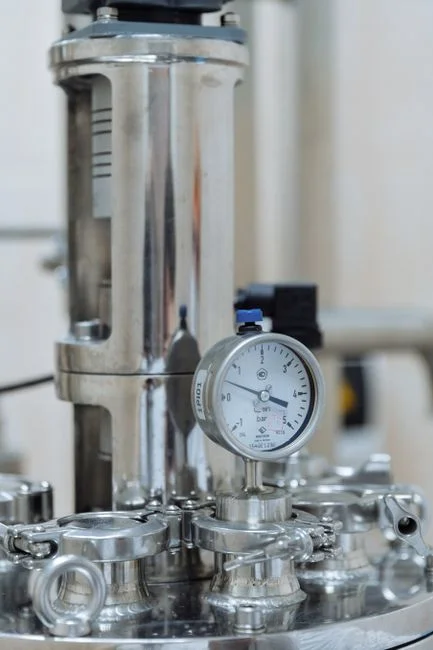
MBR couples an activated-sludge biological stage with submerged ultrafiltration or microfiltration membranes, eliminating the separate clarifier and shrinking the plant footprint (Blue Steel Water, "Membrane Bioreactors | MBR Plant Zimbabwe"; Imemflo, "Membrane Bioreactor, MBR for Hotel Applications"). That single architectural change drives three operational differences a hotel will care about: a near-reuse effluent quality, lower sludge yield because biomass is retained by the membranes rather than wasted, and higher aeration energy to keep the membranes scoured (Blue Steel Water; Imemflo).
On effluent quality, Imemflo reports 90–95% removal of harmful substances, and the HydropureWater DF-series MBR targets TSS below 1 mg/L and SDI below 3 (HydropureWater, "What Wastewater System Does a Harare Hotel Need in 2026"). Alternative package technologies for hotel sewage are SBR, MBBR and conventional ASP (Imemflo), and any vendor recommending MBR should be asked to justify that choice against those alternatives for the specific site. Where footprint is tight and reuse is on the board's agenda, MBR is usually the lowest-risk fit; where the project is discharge-only and space is generous, SBR or MBBR can be a defensible lower-energy option.
An 8-Step Selection Framework for a Packaged MBR STP
The framework below is structured to give a Harare developer, consulting engineer or procurement lead a defensible paper trail from sizing to commissioning. Each step produces evidence the board, EMA and the design engineer can sign against.
- Size from occupancy and water-use benchmark. Use the Imemflo 200-bed, 250 m³/day reference as a sanity check for a comparable 4–5 star property (Imemflo), then scale against actual bed count, food covers and laundry volume.
- Confirm discharge and reuse targets. Decide in writing whether the treated stream goes to EMA-compliant disposal, to irrigation, or to laundry and toilet flushing. Reuse intent sets the effluent specification the plant must hit (HydropureWater; Imemflo).
- Map the plant against EMA SI 6 of 2007. Specify TN, TP, BOD, TSS and faecal coliform limits explicitly, with TN and TP given particular weight because of Lake Chivero sensitivity (HydropureWater; Wageningen University and Research).
- Check site constraints. Footprint, burial feasibility, power-supply stability and operator skill available in Harare all constrain the shortlist (HydropureWater; Blue Steel Water).
- Compare membrane formats and aeration energy. Hollow-fibre and flat-sheet configurations are both marketed for hotels (Imemflo), and the OPEX difference between them is driven by aeration intensity.
- Validate OPEX bands and membrane management load. HydropureWater gives an OPEX band of $0.35–0.55/m³ for the DF-series MBR, reflecting membrane aeration and replacement, against $0.20–0.35/m³ for the WSZ underground package, reflecting blower power only.
- Demand site-specific influent testing and a compliance guarantee. The performance guarantee must be tied to EMA SI 6 of 2007 numeric effluent targets, not generic brochure values (HydropureWater).
- Lock in a Zimbabwe service footprint. Commissioning, spares and membrane replacement must be deliverable locally rather than on overseas lead times (Blue Steel Water).
| Step | Decision output | Evidence source |
|---|---|---|
| 1. Sizing | Design flow m³/day against bed count | Imemflo 200-bed, 250 m³/d reference |
| 2. Reuse target | Effluent specification (reuse vs discharge) | HydropureWater DF vs WSZ comparison |
| 3. Regulatory mapping | EMA SI 6 of 2007 line items | HydropureWater; Wageningen University and Research |
| 4. Site constraints | Footprint, power, operator skill | HydropureWater; Blue Steel Water |
| 5. Membrane format | HF-MBR vs FS-MBR selection | Imemflo |
| 6. OPEX validation | Energy and membrane OPEX band | HydropureWater |
| 7. Compliance guarantee | Numeric targets, liquidated damages | HydropureWater |
| 8. Local service | Commissioning and spares in Zimbabwe | Blue Steel Water |
Comparing the Two Main Packaged Options for Harare
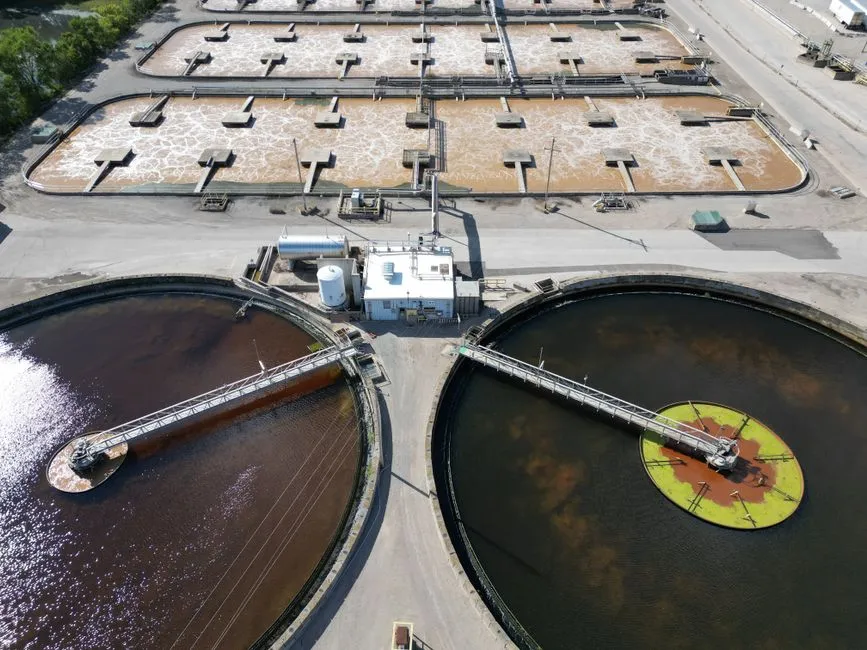
The two packaged configurations a Harare hotel will most often be offered are the HydropureWater DF-series MBR and the WSZ underground package STP. The trade-off is reuse performance against operating simplicity, and the numbers below are taken directly from the HydropureWater product comparison (HydropureWater, "What Wastewater System Does a Harare Hotel Need in 2026").
| Parameter | DF-series MBR | WSZ underground package |
|---|---|---|
| Effluent TN | < 8 mg/L | < 15 mg/L |
| Effluent TP | < 0.5 mg/L | < 1.5 mg/L |
| Effluent TSS | < 1 mg/L | Not specified at reuse level |
| Effluent SDI | < 3 | Not specified for reuse |
| Effluent BOD | Not stated at this level | < 20 mg/L |
| OPEX band | $0.35–0.55/m³ (membrane aeration, replacement) | $0.20–0.35/m³ (blower power only) |
| Footprint | Very compact, surface installation | Buried, landscaping above |
| Operation | Moderate to high (membrane management) | Low (automated, no operator required) |
| Best fit | Reuse and strict nutrient limits | Compliant discharge where reuse is secondary |
Both units are sized for hotel-class flows, so the decision is not about hydraulic capacity but about whether the hotel intends to reuse treated water for irrigation, laundry or toilet flushing, or simply wants a buried, low-touch discharge package that meets EMA SI 6 of 2007. The DF-series flat sheet MBR module is the product reference for the reuse path, and the DF-series flat sheet MBR module is the membrane element of that system. A buried WSZ underground package STP fits the discharge-only path. Energy OPEX differences for the broader MBR category are also covered in a hollow fiber MBR cost breakdown.
Sizing and Cost Example: A 150-Room Harare Hotel
The Imemflo 200-bed, 250 m³/day reference plant is the documented comparable for a 4–5 star hotel (Imemflo). A 150-room Harare property typically falls in the same order of magnitude once occupancy, food cover and laundry throughput are weighted, but the chosen vendor must confirm against the actual occupancy profile rather than the room count alone. Headworks protection is non-negotiable for an MBR: laundry fibres, kitchen solids and grit will foul membranes quickly, and a rotary mechanical bar screen at the inlet is the standard guard.
For reuse, route the MBR permeate to laundry, irrigation and toilet flushing; a 60% reuse level is the savings anchor the board will respond to (HydropureWater). Chemical dosing for pH correction and membrane cleaning is a parallel skid that needs to be specified in the same package, and a automatic chemical dosing system is the typical interface. Sludge handling is the final scope item: a plate and frame filter press dewatersthe wasted activated sludge to a manageable cake for off-site disposal. The combined MBR plus headworks, dosing and dewatering line is the typical packaged scope a hotel developer should price as a single supply, not as separate purchases from unrelated vendors. The broader market context for decentralised supply of this type is set out in a decentralized wastewater treatment market 2026 forecast.
Vetting Suppliers for Zimbabwe: What to Demand in Writing
The first filter is a documented reference list of installed hotel or hospitality MBRs in southern Africa, with site-visit permission, not a generic global brochure. Imemflo's 200-bed, 250 m³/day 5-star hotel reference is the type of operating evidence to ask for, and the supplier should be willing to put a hotelier on the phone (Imemflo).
Second, require membrane origin and format disclosure (hollow fibre versus flat sheet), with spares held in southern Africa rather than on a six-to-twelve-week international lead time (Imemflo). Third, the performance guarantee must be tied to the numeric effluent targets of EMA SI 6 of 2007, with liquidated damages for non-compliance and a clear path to dispute resolution (HydropureWater; Wageningen University and Research). Fourth, confirm a local commissioning engineer in Zimbabwe and a written membrane-replacement interval commitment; a 20-year Zimbabwe service track record is the kind of evidence to benchmark against (Blue Steel Water). Finally, require the vendor to justify MBR selection over SBR, MBBR or ASP for the specific site and influent, rather than defaulting to MBR because it is the most expensive line on the quote (Imemflo).
Frequently Asked Questions
What is a realistic operating cost band for a packaged MBR STP at a Harare hotel?
For the DF-series MBR, HydropureWater gives an OPEX band of $0.35–0.55/m³, reflecting membrane aeration and replacement, while the WSZ underground package is given at $0.20–0.35/m³, reflecting blower power only. Beyond these bands, a buyer should request an itemised energy, chemical and membrane-replacement cost for the actual design flow.
How do I check that a packaged MBR supplier is credible for a Zimbabwean project?
Ask for a reference list of installed hotel or hospitality MBRs in southern Africa, request a site visit, and require membrane origin and format disclosure with local spares. A 20-year local service track record is the type of evidence to look for (Blue Steel Water).
What effluent quality does EMA SI 6 of 2007 actually require for a hotel discharge?
The HydropureWater comparison gives discharge-grade targets for the WSZ underground package of BOD below 20 mg/L, TN below 15 mg/L and TP below 1.5 mg/L, and reuse-grade targets for the DF-series MBR of TN below 8 mg/L, TP below 0.5 mg/L, TSS below 1 mg/L and SDI below 3. The current EMA permit conditions should be confirmed against the latest standard text before specification is frozen.
Can a packaged MBR handle the variable flow and load from a hotel?
MBR is specifically cited as flexible to the variable flow and load that define hotel operations, and Imemflo documents a 200-bed, 5-star hotel running a 250 m³/day MBR that has met reuse requirements since startup. A vendor should still be asked to demonstrate sizing headroom for peak occupancy events.