Why Industrial Wastewater Treatment in Lobito is a 2025 Priority
Industrial wastewater treatment in Lobito is no longer an option but a critical operational and compliance necessity for 2025. Factories face escalating regulatory pressure, with Angola’s Decree 5/95 mandating stringent industrial wastewater discharge limits, including a maximum BOD of 30 mg/L and COD of 125 mg/L. Non-compliance can result in significant financial penalties, operational disruptions, and potential facility shutdowns. This regulatory environment is further reinforced by international funding initiatives. The World Bank’s Coastal Towns Inclusive Sanitation Project (Phase I) has allocated substantial funding for Lobito's wastewater infrastructure, signaling a strong commitment to environmental standards. Simultaneously, the ongoing expansion of Lobito Port has led to a projected 30% increase in industrial wastewater volume since 2020, placing additional strain on existing treatment capacities. A recent case involving a local food processing plant highlights these risks; the facility was fined $50,000 for exceeding critical FOG (Fats, Oils, and Grease) limits. Implementing a high-efficiency dissolved air flotation (DAF) system could have prevented such a penalty by achieving over 95% FOG removal. Therefore, investing in robust and compliant industrial wastewater treatment solutions is paramount for sustainable operations in Lobito.
Industrial Wastewater Characteristics in Lobito: What Your System Must Handle
Understanding the specific characteristics of industrial wastewater generated in Lobito is foundational to selecting and designing an effective treatment system. The region's industrial activities, ranging from food processing and petrochemicals to mining and textiles, contribute a diverse range of contaminants. Food processing plants commonly discharge wastewater with high levels of Fats, Oils, and Grease (FOG), while mining operations introduce heavy metals such as arsenic and lead. Textile industries often contend with dyes and suspended solids, and breweries and other organic processing facilities generate high organic loads. Typical influent parameters observed in Lobito's industrial sector can vary significantly, but often include:
| Parameter | Typical Influent Range (mg/L) |
|---|---|
| Biochemical Oxygen Demand (BOD) | 300–800 |
| Chemical Oxygen Demand (COD) | 800–2,000 |
| Total Suspended Solids (TSS) | 200–1,500 |
| Fats, Oils, and Grease (FOG) | 50–500+ |
| pH | 4–11 |
These figures are based on common industrial wastewater profiles and may require site-specific analysis. For instance, mining wastewater might necessitate specialized pretreatment for heavy metal precipitation, while textile effluents often require advanced color removal technologies. influent variability, exacerbated by factors like seasonal rainfall or batch production cycles, must be accounted for. Incorporating equalization tanks is crucial to buffer flow and concentration fluctuations, ensuring a consistent feed to downstream treatment processes and preventing shock loads that can disrupt biological treatment stages.
Treatment Technologies for Lobito: How DAF, MBR, and Oxidation Ponds Compare
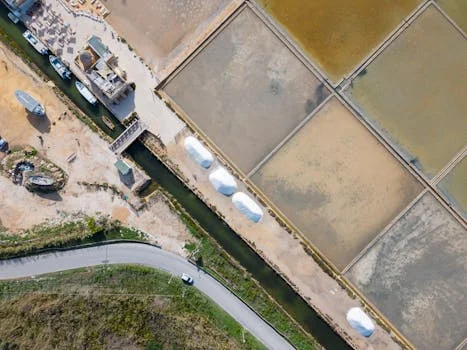
Selecting the appropriate wastewater treatment technology for industrial applications in Lobito hinges on influent characteristics, effluent quality requirements, space constraints, and operational budgets. HydropureWater offers a suite of solutions, each with distinct advantages:
- Dissolved Air Flotation (DAF) Systems: Our high-efficiency DAF systems are engineered for superior removal of suspended solids and FOG, often achieving over 95% efficiency. With capacities ranging from 4 to 300 m³/h, DAF is particularly well-suited for industries like food processing, dairies, and petrochemicals where FOG is a primary concern. The DAF units are designed for robust performance and ease of operation.
- Membrane Bioreactor (MBR) Systems: For facilities requiring exceptionally high-quality effluent, suitable for water reuse, MBR systems are the optimal choice. These integrated systems combine biological treatment with membrane filtration, consistently producing effluent with BOD levels below 1 mg/L. MBRs are ideal for achieving stringent discharge standards or for internal water reuse in applications like cooling towers or irrigation. HydropureWater's MBR integrated wastewater treatment solutions are compact and highly effective, with capacities typically ranging from 10 to 2,000 m³/day.
- Oxidation Pond Rehabilitation: While traditional, oxidation ponds can be a cost-effective solution, especially in regions with ample land. For Lobito, rehabilitation projects have demonstrated capacities around 450 m³/day. However, their effectiveness is highly dependent on climate, pond design, and maintenance. They typically have lower operational expenditures but require significant land area and can be less efficient in removing specific contaminants compared to mechanical systems.
Effective pretreatment is also vital. This often involves chemical dosing using coagulants like Polyaluminum Chloride (PAC) to destabilize suspended particles, followed by flocculants such as polyacrylamide to aggregate them for easier removal. pH adjustment chemicals, like sodium hydroxide or sulfuric acid, are essential for optimizing treatment processes. HydropureWater's automatic chemical dosing systems ensure precise application, minimizing chemical consumption and operational costs, which typically range from $0.15 to $0.40 per cubic meter treated.
| Technology | Primary Application | Typical Influent Removal Efficiency (BOD/COD/TSS/FOG) | Effluent Quality | Typical Capacity Range | Key Advantages | Key Disadvantages |
|---|---|---|---|---|---|---|
| Dissolved Air Flotation (DAF) | FOG, TSS removal (Food & Bev, Petrochemical) | TSS: 90-98% FOG: 95-99% BOD/COD: 20-40% |
Moderate | 4-300 m³/h | High FOG/TSS removal, relatively compact | Limited BOD/COD reduction, chemical intensive |
| Membrane Bioreactor (MBR) | High-quality effluent, water reuse (General Industry) | BOD/COD: 95-99% TSS: 99%+ FOG: 99%+ |
Excellent (Reuse Quality) | 10-2,000 m³/day | Compact, superior effluent quality, high contaminant removal | Higher CAPEX/OPEX, membrane fouling potential |
| Oxidation Ponds | Large-scale, low-cost treatment (Municipal & Light Industry) | Highly variable, depends on design and climate | Variable, often moderate | Variable (e.g., 450 m³/day in Lobito context) | Low OPEX, simple operation | Large land footprint, slow treatment, sensitive to climate |
Step-by-Step: Designing a Wastewater Treatment System for Lobito
Designing an effective industrial wastewater treatment system in Lobito requires a systematic engineering approach, ensuring both technical efficacy and regulatory compliance. The process begins with a thorough characterization of the wastewater stream.
- Influent Characterization: Conduct detailed sampling and laboratory analysis of the wastewater. Key parameters to measure include BOD, COD, TSS, FOG, pH, and specific contaminants relevant to the industry (e.g., heavy metals, nitrogen, phosphorus). Sampling costs in Lobito typically range from $200 to $500 per sample, depending on the analytes.
- Pretreatment Selection: Based on influent characteristics, select appropriate pretreatment steps. A rotary mechanical bar screen is often necessary for removing coarse solids, while an equalization tank is vital for managing flow and concentration variability, preventing downstream process upsets.
- Primary Treatment Design: For high FOG and TSS loads, a DAF system is highly recommended. Sizing calculations for DAF should consider factors like surface loading rate (typically 10-20 m³/m²/hr) and hydraulic retention time (HRT) to ensure efficient separation. Sedimentation tanks can also be employed for TSS removal in less demanding applications.
- Biological Treatment Integration: For significant organic load reduction, biological treatment is essential. An MBR system offers a compact and highly efficient solution, typically requiring an HRT of 6-12 hours for effective nutrient and organic removal. Alternatively, conventional activated sludge or anaerobic digestion processes can be considered, depending on space and energy availability.
- Final Polishing and Disinfection: Depending on reuse requirements or final discharge standards, advanced treatment steps like sand filtration or activated carbon adsorption may be necessary. Disinfection is crucial in Lobito's climate. While chlorine-based disinfectants are common, the high humidity can impact their efficacy and lead to the formation of disinfection byproducts. Alternatives like chlorine dioxide generators or ozonation may offer more reliable disinfection performance.
Cost Breakdown for Lobito Wastewater Treatment Projects (2025 Data)
Budgeting for industrial wastewater treatment in Lobito requires a clear understanding of both capital expenditure (CAPEX) and operational expenditure (OPEX). These costs are highly dependent on the chosen technology, plant capacity, and site-specific conditions.
- Capital Expenditure (CAPEX):
- DAF Systems: Typically range from $50,000 to $200,000, depending on flow rate and material specifications.
- MBR Systems: Can range from $150,000 to $500,000 for integrated units, reflecting the advanced membrane technology and process integration.
- Oxidation Pond Rehabilitation: Costs can vary significantly, but rehabilitation efforts might range from $30,000 to $100,000, focusing on structural integrity and aeration enhancements.
- Operational Expenditure (OPEX):
- Chemical Costs: For pretreatment and conditioning, expect $0.15–$0.40 per m³ treated.
- Energy Costs: Pumping, aeration, and control systems contribute, typically $0.05–$0.20 per m³.
- Labor: Skilled operators and maintenance staff in Lobito can range from $1,000 to $3,000 per month.
- Sludge Disposal: Costs vary based on local regulations and transport, often $10–$50 per ton.
Return on Investment (ROI) Example: Consider a 500 m³/day food processing plant. A CAPEX of $250,000 for a DAF and biological treatment system, with annual OPEX of $50,000, can yield significant savings. These savings can come from avoided fines (potentially tens of thousands annually), reduced freshwater consumption through water reuse (e.g., for non-potable uses like cooling or irrigation), and improved environmental compliance. Funding opportunities through World Bank grants, potentially covering up to 70% of project costs, and Angola's environmental tax incentives can further enhance the financial viability of such projects.
| Component | Estimated CAPEX Range | Estimated OPEX Range (per m³) |
|---|---|---|
| DAF System (incl. pretreatment) | $50,000 - $200,000 | $0.20 - $0.60 |
| MBR System (incl. pretreatment) | $150,000 - $500,000 | $0.25 - $0.70 |
| Oxidation Pond Rehabilitation | $30,000 - $100,000 | $0.05 - $0.15 (primarily maintenance) |
| Chemicals (Coagulants, Flocculants, pH adjusters) | N/A | $0.15 - $0.40 |
| Energy (Pumps, Aeration) | N/A | $0.05 - $0.20 |
| Labor (Operator, Maintenance) | N/A | $0.10 - $0.30 |
Compliance Checklist for Lobito Industrial Wastewater Projects
Ensuring compliance with both Angolan national regulations and international standards is critical for any industrial wastewater treatment project in Lobito. Adherence to these guidelines prevents legal repercussions and secures access to international funding.
- Angola's Decree 5/95 Discharge Limits: Verify that your treated effluent consistently meets the following maximum concentrations:
- BOD: < 30 mg/L
- COD: < 125 mg/L
- TSS: < 30 mg/L
- FOG: < 10 mg/L
- pH: 6–9
- World Bank Environmental Guidelines: Implement robust monitoring programs as stipulated by the World Bank. This typically includes:
- Daily monitoring of pH and temperature.
- Weekly or bi-weekly monitoring of BOD, COD, and TSS.
- Regular monitoring for specific contaminants (heavy metals, persistent organic pollutants) relevant to your industry.
- Detailed record-keeping of all monitoring data.
- Permitting Process:
- Timeline: Expect the permitting process to take 3–6 months.
- Required Documents: This typically includes an Environmental Impact Assessment (EIA), detailed engineering drawings of the treatment system, operational and maintenance plans, and proof of compliance with national standards.
- Fees: Permitting fees in Lobito can range from $1,000 to $5,000, depending on the project scale and complexity.
- Common Compliance Pitfalls to Avoid:
- Inadequate Sludge Management: Ensure a compliant plan for sludge disposal. Untreated or improperly disposed sludge can lead to significant environmental contamination and fines. Adhere to local landfill requirements for industrial sludge.
- Lack of Equalization Tanks: Without proper flow and load equalization, effluent quality can fluctuate dramatically, making it difficult to meet average discharge limits and potentially damaging downstream biological processes.
- Insufficient Monitoring and Reporting: Failure to conduct regular monitoring or maintain accurate records can lead to non-compliance findings during inspections.
Frequently Asked Questions
Project leads in Lobito often have specific concerns regarding industrial wastewater treatment. Here are answers to common queries:
What is the best wastewater treatment system for Lobito’s food processing industry?
For Lobito's food processing industry, a combination of a high-efficiency Dissolved Air Flotation (DAF) system for Fats, Oils, and Grease (FOG) removal, followed by a biological treatment stage such as an MBR system, is generally recommended. DAF systems can achieve over 95% FOG removal, addressing a primary challenge in this sector, while MBRs ensure stringent effluent quality for discharge or reuse.
How much does a wastewater treatment plant cost in Lobito?
The cost of an industrial wastewater treatment plant in Lobito can range significantly, from approximately $50,000 for smaller, simpler systems to over $500,000 for larger, more advanced facilities like MBR plants. Factors influencing cost include the required treatment capacity, the complexity of the wastewater, and the chosen technology.
What are the penalties for non-compliance with Angola’s wastewater regulations?
Non-compliance with Angola’s wastewater regulations, particularly Decree 5/95, can result in substantial penalties, including fines that can reach up to $100,000, or even lead to the temporary or permanent shutdown of the industrial facility. Consistent monitoring and adherence to discharge limits are crucial to avoid these sanctions.
Can treated wastewater be reused in Lobito?
Yes, treated wastewater can be reused in Lobito, especially if MBR systems are employed. These systems produce effluent with BOD levels below 1 mg/L, making it suitable for non-potable applications such as irrigation of green spaces, industrial cooling towers, or process water, thereby conserving valuable freshwater resources.
What chemicals are used for industrial wastewater treatment in Lobito?
Common chemicals used in industrial wastewater treatment in Lobito include coagulants like Polyaluminum Chloride (PAC) for suspended solids removal, flocculants such as polyacrylamide to aid in sludge settling and thickening, pH adjusters like sodium hydroxide (NaOH) or sulfuric acid (H₂SO₄) to optimize treatment processes, and disinfectants like chlorine dioxide for final effluent sterilization. The specific chemical regimen is determined by the wastewater’s characteristics and the treatment objectives.
Related Equipment
- high-efficiency DAF system for Lobito’s industrial wastewater — view specifications, capacity range, and technical data
- MBR system for reuse-quality effluent in Lobito — view specifications, capacity range, and technical data
Need a customized solution? Request a free quote with your specific flow rate and pollutant parameters.