
Why Phnom Penh Semiconductor and Data-Hall Operators Face a New Wastewater Reality in 2026
The global semiconductor industry consumed roughly 210 trillion litres of water in 2024, with a single fab drawing about 14 billion litres of ultrapure water (UPW) per year and 1.4–1.6× that volume in municipal make-up (TNFD, Feb 2026). Layered on top of that scale, Cambodia's Ministry of Environment (MoE) is now actively keeping approximately 73,235 m³/day of industrial wastewater inside business premises as of July 2026, with 64 facilities already wired into the Article 178 automatic-monitoring stack (MoE via Asia News Network, 2026). That national enforcement figure, equivalent to the daily output of a mid-sized municipal plant, is the new backstop for any Phnom Penh high-tech site still hoping to rely on the combined sewer.
Water-stress exposure is not abstract for operators eyeing Cambodia. The TNFD case study (Feb 2026) reports that 40% of existing fabs and over 40% of post-2021 announced fabs sit in basins projected to face high or extremely high water-stress by 2030, citing Lepawsky (2024). On the data-hall side, typical facilities consume 25 million–770 million litres/year, with hyperscale sites exceeding 2 billion litres/year (Ceres, 2025, via TNFD). The Mekong/Bassac basin that drains Phnom Penh carries seasonal stress, and the MoE's enforcement posture signals that the city's downstream wetlands and tributaries are no longer an unpriced sink. Together, those two layers — global fab intensity and Cambodia's stepped-up oversight — make 2026 the year a defensible on-site treatment train stops being optional.
Cambodia's 2026 Wastewater Compliance Frame for High-Tech Facilities
Article 178 of Cambodia's Environment and Natural Resources Code requires automatic wastewater discharge monitoring on any facility whose permit scope triggers the threshold, and 64 companies had installed compliant systems as of July 2026 (MoE, 2026). A separate 12 March 2025 MoE directive instructed ministries and provincial authorities to actively encourage real-time data management systems and self-assessment by factory owners (Cambodianess, 2025). For a new fab or co-location data hall, that means selecting equipment capable of continuous online logging of pH, conductivity, TOC, and flow — not grab sampling — before Article 178 sign-off.
Enforcement is no longer theoretical. MoE spokesperson Khvay Atitya identified over 120 polluting enterprises out of approximately 10,000 nationally, with 22 factories caught discharging untreated wastewater in a three-month window of 2025 (Cambodianess, 2025). Prosecution has followed: the MoE initiated legal action against a casino in Kampot and two fruit processors in Battambang for unpermitted discharges that killed aquatic life and discoloured canals (Cambodianess, 2025). A memorandum of understanding between the MoE and the Phnom Penh Capital Administration extends oversight into Kandal and Kampong Speu — relevant because most SEZs serving Phnom Penh sit in those provinces. The operational message: pick a treatment train that can demonstrate continuous compliance, not one designed for monthly spot checks.
Mapping the Wastewater Streams a Phnom Penh Fab or Data Hall Actually Produces
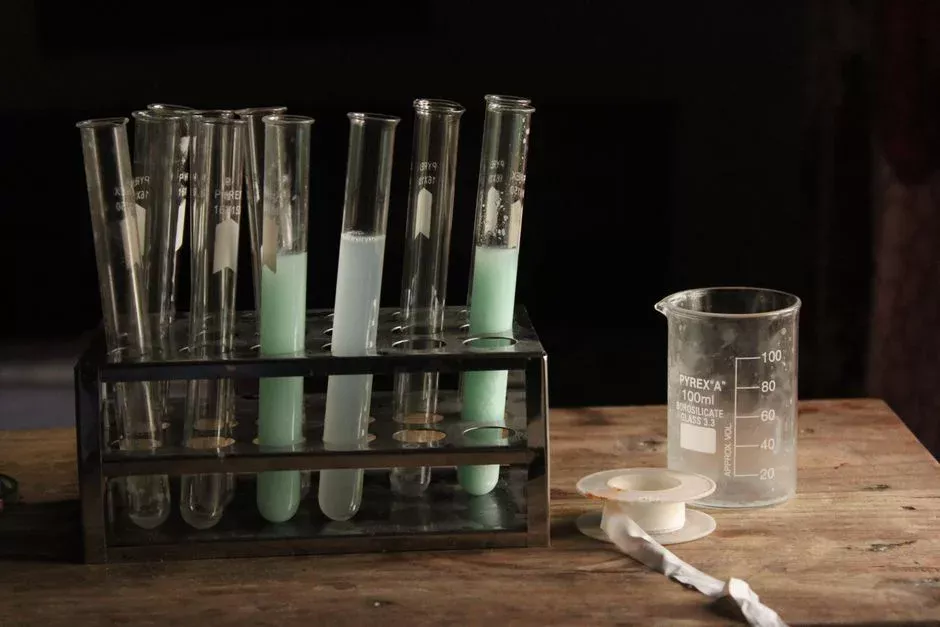
Stream-by-stream characterisation is the step most often skipped, and it is the reason equalisation tanks, DAF units, and RO skids arrive undersized. The principal streams a back-end semiconductor facility produces, with typical influent ranges drawn from fab engineering references, are:
- CMP slurry wastewater: 50–500 mg/L total copper, sub-150 nm silica or ceria particles, pH 9–11, with oxidiser residuals (H₂O₂) from post-CMP cleaning.
- HF and fluoride-bearing rinse: 10–1,000 mg/L F⁻, acidic (pH 1–4), often co-mingled with NH₄⁺ from BOE etchants.
- Organic-bearing concentrates: IPA, TMAH, NMP, with COD in the 1,000–10,000 mg/L range from solvent rinses and photoresist stripping.
- UPW reject and DI system regenerant: high-purity but high-volume; low TDS but warm and deaerated.
- Cooling-tower and boiler blowdown: 500–3,000 mg/L TDS, scale inhibitors, biocides, and Legionella control chemicals.
- Scrubber blowdown: acidic, high in Cl⁻, SO₄²⁻, and dissolved metals from acid-gas abatement (HCl, HF, HNO₃ fumes).
- Sanitary flow: 150–300 mg/L BOD₅ if a dormitory or office block is collocated.
A co-location data-hall stream profile is leaner but still meaningful: evaporative-cooling blowdown dominates, with high Ca²⁺, Mg²⁺, and silica (often 50–150 mg/L SiO₂), plus scale and corrosion inhibitors, occasional humidifier bleed-off, and minimal sanitary flow. Treat the cooling-tower loop as a separate sub-train — its chemistry is incompatible with CMP or HF streams and will foul RO membranes if blended raw.
Use the fab water multiplier as a sizing check: for every unit of UPW produced, 1.4–1.6 units of municipal water enter the site (TNFD/IDE Technologies, 2024). A fab drawing 5,000 m³/day of UPW therefore generates 7,000–8,000 m³/day of combined raw wastewater and RO reject, before any reuse loop. The Phnom Penh context tightens that envelope further: roughly 10% of the city's combined-sewer effluent still bypasses treatment to the Mekong (Sovann et al., via ChIJ, 2010), so the municipal system is not a safety net. If the site's discharge upsets the Boeng Cheung Ek or Boeng Kak wetlands, the operator absorbs the enforcement risk directly.
| Stream | Typical Influent | Key Parameters | Phnom Penh Risk Lens |
|---|---|---|---|
| CMP slurry | pH 9–11, Cu 50–500 mg/L, TSS 200–2,000 mg/L | Nanoscale particles, H₂O₂ residual | Cu loading on receiving wetlands |
| HF / fluoride rinse | pH 1–4, F⁻ 10–1,000 mg/L | Corrosive, NH₄⁺ co-presence | Wetland pH crash, F⁻ bioaccumulation |
| Organic concentrate | COD 1,000–10,000 mg/L | IPA, TMAH, NMP | High COD loading on Boeng Cheung Ek |
| Cooling-tower blowdown | TDS 500–3,000 mg/L, SiO₂ 50–150 mg/L | Biocides, scale inhibitors | Legionella, RO membrane fouling if blended |
| Scrubber blowdown | pH 1–3, Cl⁻ / SO₄²⁻ 1,000–5,000 mg/L | Dissolved metals | Acid shock to biological treatment |
| Sanitary | BOD₅ 150–300 mg/L | Low flow, nitrogenous | Conventional biological treatment suitable |
A 2026 Treatment Train That Satisfies MoE Limits and Reuses UPW-Quality Water
The defensible architecture is modular and stream-segregated. Start with flow equalisation tied to pH and fluoride neutralisation: dose calcium chloride or lime to precipitate fluoride below 10 mg/L and lift pH into the 6–8 band before biological treatment. This step alone prevents the chronic fluoride breakthrough that takes out downstream MBR biomass.
From equalisation, route fluoride- and metal-bearing streams through an industrial DAF system for CMP slurry and fluoride floc removal sized at 4–300 m³/h, or a high-rate lamella clarifier at 20–40 m³/h surface loading where footprint is constrained. DAF is the right unit for the copper-hydroxide and calcium-fluoride flocs that neutralisation generates; settling alone misses the colloidal fraction.
Send the clarified effluent to an MBR membrane bioreactor for fab and data-hall process water (<1 μm pore, 10–2,000 m³/day capacity) for organics, ammonia, and residual colloidal removal, or a flat-sheet UF cassette at 0.1 μm (32–135 m³/day per cassette) for sites that prefer physical-only separation upstream of RO. The MBR effluent should reliably land below 30 mg/L COD and 5 mg/L TSS, which protects the RO membranes from fouling.
The reuse loop is the economic heart of the train. A two-pass industrial RO system with up to 95% recovery takes MBR permeate to near-deionised quality, with the concentrate recycled upstream of the DAF or bled to a small evaporation/crystallisation package if zero-liquid-discharge is required. For rinse-water reuse where resistivity matters, follow RO with an EDI polishing stage; for cooling-tower and humidification loops, a UV steriliser or ClO₂ generator for cooling-tower and process-water disinfection sized 50–20,000 g/h closes the Legionella and biofilm risk. Step seven is the compliance layer: online analysers (pH, conductivity, TOC, F⁻) feeding the MoE Article 178 portal on a continuous basis, not a daily composite.
Stream-by-Stream Design Parameters and Target Effluent Quality
The table below consolidates the design envelope a Phnom Penh engineer should size equalisation, DAF, MBR, and RO against. Targets reflect engineering objectives aligned to common MoE industrial discharge conventions; permit-specific numeric limits are set facility-by-facility and must be confirmed with the MoE permit letter.
| Stream | Influent Range | Target Effluent | Primary Unit Operation |
|---|---|---|---|
| CMP slurry | pH 9–11, Cu 50–500 mg/L, TSS 200–2,000 mg/L | Cu < 0.5 mg/L, TSS < 50 mg/L | pH adjust + DAF / lamella |
| HF / fluoride rinse | pH 1–4, F⁻ 10–1,000 mg/L | F⁻ < 10 mg/L, pH 6–9 | Lime/CaCl₂ precipitation + DAF |
| Organic (IPA/TMAH) | COD 1,000–10,000 mg/L, pH 6–10 | COD < 120 mg/L | Equalisation + MBR |
| Cooling-tower blowdown | TDS 500–3,000 mg/L, SiO₂ 50–150 mg/L | TDS < 50 mg/L for RO reuse | Softener / antiscalant + RO |
| Scrubber blowdown | pH 1–3, Cl⁻/SO₄²⁻ 1,000–5,000 mg/L | pH 6–9, metals to MoE permit | pH adjust + DAF + MBR |
| Sanitary | BOD₅ 150–300 mg/L, NH₄⁺ 20–50 mg/L | BOD₅ < 30 mg/L, NH₄⁺ < 5 mg/L | MBR / SBR |
| Combined RO permeate target for UPW-grade reuse: 70–90% recovery, conductivity < 10 µS/cm, TOC < 100 ppb (polishing targets via EDI). | |||
Sludge, Chemical Dosing, and Phnom Penh Siting Considerations
Two downstream headaches routinely wreck otherwise sound designs: sludge hauling economics and chemical-dosing drift. Specify a plate-and-frame filter press for fab sludge dewatering at 1–500 m² filtration area, manual through fully automatic, to drive cake solids above 30% and cut haul cycles by 60–70% versus a drying bed. Pair it with a PLC-controlled chemical dosing for fluoride and pH control sized for the peak flow from equalisation; manual dosing is the most common root cause of fluoride exceedance events.
Siting is where the Cambodia-specific layer matters. The Phnom Penh combined sewer still bypasses roughly 10% of the city's flow untreated to the Mekong (Sovann et al., 2010), which means a discharge permit does not insulate a polluter from downstream wetland impact. Boeng Cheung Ek, the city's largest natural treatment wetland, is already losing area to infill along the Hun Sen Boulevard corridor, and Boeng Kak in the north is being filled in entirely (Sovann et al., 2010). The regulatory direction of travel is clear: the city's natural treatment buffer is shrinking, and MoE enforcement is moving in the opposite direction. The defensible Phnom Penh posture is to push reuse toward 70–90% on-site and treat the sewer tie-in as a polishing route, not a primary disposal path.
2026 Cost Anchors and What a Phnom Penh Project Should Budget
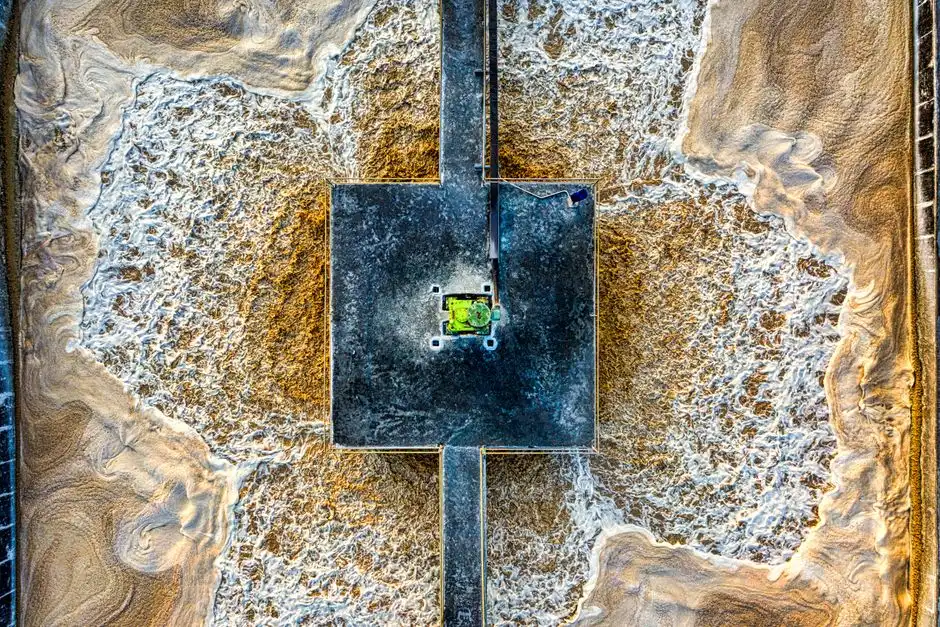
Comparable ASEAN packaged-plant references for 10–2,000 m³/day systems place turnkey CAPEX in the low-single-digit USD-per-litre-day range for the DAF + MBR + RO + sludge block, before site-specific civils, Article 178 instrumentation, and Phnom Penh logistics uplift. For a high-tech wastewater project in 2026, a conservative CAPEX envelope of USD 0.8–2.5 million per 1,000 m³/day of design flow is a defensible engineering estimate, with OPEX running at 5–8% of CAPEX annually once chemicals, sludge hauling, membranes, and power are layered in. These figures are engineering estimates, not Cambodia-specific bid data — any procurement decision should request vendor-quoted numbers, but the 5–8% OPEX rule of thumb is a useful first-pass filter for vendor proposals that look structurally light on consumables.
The single largest OPEX lever is closing the 1.4–1.6× municipal-water multiplier loop (TNFD/IDE Technologies, 2024). At Phnom Penh municipal tariff bands, reusing 70–90% of process water typically pays back the incremental RO and EDI CAPEX within 3–6 years on water-cost savings alone, before any Article 178 compliance risk premium is factored in. Add the avoided cost of emergency water trucking during a Mekong dry-season allocation event — TSMC set aside USD 28.6 million for that contingency during Taiwan's 2021 drought (TNFD, Feb 2026) — and the reuse case becomes straightforward.
Frequently Asked Questions
What does Article 178 require of a semiconductor or data-hall facility in Cambodia?
Article 178 of the Environment and Natural Resources Code requires automatic wastewater discharge monitoring on covered facilities, and 64 enterprises had installed compliant systems as of July 2026 (MoE, 2026). Operationally, that means continuous online logging of flow, pH, conductivity, and key contaminants — not daily grab samples — feeding the MoE portal. A 12 March 2025 MoE directive reinforced this by encouraging real-time data management systems across all 10,000 registered enterprises (Cambodianess, 2025).
Which wastewater streams from a back-end fab or data hall carry the highest compliance risk in Phnom Penh?
Fluoride from HF rinse, copper from CMP slurry, and high-COD organic concentrates (IPA, TMAH) carry the highest risk because they can shock the Boeng Cheung Ek wetland or the Mekong tributary if blended into a sewer already struggling with wet-weather overflow (Sovann et al., 2010). Each should be neutralised or segregated upstream of the equalisation tank. Cooling-tower blowdown is a secondary risk for membrane fouling if blended raw with process streams.
How much of fab process water can realistically be reused as UPW-grade in 2026?
With a properly sized two-pass RO plus EDI polishing, 70–90% recovery is a realistic design target, with industrial RO systems on the market rated up to 95% recovery (TNFD, Feb 2026; vendor specifications, 2026). That range directly addresses the 1.4–1.6× municipal-water multiplier: for every unit of UPW produced, 1.4–1.6 units of municipal water enter the site, so high-recovery RO cuts both the draw and the discharge.
What is a defensible 2026 CAPEX range for a Phnom Penh high-tech wastewater project?
Using comparable ASEAN packaged-plant references, a defensible 2026 engineering estimate is USD 0.8–2.5 million of CAPEX per 1,000 m³/day of design flow, with OPEX in the 5–8% of CAPEX range once chemicals, sludge hauling, membrane replacement, and power are included. These figures are engineering estimates, not Cambodia-specific bid data — vendor quotations are essential before procurement, but the 5–8% OPEX rule of thumb is a reliable filter for proposals that look structurally light on consumables. The largest single OPEX lever is reuse rate, which directly attacks the 1.4–1.6× municipal-water multiplier (TNFD/IDE Technologies, 2024).