Why Darwin Industrial Sites Need a Dedicated ETP Design in 2026
Northern Territory EPA Wastewater Discharge Regulations 2015 establish a two-track consent regime for industrial effluent in the Northern Territory, dictating discharge to either sewer via a Power and Water Corporation trade waste consent or to land/harbour under an NT EPA permit. This regulatory framework is compounded by a challenging tropical operating envelope. Ambient temperatures of 30-35 °C can derate aeration blower efficiency by approximately 10-15% compared to temperate designs, while simultaneously accelerating biological kinetics (HydropureWater field data, 2026). Darwin's wet-season monsoons routinely deliver 3-5× Average Dry Weather Flow (ADWF) hydraulic peaks over periods of 6-24 hours, necessitating robust flow equalisation and cyclonic resilience in plant design.
The Darwin Harbour Water Quality Improvement Plan (WQIP) further shapes industrial discharge limits, particularly for nitrogen, phosphorus, and hydrocarbons, to protect sensitive marine ecosystems. Industrial wastewater treatment operations in the Top End must therefore account for these specific environmental sensitivities. The local industrial base, including INPEX/Shell Bayu-Undan and Ichthys LNG support facilities, abattoirs near Humpty Doo and Robertson Barracks, Charles Darwin University (CDU) research facilities, Top End breweries, aquaculture operations, and Defence sites, each present unique influent characteristics and, consequently, different consent envelopes and treatment challenges. A generic Australian effluent treatment plant design is inadequate for these specific Darwin conditions.
Darwin ETP Consent Envelope: What the Numbers Look Like in 2026
Typical Northern Territory EPA discharge limits for inland or harbour discharge include a Biochemical Oxygen Demand (BOD) of ≤20 mg/L and Total Suspended Solids (TSS) of ≤30 mg/L (per NT EPA guidelines, 2015). Industrial sites must adhere to a specific set of parameters, which generally align with the following bands for direct environmental discharge:
| Parameter | NT EPA Discharge Limit (Typical Range) |
|---|---|
| BOD | ≤20 mg/L |
| COD | ≤125 mg/L |
| TSS | ≤30 mg/L |
| Total Nitrogen (TN) | 10-15 mg/L |
| Total Phosphorus (TP) | 2-5 mg/L |
| Oil & Grease | ≤10 mg/L |
| pH | 6.0-8.5 |
For discharge to sewer, the Power and Water Corporation trade waste consent path typically imposes tighter BOD and Chemical Oxygen Demand (COD) limits, shifting the cost burden from direct environmental permitting to municipal infrastructure use fees. Oil & gas support sites face additional scrutiny under ANZECC Water Quality Guidelines for fresh and marine waters, with stringent produced-water character limits for hydrocarbon discharge. Nanofiltration polishing of secondary effluent is an active research-to-deployment pathway for sites targeting water reuse, capable of meeting EU Water Framework Directive standards for agricultural or indirect potable usage (Schrader, University of Twente PhD thesis, S1).
The Five-Stage Darwin ETP Train: What Each Stage Does
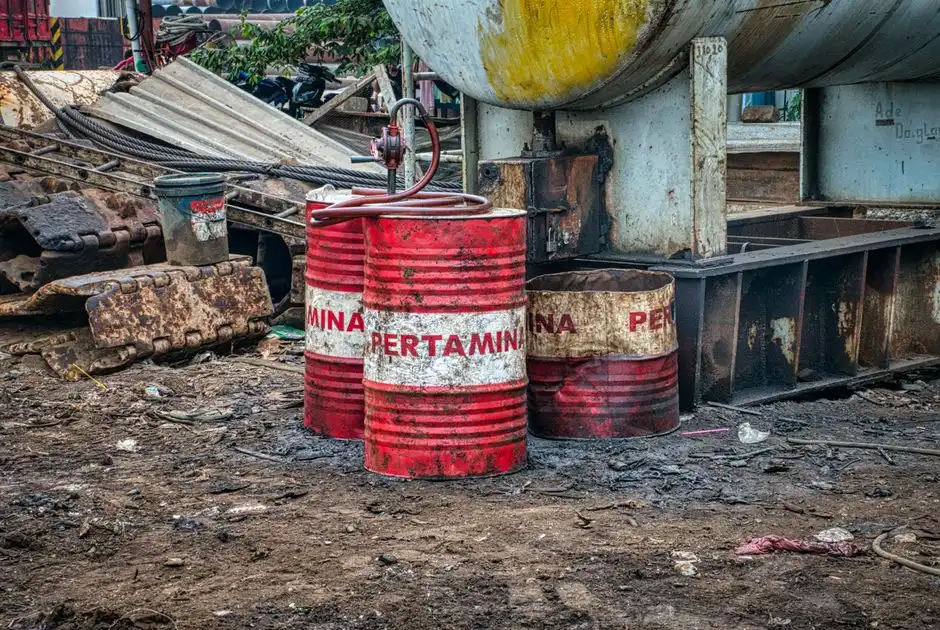
A robust effluent treatment plant in Darwin typically incorporates a five-stage process train, commencing with mechanical screening to protect downstream unit operations (HydropureWater field data, 2026). Each stage is engineered to address specific influent characteristics and achieve the required effluent quality for discharge or reuse.
| Stage | Unit Operation | Function & Key Parameters |
|---|---|---|
| 1 | Rotary Mechanical Bar Screen | Removes rags, plastics, and debris (2-6 mm apertures). SS304 housing is mandatory for cyclone-rated resilience and high wet-season leaf loads. |
| 2 | Flow & Load Equalisation Tank | Buffers wet-season hydraulic peaks and shift-change batch discharges. Sized for 6-24 hours HRT, using Darwin's 3-5× ADWF peaking factor. |
| 3 | Physico-Chemical Primary | DAF pre-treatment system (4-300 m³/hr, 70-90% FOG removal) for food, beverage, oil & gas streams; lamella clarifier (20-40 m/h surface loading) for higher-solids streams; automatic chemical dosing skid for PAC + polymer. |
| 4 | MBR Membrane Bioreactor | Biological secondary treatment (10-2,000 m³/day) delivering <1 mg/L TSS, <30 mg/L COD, <5 mg/L BOD (HydropureWater field data, 2026). Achieves roughly 60% of the conventional activated sludge footprint (S2). Aeration blowers are sized 1.2-1.4× temperate designs to compensate for tropical heat derating. |
| 5 | Tertiary Polishing | UF (0.03 µm PVDF) for reuse-grade water, RO for closed-loop industrial reuse, or UV for disinfection-only discharge. ClO₂ generator (50-20,000 g/h range) as an alternative for chlorine-tolerant pathogens. |
Stage 1 uses a rotary mechanical bar screen with 2-6 mm apertures to remove gross solids, protecting downstream pumps and membranes. Stage 2, the flow and load equalisation tank, is critical for absorbing the 3-5× ADWF hydraulic peaks common during Darwin's wet season, providing a 6-24 hour hydraulic retention time. Stage 3 involves physico-chemical primary treatment; for high fats, oils, and grease (FOG) streams, a DAF pre-treatment system is selected (4-300 m³/hr, 70-90% FOG removal), while for higher-solids industrial streams, a lamella clarifier (20-40 m/h surface loading) is preferred. Both utilise an automatic chemical dosing skid for coagulation and flocculation. Stage 4, the MBR membrane bioreactor, is the core biological treatment, delivering high-quality effluent consistently (<1 mg/L TSS, <30 mg/L COD, <5 mg/L BOD per HydropureWater field data, 2026), with aeration blowers sized 1.2-1.4× larger than temperate designs to account for tropical heat (HydropureWater field data, 2026). Stage 5, tertiary polishing, tailors the effluent for specific reuse or discharge requirements, employing UF, RO, or UV disinfection, or a ClO₂ generator (50-20,000 g/h range) for disinfection.
Matching the Train to Darwin's Industrial Streams
Industrial influent characteristics, rather than sector alone, dictate the optimal Darwin industrial wastewater treatment guide configuration, with oil & gas support streams often requiring heavy metal precipitation (per S2, adapted for Darwin). The following table outlines typical process trains for Darwin's diverse industrial base:
| Industry Sector | Typical Influent Characteristics | Recommended ETP Train |
|---|---|---|
| Oil & Gas Support (produced water, washdown) | High salinity, hydrocarbons, heavy metals | DAF + Equalisation + MBR + UF/RO with TMT 15 or Na₂S precipitation for mercury/lead (S2 chemistry at pH ~2.0) |
| Food, Beverage, Abattoir | 1,500-5,000 mg/L COD, high FOG | DAF + MBR + UV. DAF protects MBR membranes from grease fouling. |
| Aquaculture, Darwin Harbour-Adjacent | High ammonia, variable salinity | MBR with controlled nitrification/denitrification, possible RO polish for nutrient recovery. |
| Defence, Hospital, Small Commercial | Near-municipal to moderate organic load | WSZ underground package STP (1-80 m³/hr) for ≤50 m³/day flows; full MBR above 500 m³/day. |
| General Manufacturing (near-municipal) | Low to moderate organic strength | DAF + MBR + UV; or JY integrated purifier (10-200 m³/h) for low-strength streams. |
For oil & gas support and produced water, the high salinity, potential hydrocarbons, and heavy metals from washdown necessitate a robust DAF + equalisation + MBR + UF/RO train. Specific heavy metals like mercury or lead may require TMT 15 or Na₂S precipitation, a chemistry proven at pH ~2.0 (per S2). Food, beverage, and abattoir operations, characterised by 1,500-5,000 mg/L COD and high FOG, typically employ a DAF + MBR + UV baseline, with DAF crucial for protecting MBR membranes from grease fouling. Aquaculture and Darwin Harbour-adjacent facilities, dealing with high ammonia and variable salinity, benefit from MBR with controlled nitrification/denitrification, potentially followed by RO for nutrient recovery. Defence, hospital, and small commercial sites with flows ≤50 m³/day can utilise a WSZ underground package STP (1-80 m³/hr), scaling to a full MBR above 500 m³/day. General manufacturing with near-municipal effluent can opt for DAF + MBR + UV or a JY integrated purifier (10-200 m³/h) for lower-strength streams.
Sludge Dewatering and the Darwin Disposal Reality
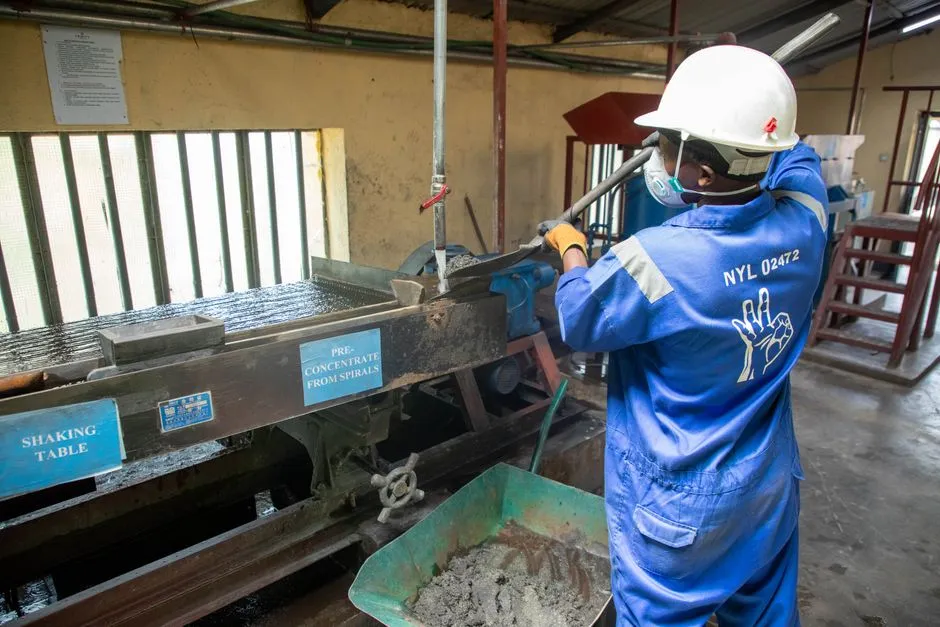
Plate and frame filter press technology is the baseline for sludge dewatering in Darwin, typically achieving 25-35% dry solids and a 75-80% volume reduction (S2). This performance is comparable to the 25-30% dry solids achieved by centrifuges and scrubber effluent treatment (SET) plants in other regions (S2), providing a reliable target for dewatering equipment sizing. To optimise this process, pair the filter press with a high-efficiency sedimentation tank that incorporates sludge recirculation. This configuration has been shown to cut coagulant demand by up to 30% and significantly reduce the total sludge mass (S2), offering direct operational expenditure savings on both chemicals and disposal tonnage.
The disposal reality in Darwin presents unique logistical and cost challenges. Licensed landfill options for industrial sludge are limited, and haulage from remote Top End sites often spans hundreds of kilometres. Hazardous sludges, such as those from metal-finishing or produced-water precipitates, cannot be routed to municipal infrastructure; they must be transported to a licensed hazardous-waste facility. However, for food and abattoir sludges meeting stringent pathogen and metals limits, a reuse option exists: biosolids can be applied to land under specific NT EPA guidance, offering an alternative to landfill disposal.
2026 Cost Envelope and the First 90 Days on a Darwin Site
Industrial effluent treatment plant projects in Darwin typically incur a 15-25% premium over east-coast Australian quotes due to factors such as cyclone-rated enclosures, remote freight logistics, and the inherent risks associated with wet-season commissioning. Cost bands for ETPs are best considered as ranges, rather than point estimates: small packaged systems (≤50 m³/day) for lower flows, mid-scale plants (50-500 m³/day) for typical industrial applications, and large-scale facilities (>500 m³/day) for extensive operations. It is critical to budget separately for NT EPA permit fees, Power and Water Corporation trade waste consent fees, third-party compliance sampling during commissioning, and comprehensive operator training against consent conditions, as these are routinely overlooked in initial budget estimates (S2).
A fixed 90-day sequence, adapted for Darwin's unique conditions, is recommended for project initiation. Weeks 1-4 should focus on pre-application engagement with NT EPA and Power and Water. Influent characterisation and bench-scale treatability studies are conducted during weeks 3-8. Detailed design and procurement span weeks 6-16, followed by build and Factory Acceptance Testing (FAT) from weeks 12-28. Site delivery and commissioning are scheduled for weeks 26-36, with a deliberate dry-season window (May-September) to mitigate cyclone-season commissioning risks. if the site provides oil & gas support, the project schedule should align with INPEX/Shell shutdown windows to minimise disruption.
Frequently Asked Questions
What is the typical timeline for securing an NT EPA permit for an ETP in Darwin?
A standard NT EPA permit application for an effluent treatment plant generally runs 3-6 months from the initial pre-application meeting to determination. Larger, more complex industrial operations may require a more detailed environmental statement, extending this timeline. Proactive pre-application engagement with the NT EPA is crucial to avoid delays.
What effluent quality can be expected from a five-stage Darwin ETP train?
A properly designed and operated five-stage effluent treatment plant in Darwin, incorporating MBR biological treatment and tertiary polishing, consistently delivers high-quality effluent. Typical performance achieves less than 1 mg/L TSS, less than 30 mg/L COD, and less than 5 mg/L BOD (HydropureWater field data, 2026), meeting stringent discharge or reuse standards.
When should I choose DAF over a lamella clarifier for primary treatment in Darwin?
Select a DAF (Dissolved Air Flotation) pre-treatment system when the influent contains high concentrations of fats, oils, and grease (FOG) or low-density suspended solids, which DAF effectively floats for removal (70-90% FOG removal). A lamella clarifier is more suitable for industrial streams with higher-density, settleable solids, providing efficient gravity-driven clarification.
What is the typical cost premium for an ETP project in Darwin compared to east-coast Australia?
Industrial effluent treatment plant projects in Darwin generally incur a 15-25% cost premium over comparable east-coast Australian quotes. This premium accounts for factors such as the need for cyclone-rated enclosures, increased remote freight costs, and the higher risks associated with commissioning during the wet season.
How should hazardous sludge from a Darwin industrial ETP be disposed of?
Hazardous sludges, such as those containing heavy metals from metal-finishing or precipitates from produced water treatment, must be routed to a licensed hazardous-waste facility. These sludges cannot be disposed of via municipal landfill or infrastructure in Darwin. Strict adherence to NT EPA hazardous waste regulations is mandatory for compliance.