Why a Packaged MBR Fits Marseille Hotels Specifically
A packaged MBR STP for a Marseille hotel is a factory-built, containerised or skid-mounted membrane bioreactor that combines activated-sludge biology with submerged ultrafiltration (0.1–0.03 μm PVDF membranes) in a single pre-assembled unit. For hotel duty it typically removes 96–98% of BOD, 88–98% of TSS, and 77–85% of nutrients, producing near-reuse-quality effluent that meets France's EU Urban Waste Water Directive 91/271/EEC limits without a secondary clarifier. A containerised unit arrives in Marseille with membranes already installed, cutting on-site civil work from the 8–12 weeks typical of a site-built concrete plant down to a few days of crane-lift and pipe connection (per Optima export model documentation, 2026).
Mediterranean loading is the decisive argument. Summer occupancy at coastal Marseille hotels drives 1.5–2.0× peak hydraulic and organic load versus the annual average; conventional activated sludge handles this only by oversizing aeration tanks, which a tight urban site rarely allows. MBR tolerates the surge because it runs at 8,000–12,000 mg/L MLSS — three to four times a clarifier-fed system — and the membrane barrier decouples solids retention from hydraulic retention. Marseille's July–August ambient temperatures regularly exceed 30 °C, which keeps biomass active but corrodes mild-steel frames; specifying 304/316 stainless frames and A4-80 fasteners is a baseline procurement requirement. The Fos-sur-Mer and Marseille industrial-port cluster sits under active EU UWWTD enforcement, so compliance documentation travels with the skid rather than being assembled in the field. Hotel wastewater is also a specific mix: kitchen FOG (often 80–150 mg/L), laundry lint, hair, and high BOD from guest rooms; the 0.1–0.03 μm membrane physically blocks the lint and oil emulsions that would bleed over a conventional clarifier. An integrated MBR membrane bioreactor system consolidates biology, membrane, and blowers into a single factory-tested skid that survives this loading profile.
Step 1: Map Your Marseille Hotel to the Right Compliance Path
Two approval paths govern a Marseille hotel STP, and the choice dictates the entire specification. Path A is connection to the Métropole de Marseille municipal collector operated by SERAMM under Métropole Eau, which requires a signed convention de raccordement with flow caps and pollutant ceilings; this is a pre-treatment obligation, not a full reuse envelope. Path B is standalone on-site discharge under the French arrêté du 21 juillet 2015, transposing EU UWWTD 91/271/EEC, which imposes the full sensitive-area envelope for properties discharging toward the Calanques watershed, the Frioul archipelago, or any zone flagged by ARS PACA: BOD ≤25 mg/L, COD ≤125 mg/L, TSS ≤35 mg/L, TN ≤15 mg/L, TP ≤2 mg/L in designated zones.
Hotels above roughly 200 rooms in the dense 1st–8th arrondissements almost always fall under Path A; resort properties in the calanques, on the Frioul islands, or in the peri-urban communes of Cassis and La Ciotat trigger Path B. Before sizing any equipment, build the parameter table below and walk it through SPANC (for Path B) or SERAMM (for Path A) — the agencies will confirm which envelope you are designing to.
| Parameter | Collective sewer (Path A) | Standalone sensitive-area (Path B) | Monitored by |
|---|---|---|---|
| BOD | ≤100 mg/L (typical convention cap) | ≤25 mg/L | SERAMM / SPANC |
| COD | ≤400 mg/L | ≤125 mg/L | SERAMM / SPANC |
| TSS | ≤150 mg/L | ≤35 mg/L | SERAMM / SPANC |
| Total Nitrogen | Site-specific | ≤15 mg/L | ARS PACA / SPANC |
| FOG | ≤150 mg/L | ≤30 mg/L pre-treatment | SERAMM / SPANC |
| E. coli / Coliforms | Site-specific | ARS PACA |
Standalone discharge with reuse irrigation is often the cheaper long-term path because Marseille municipal water tariffs rank among the highest in France (€3.50–4.20/m³ for hotel-tier contracts, 2026 SERAMM tariff schedule), and only an MBR reliably hits the 15 mg/L TN envelope and disinfection targets without tertiary chemical polishing. MBR modules using DF series flat-sheet PVDF membrane cassettes are rated for the TSS ≤35 mg/L and zero-coliform performance Path B demands.
Step 2: Size the MBR for Hotel Peak Flow, Not Average Flow
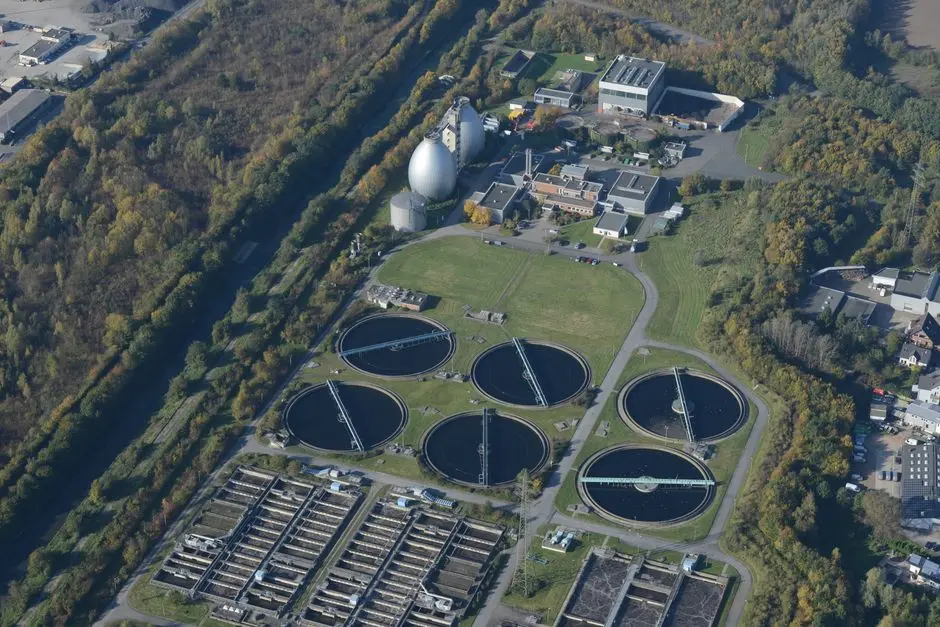
Working sizing rule for a 3–4 star Marseille coastal hotel (HydropureWater engineering convention, 2026): 0.8–1.2 m³ per occupied room per day, plus 0.15 m³ per restaurant cover, plus 0.05 m³ per kilogram of laundry processed. For a 120-room hotel at 85% July occupancy with a 90-cover restaurant and 200 kg/day laundry, daily average flow is roughly 120 × 0.9 × 0.85 = 92 m³ from rooms, plus 14 m³ restaurant, plus 10 m³ laundry — about 116 m³/day average. Apply a 1.5–2.0× peak factor for the Mediterranean tourist season: peak design flow lands at 175–230 m³/day. Designing to the average instead of the peak is the single most common reason packaged MBRs under-perform in their first summer.
Real reference point: the Trident Nariman Point, Mumbai study (peer-reviewed 2025, Desalination and Water Treatment) documents a single submerged UF-MBR line at 800 m³/day serving a 550-room luxury hotel — about 1.45 m³/room, in line with the rule above. That is a proven packaged design point, not a lab result. Membrane flux should be specified at 15–25 L/m²·h sustained, with chemical clean-in-place (CIP) capable of restoring flux from 27 to 31 L/m²·h — a 14.8% recovery observed in the Trident case — which is your justification to keep 10–15% spare membrane area in the cassette rack for the 5-year membrane replacement window. The HydropureWater MBR integrated system spans 10–2,000 m³/day on a single line, fitting both a 60 m³/day boutique hotel and a 250 m³/day resort without bespoke engineering, and the DF series cassettes produce 32–135 m³/day each if modular scaling is preferred. The same integrated MBR membrane bioreactor system handles both ends of that range.
Step 3: Specify Pretreatment to Protect the Membranes
Membranes fail early in hotel service when pretreatment is underspecified. The mandatory upstream stack is short but non-negotiable: a 2–3 mm aperture GX series rotary mechanical bar screen to strip lint, hair, and plastics from laundry and housekeeping streams before they reach the bioreactor; a DAF unit to drop FOG below 30 mg/L and shave 20–35% of influent COD off the membrane loading; and an equalisation tank sized for 6–8 hours of peak flow to dampen the lunch (12:30–14:00) and dinner (19:30–22:00) FOG surge before it hits the membranes.
The 27 → 31 L/m²·h flux recovery documented after a standard CIP cycle in the Trident study is the proof point that effective pretreatment extends chemical cleaning intervals and protects membrane life — every kilogram of lint or FOG that passes the screen ends up as irreversible fouling on the cassette face. For a Marseille hotel kitchen producing 30–50 kg FOG/day at full occupancy, the DAF is not optional; it is the difference between a quarterly and a monthly CIP cycle. The same pretreatment stack is what makes the 5-year membrane warranty defensible in your O&M contract.
Step 4: Match MBR Configuration to the Hotel Site
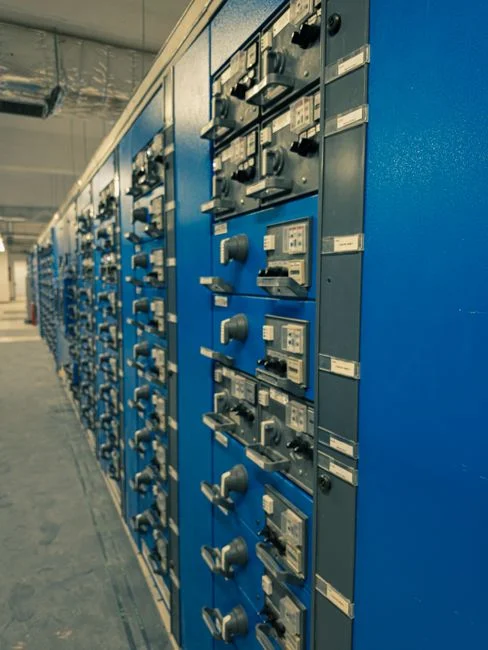
For Mediterranean hotel duty, submerged flat-sheet MBR (0.1 μm PVDF, HydropureWater DF series) is the better default than hollow-fiber. Flat-sheet tolerates the FOG and lint spikes a hotel generates, allows individual element swap-out without draining the cassette rack, and consumes 10–20× less energy than external cross-flow designs because there is no recirculation pump. Submerged hollow-fiber (0.03 μm PVDF) gives finer nominal filtration and higher packing density, but is more sensitive to fouling, harder to clean chemically in situ, and harder to repair on a hotel maintenance budget. For a hotel, that trade-off usually favours flat-sheet.
Format is a site-logistics decision. A 20-ft or 40-ft ISO containerised unit arrives factory-tested and is operational within days of crane-lift placement — best for boutique and mid-size hotels in the 60–150 m³/day band, where site access is open and the plant room is a ground-floor plant enclosure. A skid-mounted modular build ships flat-packed and assembles on site — preferred for 200+ m³/day resort retrofits where crane access to a basement plant room is restricted or where the footprint has to split across two levels. Both formats use the same DF series flat-sheet PVDF membrane cassettes as the biological separation stage; the difference is purely the enclosure and the blower / pipework layout.
| Criterion | Submerged flat-sheet (DF series) | Submerged hollow-fiber |
|---|---|---|
| Nominal pore size | 0.1 μm PVDF | 0.03 μm PVDF |
| FOG / lint tolerance | High — tolerant of spikes | Moderate — fouls faster |
| Energy use | 0.3–0.5 kWh/m³ (no recirculation) | 0.4–0.7 kWh/m³ |
| Element replacement | Individual cassette swap | Rack-level replacement typical |
| Best fit | Hotel / hospitality | Municipal / industrial polish |
What a Packaged MBR Actually Delivers at a Hotel: 2025 Field Data
The Trident Nariman Point, Mumbai study (peer-reviewed 2025, Desalination and Water Treatment, S1944398625003649) is the most defensible performance benchmark available for a packaged MBR at a working luxury hotel. The 800 m³/day submerged UF-MBR serving a 550-room property delivered, over a four-month grab-sample campaign: 98.13% TSS removal, 96.34% BOD removal, 88.63% COD removal, 77.38% total nitrogen removal, and 84.80% total phosphorus removal. The membrane filtration technique produced complete elimination of Total Coliforms and Fecal Coliforms, satisfying standalone discharge disinfection requirements without a separate UV stage — though UV is still recommended for any reuse envelope aimed at toilet flushing or unrestricted irrigation.
| Parameter | Influent (mg/L, typical) | Effluent (mg/L) | Removal (%) | EU UWWTD sensitive-area limit |
|---|---|---|---|---|
| BOD | 220–280 | ≤10 | 96.34 | ≤25 mg/L ✓ |
| COD | 450–600 | ≤70 | 88.63 | ≤125 mg/L ✓ |
| TSS | 200–300 | ≤5 | 98.13 | ≤35 mg/L ✓ |
| Total Nitrogen | 35–50 | ≤10 | 77.38 | ≤15 mg/L ✓ |
| Total Phosphorus | 6–10 | ≤1 | 84.80 | ≤2 mg/L ✓ |
| Total / Fecal Coliforms | 10⁶–10⁷ CFU/100 mL | ND | ~100 | Path B dependent ✓ |
For a Marseille hotel specifying against EU UWWTD 91/271/EEC and the French arrêté du 21 juillet 2015, these Trident numbers are the right figures to anchor the performance guarantee clause. They are also consistent with the broader HydropureWater field-data envelope for packaged MBRs deployed on hospitality duty (2026).
A Practical Decision Matrix for the Marseille Hotel Buyer
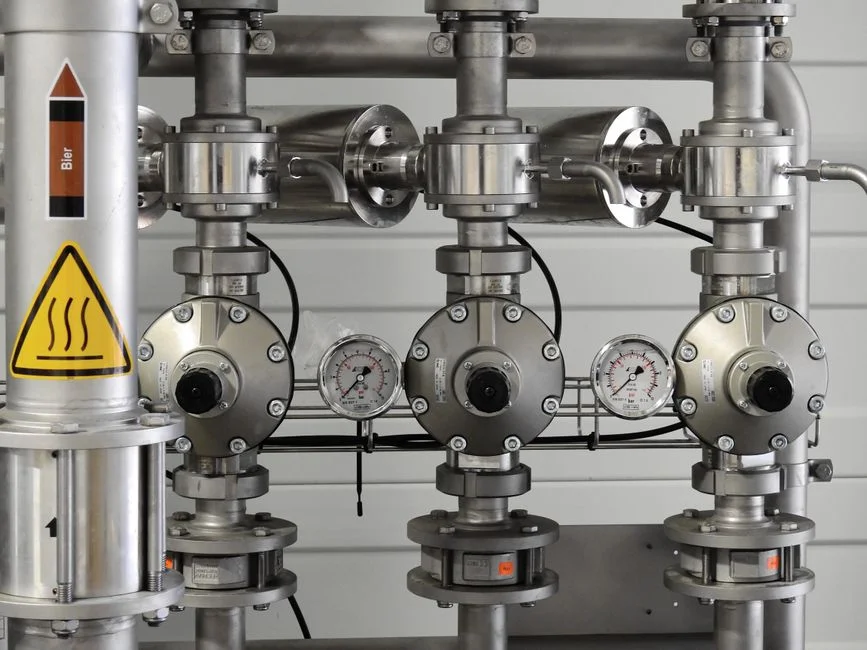
Two canonical hotel profiles cover the majority of Marseille specifications — a 60-room boutique and a 200-room resort. The matrix below maps each profile to a recommended packaged MBR configuration drawn from the HydropureWater 10–2,000 m³/day product envelope, with no bespoke engineering required.
| Hotel profile | Design flow (avg / peak) | Format | Membrane type | Recommended unit | Footprint | Effluent target |
|---|---|---|---|---|---|---|
| 60-room boutique, 1 restaurant, no laundry | 60 m³/day / 110 m³/day | 20-ft ISO containerised | Submerged flat-sheet (DF series) | HydropureWater integrated MBR system, single DF cassette | <30 m² | Standalone discharge or irrigation reuse |
| 200-room resort, 2 restaurants, on-site laundry | 180 m³/day / 320 m³/day | Skid-mounted modular (two cassettes) | Submerged flat-sheet (DF series) | HydropureWater integrated MBR system, dual DF cassette line | <80 m² | Dual reuse: irrigation + toilet flush |
Both configurations fit within the standard product envelope (32–135 m³/day per DF cassette) and meet EU UWWTD 91/271/EEC sensitive-area limits as anchored by the Trident 2025 removal data. For a deeper cost benchmark on a French packaged STP, the Lyon packaged STP cost benchmark gives a defensible €/m³-installed reference, and the warm-climate hotel MBR sizing framework for warm-climate destinations extends the same logic to other Mediterranean / tropical sites. For a side-by-side technology view, the MBR vs conventional activated sludge footprint comparison is the cleanest reference.
Frequently Asked Questions
How do I size a packaged MBR STP for a Marseille hotel?
Apply 0.8–1.2 m³ per occupied room per day, plus 0.15 m³ per restaurant cover, plus 0.05 m³ per kg of laundry, then multiply by a 1.5–2.0× Mediterranean peak factor for July–August. A 120-room hotel at 85% occupancy lands around 175–230 m³/day peak, well within the HydropureWater 10–2,000 m³/day single-line envelope.
Which French compliance path applies to a hotel near the Calanques or on the Frioul islands?
Standalone on-site discharge under the French arrêté du 21 juillet 2015, transposing EU Urban Waste Water Directive 91/271/EEC, with sensitive-area limits of BOD ≤25 mg/L, COD ≤125 mg/L, TSS ≤35 mg/L, and TN ≤15 mg/L. Approval is via SPANC with ARS PACA concurrence, and reuse for irrigation is tightly controlled.
Can a packaged MBR be commissioned remotely for a small Marseille hotel?
Yes. Containerised units up to about 150 m³/day are factory-tested, ship with membranes installed, and are supported by remote commissioning with on-call video guidance; a 60 m³/day boutique unit is typically operational within 3–5 days of crane placement (per Optima export model, 2026).
What membrane life should a Marseille hotel expect?
PVDF flat-sheet membranes on a hotel MBR typically run 5–7 years before replacement, assuming DAF pretreatment holds FOG below 30 mg/L and CIP cycles restore flux from ~27 to ~31 L/m²·h, as documented in the 2025 Trident Nariman Point study.
Is MBR effluent safe for hotel garden irrigation under French rules?
Yes, when the MBR is followed by UV disinfection and the installation is approved under the French reuse decree for non-potable irrigation. The 2025 Trident data show complete coliform elimination across the membrane barrier, so the UV stage is a redundancy rather than a primary disinfection step.