
What a 2026 Effluent Treatment Plant in Halifax Has to Deliver
An effluent treatment plant in Halifax in 2026 is typically a packaged biological-plus-polish train — most often MBR (≤1 µm PVDF membranes, pathogen reduction up to 99%) or DAF + activated sludge for FOG- and TSS-heavy streams — followed by UF and optional RO/nanofiltration polishing for reuse. Selection is driven by Nova Scotia Environment effluent targets, Halifax Water sewer-use limits, target flow (1–2,000 m³/day) and whether the site pursues water reuse under Atlantic Canada industrial pressure.
Three engineering outcomes define a defensible 2026 ETP scope for any Halifax industrial site. First, regulatory discharge compliance: the treated stream must meet Nova Scotia Environment and Climate Change (NSE) activity-approval limits, which are set effluent-by-effluent in the industrial approval, and Halifax Water's Sewer Use Bylaw (S-100) limits for any flow discharged to the municipal wastewater system. The two sets of limits are not identical — Halifax Water's bylaw caps parameters such as BOD, TSS, total phosphorus, FOG, and pH at the sewer manhole, and an NSE approval can be tighter where the receiving environment is sensitive. Designing to the looser of the two is a recurring scoping error in this region.
Second, protection of downstream municipal infrastructure — specifically the Halifax Water Commission wastewater treatment plant in Halifax, which treats combined municipal flow and receives trade effluent from industrial users under a discharge agreement. FOG, grit, and slug discharges damage aeration systems, lift stations and digesters; the bylaw enforces this with surcharges and shutoff clauses. Third, optional water reuse for boiler feed, cooling make-up, irrigation, or process rinse, which is the lever that shifts an ETP from a compliance cost to a capital project with a measurable return. The case for reuse as a primary polishing objective is documented in the University of Twente thesis on direct nanofiltration of WWTP effluent (Schrader, 2015), which frames nanofiltration as a route to effluent suitable for agricultural or indirect potable usage.
The 40% non-compliance figure cited in industry best-practice literature (S5) is the right benchmark to anchor scoping conversations: roughly 40% of municipal and industrial plants face significant challenges meeting regulatory requirements, and Atlantic Canada is no exception. The dominant Halifax-relevant influent profiles in 2026 are food and beverage (FOG, BOD 1,000–10,000 mg/L), marine and shipyard (oils, metals, suspended solids 500–5,000 mg/L), pharma/med-device (COD, solvents, bioburden), and institutional sewage (variable hydraulics, NH3-N 20–80 mg/L). Each profile points to a different head of the process train.
The Halifax ETP Process Train: From Influent to Polished Effluent
A 2026 Halifax ETP is a sequence of unit operations, not a single box. Each stage has a specific duty, and skipping one stage usually forces the next stage to do work it was never designed for. The sequence below is the order a process engineer should walk a procurement team through before any equipment is selected.
- Screening / headworks — rotary mechanical bar screens (typically 2–6 mm aperture) protect downstream pumps, valves, and biological stages from rags, plastics, and debris. S5 frames screening as the "bouncer" of the plant, and that is functionally correct: a screen failure takes out a membrane skid far faster than it takes out a clarifier.
- Primary / physico-chemical — dissolved air flotation (DAF) for FOG, oil & grease, and colloidal removal; lamella clarifiers where footprint is constrained. DAF is the default for Halifax food, fish-processing, and marine influents because hydraulic residence time is short (15–30 min) and FOG capture routinely exceeds 90% at optimised air-to-solid ratios. The design intent is bulk contaminant removal ahead of biology, not final polishing.
- Secondary biological — MBR (submerged PVDF hollow-fibre or flat-sheet, <1 µm nominal pore), or conventional activated sludge (CAS) / SBR / MBBR for BOD/COD and ammonia reduction. Per AWWA data cited in industry literature, MBR systems reduce pathogens by as much as 99% and use roughly 60% less footprint than CAS for equivalent hydraulic and pollutant load. The trade-off is membrane aeration energy and a disciplined cleaning regime.
- Tertiary / polishing — UF (0.03 µm PVDF, 2,000–40,000 L/h flux band) for residual TSS and bacteria, plus optional advanced oxidation (ozone / H2O2 — AOPs can achieve up to 90% removal of refractory organics) or nanofiltration / RO for reuse-grade water. The decision to add RO or NF is driven by the reuse endpoint, not by influent quality.
- Disinfection — UV (chemical-free, effective on Cryptosporidium and Giardia) or on-site-generated chlorine dioxide, which is compliant with the EU Drinking Water Directive 98/83/EC for reuse water safety. Selection logic: UV for low-TDS streams with controlled transmittance; ClO2 where a residual is required in the reuse loop.
- Sludge handling — plate and frame filter press with 1–500 m² filtration area, sized off the biological stage. Sludge handling typically accounts for 20–50% of total operating costs (U.S. National Library of Medicine, cited in S5), which is why the dewatering choice drives long-term OPEX as much as the membrane choice.
| Stage | Typical Unit Operation | Primary Duty | Key Design Parameter |
|---|---|---|---|
| Headworks | Rotary bar screen | Debris removal | 2–6 mm aperture |
| Primary | DAF / lamella | FOG, oil, colloidal TSS | 15–30 min HRT, >90% FOG capture |
| Secondary | MBR / CAS / SBR / MBBR | BOD, COD, NH3-N | MLSS 8,000–12,000 mg/L (MBR); HRT 4–8 h |
| Tertiary | UF → (NF / RO) | TSS, pathogens, salts | UF flux 40–80 L/m²·h; RO recovery up to 95% |
| Disinfection | UV or ClO2 | Microbial inactivation | UV ≥ 40 mJ/cm²; ClO2 residual 0.1–0.5 mg/L |
| Sludge | Plate & frame filter press | Cake dry solids ≥ 18–22% | 1–500 m² filtration area |
MBR vs DAF + Activated Sludge vs Conventional Activated Sludge: Which Fits Your Halifax Site
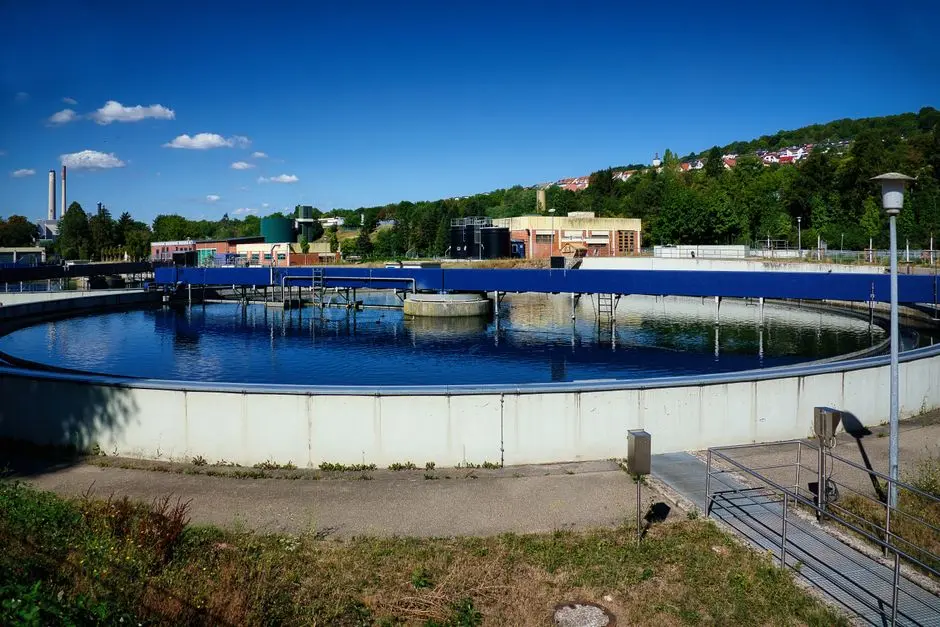
The selection question a Halifax engineer has to answer in 2026 is rarely "which brand" — it is which process train matches the influent, the discharge point, and the reuse target. The matrix below is built around the four decision drivers that matter in this region: effluent quality, footprint, OPEX share, and reuse-readiness.
| Parameter | MBR | DAF + Activated Sludge / MBBR | Conventional Activated Sludge (CAS) / SBR |
|---|---|---|---|
| Influent tolerance | Low–moderate FOG; sensitive to fouling oils | High FOG, oil & TSS (food, marine, fish processing) | Moderate; needs pre-screening and grit removal |
| Effluent BOD / TSS (typical) | < 5 mg/L BOD, < 1 mg/L TSS | 10–30 mg/L BOD, 10–30 mg/L TSS | 15–30 mg/L BOD, 15–30 mg/L TSS |
| Pathogen reduction | Up to 99% (AWWA, per S5) | Limited; requires tertiary disinfection | Limited; requires tertiary disinfection |
| Footprint vs CAS | ~60% smaller (per S5) | Similar to CAS | Baseline |
| CAPEX band (qualitative) | Medium–high (membranes, aeration) | Medium (proven, widely available) | Medium (civil-heavy) |
| OPEX driver | Membrane replacement, aeration energy | Sludge handling 20–50% of OPEX | Sludge handling 20–50% of OPEX, plus clarifier maintenance |
| Reuse-readiness | High — permeate suitable for RO feed | Low–medium — needs UF before RO | Low — needs UF + RO/NF to reach reuse grade |
For Halifax pharma, life-sciences, institutional sewage, and any site with a reuse target, an integrated MBR membrane bioreactor system is the defensible default. The 99% pathogen reduction figure and the ~60% footprint saving are both citable from AWWA-sourced industry data, and MBR permeate is the right feedwater for downstream RO without an extra UF stage. For deeper engineering context on flat-sheet MBR hydraulics, the field-tested walkthrough on flat-sheet MBR membrane mechanics is worth reading before specifying panel area.
For Halifax food processing, marine, fish processing, rendering, and metalworking — where FOG, oil, and suspended solids dominate the load — a dissolved air flotation system ahead of activated sludge or an MBBR is the standard train. DAF takes out the bulk FOG and colloidal load that would otherwise foul a membrane; biology does the BOD/COD and ammonia work. CAS or SBR alone makes sense only at very high flows with relaxed reuse targets, because of the 60% footprint penalty versus MBR and the need for a separate tertiary stage to reach reuse-grade water.
For sites under 50 m³/day — hotels, campuses, small industrial plants, remote buildings — a buried, low-operator packaged unit such as the WSZ series underground packaged sewage treatment plant (A/O contact oxidation) trades hydraulic flexibility for civil-footprint savings and minimal operator attendance. The trade-off is a tighter envelope on influent variability.
Tertiary Polishing and Reuse: Where Halifax Plants Capture Real Value
The 2026 driver that separates a compliance-only ETP from a capital project with a measurable return is the reuse loop. Reuse is not a marketing line in Atlantic Canada — it is a hedge against Halifax Water's rising industrial rates, an NSE-acknowledged discharge reduction, and a resilience play for sites that have been asked to cut freshwater draw during peak season. The technical anchor for the reuse discussion is well established: nanofiltration is a suitable polishing step for WWTP effluent to EU WFD standards, producing water suitable for agricultural or indirect potable usage (Schrader, 2015, University of Twente).
The cleanest case-study reference is the Leo Group / Omega Proteins site at Penrith, which installed a reverse osmosis polish on top of a traditional effluent plant. The RO step improved steam output by 3.2% by upgrading the boiler feedwater, and the same water is reused for biofilter irrigation. A 3.2% steam uplift at industrial boiler scale is a defensible ROI number that any Halifax procurement lead can take to a finance review, and it ties directly to the polish-train logic: MBR permeate → UF (0.03 µm PVDF) → RO (recovery up to 95%) or nanofiltration → UV or ClO2 disinfection.
For Halifax boiler feed and cooling make-up, the standard polish train is an PVDF ultrafiltration system feeding an industrial RO system with recovery up to 95% (per equipment specification), followed by an on-site chlorine dioxide generator sized to maintain a 0.1–0.5 mg/L residual in the reuse loop. ClO2 generation on-site is compliant with the EU Drinking Water Directive 98/83/EC for reuse water safety, which matters for sites discharging reuse water to a non-potable application that is cross-connected to potable plumbing. OPEX reference for the NF/RO step is in our nanofiltration system maintenance cost in 2026 breakdown.
2026 Cost, Compliance and Vendor Checklist for a Halifax ETP Project
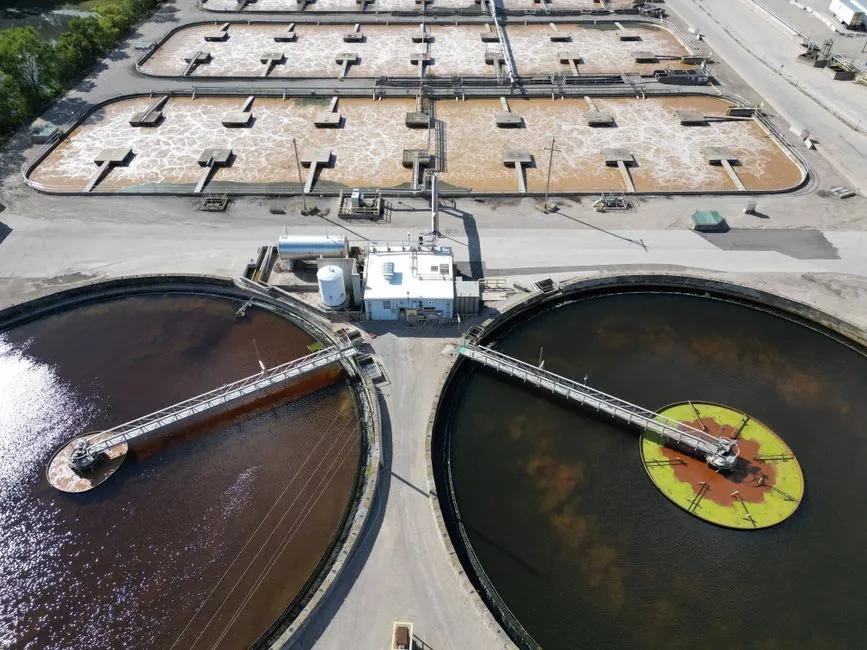
A 2026 Halifax ETP procurement is structured around three flow bands, each with a different cost driver. Below 50 m³/day, a packaged or underground unit dominates CAPEX and civil works are minimal. From 50–500 m³/day, an MBR or DAF + biology train is the standard, and CAPEX is driven by membrane area, tankage, and the level of automation (PLC vs relay, HMI vs SCADA). Above 500 m³/day, the plant is custom-engineered, and the dominant CAPEX line is civil works and the tertiary polish train. The 20–50% sludge-handling share of total OPEX (U.S. National Library of Medicine, per S5) is the number to anchor every OPEX conversation — sludge dewatering, polymer dosing, and cake disposal outrank aeration energy in most operating budgets.
| Flow Band | Typical Train | CAPEX Driver | OPEX Driver |
|---|---|---|---|
| < 50 m³/day | WSZ packaged / underground | Unit cost, minimal civil | Sludge removal, power |
| 50–500 m³/day | MBR or DAF + biology + UF | Membrane area, tankage, automation | Membrane replacement, aeration, sludge (20–50% share) |
| > 500 m³/day | Custom ETP with tertiary polish | Civil works, RO/NF skid, sludge dewatering | Sludge, membrane replacement, chemicals, power |
Vendor shortlist criteria for a 2026 Halifax ETP procurement are non-negotiable. Look for in-house process engineering (not a sales house relabelling a third-party skid), documented Nova Scotia or Atlantic Canada commissioning references, after-sales service coverage with named contacts and response-time commitments, membrane and consumables availability from a stocked Canadian or North-American warehouse, and complete EHS / control-system documentation including PLC code, HMI screens, and remote-monitoring capability. An automatic chemical dosing system with closed-loop control and a plate and frame filter press sized to the biological stage should be specified with vendor lead times confirmed in writing, not just quoted.
The regulatory documents a Halifax site has to line up before commissioning in 2026 are: a site-specific influent characterisation (24-hour composite, minimum 5 consecutive days, covering flow, pH, BOD, COD, TSS, FOG, ammonia, total P, and any site-specific parameters such as metals or solvents); the NSE activity-approval pathway (an industrial approval or amendment, with effluent limits set case-by-case); a Halifax Water discharge agreement if any flow goes to sewer (Bylaw S-100, with sampling access at the manhole and surcharge clauses); and a reuse water risk assessment if the polish train feeds a non-potable reuse loop, addressing cross-connection control and signage. For a cross-regional comparison of CAPEX/OPEX drivers in a similar Atlantic Canada municipal setting, the Effluent Treatment Plant in Calgary: 2026 Buyer's Engineering Guide is a useful parallel read.
Frequently Asked Questions
How much does an effluent treatment plant in Halifax cost in 2026, and how do I size it?
Size first, cost second. A packaged or underground unit handles flows below 50 m³/day for hotels, campuses, and small plants; an MBR or DAF + biology train is the standard from 50–500 m³/day; custom-engineered plants take over above 500 m³/day. Sizing is driven by influent characterisation (flow + pollutant load), not by peak nameplate, and an undersized equalisation tank is the most common cause of biological-stage failure in this region.
Is MBR better than conventional activated sludge for a Halifax industrial site?
For pharma, life-sciences, institutional sewage, and any site with a reuse target, yes — MBR delivers up to 99% pathogen reduction (AWWA, per S5), ~60% smaller footprint than CAS, and a permeate that feeds directly into RO. For high-FOG food, marine, or fish-processing sites, DAF + activated sludge or MBBR is the more defensible train because MBR membranes foul rapidly on free oil.
What is the regulatory pathway for an ETP in Halifax in 2026?
You need three documents in parallel: an NSE activity approval (or amendment) for the discharge or reuse endpoint, a Halifax Water discharge agreement under Bylaw S-100 if any flow enters the sewer, and a reuse water risk assessment if the polish train feeds a non-potable loop. None of the three substitutes for the other, and sequencing them in parallel rather than series is the single biggest schedule saver.
Is water reuse feasible from a packaged ETP in Halifax?
Yes, if the train is designed for it. An MBR permeate feeding a UF → RO polish (recovery up to 95%) followed by UV or on-site-generated ClO2 produces water suitable for boiler feed, cooling make-up, or irrigation. The Leo Group / Omega Proteins case (S4) measured a 3.2% steam output uplift from an RO polish, which is a defensible ROI benchmark for Halifax boiler-feed reuse.
What is the realistic timeline to install a Halifax ETP in 2026?
Plan on 9–14 months from purchase order to commissioning for a packaged 50–500 m³/day MBR or DAF train, with the longest items being membrane delivery (8–14 weeks), NSE approval review, and Halifax Water discharge-agreement negotiation. Custom plants above 500 m³/day typically run 14–24 months, dominated by civil works and the tertiary polish skid. Operations issues after handover are covered in our MBR system troubleshooting for sewage field notes.
Related Equipment
- PVDF ultrafiltration system — specifications, capacity range, and technical data