What an Effluent Treatment Plant Does for a Vancouver Industrial Site
An effluent treatment plant (ETP) in Vancouver treats industrial wastewater to meet either the Metro Vancouver Sewer Use Bylaw No. 299/2021 for sewer discharge or the BC Municipal Wastewater Regulation for direct water-body release, and Vancouver industrial buyers in 2026 typically select MBR, DAF + activated sludge, or ultrafiltration depending on influent COD, with packaged capacities from 10 to 2,000 m³/day and CAPEX ranging from roughly CAD 1,200 to 4,500 per m³/day (HydropureWater 2026).
An ETP is a multi-stage train, not a single tank: screening, equalization, primary clarification or dissolved air flotation, biological oxidation, tertiary polishing, and disinfection — terminating in one of three endpoints. The first endpoint is sanitary-sewer discharge governed by Metro Vancouver Sewer Use Bylaw No. 299/2021, which routes effluent to Annacis, Iona, or Lions Gate treatment plants. The second endpoint is direct water-body release, authorized under the BC Municipal Wastewater Regulation with full effluent toxicity testing. The third endpoint is on-site reuse for cooling, irrigation, or toilet flushing, regulated by the Metro Vancouver Cross Connection Control program. A real Vancouver-region example of this fork is the Cache Creek landfill ETP, which collects and treats landfill leachate and discharges treated water to either a sanitary sewer or a water body (PCI Magazine, BC site report).
BC and Metro Vancouver Compliance Pathways for 2026
Metro Vancouver Sewer Use Bylaw No. 299/2021 governs every industrial discharge to the regional sewer system, with catchment serving the Annacis, Iona, and Lions Gate wastewater treatment plants. Bylaw No. 299/2021 supersedes earlier iterations and aligns discharge limits with source-control categories A through I — metal finishers, food processors, and landfill operators each fall under specific appendices that tighten metals, FOG, or ammonia depending on load (Metro Vancouver, 2021).
For sanitary-sewer discharge, the typical design envelope most Metro Vancouver enforcement letters cite is total suspended solids ≤350 mg/L, oil & grease ≤100 mg/L, pH 6.0–10.5, plus the metals appendix for electroplating sites covering lead, cadmium, chromium (including hexavalent), nickel, and zinc with site-specific mass limits in kg/day. Direct water-body release is a fundamentally different path: it requires BC Municipal Wastewater Regulation authorization and a 96-h LC50 effluent toxicity test, and most consultants steer buyers toward MBR or ultrafiltration polishing to clear that bar without conditional permits. The third path, on-site reuse for cooling tower makeup or toilet flushing, must meet the Metro Vancouver Cross Connection Control requirements — backflow prevention, testable RPZ valves, and an annual inspection regime by a certified cross-connection control tester.
| Discharge Path | Governing Document | Key Limits / Tests | Typical Treatment Floor |
|---|---|---|---|
| Sanitary sewer | Metro Vancouver Sewer Use Bylaw No. 299/2021 | TSS ≤350 mg/L, O&G ≤100 mg/L, pH 6.0–10.5, site-specific metals | CAS or DAF + activated sludge |
| Direct water body | BC Municipal Wastewater Regulation | 96-h LC50 toxicity, BOD/TSS/NH₃ site-specific | MBR or UF polish + UV |
| On-site reuse | Metro Vancouver Cross Connection Control | Backflow prevention, RPZ testing, turbidity targets by end use | UF + UV or ClO₂ disinfection |
How Vancouver Industrial Influent Shapes Technology Choice
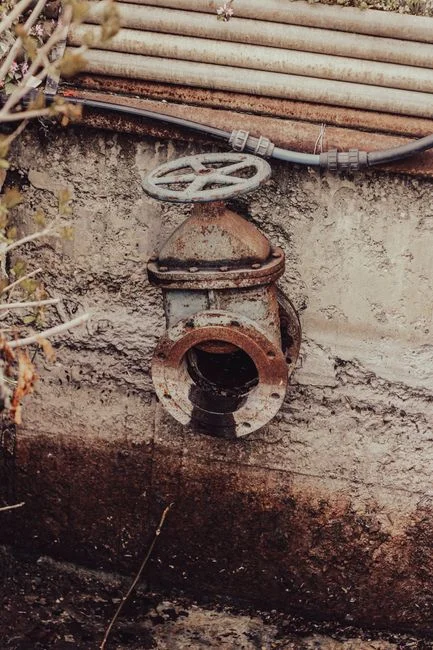
Influent chemistry, not vendor preference, drives ETP technology selection on a Vancouver buyer's site. Food and beverage facilities — brewery, fish processing, juice concentrate — generate BOD and COD in the 1,500–8,000 mg/L range with FOG up to several thousand mg/L, pushing the train toward DAF pre-treatment ahead of an anaerobic reactor or MBR. Metal finishing and electroplating shops carry hexavalent chromium, nickel, zinc, and a low influent pH that mandates chemical precipitation, ion exchange, and pH adjustment before any biological stage, with the precipitates routed to a filter press rather than back to headworks. Pulp and paper mills — covered in InTech chapter 54201 on pulp mill wastewater — face colour, lignin, and high-temperature streams that demand primary clarification, biological treatment, and tertiary UF. Landfill leachate in BC, with the Cache Creek site as the documented anchor, shows aged-leachate profiles of high ammonia, refractory COD, and intermittent exposure to 98% H₂SO₄ and 50% NaOH, which is why that plant pairs MBR with RO and specifies Novolac-rated concrete protection (PCI Magazine, BC). For reuse-quality polishing, nanofiltration is documented in the University of Twente Wessling group PhD thesis as a viable tertiary step to reach EU Water Framework Directive standards and is increasingly specified for Vancouver reuse projects.
Four ETP Architectures Compared for Vancouver Loads
Most Vancouver ETPs in 2026 are built on one of four architectures, and the choice between them is driven by footprint, FOG, and the discharge target selected above. Conventional activated sludge (CAS) offers the lowest CAPEX and the largest footprint, is sensitive to FOG spikes and temperature swings, and typically produces effluent TSS of 20–30 mg/L with biological phosphorus removal when configured properly. The MBR membrane bioreactor uses submerged PVDF membranes with an effluent TSS below 1 µm, occupies roughly 60% of the CAS footprint, draws higher energy, and produces a lower sludge yield — making it the right answer when direct water-body release is the target. DAF + activated sludge is the workhorse for high-FOG food and fish plants, and the HydropureWater DAF covers 4–300 m³/h with micro-bubble flotation, which is the right call when FOG swings dominate the influent. Ultrafiltration as a tertiary polish uses 0.03 µm PVDF hollow-fiber membranes, accepts up to 300 ppm turbidity in the feed, and runs automatic backwash — it is the option to specify when an RO unit follows or when reuse is the end goal, and the HydropureWater UF range covers 2,000–40,000 L/h. Constructed wetlands remain a low-OPEX tertiary polish for micropollutants where Metro Vancouver land cost allows, as documented in Wageningen WU thesis 8189.
| Parameter | Conventional Activated Sludge | MBR Membrane Bioreactor | DAF + Activated Sludge | Ultrafiltration (Tertiary) |
|---|---|---|---|---|
| Typical capacity (m³/day) | 50–5,000 | 10–2,000 | 50–5,000 | 5–500 (per train) |
| Effluent TSS (mg/L) | 20–30 | <1 (turbidity) | 15–25 | <1 |
| COD removal | 85–92% | 95–99% | 80–90% | 10–30% (polish) |
| Footprint vs CAS | 1.0× (baseline) | 0.4× | 0.9× (DAF saves tank volume) | 0.2× (add-on) |
| Energy (kWh/m³) | 0.3–0.6 | 0.8–1.4 | 0.4–0.7 | 0.1–0.2 |
| FOG tolerance | Low | Moderate (pre-DAF) | High | N/A (downstream) |
| Best fit in Metro Vancouver | High-flow low-FOG, sewer discharge | Water-body release, reuse, landfill leachate | Food, fish, brewery, FOG >500 mg/L | RO feed, reuse polishing, intermittent discharges |
Equipment Train for a Vancouver Leachate or Heavy-Industrial ETP
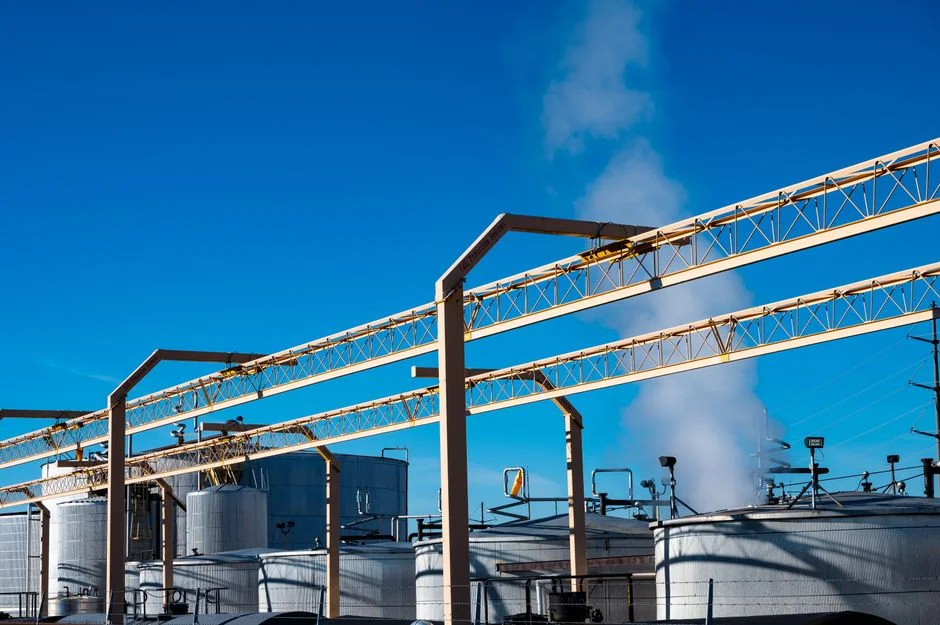
The technology choices above link into a working train, and the Cache Creek precedent shows why each stage must be specified with chemistry in mind. Headworks begins with a rotary mechanical bar screen to protect downstream pumps from rags, plastics, and grit — a non-negotiable first step on any leachate or food-processing site. Equalization follows with a PLC-controlled chemical dosing skid for pH adjustment and nutrient balancing, because landfill leachate swings pH from 5.5 to 9.0 between storm events. The primary stage is a DAF unit for FOG and suspended solids, or a lamella clarifier where the flow is high and the FOG is low. The biological stage is MBR or CAS, selected from the table above based on the discharge target. Tertiary polishing and disinfection are paired — a UF membrane element bank followed by either a UV sterilizer or a chlorine dioxide generator for the final effluent. Sludge handling closes the loop with a plate and frame filter press to drop cake solids below 70% moisture for off-site disposal, with the HydropureWater plate press covering 1–500 m² of filtration area.
On a Vancouver site, the wet chemistry inside each tank is the hidden design driver. Cache Creek operators see intermittent 98% H₂SO₄ and 50% NaOH spillage plus biocide exposure, which is why that plant's floor is rated with Flowcoat SKN Novolac epoxy (PCI Magazine). The same chemical envelope dictates tank lining, piping material (CPVC or FRP rather than carbon steel), and even the cable jackets inside the dosing skid.
2026 CAPEX, OPEX, and Payback for a Vancouver ETP
Procurement managers typically pre-qualify the project financially before any RFQ goes out, and the 2026 Vancouver numbers cluster into three bands. A 50 m³/day packaged MBR with DAF pre-treatment runs CAD 60,000–225,000 in CAPEX, with OPEX of 0.25–0.45 CAD/m³ covering power, chemicals, and membrane replacement every 7–10 years. A 250 m³/day CAS + DAF plant sits at CAD 300,000–1,100,000 CAPEX, with OPEX of 0.15–0.30 CAD/m³ — lower energy, but higher sludge disposal cost. Adding tertiary UF + UV for reuse carries a 15–25% CAPEX uplift, but the payback comes from avoided municipal water surcharges of 1.50–3.00 CAD/m³ in the Metro Vancouver tiered rate structure. The Cache Creek landfill ETP was chosen over third-party leachate hauling specifically to control cost and discharge compliance (PCI Magazine, BC), and that decision logic applies to any Vancouver site where leachate or concentrate hauling exceeds CAD 80–120 per cubic metre. Land cost in Metro Vancouver is the real CAPEX driver that pushes designers toward packaged buried units where zoning allows — the buried package sewage treatment plant range covers 1–80 m³/h without consuming surface footprint.
| Package | Capacity (m³/day) | CAPEX Range (CAD) | OPEX (CAD/m³) | Payback Driver |
|---|---|---|---|---|
| MBR + DAF pre-treatment | 50 | 60,000–225,000 | 0.25–0.45 | Avoided hauling, reuse |
| CAS + DAF | 250 | 300,000–1,100,000 | 0.15–0.30 | Sludge disposal, lower energy |
| UF + UV reuse polish (add-on) | +15–25% CAPEX | — | +0.05–0.10 | Reuse offsets 1.50–3.00 CAD/m³ water surcharge |
| Buried package unit (WSZ) | 1–80 m³/h | Site-dependent | — | Zero surface footprint |
What to Send a Vancouver ETP Supplier Before You Sign
The single fastest way to derail an RFQ is to send a vendor a one-line "please quote a 100 m³/day ETP" — the supplier has to guess on chemistry, and the price that comes back is the worst-case number. The buyer-side checklist below is what gets a real engineering quote inside two weeks. First, declare the discharge path: sewer, water body, or reuse — that single decision drives the whole process train. Second, attach a 24-hour composite influent dataset: flow in m³/h, pH, COD, BOD, TSS, FOG, ammonia, temperature, and any site-specific metals. Third, document site constraints: footprint in m², ceiling height, buried-vs-skid preference, indoor ambient temperature, available voltage (208 V three-phase is standard in BC), and truck access for sludge hauling. Fourth, supply permit history: existing Metro Vancouver sewer use permit number, prior effluent exceedances, and any Engineering Department pre-meeting notes. Fifth, disclose chemical exposure — the Cache Creek precedent is the cautionary case where 98% H₂SO₄, 50% NaOH, and biocides were part of daily operations, and the floor system had to be re-specified to Novolac epoxy because chemistry was not declared early (PCI Magazine). Suppliers cannot price correctly without that list.
Frequently Asked Questions
What is a realistic CAPEX for a 50 m³/day effluent treatment plant in Vancouver in 2026?
A packaged 50 m³/day MBR with DAF pre-treatment in Metro Vancouver typically runs CAD 60,000–225,000 depending on influent chemistry, discharge target, and automation scope, with OPEX of 0.25–0.45 CAD/m³ including power, chemicals, and a 7–10 year membrane replacement (HydropureWater 2026).
Which bylaw governs sewer discharge from a Vancouver industrial site?
Metro Vancouver Sewer Use Bylaw No. 299/2021 governs every sanitary-sewer discharge in the region, with the typical compliance envelope of TSS ≤350 mg/L, oil & grease ≤100 mg/L, and pH 6.0–10.5 plus the site-specific metals appendix for electroplating.
Should I choose MBR or conventional activated sludge for a Vancouver food plant?
Pick MBR when direct water-body release or reuse is the discharge target, because MBR delivers <1 µm effluent TSS in roughly 40% of the CAS footprint. Pick CAS + DAF when sewer discharge is the target and FOG is the dominant load, because CAPEX is lower and energy is 0.3–0.6 kWh/m³ versus 0.8–1.4 kWh/m³ for MBR.
What influent data should I disclose when quoting a Vancouver leachate ETP?
Disclose a 24-hour composite profile including flow, pH, COD, BOD, TSS, ammonia, FOG, temperature, and the full metals panel — and call out chemical exposure such as 98% H₂SO₄, 50% NaOH, or biocides that the Cache Creek BC plant had to specify Novolac-rated concrete to handle (PCI Magazine).
What pore size and turbidity tolerance should I specify for an ultrafiltration polish?
Specify 0.03 µm PVDF hollow-fiber UF membranes rated to handle up to 300 ppm feed turbidity with automatic backwash, which is the configuration used for RO feed and reuse polishing across the HydropureWater UF range of 2,000–40,000 L/h.
Related Equipment
- ultrafiltration polish — specifications, capacity range, and technical data