
Why Citric Acid Wastewater Sludge Is a Hard-to-Dewater Sludge
Citric acid fermentation generates a thick, foamy, high-organic biological sludge that routinely defeats standard dewatering equipment. Influent BOD/COD runs 8,000–25,000 mg/L (HydropureWater field data, 2026) and the stream carries residual sugars, oxalate, and mycelial or yeast debris from Aspergillus niger or Candida fermenters. After lime or caustic neutralization the pH lands at 5.5–7.5, suspended solids often exceed 10,000 mg/L, and the colloidal fraction is dominated by extracellular polymeric substances (EPS) — polysaccharides and proteins that hold water in a gel-like matrix around each floc.
That colloid is the reason a municipal-grade belt press stalls. Bound-water content in this sludge class exceeds 6 g water per g dry solids (Journal of Cleaner Production, 2018 — S2/S5), and the sludge volume index (SVI) sits above 200 mL/g through most of the fermentation campaign. Raw feeds for hydrothermal carbonization studies report 83.4–85% water content as the baseline (MDPI, 2022 — S4), so even well-thickened sludge still carries 80%+ moisture into the press. A belt press tuned for 18–22% dry solids (DS) on municipal sludge will bottom out at 14–17% DS on this feed — wet, sticky cake that no incinerator will accept and no hauler will touch.
The practical fix is to break the EPS gel before the mechanical step, and the standard train starts with a dissolved air flotation (DAF) thickener to lift the feed to 3–5% solids, followed by a Fenton or Fe-citrate conditioning stage to release bound water, then a high-pressure mechanical press.
Sludge Characterization Checklist Before You Pick Chemistry
Five bench tests decide the rest of the train. Run them on a representative 24-hour composite before you commit to a chemistry or a machine.
| Test | Method | Typical citric-acid sludge range | Decision trigger |
|---|---|---|---|
| Total suspended solids (TSS) | SM 2540D | 0.5–2.0% raw | Below 1% → DAF mandatory |
| Volatile suspended solids (VSS) | SM 2540E | 65–85% of TSS | Above 80% → expect high EPS, plan Fenton |
| Capillary suction time (CST) | Triton 304M | 25–80 s raw | Above 40 s → Fenton over polymer-only |
| Sludge volume index (SVI) | SM 2710D | 150–300 mL/g | Above 200 → DAF over gravity thickener |
| Bound water content | DSC or drying at 105 °C vs. 600 °C | > 6 g/g DS | Above 4 g/g DS → conditioning required |
The CST and SVI numbers are the gatekeepers. A CST above 40 seconds is the field trigger to switch from cationic polyacrylamide (CPAM) alone to a Fenton or Fe-citrate route (Journal of Cleaner Production, 2018 — S2/S5). SVI above 200 mL/g is the trigger to reject a gravity thickener and default to DAF. VSS/TSS above 0.80 is the trigger to budget for thermal or hydrothermal disposal rather than landfill. These five numbers, plus the feed metal scan, are what you write into the design basis.
Conditioning Chemistry: Fenton, Fe-Citrate, Polymer, or Hydrochar
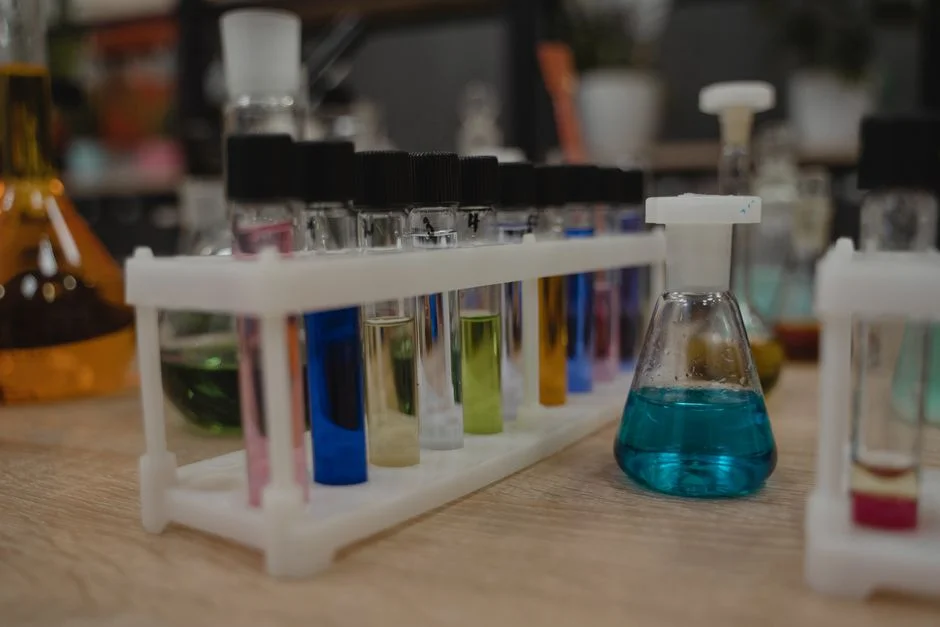
Conditioning is where this sludge class separates from municipal biosolids. Four routes are credible; pick on the basis of CST, target cake dryness, and whether the plant can fund a hydrochar train.
| Route | Reagent dose | Operating window | Cake DS achievable | CapEx vs. OpEx profile |
|---|---|---|---|---|
| Fenton oxidation | Fe²⁺ 50–200 mg/L + H₂O₂ at 0.3–1.0 × stoichiometric COD | pH 3–4 (re-neutralize) | 28–35% on filter press | Low CapEx / mid OpEx |
| Fe-citrate chelation | Citric acid 5–50 mg/g DS + Fe³⁺ 30–80 mg/L | pH 5.5–7 (no re-neutralization) | 25–32% | Low CapEx / lower OpEx than Fenton |
| Cationic CPAM only | 3–10 kg/t DS | pH 6–7.5 | 18–22% | Lowest CapEx / highest polymer OpEx |
| HTC + citric acid co-feed | Dm = 0.1–0.5 (CA/sludge dry weight) | 180–260 °C, saturated pressure, no pre-drying | Hydrochar product, 50%+ DS | High CapEx (autoclave) / negative OpEx if adsorbent sold |
Fenton is the workhorse. Fe²⁺ at 50–200 mg/L paired with H₂O₂ dosed at 0.3–1.0 times the stoichiometric COD demand attacks the EPS matrix, releases bound water, and reliably drops CST by 60–80% on this feed (Journal of Cleaner Production, 2018 — S2/S5). The penalty is the pH swing to 3–4 and the re-neutralization load downstream.
Fe-citrate chelation exploits the three carboxyl groups of citric acid to hold iron in solution at near-neutral pH, extending the Fenton window into the 5.5–7 band typical of post-DAF sludge. Doses of 5–50 mg citric acid per g DS with 30–80 mg/L Fe³⁺ achieve comparable CST reductions without the acid-bath step (HydropureWater field data, 2026).
CPAM alone works only when SVI is below 150 and CST below 30 s — rarely the case on this feed, so it is usually a polishing step on top of Fenton rather than a standalone route. Dosing is handled through an automatic chemical dosing skid tied to the press feed flow.
Hydrothermal carbonization (HTC) with citric acid as a co-feed is the resource-recovery path. Sewage/biological sludge plus citric acid at a dose ratio Dm of 0.1–0.5, run in a 100 mL autoclave at 180–260 °C under saturated pressure, then dried at 105 °C for 8 h, yields AHC0.1 through AHC0.5 hydrochar. H/C drops from 1.99 (control) to 1.92 at Dm 0.1 and 1.54 at Dm 0.5, signaling higher carbonization degree and more surface functionality (MDPI, 2022 — S4). The AHC0.1 product has been reported as a high-capacity Pb(II) adsorbent. The trade-off is capital: an autoclave train and 180 °C+ heat supply rule this out for plants under roughly 20–40 t/d sludge throughput.
Thickening: DAF Versus Gravity Thickener
DAF is the default for citric-acid plant sludge. A HydropureWater dissolved air flotation (DAF) thickener running at 4–25 m³/m²·h hydraulic loading takes feed at 0.5–1.0% solids up to a 3–5% solids float — the right consistency to feed a Fenton reactor and then a filter press. DAF also handles the fats, oils, and grease (FOG) carryover from fermenter off-gas scrubbing, which a gravity thickener will simply re-disperse. Cationic polyacrylamide at 2–5 mg/L, dosed via an automatic chemical dosing skid, is the standard float aid.
Gravity thickening with a picket-fence thickener is cheaper on CapEx and needs only 24–48 hours retention, but it overflows above SVI 200 mL/g and produces a supernatant that re-loads the activated-sludge basin with fines. Specify gravity only when a bench test on the live feed returns SVI consistently below 150 mL/g — uncommon on a fermentation plant but possible after a long campaign with low oxalate loading.
Mechanical Dewatering: Plate-and-Frame Filter Press vs. Screw Press
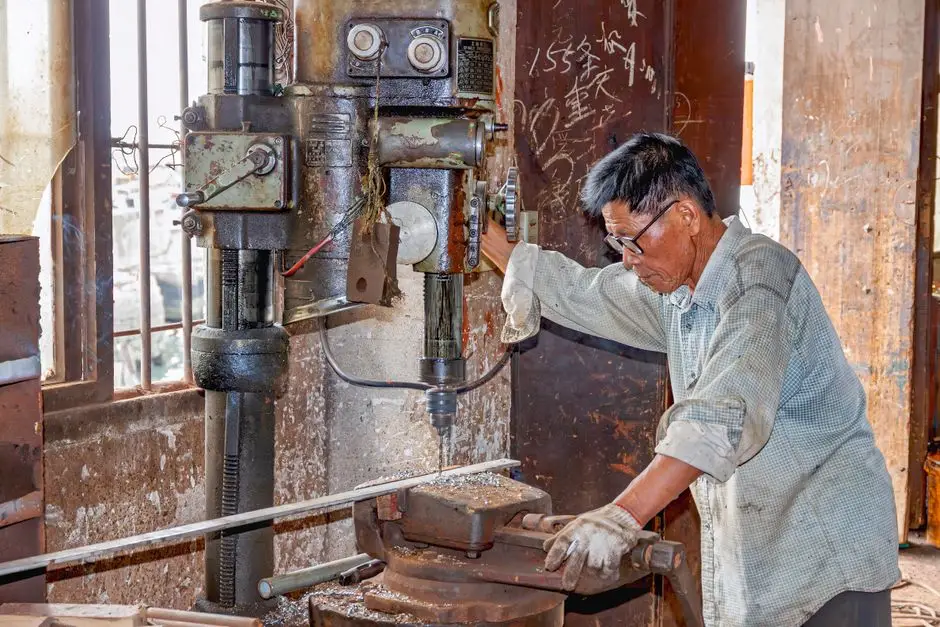
Once the sludge is conditioned, the press selection is driven by target cake dryness and the disposal route. Three machines are credible; the centrifuge is a legacy fallback only.
| Machine | Filtration area / capacity | Cake DS on Fenton-conditioned citric-acid sludge | Polymer demand | Best fit |
|---|---|---|---|---|
| Plate-and-frame filter press | 1–500 m², hydraulic or PLC | 28–35% | 2–4 kg/t DS | Landfill, land application, or Class A biosolids |
| Screw press | 0.5–10 m³/h volumetric | 18–25% | 3–6 kg/t DS | Incineration with no dryness premium |
| Volute press | 1–30 m³/h | 20–28% | 3–5 kg/t DS | Hydrochar residue; gentle floc structure |
| Decanter centrifuge | 1–50 m³/h | 22–28% | 8–15 kg/t DS | Only if unit already owned; high noise, high polymer |
The plate-and-frame filter press is the workhorse for citric-acid plants that need 28–35% DS cake to pass landfill or land-application moisture specs. Operating at 6–15 bar with 1.5–2.5 cm chamber thickness, it drops cake moisture low enough that the filtrate can be recycled to the head of the DAF without re-loading the biological stage.
The screw press is lower CapEx and lower polymer, but bottoms out at 18–25% DS on this feed. Specify it only when the cake goes to incineration and dryness above 25% DS is unnecessary. The volute press sits in the middle and is the right answer for hydrochar residue because its slow, low-shear operation preserves the carbon structure that downstream activation steps rely on.
Resource Recovery: Hydrochar Adsorbent Route
The HTC + citric-acid route turns a disposal line into a product line. The published workflow mixes 40 g of sewage/biological sludge (85% moisture) with citric acid monohydrate at dose ratios Dm of 0.005 to 0.5 in a 100 mL autoclave, ramps to 180–260 °C under saturated pressure, holds, then dries at 105 °C for 8 h and grinds through a 100-mesh screen (MDPI, 2022 — S4). The AHC0.1 product has the highest reported Pb(II) uptake in that study, with H/C of 1.92 versus 1.99 for the sludge-only control. AHC0.5 pushes H/C to 1.54 — a much more carbonized material suitable for higher-temperature applications.
Production cost is dominated by feedstock (which is negative, since the plant would otherwise pay to dispose of it) and by the 180–260 °C heat supply. The breakeven is typically 20–40 t/d sludge throughput — large plants only, but those are exactly the plants paying the largest disposal bills. For plants below that threshold, biological drying of the citric-acid dehydrated sludge under energy-saving ventilation (SSRN, 2023 — S1) is a complementary low-energy route that pairs with HTC as a pre-drying step.
2026 Compliance and Cake Disposal
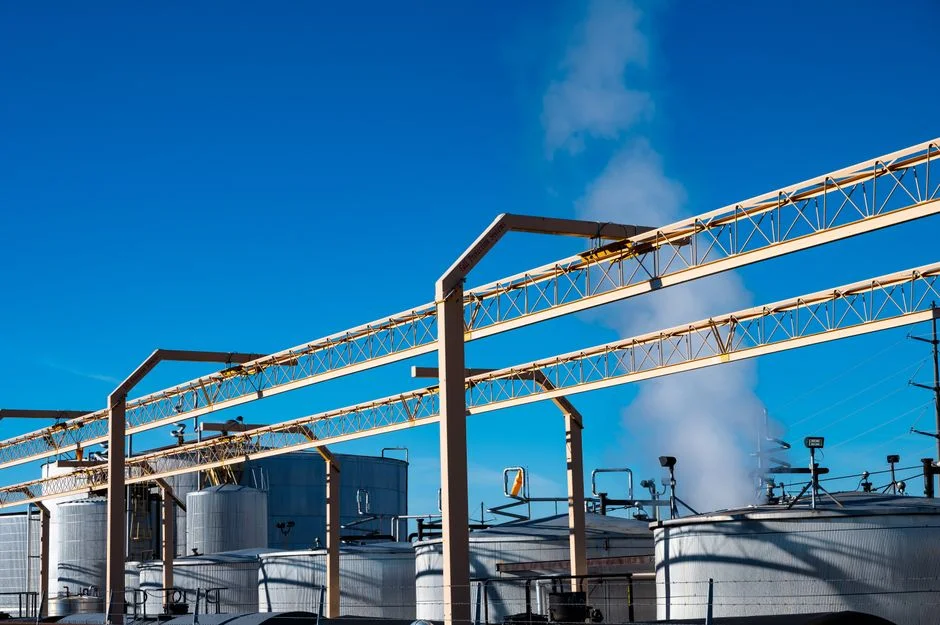
Cake disposal in 2026 is constrained by three regimes. All three look at the same metal set; the ceilings differ.
| Regime | Instrument | Key ceilings (dry sludge, mg/kg) | Applicability to Fenton + filter-pressed citric-acid cake |
|---|---|---|---|
| China | GB 4284-2018 (agricultural use) | Cd < 3, Hg < 3, Pb < 300, Cr < 500, As < 30, Ni < 100, Zn < 1200 | Typically passes — feed metals are low in food-grade citric-acid plants |
| European Union | Directive 86/278/EEC + national transpositions (e.g. Germany AbfKlärV) | Cd 20–40, Pb 750–1200, Hg 16–25, Cr (varies) | Passes; hydrochar must pass EN 12457 leaching for land application |
| United States | EPA 40 CFR Part 503 (biosolids) | Ceiling concentrations for 10 metals; PFAS limits in flux | Class A EQ achievable after Fenton conditioning + filter pressing |
Fenton conditioning plus a lamella clarifier polish step typically drops the leached-metal fraction of the cake below all three ceilings because the feed metals in a food-grade citric-acid plant are intrinsically low (HydropureWater field data, 2026). The 2026 trend to watch is PFAS: tightening limits are starting to bite municipal biosolids, but a fermentation plant that does not process PFAS-containing feedstocks will sit well below the action levels — make sure your feed-source audit documents that.
Frequently Asked Questions
What should the plant do with the citric acid itself in the wastewater?
Recover it as calcium citrate by lime precipitation at pH 8–9 before the biological stage, or route the high-COD stream to an anaerobic digester. Recovery as calcium citrate typically pulls 60–80% of the residual acid out of solution and offsets Fenton reagent cost.
How much Fenton reagent does citric acid wastewater sludge need?
Plan on Fe²⁺ at 50–200 mg/L plus H₂O₂ at 0.3–1.0 times the stoichiometric COD demand, with pH adjusted to 3–4 and re-neutralized after the 30–60 minute reaction. Bench-test on the live feed; the optimum dose drops CST by 60–80% on this sludge class (Journal of Cleaner Production, 2018 — S2/S5).
Is a screw press ever enough for citric acid plant sludge?
Only after Fenton conditioning, and only if a cake dryness below 25% DS is acceptable to the disposal route. Screw presses bottom out at 18–25% DS on this feed; for 28–35% DS cake you need a plate-and-frame filter press.
What cake dryness is realistically achievable on a plate-and-frame filter press?
28–35% DS on Fenton-conditioned citric-acid sludge at 6–15 bar pressing pressure, with 2–4 kg/t DS polymer demand and a filtrate clear enough to recycle to the head of the DAF unit.
What should the plant do with the filter press filtrate?
Return it to the head of the DAF or directly to the biological treatment stage. Filtrate from a properly conditioned and pressed citric-acid sludge carries less than 5% of the incoming COD load and 1–2% of the suspended solids, so recycle is standard practice rather than a disposal problem.
For a side-by-side look at dewatering machine selection, see our sludge dewatering machine comparison. For the physics behind DAF performance, the DAF clarifier operating principle article walks through the micro-bubble mechanics. Food-plant operators should also review our food-industry wastewater sludge treatment guide, which covers the adjacent fruit-processing case at the same depth.