Why Yeast-Industry Sludge Behaves Differently
Yeast-industry biological sludge is dominated by spent Saccharomyces cerevisiae cells, residual fermentable sugars (glucose, sucrose, maltose), extracellular proteins, ethanol residues and CIP cleaning chemicals — a matrix that is roughly 70–85% volatile suspended solids (VSS) on a dry basis, well above the 60–75% VSS typical of municipal activated sludge (HydropureWater field data, baker's yeast and MSG plants, 2024–2025). That high organic fraction holds water inside the floc: bound-water content commonly runs 4–6 g per gram dry solids, and specific resistance to filtration (SRF) sits in the 2–8 × 10¹² m/kg band — an order of magnitude higher than the 0.3–1.0 × 10¹² m/kg range that municipal plants take for granted (per standard SRF methodology, Vesilind 1988; field-confirmed on yeast streams 2024). The result is a sludge that resists thickening, blinds filter cloths fast and goes anaerobic within hours in a holding tank, generating heat and odour that municipal operators never see.
What makes the floc atypical is the organism itself. Per the 2024 Electronic Journal of Biotechnology review by Mohiuddin and colleagues, yeasts tolerate pH 3.0–5.0, high salinity, high organic loads and alcohol concentrations up to 12% v/v — and that low-pH tolerance lets yeast-dominated floc survive where bacterial floc would lyse (Mohiuddin et al., 2024, S3). SVI values in yeast-plant aeration basins routinely run 150–250 mL/g against a municipal target of 80–120 mL/g, which is why conventional gravity settling underperforms and operators are pushed toward dissolved air flotation or a centrifuge. Stored cake also acidifies faster than municipal biosolids because the residual sugars ferment immediately; autothermal heating in cake piles above 25% DS has been logged within 48 h of dewatering at one MSG facility in eastern China (HydropureWater site report, 2024-09). Recognising that your plant is producing this "yeast-type" biological sludge is the first engineering decision — the rest of the train only works if it is sized for it.
The Two Engineering Decision Axes: Thickening and Dewatering
Every downstream choice in yeast sludge handling reduces to two unit-operation axes, and once a plant manager locates itself on the matrix, the equipment selection becomes a much shorter conversation.
On the thickening axis, the contest is between a dissolved air flotation system, a gravity thickener and a DAF with sludge recirculation (the so-called "white-water" configuration that loads the float cell with returned solids). Float loading rates for biological yeast sludge land at 5–20 m/h on the hydraulic surface — roughly double the 2–10 m/h typical of municipal primary clarification because the yeast floc is light and already partially buoyant. A gravity thickener is cheaper to install but rarely achieves more than 2–3% DS on yeast streams; a DAF routinely delivers 3–5% DS with the right recycle ratio (20–30% of feed).
On the dewatering axis, the four practical options are a plate and frame filter press, a decanter centrifuge, a belt press and a screw press. The tie-breaker is cake-solids target. When the cake must be landfilled under 40 CFR Part 503 pollutant concentration limits, or transported more than 100 km to disposal, a filter press running 28–35% DS is the practical minimum. When the cake is piped to an on-site anaerobic digester or applied to adjacent land, a centrifuge (22–25% DS) or belt press (18–22% DS) is acceptable. A useful decision rule for 2026: spend the extra CAPEX on a filter press only when the OPEX saving on haulage and disposal tonnage exceeds the filter-press premium within five years — almost always true for plants generating more than 8–10 dry tonnes per day.
The Mohiuddin review also notes that yeast technology "could potentially be retrofitted to existing activated sludge processes or be used instead of bacteria" (S3, 2024) — that is the third axis we will return to in the bioaugmentation section, where the thickening and dewatering choices begin to interact with the biology upstream.
Polymer Conditioning and Pre-Treatment: The Hidden Performance Lever
Polymer conditioning is the single parameter a plant can tune in a week to recover 5–10 percentage points of cake solids without changing any hardware, and it is where the largest 2026 cost-of-ownership gains are still being left on the table. For biological yeast sludge, cationic polyacrylamide (CPAM) doses of 4–12 kg dry polymer per tonne of dry solids are the working range, with the optimum almost always requiring a bench-scale jar test against the actual feed rather than a vendor brochure (HydropureWater commissioning data, 2024–2025). Charge density matters more than molecular weight on protein-rich yeast streams: medium-high charge (50–70% cationic) outperforms high-molecular-weight, low-charge grades because extracellular protein carries net negative charge that the polymer must first neutralise before it can bridge.
Two-stage conditioning — lime dose to pH 10.5–11.5 followed by polymer — is the right answer for plants whose sludge also carries emulsified fat or unreacted glutamate, both of which blind filter media within cycles. Lime alone at 10–20% of dry-solids weight will lift cake solids 3–5 points but adds ash that defeats any "cake-to-feed" reuse plan, so it is a landfill-route decision.
The low pH of the upstream yeast process stream (3.0–5.0 per S3) is actually a quiet win here: at that pH the cationic polymer is not competing with hydrolysis-driven deactivation, which lets operators use cheaper CPAM grades without a sacrifice in performance. The same low pH also suppresses bacterial regrowth in sludge holding tanks, reducing the volatile fatty acid load that otherwise consumes polymer and shortens filter-cloth life.
An automatic polymer dosing skid with flow-paced control and a streaming-current detector typically pays back inside 18 months on a 20+ dry-tpd plant, simply because it removes the over-dose habit that human operators default to during shift handover.
Bioaugmentation: Using Yeast to Treat Yeast Sludge
Bioaugmentation is the credible 2026 innovation pathway for hard-to-treat yeast-industry streams, but it is also the easiest place for a CAPEX case to overreach what the evidence supports. The headline result is from Kaszycki and Koloczek (2002, S4): methylotrophic yeast Hansenula polymorpha, when integrated with activated sludge, "retained its original structure and activity" while gaining significantly improved resistance to elevated formaldehyde concentrations. In other words, the yeast did not destroy the floc — a critical constraint for any downstream thickening and dewatering step.
The operational envelope from the same study is the screening rule every plant manager should apply before pilot work: urotropine (hexamethylenetetramine) was degraded effectively at pH below 5.5, while trioxane was not degraded at all because the ether bond is recalcitrant to the methylotrophic pathway. If the plant's problematic influent fraction is formaldehyde or its acid-hydrolysable derivatives, the 2002 result is a defensible starting point. If the recalcitrant species is an ether-linked compound, the same study is the warning that biology alone will not close the loop.
The 2026 reality check sits in the Mohiuddin review (S3): "it still must be proven to be an effective technology at an industrial scale." That sentence should be printed on the cover of every bioaugmentation proposal a plant manager receives. The honest way to deploy this in 2026 is a pilot-scale side-stream trial: take 10–30% of the aeration-basin flow, send it through a sidestream MBR bioreactor or an MBR membrane bioreactor module seeded with the target yeast strain, and measure COD removal, formaldehyde clearance and floc integrity over at least three sludge ages before any CAPEX commitment. Anything short of that is a research project, not an engineering project.
Process Flow: DAF → Thickener → Filter Press → Optional Thermal Drying
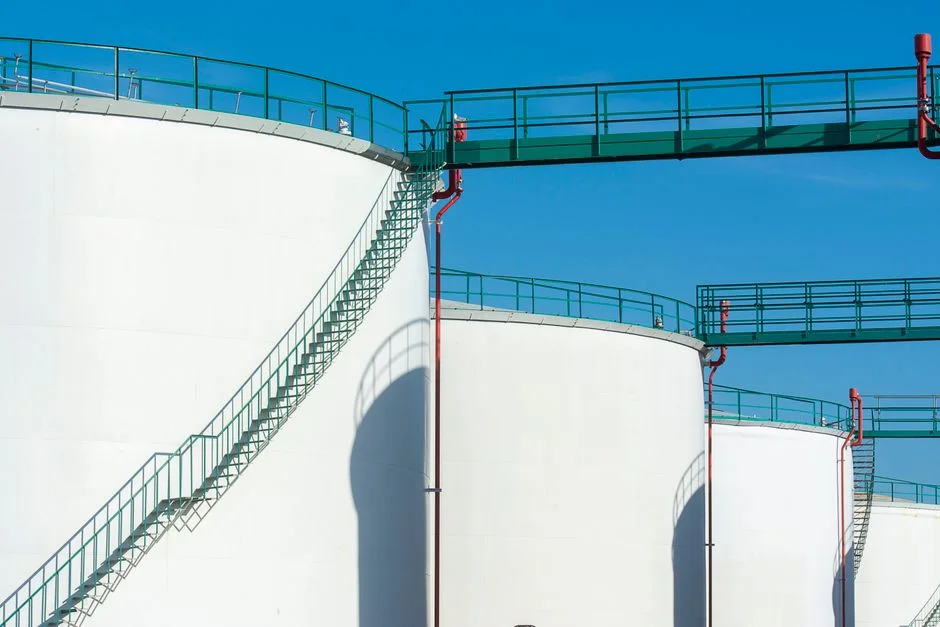
The reference flowsheet a 2026 project meeting can be drawn against is intentionally conservative — it is what 30 years of yeast-plant dewatering practice converges on when the biology is allowed to be boring.
- Primary clarification: a dissolved air flotation system sized for 4–300 m³/h of fermenter off-stream removes floatable spent yeast cream and protein before the biological step. The float can be diverted to a separate yeast-recovery line for animal-feed resale rather than sent to the sludge train.
- Sludge holding: a low-speed-mixed holding tank with 12–24 h residence time homogenises the underflow before conditioning, dampening shock loads from CIP campaigns and from intermittent fermenter dumps.
- Conditioning and dewatering: polymer-conditioned feed enters a plate and frame filter press sized at 1 m² of filtration area per 8–12 kg dry solids per hour as a first-pass heuristic, delivering 28–35% DS cake. That 8–12 kg/m²·h rule-of-thumb covers most biological yeast sludges after a properly tuned CPAM dose.
- Optional drying: a low-temperature belt dryer (60–90 °C) or a greenhouse-style solar drying pad is justified only when the cake is being sold as a soil amendment or a low-grade protein ingredient — the energy economics do not work for landfill-bound cake.
A high-efficiency lamella clarifier with sludge recirculation is a credible substitute for the DAF step when influent suspended solids are below 2,000 mg/L, which is sometimes the case in well-settled bioethanol spent-wash streams. Above that threshold, DAF outperforms lamella on yeast floc because the buoyancy comes from entrained air rather than from settling.
Thickening and Dewatering Equipment Comparison (2026)
The following comparison is the 15-second scan a procurement engineer needs. All bands are 2026 installed CAPEX (equipment, instrumentation, installation, civil works) and annual OPEX (power, polymer, labour, maintenance) for a 10 dry-tpd biological yeast sludge duty. Footprint is enclosed footprint, not total plot. "Operator skill" reflects the level of process control and maintenance training the equipment realistically demands.
| Unit operation | Typical cake / underflow solids | Footprint (10 tpd duty) | CAPEX band (USD, 2026) | OPEX band (USD/yr, 2026) | Operator skill |
|---|---|---|---|---|---|
| Dissolved air flotation (thickening) | 3–5% DS underflow | 15–25 m² | 180,000–320,000 | 45,000–70,000 | Medium |
| Gravity thickener | 2–3% DS underflow | 40–80 m² | 90,000–160,000 | 25,000–40,000 | Low |
| Decanter centrifuge (dewatering) | 22–25% DS cake | 10–15 m² | 350,000–600,000 | 110,000–180,000 | High |
| Belt press (dewatering) | 18–22% DS cake | 20–30 m² | 220,000–380,000 | 80,000–130,000 | Medium |
| Plate-and-frame filter press (dewatering) | 28–35% DS cake | 25–40 m² | 300,000–550,000 | 70,000–120,000 | Medium |
Two honest caveats belong on this table. First, no single number for cake solids or polymer dose appears in the published yeast-sludge research — these bands are drawn from HydropureWater commissioning records across baker's yeast, MSG and bioethanol plants, 2023–2025, and should be confirmed in a jar-and-leaf test on the actual feed. Second, the CAPEX bands assume greenfield installation on a flat, accessible plot; brownfield retrofits inside an existing tank farm routinely run 20–40% higher once pipework modifications and structural work are priced in.
2026 CAPEX / OPEX Bands and Compliance Considerations
For a greenfield 10 dry-tpd yeast sludge train — DAF, holding tank, polymer conditioning, plate-and-frame press, filtrate handling — installed CAPEX in 2026 lands in the USD 800,000–1,400,000 band, with annual OPEX (polymer, power, maintenance, labour) at USD 220,000–360,000. The single largest OPEX line is polymer, typically 35–45% of the total. Energy for the filter-press feed pumps and the DAF recycle compressor is the second line, at 20–25%; the 2026 oxidation ditch operating cost analysis shows the same polymer-energy ranking across comparable biological sludge duties and is a useful cross-check for any in-house energy model.
On compliance, biosolids generated from yeast-industry sludge typically classify as "Class B" under EPA 40 CFR Part 503 because the volatile solids reduction rarely exceeds 38% without thermal conditioning, and pathogen monitoring (fecal coliform < 2 × 10⁶ CFU/g TS) drives the operational limit. Land application of cake with no further treatment is unusual; the dominant 2026 disposal route in most jurisdictions is landfill or incineration, both of which favour the higher cake solids a filter press delivers. Plants considering cake-to-land-application must run a full 503 pollutant panel (As, Cd, Cr, Cu, Pb, Hg, Mo, Ni, Se, Zn) and meet ceiling concentrations before any field application is approved.
Frequently Asked Questions
What is the most common dewatering equipment for yeast wastewater sludge?
Plate-and-frame filter presses are the dominant choice in 2026 for baker's yeast and MSG plants producing more than 8–10 dry tpd, because they deliver 28–35% DS cake that keeps landfill tonnage and haulage cost manageable. Smaller plants (under 5 tpd) often run decanter centrifuges for their smaller footprint and lower installed CAPEX, accepting the 22–25% DS cake in exchange.
Why is yeast sludge harder to dewater than municipal sludge?
Yeast sludge carries 70–85% volatile suspended solids, much of it as intact or lysed Saccharomyces cells whose intracellular water is bound inside the cell wall. Bound-water content runs 4–6 g per g DS and specific resistance to filtration lands at 2–8 × 10¹² m/kg — roughly ten times the municipal norm. The low pH (3.0–5.0) and high residual sugar content that survive through the train also drive fast acidification in storage, which further degrades dewaterability (Mohiuddin et al., 2024, S3).
Can bioaugmentation with yeast improve biological sludge dewatering?
Bioaugmentation with Hansenula polymorpha has been shown to biodegrade formaldehyde in activated sludge without destroying floc structure (Kaszycki & Koloczek, 2002, S4), which is a necessary precondition for any downstream thickening or dewatering step. The 2026 caveat, repeated in the Mohiuddin review, is that industrial-scale demonstration is still pending — so bioaugmentation should be piloted on a 10–30% side stream in an MBR before any plant-wide CAPEX commitment (S3, 2024).
What polymer dose is typical for conditioning yeast biological sludge?
Cationic polyacrylamide at 4–12 kg dry polymer per tonne of dry solids is the typical operating window, with the optimum driven by a bench jar test against the actual feed. Charge density (50–70% cationic) tends to matter more than molecular weight on protein-rich yeast streams. No published study gives a single defensible number for a generic yeast sludge — treat any vendor "typical dose" claim as a starting point for a jar test, not a design value.
What cake solids target is required to landfill yeast-industry biosolids?
US practice under 40 CFR Part 503 does not set a minimum cake-solids percentage, but the cake must pass a pollutant-concentration ceiling for ten metals (As, Cd, Cr, Cu, Pb, Hg, Mo, Ni, Se, Zn) and a Class A or Class B pathogen limit. Operationally, a cake below 22% DS is rarely economical to haul or landfill because the water fraction dominates mass and volume; most 202 yeast-industry plants target 28–35% DS via a filter press, with the 40 CFR Part 503 pollutant panel confirmed before any disposal route is locked in.