
What Makes AstraZeneca's Pharma Wastewater Hard to Treat
Pharmaceutical wastewater consists of a rotating menu of fermentation broths, mother liquors, CIP rinses, and solvent washes, requiring each AstraZeneca site to design its ETP around its specific API portfolio. Fermentation-based API manufacturing routinely generates wastewater with chemical oxygen demand (COD) between 5,000 and 15,000 mg/L and biochemical oxygen demand (BOD) between 2,000 and 6,000 mg/L, strengths up to 10× higher than typical municipal or beverage streams (source: HydropureWater process engineering data, 2026). Residual solvent traces, active antibiotic residues, and highly recalcitrant organics pass directly through conventional activated sludge, driving whole-effluent toxicity (WET) endpoints, algal growth inhibition, and luminescent-bacteria toxicity at the outfall.
Generic wastewater models fail to capture these endpoints, and 2026 compliance standards are rigorous: the EU Industrial Emissions Directive (IED) recast imposes revised BAT-AELs with milestones running through 2027, rendering conventional secondary clarifiers insufficient for retaining macromolecular APIs (source: EU IED recast BAT-AEL, 2026). A compliant reference train must include equalization sized for 1.5 to 2.0× average diurnal flow, an anaerobic reactor with an HRT of 20 to 30 days, an aerobic polishing step with an HRT of 4 to 8 hours, and an MBR polish to retain the API fraction that secondary clarifiers leak (source: HydropureWater process engineering data, 2026). AstraZeneca's response is site-specific: high-silica precipitation in Texas, MBBR plus enzymatic polishing in Sweden, and a 60–80% COD-reduction envelope at the UK Avlon Works ETP.
Site 1 — Coppell, Texas: pH Precipitation and Filter Press for High-Silica Waste
The Coppell, Texas facility generates two process wastewater streams: one with high silica concentrations and one with lower silica concentrations. The low-silica stream was discharged to the municipal sewer, while the high-silica stream was hauled off-site to a landfill at significant cost, driving the need for an upgrade (source: AECOM project page).
Because no established treatment method existed for this unique wastewater, AECOM investigated chemical/physical options including pH adjustment and cation addition to facilitate precipitation; pH adjustment using acid was selected as the preferred approach. The team worked with solids-dewatering suppliers to evaluate alternatives, ultimately designing chemical treatment tanks and a new plate and frame filter press for the precipitated solids. Engineering delivery moved from laboratory and pilot-scale studies to conceptual and detailed design, utilizing P&IDs, equipment lists, permitting, and 3D modeling to overcome space constraints.
Measured outcomes at the upgraded facility include an approximately 80% reduction in landfill waste, ~90% reduction in waste treatment costs, and increased production capacity (source: AECOM project page). The Coppell case demonstrates a chemical-physical scheme solving a problem biological stages ignore: silica does not biodegrade and fouls membranes, so targeted acid precipitation followed by a plate and frame filter press for sludge dewatering delivers the necessary waste-minimization and cost-reduction KPIs.
Site 2 — Södertälje, Sweden: MBBR and an Enzymatic Micropollutant Pilot
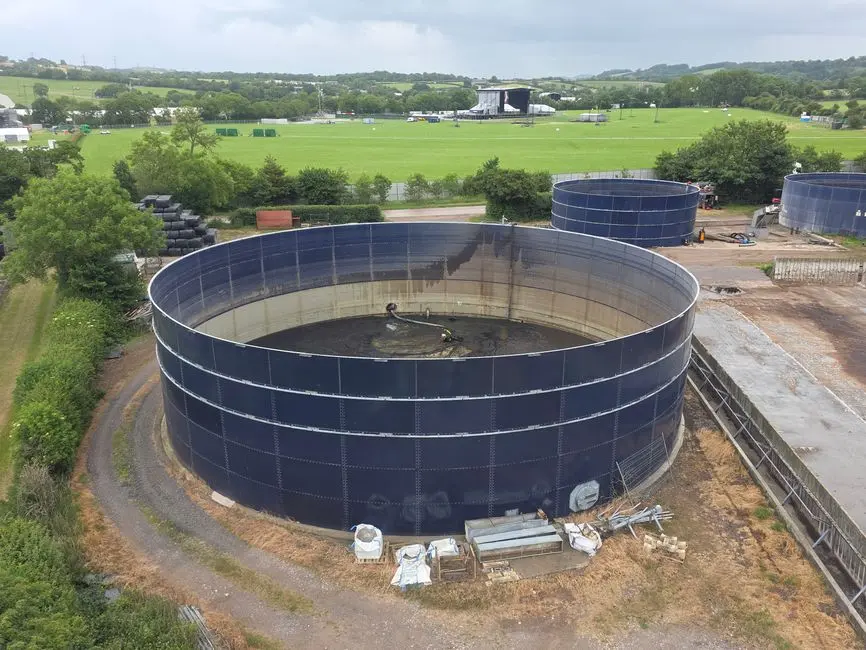
Sweden Operations in Södertälje is AstraZeneca's largest manufacturing site, where leadership committed to improving sustainable waste management for active pharmaceutical ingredients through the 2022 AcceliGOV pilot (Nina Andrén, quoted in Leading Cities / IIoT World, 2022). These site-specific efforts reflect the broader corporate strategy of integrating advanced biological and enzymatic treatment stages.
The biological core at Södertälje is a Veolia AnoxKaldnes MBBR, chosen for efficiency in treating and removing organic compounds from wastewater described as highly toxic with a high percentage of organic content prior to discharge to Lake Mälaren (source: Veolia case study). MBBR technology was selected after careful analysis of alternatives to ensure the plant met client needs.
In addition to the MBBR, AstraZeneca participated in a Pharem Biotech Zymatic enzymatic pilot through the 2022 AcceliGOV program; this technology treats organic micropollutants and is tailored to specific industry process requirements (source: Pharem / IIoT World, 2022). Vendor-cited work indicates innovative wastewater solutions can reduce concentrations of harmful pharmaceutical compounds by up to ~95% (source: IIoT World, 2022). Positioned in the train, the MBBR handles COD/BOD reduction, while the enzymatic step and an integrated MBR membrane bioreactor system for the API-residue layer represents the pattern recurring in modern pharma ETPs.
Site 3 — Avlon Works, UK: A 60–80% COD-Reduction ETP Bound by Regulation
The 70-hectare Avlon Works site proposed a £20 million Effluent Treatment Plant upgrade, but in January 2002, the project was suspended for over 12 months by a positive Environmental Impact Assessment screening direction under the UK EIA Regulations 1999 (source: UK Parliament Select Committee Record, 2002). The delay added a 12% cost penalty to the capital program and cost the company £250,000 in unbudgeted EIA preparation costs.
The root cause was a contested regulatory interpretation between the local planning authority and site operators. Under Regulation 48 of the Habitats Regulations 1994, the regulator insisted on evaluating the post-ETP discharge as an entirely "new" discharge, ignoring the historical baseline (source: UK Parliament Select Committee Record, 2002). The proposed ETP was engineered to deliver 60% to 80% COD reduction to the Severn Estuary, which is designated SSSI, Ramsar, and pSAC (source: HydropureWater, 2026).
Engineers must model whether regulators will treat a permit transfer or ETP modification as a new discharge, as this creates a 12-to-18-month delay risk on production expansion. The full mechanism is laid out in our analysis of wastewater requirements in cross-border plant acquisitions.
A 2026 Reference Treatment Train Synthesized from the Three Sites
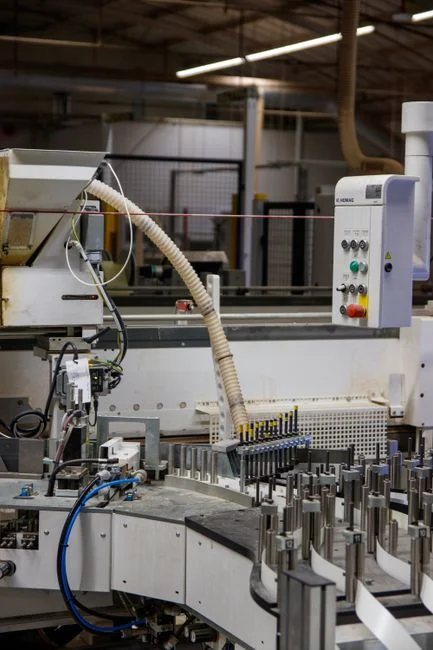
Combining the three sites into a single process train produces a defensible 2026 reference design. Each stage below is anchored to the source site that informed it.
| Stage | Design Parameter (2026) | Source Site Informing the Sizing |
|---|---|---|
| Equalization | 1.5–2.0× average diurnal flow; active mechanical mixing; automated pH control | All three (buffering CIP and fermentation batches) |
| Chemical precipitation / DAF | pH adjustment to 4.5–5.5 for silica; DAF micro-bubble pre-treatment system upstream when solvent or fat loads present | Coppell (silica); solvent/fat generic duty |
| Anaerobic (UASB or CSTR) | 6–10 kg COD/m³·day; HRT 20–30 days; active biogas capture; 0.35–0.45 m³ biogas per kg COD destroyed | Södertälje biology envelope; offsetting 15–25% of boiler fuel demand |
| Aerobic polishing (MBBR or CAS) | HRT 4–8 hours; DO 1.5–2.5 mg/L; F/M within design limits | Södertälje (AnoxKaldnes MBBR proven fit) |
| MBR polish | 0.1 μm PVDF membranes; integrated MBR membrane bioreactor system retains macromolecular APIs secondary clarifiers miss | Modern 2026 compliance differentiator across all three sites |
| Secondary clarification (alternative) | High-efficiency lamella clarifier; 30–50% footprint reduction vs. conventional clarifier | Brownfield retrofit when MBR cassettes exceed design life |
| Sludge dewatering | Plate and frame filter press rated for 60–80% dry solids cake | Coppell (AECOM design); Avlon (lagoon liability minimization) |
The 2026 differentiator is the MBR polish, as secondary clarifiers leak the macromolecular APIs and residual solvents that drive WET endpoints, while the 0.1 μm PVDF membrane provides the physical retention a conventional clarifier cannot.
What 2026 Compliance and CAPEX Numbers Change the Decision
For a 1,200 m³/day pharmaceutical plant, CAPEX items concentrate in MBR cassette replacement, filter-press upgrades, and anaerobic reactor retrofits (source: HydropureWater field performance data, 2026). MBR cassette replacement runs $420,000 to $1,800,000; a plate and frame filter press is $150,000 to $450,000 and can cut annual hazardous-disposal costs by up to 60%. Anaerobic upgrades sized for 6–10 kg COD/m³·day yield 0.35–0.45 m³ of biogas per kg of COD destroyed, offsetting 15–25% of the plant's boiler fuel demand.
The regulatory driver is the EU IED recast BAT-AEL compliance milestones running through 2027, so contracts must carry a regulatory-change cost-sharing clause to prevent stranded capital (source: EU IED recast BAT-AEL, 2026). Operating-cost deltas show an MBR + filter-press line adds roughly +$35,000/year in energy and chemicals while saving ~$120,000/year in disposal volume and ~$95,000/year in biogas thermal-energy offsets. Legacy risks, such as unlined sludge lagoons or missing manifests, require dedicated indemnity escrow independent of the ETP operating budget (source: HydropureWater, 2026). For dosing control on chemical-precipitation and DAF stages, a paired automatic chemical dosing system keeps reagent stoichiometry in band under variable influent loads.
Frequently Asked Questions
Which wastewater treatment technology is used at AstraZeneca's Södertälje plant?
AstraZeneca's Södertälje site uses a Veolia AnoxKaldnes MBBR as the biological core, selected for removing organic compounds from highly toxic, high-organic-content wastewater, with a Pharem Biotech Zymatic enzymatic pilot layered on for organic micropollutants (source: Veolia case study; IIoT World, 2022).
How did the Coppell plant solve its high-silica wastewater problem?
AECOM selected pH adjustment with acid to precipitate the silica, then dewatered the precipitate with a new plate and frame filter press, cutting landfill waste by ~80% and waste-treatment costs by ~90% while expanding production capacity (source: AECOM project page).
What performance was the Avlon Works ETP designed to deliver?
The proposed Avlon Works ETP was engineered to deliver 60% to 80% COD reduction to the Severn Estuary (SSSI, Ramsar, pSAC), though the project was suspended for over 12 months in 2002 by a positive EIA screening direction under the UK EIA Regulations 1999 (source: UK Parliament Select Committee Record, 2002).
What 2026 regulatory trigger should a pharma ETP buyer be benchmarking against?
The EU IED recast BAT-AEL compliance milestones run through 2027, and any 2026 SPA must include a regulatory-change cost-sharing clause to prevent the upgrade from being stranded by a tightening limit (source: EU IED recast BAT-AEL, 2026).
What influent COD and BOD should a pharmaceutical ETP be sized for?
Fermentation-based API manufacturing routinely produces wastewater with COD of 5,000 to 15,000 mg/L and BOD of 2,000 to 6,000 mg/L, roughly 10× stronger than typical municipal or beverage streams (