Why the Avlon Works Precedent Sets the Baseline for Every Pharma ETP Acquisition
In January 2002, AstraZeneca's proposed £20 million Effluent Treatment Plant (ETP) upgrade at its 70-hectare Avlon Works site was suspended for over 12 months following a positive Environmental Impact Assessment (EIA) screening direction issued under the UK EIA Regulations of 1999 (source: UK Parliament Select Committee Record, 2002). This delay added an immediate 12% cost penalty to the overall capital spending program and cost the company £250,000 in unbudgeted EIA preparation costs alone, representing 1% to 2% of the total expected project expenditure. The root cause was a contested regulatory interpretation between the local planning authority, advised by English Nature, and the site operators. Under Regulation 48 of the Habitats Regulations 1994, the regulator insisted on evaluating the post-ETP discharge as an entirely "new" discharge, ignoring the historical baseline of the existing plant.
This historical precedent serves as a critical warning for corporate development and environmental counsel evaluating pharmaceutical targets in 2026. The proposed ETP upgrade was designed to deliver a 60% to 80% chemical oxygen demand (COD) reduction to the Severn Estuary, which was designated as a protected European site (SSSI, Ramsar, and pSAC). Despite the clear environmental benefits of the upgrade, the regulatory friction and lack of clarity around the Town and Country Planning Regulations nearly stalled the transaction. When conducting due diligence on a target with legacy wastewater liabilities, a deal team must establish whether the regulatory authorities will treat permit transfers or necessary ETP modifications as new discharge applications. Failing to model this risk can delay production expansions by 12 to 18 months, mirroring the Avlon Works bottleneck. For a deeper look at managing localized regulatory frameworks, refer to our pharmaceutical wastewater treatment engineering guide.
The 7-Phase Pharma ETP Due Diligence Protocol
Phase I Environmental Site Assessments (ESAs) executed under the ASTM E1527-21 standard do not automatically include testing for per- and polyfluoroalkyl substances (PFAS) or hexavalent chromium unless specifically requested as non-scope considerations. To protect an acquirer from inheriting legacy soil and groundwater liabilities, the deal team must execute a structured, 7-phase confirmatory due diligence protocol that bridges the gap between basic environmental site assessments and specialized wastewater engineering audits. This protocol runs over a compressed 35 to 55-day window, feeding directly into the transaction's Quality of Earnings (QofE) review and the drafting of the Stock Purchase Agreement (SPA).
The protocol begins with a 5-to-7-day desktop regulatory review (Phase 1) to registry-check all discharge consents, National Pollutant Discharge Elimination System (NPDES) or Integrated Pollution Control (IPC) permits, and 5-year Notice of Violation (NOV) histories. This is followed by the ASTM E1527-21 Phase I ESA (Phase 2), which must be supplemented with dedicated sampling for PFAS and hexavalent chromium. Phase 3 consists of a physical ETP asset audit, scoring the plant's actual capacity against its design limits. Phase 4 and Phase 5 execute 7-day composite influent/effluent sampling and a comprehensive sludge inventory, characterizing legacy lagoons where hazardous sludge disposal costs can range from $80 to $450 per tonne (source: HydropureWater environmental field data, 2026). Phases 6 and 7 convert these findings into a successor-liability review and a 3-scenario CAPEX/OPEX model, requiring an ASC 410-20 asset retirement obligation study to quantify long-term balance-sheet exposure.
| Phase | Focus Area | Duration | Key Deliverable | Exit Gate / SPA Input |
|---|---|---|---|---|
| Phase 1 | Desktop Regulatory Review | 5–7 Days | Consent & NOV Register | Counsel sign-off on permit transferability |
| Phase 2 | ASTM E1527-21 Phase I & II ESA | 15–25 Days | Soil & Groundwater Lab Report | Identification of RECs & PFAS exposure |
| Phase 3 | ETP Physical Asset Audit | 3–5 Days | Unit-Operation Scorecard | Quantified mechanical/electrical deficiency list |
| Phase 4 | 7-Day Composite Sampling | 14 Days | Influent/Effluent Parameter Data | Verification of actual vs. permitted mass loading |
| Phase 5 | Sludge Inventory & Manifest Audit | 5–7 Days | Volume, Age & Hazard Class Report | Sizing of legacy sludge disposal liability |
| Phase 6 | Successor-Liability Review | 5–10 Days | CERCLA/RCRA Risk Assessment Memo | Determination of indemnity escrow requirements |
| Phase 7 | 3-Scenario Financial Model | 5 Days | ASC 410-20 Asset Retirement Study | Final purchase-price chip and escrow allocation |
API Effluent Characterization: Why Pharma Wastewater Breaks Generic ETP Models
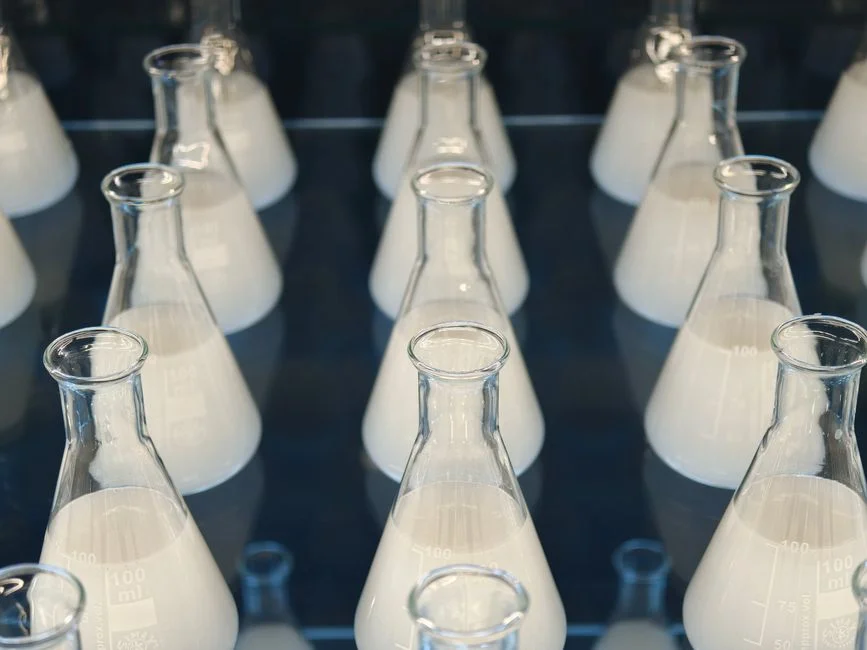
Fermentation-based active pharmaceutical ingredient (API) manufacturing routinely generates wastewater with chemical oxygen demand (COD) concentrations between 5,000 and 15,000 mg/L and biochemical oxygen demand (BOD) between 2,000 and 6,000 mg/L (source: HydropureWater process engineering data, 2026). These organic strengths are up to ten times higher than typical municipal or beverage wastewater streams. pharmaceutical effluent contains residual solvent traces, active antibiotic residues, and highly recalcitrant organic molecules that pass directly through conventional activated sludge systems without treatment, leading to immediate permit exceedances at the outfall.
Generic wastewater models fail to account for whole-effluent toxicity (WET) endpoints, algal growth inhibition, and luminescent bacteria toxicity. These parameters are critical for compliance with the EU Industrial Emissions Directive (IED) Best Available Techniques Associated Emission Levels (BAT-AEL) 2027 milestones. A major risk during a transaction is a post-close change in the target's production mix. For example, transitioning a facility from small-molecule blockbusters to biologics alters the COD to nitrogen and phosphorus ratios, rendering existing biological treatment systems ineffective. A compliant 2026 reference treatment train must include equalization tankage sized for 1.5 to 2.0 times the average diurnal flow to buffer clean-in-place (CIP) chemistry, an anaerobic reactor with a hydraulic retention time (HRT) of 20 to 30 days, and an aerobic polishing step with an HRT of 4 to 8 hours. Incorporating an integrated MBR membrane bioreactor system ensures physical retention of macromolecular APIs, providing a reliable barrier that conventional secondary clarifiers cannot match.
Unit-Operation Scorecard and Pass/Marginal/Fail Rating
Industrial wastewater treatment facilities operating with programmable logic controllers (PLCs) manufactured prior to 2010 are classified as functionally obsolete due to lack of vendor support and integration limits. When evaluating a target's ETP, the engineering team must score each unit operation based on physical condition, hydraulic headroom, and historical compliance. This scorecard converts technical vulnerabilities into a deal-control metric, identifying which assets require immediate replacement post-close.
A unit operation receives a Pass rating if it has operated without a permit exceedance for 24 months and maintains at least 20% hydraulic headroom against peak instantaneous flows. A Marginal rating is applied if there is less than 20% headroom or if an exceedance occurred between 12 and 24 months ago. Any Notice of Violation, bypass event, or chemical spill within the last 12 months triggers an automatic Fail. unlined sludge lagoons, missing hazardous waste manifests, or lagoons older than 10 years are designated as critical failures. These failures require a dedicated indemnity escrow allocation, independent of the standard ETP operational budget. To manage biological sludge output and mitigate lagoon liabilities, the integration of a high-performance plate and frame filter press for sludge dewatering is required to achieve 60% to 80% dry solids cake, minimizing off-site disposal volumes.
| Unit Operation | Pass Criteria | Marginal Criteria | Fail Criteria (Automatic) |
|---|---|---|---|
| Equalization (EQ) Tank | Sized for ≥1.5× diurnal flow; active mechanical mixing; automated pH control. | Sized for 1.0–1.5× diurnal flow; manual pH adjustment; minor concrete scaling. | Sized <1.0× diurnal flow; no active mixing; history of acidic/alkaline bypass. |
| Anaerobic Reactor (UASB/CSTR) | HRT 20–30 days; active biogas capture; stable volatile fatty acid (VFA) ratios. | HRT 15–20 days; intermittent biogas flaring; VFA/alkalinity ratio >0.3. | HRT <15 days; no biogas recovery; recurring biomass washout or souring. |
| Aerobic Polishing Basin | Dissolved oxygen (DO) maintained at 1.5–2.5 mg/L; F/M ratio within design limits. | DO fluctuations below 1.0 mg/L; filamentous bulking controlled by chemicals. | Persistent under-aeration; severe foaming; loss of nitrification capacity. |
| Secondary Separation (Clarifier/MBR) | MBR cassettes <7 years old; membrane trans-membrane pressure (TMP) stable. | Clarifier with minor sludge carryover; MBR cassettes 7–10 years old. | MBR cassettes >10 years old; structural concrete cracks; recurring solids bypass. |
| Sludge Handling & Dewatering | Lined storage tanks; active dewatering to ≥30% dry solids; full manifest trail. | Lined lagoons with <5 years remaining capacity; dewatering to 15–20% solids. | Unlined sludge lagoons; missing hazardous manifests; lagoon age >10 years. |
The Three Deal-Defining CAPEX Line Items for a Pharma ETP
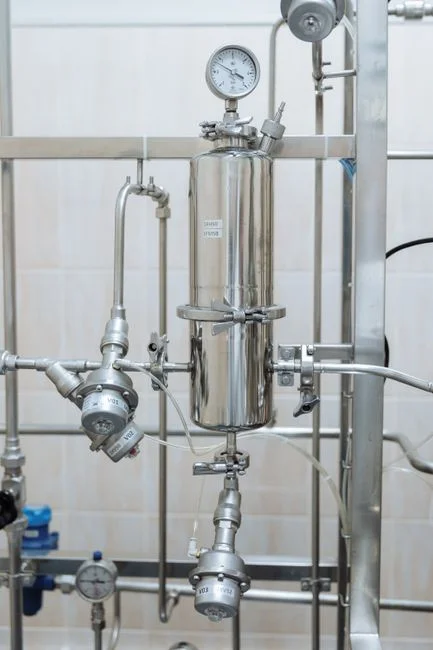
Upgrading an outdated secondary clarifier to a high-efficiency lamella clarifier typically yields a 30% to 50% reduction in physical footprint while maintaining equivalent solids separation performance. During a pharmaceutical acquisition, three primary CAPEX line items dominate the post-close environmental budget: membrane bioreactor (MBR) cassette replacement, sludge dewatering upgrades, and anaerobic reactor retrofits. The deal team must use defensible engineering estimates to negotiate purchase-price reductions or structure indemnity escrows rather than relying on the seller's representations.
For secondary separation, replacing worn clarifiers with a high-efficiency lamella clarifier for secondary clarification or swapping out MBR cassettes older than 7 years represents a capital expenditure of $420,000 to $1,800,000 for a 1,200 m³/day facility. Sludge dewatering upgrades utilizing a plate and frame filter press rated for 60% to 80% dry solids require an investment of $150,000 to $450,000, but can reduce annual hazardous disposal costs by up to 60%. Anaerobic reactor upgrades (UASB or CSTR) sized for 6 to 10 kg COD/m³·day can yield 0.35 to 0.45 m³ of biogas per kg of COD destroyed, offsetting 15% to 25% of the plant's boiler fuel demand (source: HydropureWater field performance data, 2026). When heavy solvent or fat loads are present in the raw influent, integrating a DAF micro-bubble pre-treatment system upstream of the biological stage is required to prevent biomass inhibition.
| Remediation / Upgrade Item | CAPEX Band (1,200 m³/day Plant) | OPEX Impact (Annual Delta) | SPA Risk Mitigation Tool |
|---|---|---|---|
| MBR Cassette Retrofit | $420,000 – $1,800,000 | +$35,000 (energy & cleaning chemicals) | 100% CAPEX price chip at closing |
| Sludge Dewatering & Lagoon Cleanup | $1,000,000 – $10,000,000+ | -$120,000 (reduced disposal volume) | Special indemnity escrow with 5-year survival |
| Anaerobic UASB Retrofit | $1,500,000 – $3,500,000 | -$95,000 (biogas thermal energy offset) | 50/50 cost-sharing covenant for regulatory change |
Converting Findings into Binding SPA Language
Standard environmental representations and warranties in mid-market chemical mergers typically carry a survival period of only 12 to 18 months, which is insufficient for detecting slow-migrating groundwater contaminants. For any target pharmaceutical plant with legacy wastewater liabilities, environmental counsel must carve these representations out of the general warranty cap. The survival period for ETP and groundwater liabilities must extend to at least 5 years, with a dedicated environmental indemnity cap set at 10% to 15% of the total enterprise value, held in a secure escrow account.
Consent and permit transfers represent a critical path item that can block closing. While US NPDES permit transfers are often administrative and occur automatically upon name change with pre-closing notice, UK and EU Consent-to-Operate transfers under the IPC or Environmental Permitting Regulations (EPR) require a 90-to-180-day pre-signing application window and a formal site inspection by the regulator. The SPA must include a covenant requiring the seller to cooperate with all transfer applications and maintain compliance through the transfer date. any transaction involving European targets must incorporate specific cost-sharing language addressing the EU IED recast BAT-AEL compliance milestones running through 2027. This ensures that the capital costs of upgrading treatment processes, such as integrating an ion exchange system retrofit and upgrade in 2026 for specific heavy metal or catalyst removal, are shared equitably. Escrow release milestones must be tied to the successful completion of a 12-month post-close water-stewardship commitment, with independent engineering verification modeled on the Nigerian Bottling Company's 2,500 m³/day facility upgrade protocol.
The 14-Day Pre-Close Work Plan and 12-Month Post-Close Retrofit

Completing a comprehensive wastewater-focused confirmatory due diligence program typically requires 35 to 55 elapsed days from initial desktop review to final SPA schedule finalization. Once the initial 35-to-40-day Phase I/II ESA and physical ETP audits are complete, the deal team must execute a highly structured, 14-day pre-close work plan to lock down the transaction's legal and financial protections before signing.
During Days 1 to 3 of the pre-close plan, final 7-day composite sampling results are received from the laboratory to verify that no active permit exceedances exist. On Day 4, the final Phase II ESA report is delivered, detailing any soil or groundwater contamination near the ETP outfall or sludge lagoons. Days 5 to 7 are dedicated to a joint walk-down of the ETP by the buyer's Quality of Earnings (QofE) team and engineering counsel, mapping physical assets directly to the Unit-Operation Scorecard to finalize the Pass/Marginal/Fail register. On Days 8 to 10, the formal consent-transfer application is filed with the environmental regulator, with receipt of acknowledgement established as a condition precedent to closing. Finally, during Days 11 to 14, the SPA schedules, indemnity exhibits, and escrow agreements are finalized and signed. Post-closing, the agreed remediation schedule is executed over a 12-month window, with milestone-based releases from the indemnity escrow verified by independent engineering audits to ensure the facility meets its 2026 water-stewardship commitments.
Frequently Asked Questions
What ETP due diligence is needed if AstraZeneca acquires a factory with legacy wastewater liabilities?
AstraZeneca factory ETP due diligence in 2026 requires a 7-phase protocol — desktop regulatory review, ASTM E1527-21 Phase I and Phase II ESA, ETP physical audit, 7-day composite influent/effluent sampling, sludge inventory, CERCLA/RCRA successor-liability review, and a 3-scenario CAPEX model. This identifies high-strength COD (5,000–15,000 mg/L), solvent traces, and ecotoxicity, mapping them to SPA language and indemnity escrow sizing.
How do the EU IED 2027 milestones affect legacy wastewater liabilities during pharmaceutical M&A?
The EU Industrial Emissions Directive (IED) recast imposes revised Best Available Techniques Associated Emission Levels (BAT-AELs) for waste-treatment and chemical sectors with compliance milestones running through 2027. Acquirers must audit target ETPs against these tighter limits to avoid immediate post-close non-compliance, requiring regulatory-change cost-sharing clauses in the SPA.
Why is PFAS excluded from standard ASTM E1527-21 Phase I ESAs for pharma acquisitions?
Under the ASTM E1527-21 standard, per- and polyfluoroalkyl substances (PFAS) are excluded from the federal definition of hazardous substances. Consequently, a standard Phase I ESA will not identify PFAS contamination as a recognized environmental condition (REC). Acquirers must explicitly request separate PFAS and hexavalent chromium testing to uncover legacy groundwater liabilities.