Why 2026 Is a Tipping Point for Aging IX Trains
Most industrial ion exchange (IX) trains installed in the 2010 era were sized for effluent limits that have since tightened by an order of magnitude on the most regulated ions. A 10–15 year old skid in metal finishing, chlor-alkali, semiconductor, or power service now commonly shows four symptoms together: operating capacity has slipped to 60–75% of nameplate, regenerant dose per cycle has climbed 20–40% to compensate, the target ion is breaking through earlier each run, and ΔP across one or more vessels is creeping up by 0.3–0.8 bar per quarter. The retrofit decision is no longer about whether to act — it is about which of the three available paths costs least over the next 10 years.
The 2026 driver stack makes the timeline urgent. U.S. NPDES limits for lead, cadmium, mercury, and arsenic continue to tighten at sub-ppb levels in many state permits; PFAS scrutiny has moved from voluntary to enforceable, and for short-chain PFAS and mixed ionic PFAS, ion exchange is often the pragmatic choice over GAC because strong-base anion resins can outperform activated carbon on shorter-chain species (per WaterAndWastewater design guidance, 2026). Water-reuse targets push plants to polish IX effluent down to RO feed quality (SDI <5, conductivity <1 µS/cm), and a 2010-era single-bed skid is rarely configured to deliver that. Resins lose cost-effectiveness above approximately 50 g CaCO3/L exchange capacity (CondorChem, 2026), which is why retrofits normally aim to reduce inlet load through pretreatment rather than to upsize vessels. The article that follows builds a defensible decision framework — covering pretreatment, resin chemistry, and vessel replacement — with 2026 cost anchors a procurement manager can put in front of finance.
Four Failure Modes That Drive an IX Retrofit Decision
Belt-style, no — let me restate: a 2010-era IX skid that no longer hits discharge targets almost always fails for one of four reasons, and each reason maps to a different upgrade path. Diagnosing the dominant mode before quoting hardware is the difference between a $40k resin rebed and a $300k misallocation.
1. Resin exhaustion. Track operating capacity in g CaCO3/L of resin per cycle against the ~50 g/L ceiling (CondorChem, 2026). When capacity falls below 25–30 g/L across two consecutive regenerations, the resin bed is mechanically spent and a rebed is the only fix. Read the breakthrough curve — a sharp, early front indicates channeling; a slow, late front indicates healthy kinetics with normal exhaustion.
2. Fouling by organics, oils, and biofilm. Synthetic polymeric resins are sensitive to fouling and the presence of organic matter, and pretreatment is essential for their proper application (CondorChem, 2026). Symptoms include ΔP climb of 0.2–0.5 bar per cycle, visible channeling on backwash, and premature breakthrough on the target ion. Industrial sites running biodegradable organics upstream of IX need to control them before the resin sees them, or biofilm will colonize the bed within 6–12 months (WaterAndWastewater, 2026).
3. Oxidative damage from Cl2, ozone, or peroxide residuals. Despite their high resistance to acidic and basic media, resins are easily damaged by the presence of oxidants such as Cl2 and by high temperatures (CondorChem, 2026). Intermittent oxidant exposure is one of the most common pilot failure modes — it does not show up in the first two cycles, but functional groups degrade over 8–15 cycles and capacity collapses. Confirm with a laboratory oxidation-reduction potential (ORP) reading at the IX inlet; anything above +250 mV sustained is a red flag.
4. Hydraulic and control aging. Undersized distributors, dead-legs, manual isolation valves, and lack of continuous monitoring are the silent OPEX drain. Sustained performance depends on accessibility, monitoring, maintenance strategy, and response time, not design intent alone (Integrated Sustainability, 2026). Pair routine laboratory PFAS/heavy-metal testing with continuous telemetry — ΔP, conductivity, flow — so capacity loss is detected before compliance samples arrive (WaterAndWastewater, 2026). For a structured rollout, see SCADA and alarm management for the upgraded IX train.
Retrofit vs Full Replacement: A 2026 Decision Matrix
The procurement defensible answer is a table, not a paragraph. Use the criteria below to score the existing skid; if more than three rows fall in the "replace" column, full skid replacement is usually cheaper over a 10-year horizon than a series of incremental retrofits.
| Decision Criterion | Retrofit (Resin + Pretreatment) | Full Vessel/Skid Replacement |
|---|---|---|
| Vessel age and integrity | <15 years, no visible corrosion, hydrotest passes | >15 years, liner failure, pitting at nozzles |
| Operating capacity remaining | >40% of nameplate g CaCO3/L | <30% across consecutive cycles |
| ΔP vs design | Within 0.5 bar of design at rated flow | >1.0 bar above design or rising |
| Target ion selectivity | Narrow (As, B, F, nitrate, Pb, Cd, Hg) | Broad polishing or capacity scale >50% |
| Influent variability | CV <30% on flow and load | CV >40% or batch operation |
| Available footprint | Existing pad and piping reusable | New pad required or building extension |
| 2026 CAPEX band | US$200–500 per ft³ for resin rebed; pretreatment add-on 20–35% of new-build IX cost | US$80k–400k for 5–50 m³/h industrial IX packages |
| 2026 OPEX impact | Regenerant +10–20%, labor neutral | Regenerant –10–20%, labor –30–50% |
Rule of thumb: if vessel integrity is sound and the target ion is selective — arsenic, boron, fluoride, nitrate, or a single heavy metal — prefer a resin swap plus pretreatment retrofit, which typically lands at 30–60% of full-replacement CAPEX. Recommend full replacement when vessels are corroded, hydraulic distribution is compromised, or production capacity must scale by more than 50%. Validate any committed capital under representative operating conditions through bench-scale piloting before signing the purchase order (Integrated Sustainability, 2026). For adjacent AOP-coupled scopes, the AOP retrofit paired with IX upgrade article lays out the same decision matrix from the oxidation side.
Upgrade Pathway 1 — Pretreatment Add-On Ahead of the IX Train
The single highest-leverage retrofit move on most aging IX skids is upstream pretreatment. The rule is unambiguous: pick pretreatment based on what fouls your resin, not on what is cheapest to install (WaterAndWastewater, 2026). Cheaper pretreatment almost always fails within 12–18 months because it does not match the actual foulant profile.
Specify a multi-media filter ahead of the IX train to drop TSS, turbidity, and Fe/Mn to levels that protect resin — target SDI <5 at the IX inlet, turbidity consistently below 1 NTU. Pair the multimedia stage with activated carbon to strip free chlorine, residual oxidants, and biodegradable organics; this directly addresses the oxidative-damage failure mode flagged by CondorChem (2026) and WaterAndWastewater (2026). For sites with high TOC or color-driven fouling, an AOP stage (e.g., TADOX-style photocatalysis) can cut CAPEX/OPEX by 30–40% when retrofitted upstream of IX (Ion Exchange Global, 2026) — treat it as an option for high-organic or PFAS polishing rather than a default.
Where pH adjustment or reducing-agent injection is required to protect resin from residual oxidant, specify a PLC-controlled chemical dosing system for regenerant and reducing-agent injection. A sodium bisulfite (NaHSO3) feed controlled by an ORP loop at the IX inlet is the most common 2026 fix for residual chlorine carryover from a pre-existing disinfection step. For high-Fe/high-Mn raw water, consider a lamella clarifier as primary clarifier upstream of IX before the multimedia stage — it removes the bulk settleable solids in 10% of the footprint of a conventional clarifier. Energy and OPEX benchmarks for AOP-coupled IX upgrades are documented in the AOP energy and OPEX benchmarks for IX-coupled retrofits guide.
Upgrade Pathway 2 — Resin Chemistry Swap in Existing Vessels
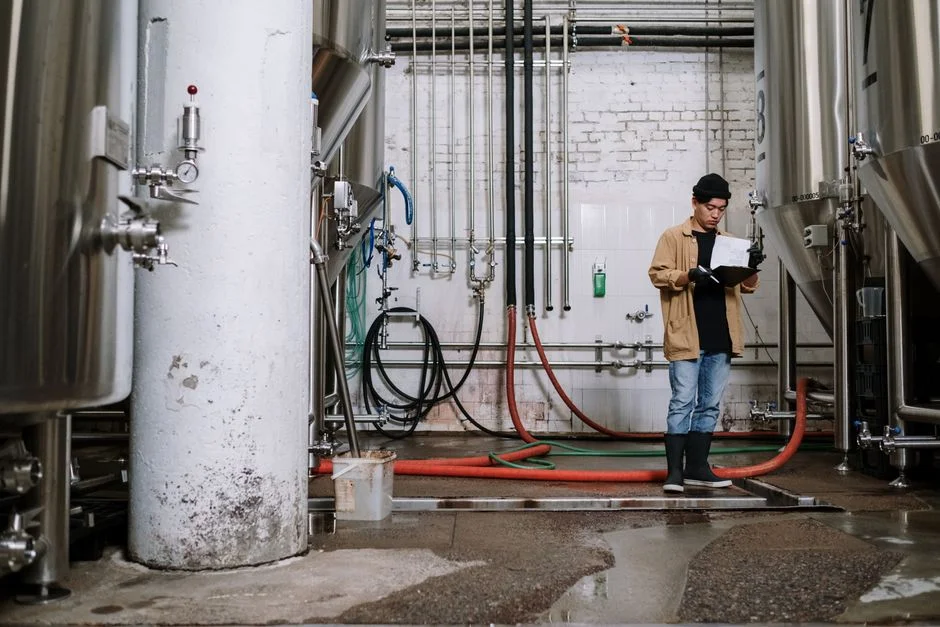
When vessel integrity is sound and the target ion set has narrowed or shifted, a resin chemistry swap is typically the lowest-CAPEX path. Map the contaminant to the resin class before specifying the bead.
| Contaminant Class | Resin Class | Typical Regenerant | Use Case Anchor |
|---|---|---|---|
| Hardness (Ca, Mg) | Strong-acid cation (SAC), Na-form | NaCl (8–12% w/w) | Industrial softening, RO pretreatment |
| Total dissolved salts | H-form SAC + OH-form SBA (two-bed demo) | HCl + NaOH | Demineralization for boiler feed, semiconductor |
| Nitrate | Strong-base anion (SBA), Cl-form | NaCl | Drinking water, food and beverage |
| PFAS (short-chain and mixed) | SBA, selective PFAS-tuned | NaCl + methanol or specialized eluent | Municipal and remediation, semiconductor |
| Heavy metals (Pb, Cd, Hg, As) | Chelating resins (selective functional groups) | Specialized acid or eluent | Metal finishing, mining, FGD wastewater |
| Boron, fluoride | Selective weak-base or specialty resin | Acid + base cycle | Power plant cooling water, semiconductor |
Specify resin parameters with the same rigor you would use for pump selection: bead-size uniformity coefficient (target <1.6 for industrial beds), total capacity in eq/L, operating temperature ceiling (most SBA resins cap at 60–80°C), and oxidant tolerance (most chelating resins are rated to <0.1 mg/L free chlorine sustained). For PFAS retrofits, strong-base anion exchange outperforms GAC for many short-chain species, but the trade-off is matrix sensitivity and a regenerant handling obligation (WaterAndWastewater, 2026).
Regenerant volume and concentration drive OPEX as much as resin cost. A 2-bed demineralizer running 5% NaOH at 120% stoichiometric excess will consume 30–60% more NaOH per cycle than one optimized at 3.5–4% with a counter-current regeneration step. Chelating resins are an especially good fit when the target ion set has narrowed — they offer selective superiority for specific heavy metals, which is exactly the retrofit case where a general-purpose SAC is no longer pulling its weight (CondorChem, 2026). For applications with high oil and grease loading — common in petroleum bulk storage terminals — pair the resin swap with primary clarification as detailed in the DAF vs clarifier selection guide for petroleum bulk wastewater.
Upgrade Pathway 3 — Vessel and Control System Replacement
Retrofit stops being a resin-and-pipe job when the vessel itself is the problem. Triggers for full vessel replacement include visible external corrosion, liner failure (rubber or PP liner blisters, FRP delamination), undersized or missing distributors observed in a tracer study, and hydraulic short-circuiting that no amount of redistributor modification can correct. In 2026, a replacement skid is expected to ship with PLC-controlled multi-train operation, automated regeneration sequencing with conductivity- and flow-endpoint triggers, and redundant instrumentation for the regulated ion (dual pH/conductivity probes, dual flow meters on service and regenerant lines).
Integrate the new skid with the plant's SCADA using ISA-18.2 alarm management and ISO 55001 asset-care principles so performance is observable rather than assumed — the wiring and tag list are the cheapest part of the new skid and the most expensive to retrofit later. The OPEX tail of a 2026 PLC-controlled skid is meaningful: modern multi-train controllers typically cut regenerant consumption 10–20% versus pneumatic sequencers from the 2010 era, and labor hours by 30–50% because the operator no longer walks the skid to step valves manually (HydropureWater field data, 2026). For the alarm-rationalization and tier-1/tier-2/ tier-3 hierarchy, the SCADA and alarm management for the upgraded IX train guide is the practical reference.
Spent Resin and Regenerant: Plan This Before You Buy
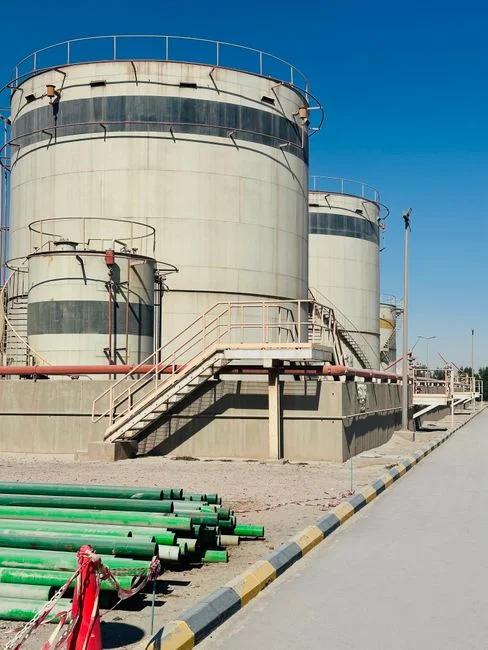
Spent-resin and regenerant handling is the single most underestimated line item in an IX retrofit, and it is the line item that determines whether IX is a manageable recurring cost or an open-ended liability (WaterAndWastewater, 2026). Lock in the disposal pathway before the purchase order is signed, not after the first regeneration produces a full IBC of spent brine.
For chelating resins loaded with heavy metals — Pb, Cd, Hg, As — classify the spent resin as hazardous waste in most U.S. and EU jurisdictions and contract disposal upfront with a permitted TSDF (treatment, storage, and disposal facility). For PFAS-loaded resin, document the destruction or landfill pathway and assign vendor responsibility for transport and waste manifest before signing the resin supply contract. For high-salinity regenerant brines, a vacuum evaporator stage is often economic: it concentrates small volumes of high-TDS spent regenerant into a manageable sludge for disposal, with a clean water distillate that can be reused (CondorChem, 2026). The evaporator capex is non-trivial, but on flows below 20 m³/d of spent brine the OPEX math typically beats off-site disposal within 24–36 months.
Frequently Asked Questions
When should an industrial ion exchange system be retrofitted instead of replaced?
Retrofit — meaning a resin rebed plus targeted pretreatment — is the right call when the existing vessels are under 15 years old, hydrotest passes, operating capacity is above 40% of nameplate, and the target ion is selective (arsenic, boron, fluoride, nitrate, or a single heavy metal). In those conditions, a retrofit typically lands at 30–60% of full-replacement CAPEX while restoring compliance.
What pretreatment is required ahead of an IX train in 2026?
At minimum, a multimedia filter to drop SDI below 5 and turbidity below 1 NTU, followed by activated carbon to strip free chlorine, oxidants, and biodegradable organics. For high-organic or PFAS polishing, an AOP stage upstream of IX can cut downstream fouling and extend run lengths (per CondorChem, 2026 and WaterAndWastewater, 2026).
How long does IX resin last before rebedding?
Typical service life is 3–7 years depending on influent load, regenerant practice, and oxidant exposure. Chelating resins loaded with heavy metals often run shorter (2–4 years) because the elution cycle is harsher and mechanical attrition is higher. Operating capacity measured in g CaCO3/L per cycle, tracked against the ~50 g/L ceiling, is the leading indicator.
Can PFAS be removed with an existing IX retrofit?
Yes. Strong-base anion resin in existing vessels, paired with proper pretreatment and a documented spent-resin disposal pathway, is often the practical choice over GAC for short-chain and mixed ionic PFAS (per WaterAndWastewater, 2026). The trade-off is matrix sensitivity and a strict regenerant-and-resin-handling obligation.
What is the 2026 CAPEX range for an industrial IX retrofit?
Resin rebed runs US$200–500 per cubic foot of vessel volume depending on resin class (chelating and PFAS-selective resins sit at the top of the range). A full pretreatment-plus-resin retrofit typically lands at 30–60% of the US$80k–400k range for a comparable 5–50 m³/h new-build IX package.
Related Equipment
- twin-tank softener systems 1-45 T/h — Plant upgrades can swap aging single-vessel exchangers for alternating twin-tank service.