Chicago Fabricated Metals Wastewater: What's Actually in the Stream
For Chicago NAICS 332/333 plants in the Calumet corridor, the influent to pretreatment is rarely a single waste stream — it is a blend of processes that each contribute a different contaminant fraction, and the technology has to address all of them in one pass or the plant pays twice. Tramp oil leaking from stamping presses typically runs 50-500 mg/L free oil, spiking higher during press maintenance, while emulsified cutting fluids from machining cells add another 50-300 mg/L of water-soluble and emulsified oil fractions (HydropureWater field data, 2026). Drawing compounds and lubricants from forming cells add to the oil load, and phosphate-bearing cleaners, chromate conversion chemistry, and zinc, nickel, or iron rinses from coating lines drive dissolved metals into the 5-50 mg/L per cation range (HydropureWater field data, 2026).
The combined stream commonly runs 200-5,000 mg/L TSS, 100-1,500 mg/L total oil and grease across the free and emulsified fractions, and pH 5-11 depending on whether acid pickling and alkaline cleaning effluents are batched or segregated. Calumet corridor shops that batch acid pickling and alkaline cleaning see the largest pH swings, which destabilize emulsions and make downstream oil separation chemistry harder to hold steady. Because floatable oils, emulsified oils, and settleable metal fines coexist in the same influent, no single-mechanism technology handles the stream cleanly. That is the technical reason a DAF, not a clarifier, becomes the default primary separator in 2026 for this region.
What MWRDGC Calumet and 40 CFR Part 432/433 Require in 2026
Chicago fabricated metals shops discharge to the Metropolitan Water Reclamation District of Greater Chicago (MWRDGC) Calumet Water Reclamation Plant, which enforces local sewer-use limits on top of federal categorical standards. Most NAICS 332/333 shops in the Calumet service area fall under 40 CFR Part 432 (Metal Finishing) or 40 CFR Part 433 (Metal Products) as Categorical Industrial Users, with daily maximum and monthly average limits on oil and grease, TSS, and metals (Zn, Ni, Cr, Pb, Cd, Cu) measured at the pretreatment effluent monitoring point. The federal Metal Finishing category caps oil and grease at 52 mg/L daily maximum and 26 mg/L monthly average, and TSS at 60 mg/L daily maximum and 31 mg/L monthly average (per 40 CFR Part 432). MWRDGC's local sewer limit for oil and grease is 250 mg/L, but the local surcharge trigger sits near 100 mg/L — well above the federal daily max — meaning a clarifier that "clears" the sewer limit can still incur surcharges month after month (per MWRDGC Calumet local limits, 2025).
MWRDGC local limits can also be tighter at the CIU monitoring point than at the public sewer, depending on SIU status, and CIU self-monitoring under MWRDGC's SMR (Self-Monitoring Report) reporting cadence applies to most NAICS 332/333 shops in the service area. A clarifier alone on emulsified tramp oil typically produces 40-100+ mg/L oil and grease in the effluent, which fails 40 CFR Part 432 on monthly average and triggers MWRDGC surcharges on every bill (HydropureWater field data, 2026). pH 6.0-9.0 is the typical categorical range, adjusted upstream of any clarifier or DAF so chemistry holds inside the operating window. For CAPEX justification, this is the regulatory peg: the equipment has to hit 26 mg/L monthly average on oil and grease to stay clear of federal exceedance notices and below 100 mg/L to avoid local surcharges.
| Parameter | 40 CFR Part 432 Daily Max / Monthly Avg | MWRDGC Calumet Local Limit (typical) | Clarifier Effluent on Emulsified Oil |
|---|---|---|---|
| Oil and Grease | 52 / 26 mg/L | 250 mg/L sewer; surcharge trigger ~100 mg/L | 40-100+ mg/L (fails monthly avg) |
| TSS | 60 / 31 mg/L | Tighter at CIU monitoring point | 40-60% removal; often above limit |
| Dissolved Metals (Zn, Ni, Cr, Pb, Cd, Cu) | <1 mg/L with precipitation | Often stricter at CIU point | Dissolved fraction passes through |
| pH | 6.0-9.0 (categorical range) | 5.0-10.0 typical sewer range | Adjusted upstream of clarifier |
How a DAF Separates Oil and Solids in One Pass
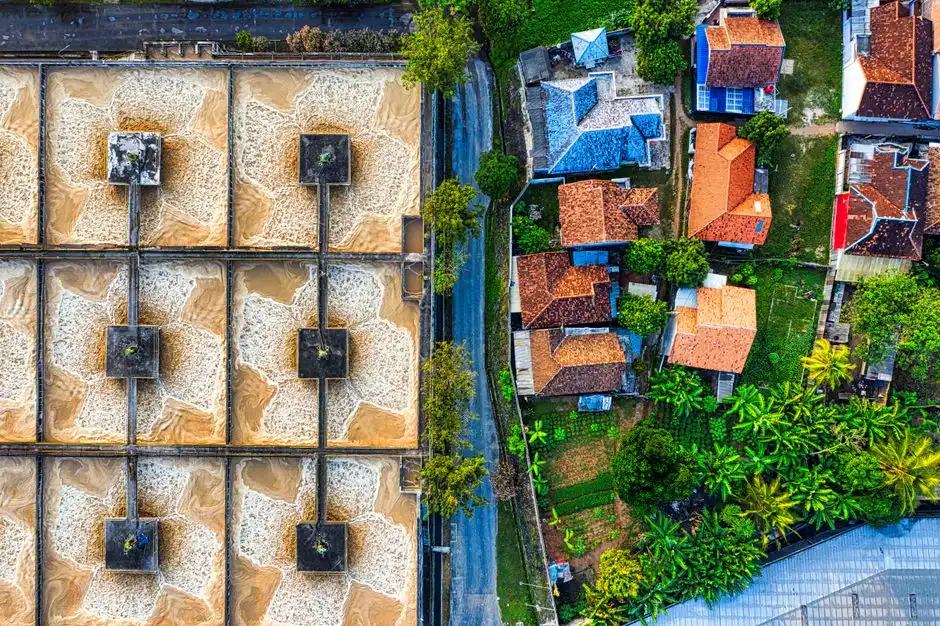
A DAF clarifies wastewater by attaching 30-50 micron micro-bubbles of dissolved air to flocculated particles and oil droplets, lifting them to the surface as a float blanket that a skimmer scrapes into a collection trough (per Clearwater Industries' dissolved air flotation design reference, 2026). A recirculation pump takes clarified effluent, pressurizes it in a saturation vessel with injected air, then depressurizes the stream at the DAF inlet; the pressure drop nucleates the micro-bubbles that do the lifting work. For fabricated metals pretreatment, the process train is consistent: pH adjustment and coagulant dosing — typically ferric chloride or alum at 50-200 mg/L — followed by flash mixing in flocculation tubes at 15-45 seconds contact time, then polymer flocculant addition in a staged mix tank or serpentine tube before the water enters the flotation cell (HydropureWater field data, 2026).
A properly conditioned metalworking stream produces a thick, well-formed float — operators call it the "white blanket" — that skims off at 2-4% total solids, dry enough to feed a DAF system integrated with downstream dewatering. Most DAF designs also include a sediment compartment and bottom-sludge extraction, which is why a DAF handles both the floatable oil fraction and the settleable metal hydroxide fraction in one tank. Tramp oils, emulsified oils, and light metal floc all float; heavier metal fines settle; one unit handles both without a secondary clarifier downstream.
Where a Clarifier Works, and Where It Breaks Down
A gravity clarifier — including the lamella plate variety — relies on Stokes' law settling: particles with specific gravity above 1.0 drop out of suspension given enough residence time and surface area. Inclined-plate (lamella) designs pack more settling area into a smaller footprint by using 55-60° inclined plates, with typical surface loading rates of 20-40 m/h and effective settling distances shortened by the plate spacing (per lamella clarifier design data). Sludge collects on the plates, slides down to a hopper, and is pumped out as bottom sludge at 1-2% solids — dilute, which raises haul-off cost versus DAF float sludge at 2-4%.
The clarifier's weakness on metalworking streams is physical, not design-related. Emulsified oils have specific gravity near 1.0 and droplets too small to settle at practical residence times; free oils are actually less dense than water and tend to coalesce at the surface, where a basic clarifier skimmer often pulls them off poorly (HydropureWater field data, 2026). The result is consistent oil carry-over that either fouls downstream filters, pushes TSS past the 40 CFR Part 432 limit at the monitoring point, or triggers MWRDGC surcharges. A lamella clarifier works well as a polishing step after a DAF, where its job is to catch any floc that slips through, but it is a poor stand-alone primary for an oil-bearing stream. Bottom sludge 1-2% solids also raises third-party haul-off cost versus DAF float sludge at 2-4% — a quiet but compounding OPEX penalty over a multi-year capital horizon.
DAF vs Clarifier: Head-to-Head on Chicago Metalworking Streams
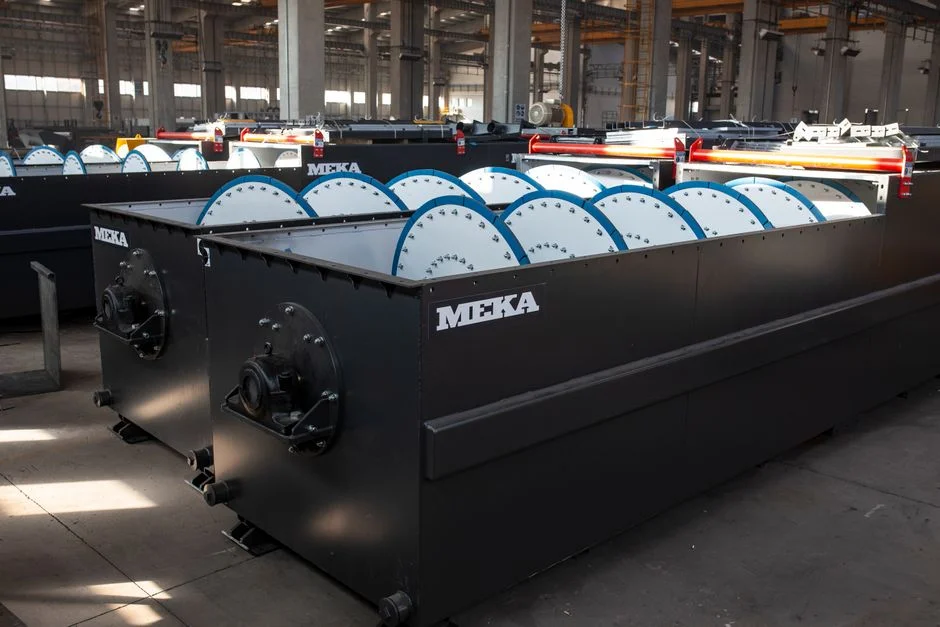
For fabricated metals pretreatment, the head-to-head numbers tell a clear story. DAF units from major manufacturers consistently deliver 85-98% TSS removal — the DAF Corp FC Maximizer round tank claims 92-98% removal at 10-11,000 GPM, while their rectangular RC UniMax delivers 85-90% at 10-1,000 GPM (DAF Corporation, 2025). Standard gravity clarifiers on metal hydroxide streams land at 40-60% TSS removal and significantly worse on oil and grease. A 100-200 GPM shop at 200+ mg/L oil and grease will see the DAF pay back the capital premium inside 18-36 months on surcharge avoidance alone, before counting haul-off and downstream media savings (HydropureWater field data, 2026). For a comparable compliance regime in a different region, the Birmingham fabricated metals DAF vs clarifier guide walks through a similar stamping and finishing cluster.
| Decision Parameter | DAF (Packaged Skid) | Gravity / Lamella Clarifier |
|---|---|---|
| TSS Removal | 85-98% (FC Maximizer 92-98%, RC UniMax 85-90%) | 40-60% on metal hydroxide streams |
| Oil & Grease Removal | Routinely <20 mg/L with proper chemistry | 40-100+ mg/L on emulsified oil; fails 40 CFR Part 432 monthly avg |
| Flow Range | 10-11,000 GPM (DAF Corp); 18-1,320 GPM (HydropureWater) | 10-500 GPM per unit; multi-unit for higher flows |
| Footprint (50-500 GPM) | 6-15 ft round tank, 80-120 ft² | Comparable plan area, taller profile, separate skimmer often required |
| Sludge Dryness | 2-4% float solids (feeds filter press directly) | 1-2% bottom sludge (dilute, high haul-off cost) |
| CAPEX | Higher (aeration skid, saturation tank, recirc pump) | Lower (no air system, fewer instruments) |
| OPEX (Surcharges + Haul-off) | Lower once oil surcharges and haul-off are priced in | Higher when oil carry-over triggers MWRDGC surcharges |
| Best Fit on Chicago Streams | High oil + high TSS metalworking streams | Low oil, mostly settleable hydroxide streams; DAF polishing step |
Packaged Skid Sizing for the 10-500 GPM Calumet Corridor
Most Calumet corridor shops sit in the 10-500 GPM range, and packaged skid-mounted DAFs cover that envelope without custom build. A 10-100 GPM job shop typically lands on a 6-10 ft diameter packaged unit with an integrated chemical conditioning skid and a small sludge pump; the DAF Corp FC Maximizer round skid is available from 48 GPM (6 ft diameter) up to 450 GPM (15 ft diameter), and the HydropureWater DAF line covers 18-1,320 GPM across 13 standard models (HydropureWater, 2026). The 100-200 GPM slot maps to a 10-12 ft diameter packaged skid with ferric chloride and polymer dosing matched to 200+ mg/L oil and grease, while 200-500 GPM shops typically run a 12-15 ft round tank with 80-120 ft² plan area and a two-stage flocculation tube for stable floc formation.
Downstream dewatering should be sized to the DAF float output: a 50-200 GPM shop usually pairs with a 2-5 ft³ plate and frame filter press, which dewaters 2-4% float sludge to 30-40% cake solids suitable for landfill or metal recovery (HydropureWater field data, 2026). The DAF Corp FC-60 pilot unit at 48 GPM is available for two-week on-site trials and is rated for 2,000 PPM TSS loading — useful for de-risking full-scale design on a stream the plant has not previously characterized. For a more detailed procurement walkthrough that pairs with this sizing, the outsourced wastewater plant operation service guide covers 2026 build-vs-operate decisions.
| Flow Range (GPM) | DAF Tank Size | Plan Area | Chemical Skid | Downstream Filter Press |
|---|---|---|---|---|
| 10-100 | 6-10 ft diameter round | ~30-80 ft² | Integrated ferric + polymer | 2 ft³ plate press |
| 100-200 | 10-12 ft diameter round | ~80-110 ft² | 200+ mg/L oil-matched dosing | 2-5 ft³ plate press |
| 200-500 | 12-15 ft round, 80-120 ft² | ~110-180 ft² | Two-stage flocculation tube | 5 ft³+ plate press |
Payback Math: Surcharge Avoidance on the Calumet
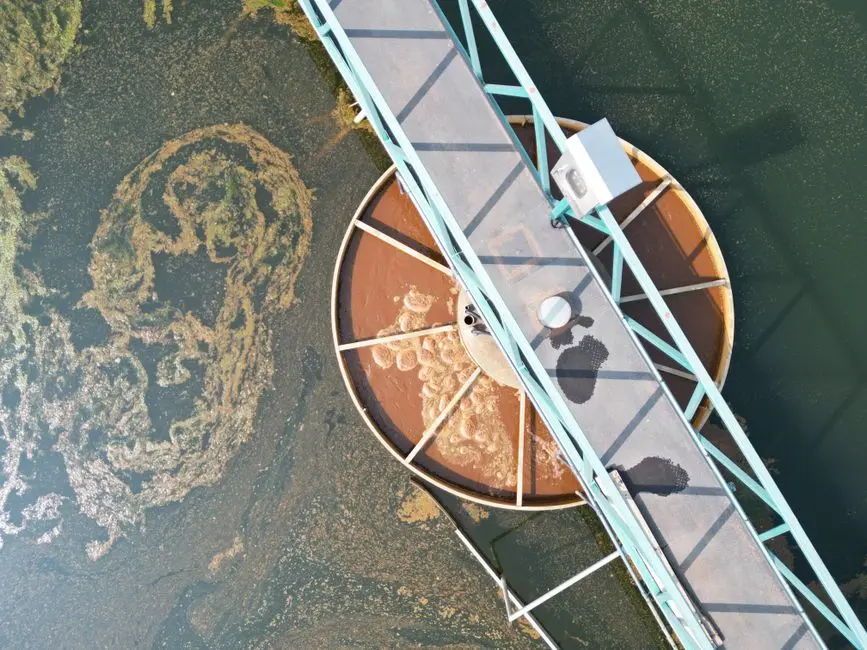
The CAPEX gap between a packaged DAF and a comparably rated lamella clarifier shrinks fast once oil surcharges, third-party haul-off, and downstream polishing media replacement are added. A 100-200 GPM shop at 200+ mg/L oil and grease will see the DAF pay back the capital premium inside 18-36 months on surcharge avoidance alone, before counting downstream savings (HydropureWater field data, 2026). The haul-off line item is real: 1-2% clarifier bottom sludge versus 2-4% DAF float sludge cuts sludge volume roughly in half, and a downstream DAF system with paired plate and frame filter press produces 30-40% cake solids versus 8-15% from a clarifier-to-belt-press train. Downstream filter media replacement runs lower when DAF handles the oil fraction upstream, and MWRDGC's oil and grease surcharge structure makes clarifier-only treatment uneconomical for any significant stamping, machining, or drawing lubricant flow (per MWRDGC Calumet local limits, 2025).
For plants with a legacy clarifier already on the floor, a retrofit path exists: add an aeration skid, saturation tank, and surface skimmer upgrade to the existing tank. The retrofit can be lower CAPEX than a full DAF replacement, but retrofit DAF performance typically trails a purpose-built DAF by 10-20 percentage points on TSS removal, so verify the math against your discharge limits before committing (HydropureWater field data, 2026). Pilot testing with a DAF Corp FC-60 at 48 GPM or RC UniMax at 80-100 GPM (both rated for 2,000 PPM TSS loading) de-risks full-scale design and gives operations a defensible data set to attach to the capital request.
Frequently Asked Questions
Can a clarifier alone meet 40 CFR Part 432 oil and grease limits in Chicago?
No, not on an emulsified tramp oil stream. 40 CFR Part 432 caps oil and grease at 52 mg/L daily maximum and 26 mg/L monthly average, and a clarifier alone on emulsified tramp oil typically produces 40-100+ mg/L effluent — which fails the monthly average and triggers MWRDGC surcharges above the 100 mg/L local threshold (per 40 CFR Part 432; HydropureWater field data, 2026). A DAF with proper coagulant and polymer conditioning routinely delivers below 20 mg/L, which is the margin a CIU needs against monthly average limits.
What DAF flow range covers a typical Chicago fabricated metals shop?
Packaged skid-mounted DAFs cover the 10-500 GPM Calumet corridor without custom build. The DAF Corp FC Maximizer round skid runs 48-450 GPM across 6-15 ft diameters, and the HydropureWater DAF line spans 18-1,320 GPM across 13 standard models. A 10-100 GPM job shop typically lands on a 6-10 ft diameter packaged unit with an integrated chemical conditioning skid (HydropureWater, 2026).
How dry is DAF sludge and where does it go?
A well-operated DAF produces float sludge at 2-4% total solids, dry enough to pump directly to a plate and frame filter press for dewatering to 30-40% cake solids. The cake is typically suitable for landfill disposal or, depending on metal content, may be sent to a metal recovery facility (HydropureWater field data, 2026). A 50-200 GPM shop is usually correctly paired with a 2-5 ft³ plate press.
Is pilot testing required before committing to a DAF?
Pilot testing is not strictly required, but a two-week on-site pilot with jar testing for coagulant and polymer selection typically pays for itself in optimized full-scale design — especially on streams with mixed free and emulsified oils. DAF Corp offers pilot FC-60 units at 48 GPM and RC UniMax pilot units at 80-100 GPM, both rated for 2,000 PPM TSS loading (DAF Corporation, 2025). For a Chicago CIU building a 2026 capital request, the pilot data also strengthens the defensibility of the design basis in front of MWRDGC.
Can an existing clarifier be retrofitted to DAF duty?
Yes — common retrofits add an aeration skid and saturation tank to an existing clarifier, plus a surface skimmer upgrade. This hybrid approach is often used when the existing clarifier has adequate volume but the float layer is not being removed effectively. Limitations apply: retrofit DAF performance typically trails a purpose-built DAF by 10-20 percentage points on TSS removal, so verify the math against your discharge limits before committing (HydropureWater field data, 2026).