Why the DAF-vs-Clarifier Question Matters for Longview Mining in 2026
Choosing a DAF or a clarifier depends on your influent matrix and your 40 CFR 437 permit envelope. For Longview mining and metals factories in 2026, choose DAF when the feed carries fine suspended solids, residual flotation reagents, or emulsified oils that a traditional gravity clarifier cannot reliably lift, and choose a lamella clarifier when the stream is dominated by settleable heavy metal-bearing solids at high flow with low oil content. Both technologies are 40 CFR 437–compatible when properly sized; many plants run a lamella primary followed by DAF polishing.
40 CFR 437 (Metal Mining and Ore Dressing Point Source Category) sets the federal effluent limits, including total suspended solids (TSS) capped at 30 mg/L maximum daily, total metals (lead, zinc, copper, arsenic) at sub-mg/L thresholds, and pH between 6.0 and 9.0. Texas TPDES permits add narrative standards and downstream receiving-water requirements for the Sabine River Basin near Longview, pushing plants toward tighter on-site pretreatment. Industrial water reuse pressure is the third driver: Texas water scarcity economics and tailings water reuse mandates make water-recovery equipment — DAF recycle loops, lamella sludge recirculation — financially attractive.
What Each Technology Actually Does Inside the Tank
A dissolved air flotation unit works by pressurizing a recycle stream with air, saturating it, then releasing it at atmospheric pressure inside a flotation tank. The pressure drop generates micro-bubbles 10–100 µm in diameter that attach to flocculated particles and lift them to the surface, where a skimmer removes the float layer (per Seven Seas Water and ProChem Water). DAF depends on chemical conditioning — coagulants like aluminum sulfate or ferric chloride, plus flocculants — to make particles bubble-attachable; without chemistry, the bubbles have nothing to grab (per ProChem Water).
A lamella clarifier uses inclined plates set at 55–60° to multiply the effective settling area inside a compact footprint. Feed flows upward between plates, heavy particles settle onto the plate surfaces and slide down into a sludge hopper, and clarified water exits over the top weir. Surface loading rates run 20–40 m³/m²·h on the projected plate area (per HydropureWater catalog, 2026), with sludge recirculation maintaining a dense blanket that improves capture. The mechanism is pure gravity and density differential — strong on heavy metal-bearing solids, weak on fines, colloids, and oil-coated particles that do not settle reliably.
Hybrid trains — lamella primary for bulk settleable metal precipitate, DAF polish for fines and oils — exist at full-scale mining and metals sites to address the gap between these technologies. For a sizing reference, the dissolved air flotation system covers 4–300 m³/h in 13 standard models, and the HydropureWater high-efficiency lamella clarifier handles the primary settler role in the same flow envelope.
Mining and Metals Influent: What Longview Plants Actually Discharge
Longview's industrial base spans aluminum reduction, long-life aggregate processing, and downstream chemical plants, creating a non-monolithic wastewater matrix. Tailings water from aggregate washing carries fine suspended solids, residual xanthate and dithiophosphate flotation reagents, and process lubricants (per Seven Seas Water mining duty description). Mineral processing wastewater typically includes fine particles, flotation reagents, and other suspended materials that DAF is designed to capture for water recycling (per Seven Seas Water and ProChem Water).
Smelter and metal-finishing streams add a different load: heavy metals (lead, zinc, copper, arsenic at mg/L to sub-mg/L ranges), pH extremes, and emulsified oils from rolling or cutting operations. These streams demand pH adjustment plus coagulant precipitation before either separator can do useful work. A site running both aggregate washing and a metals finishing line will see feed swings between dirty process water and cleaner contact storm-water within a single shift. The equipment choice must map to the specific influent envelope documented in your 2026 TPDES renewal.
Head-to-Head: DAF vs Lamella Clarifier on the Parameters That Matter
Score your own influent against this matrix before you talk to a vendor. The table below consolidates the parameters that drive equipment choice at Longview-area mining and metals sites.
| Parameter | DAF | Lamella Clarifier |
|---|---|---|
| TSS removal on flocculated/conditioned feed | 80–95% | 60–85% on settleable feed; lower on colloids |
| Oil / FOG / emulsified reagent removal | Strong — designed to lift oils (per Seven Seas Water) | Poor on emulsified material |
| Heavy metal co-precipitate handling | Effective when pH tuned; floc rises bubble-attached | Effective when pH tuned; precipitate drops to blanket |
| Surface loading rate | 5–25 m/h | 20–40 m/h (per HydropureWater catalog, 2026) |
| Footprint per m³/h | Compact vs sedimentation basins (per ProChem Water) | Most compact per m³/h; limited on fines |
| Variable load tolerance | Explicitly tolerant (per ProChem Water) | Needs sludge blanket management under shock loads |
| Chemical demand | Heavy on coagulant + flocculant | Up to 30% lower coagulant use via sludge recirculation (per HydropureWater catalog, 2026) |
| Sludge character | Spongy float, 3–5% dry solids | Denser underflow, easier downstream dewatering |
| Effluent TSS (typical) | 10–50 mg/L | 20–80 mg/L |
Neither technology solves sludge handling; both produce a stream that benefits from a plate and frame filter press for dewatering to 30–40% dry solids cake, and both depend on an upstream automatic chemical dosing system to keep pH and coagulant feed in range.
CAPEX, Footprint, and OPEX Reality Check for 2026
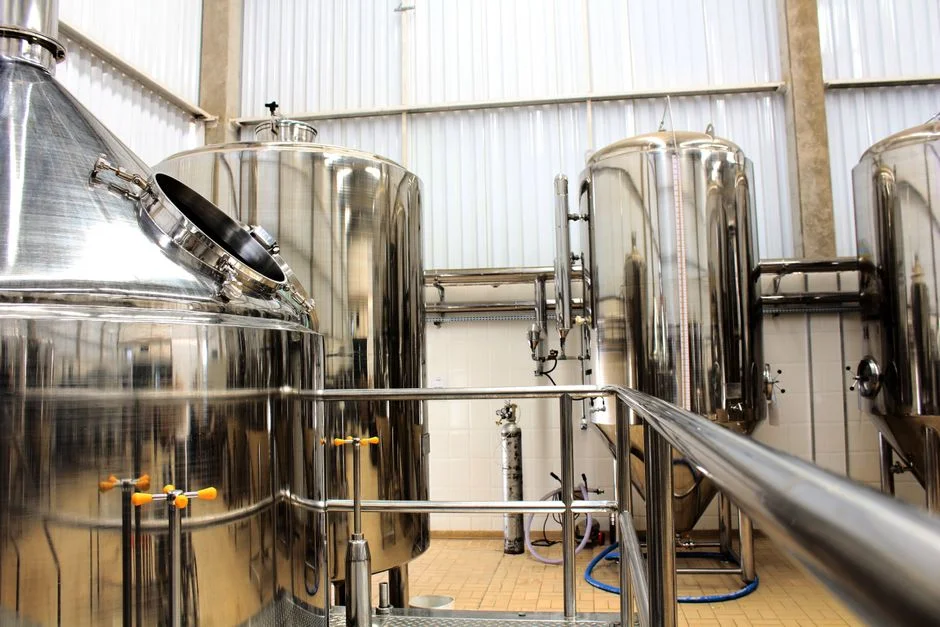
The dissolved air flotation system covers 4–300 m³/h across 13 standard models with micro-bubble generation and automatic skimming (per HydropureWater catalog, 2026). Modular skid pricing is generally higher per m³/h than a cast-in-place concrete lamella basin, but install time is weeks rather than months, and the footprint is smaller. A lamella clarifier running 20–40 m/h surface loading with up to 30% lower chemical consumption (per HydropureWater catalog, 2026) offsets its higher civil cost over a multi-year operating horizon.
Energy is the swing factor. DAF needs an air compressor and recycle pump running 24/7, typically 0.04–0.06 kWh/m³ treated; a lamella clarifier's only continuous energy draw is the sludge recirculation pump, which is smaller, but it pushes a larger sludge volume downstream to dewatering. Hybrid DAF + lamella trains are now standard at larger Longview-area sites. Use directional language when you budget: "DAF skid in the low six figures for 50 m³/h" and "lamella basin in the same range once civil work is included" are defensible.
Decision Framework: Which One Should Your Longview Plant Specify
Use this matrix to translate the comparison into a defensible specification for your 2026 TPDES renewal and your capital plan.
| If your influent looks like this… | Specify this… |
|---|---|
| TSS mostly colloidal/fine, residual flotation reagents or oils present, water reuse polish required, variable daily loading | DAF as primary or sole clarifier |
| Settleable heavy metal-bearing solids dominant, oil/FOG minimal, tight footprint, lowest chemical OPEX | Lamella clarifier as primary settler |
| Flow exceeds ~100 m³/h, feed swings between dirty process water and cleaner contact storm-water, multiple metals near detection plus TSS limit | Hybrid: lamella primary + DAF polish |
| Either choice selected | Integrate pH adjustment and chemical dosing upstream; plan plate-and-frame filter press downstream for sludge |
Integrate pH adjustment and chemical dosing upstream, as both technologies fail without proper conditioning. Plan sludge handling downstream with a multi-media filter or a plate-and-frame press so the separator does not become the bottleneck of the treatment train. The 40 CFR 437 envelope and your TPDES receiving-water standards are the binding constraints. For related regional context, see the parallel guides on DAF vs clarifier for mining/metals wastewater in Caddo Gap and DAF vs clarifier for mining/metals wastewater in Dunlap, or refer to a DAF system engineering and supplier checklist for procurement due diligence.
Frequently Asked Questions
Which removes more TSS — DAF or a lamella clarifier?
DAF removes 80–95% TSS on flocculated feed, with typical effluent of 10–50 mg/L. A lamella clarifier removes 60–85% on settleable feed, with typical effluent of 20–80 mg/L. DAF wins on fines and colloids; lamella wins on bulk settleable solids at high flow.
Does 40 CFR 437 cover Longview mining and metals wastewater?
Yes. 40 CFR 437 (Metal Mining and Ore Dressing Point Source Category) is the governing federal effluent standard for mining and ore processing discharges, with limits on TSS (30 mg/L daily maximum), total metals, and pH (6.0–9.0). Texas TPDES permits incorporate these limits and add narrative and downstream receiving-water standards for the Sabine River Basin.
Which has lower CAPEX — DAF or a lamella clarifier?
For high-flow settleable streams, lamella is generally lower CAPEX per m³/h once civil work is included, partly because surface loading rates of 20–40 m/h (per HydropureWater catalog, 2026) shrink the basin footprint. DAF skid pricing is higher per m³/h but civil cost is lower and install is faster.
Can a Longview plant run both DAF and a lamella clarifier in series?
Yes. Many Longview-area plants run a lamella clarifier as the primary settler to drop bulk grit and metal-bearing precipitate, followed by a DAF unit to polish fines, residual flotation reagents, and emulsified oils. This hybrid train hits 40 CFR 437 effluent limits more reliably and protects downstream RO or filtration membranes from fouling.