Why Fabricated Metals Wastewater in Blandon Is a Pretreatment Problem
A single TSS or zinc excursion at a Berks County fabricated-metals plant can trigger a City of Reading POTW surcharge, a PA DEP Notice of Violation, and an unscheduled line shutdown. The streams a Blandon stamping, machining, metal-finishing, or powder-coating shop generates — emulsified cutting oils, drawing compounds, hexavalent chromium rinsewater, phosphating washwater, and alkaline cleaner overflows — do not behave like a single homogeneous wastewater. They swing on pH, carry FOG that resists settling, and hold low-density metal-hydroxide floc that gravity clarifiers handle poorly. That variability is the core of the pretreatment problem, not an inconvenience on top of it.
Federal regulation starts at 40 CFR 433 (Metal Finishing Point Source Category), which sets categorical pretreatment daily-maximum thresholds of 60 mg/L TSS, 21 mg/L O&G, 2.38 mg/L lead, 1.71 mg/L total chromium, and 0.43 mg/L total zinc (per EPA 40 CFR 433). PA DEP Chapter 95 rules and the City of Reading POTW industrial-wastewater discharge permit layer additional local limits on top of the federal baseline — typically tighter metals caps and enforceable monthly-average ceilings. A pretreatment system that is not sized to handle oil surges and pH swings at peak shift will fail those limits exactly when production is paying for the equipment. That is why the DAF-vs-clarifier choice for a fabricated-metals line is a regulatory decision before it is a mechanical one.
How a DAF Clarifier Works on Metalworking Streams
A dissolved air flotation clarifier separates contaminants by floating them rather than settling them. The process starts with chemical conditioning: pH adjustment to the optimum for the coagulant, a charge-neutralizing coagulant (typically ferric chloride or alum), and a long-chain polymer flocculant that bridges particles into larger, buoyant floc (per Aries, S4). Without that conditioning, micro-bubbles will not adhere reliably to fine emulsified oil or metal-hydroxide floc — and on a fabricated-metals stream, the chemistry is the flotation cell, not the tank.
After conditioning, a side-stream of clarified effluent — typically 20-30% of the forward flow — is pumped through an air-saturation vessel at roughly 100 psi, where compressed air dissolves into the recycle water (per Aries, S4). When that recycle stream is released back into the flotation tank at atmospheric pressure, the dissolved air comes out of solution as 30-50 µm micro-bubbles (per SigmaDAF, S1; Aries cites roughly 30 µm). The micro-bubbles attach to oil droplets, FOG, and conditioned floc and lift them to the surface in minutes. Paddle skimmers or chain flights — 304SS flights with chemical- and heat-resistant wipers on a slow-speed drive (per Aries, S4) — scrape the float layer into a sludge sump, while heavier settleable solids drop to a bottom auger.
Standard materials of construction are 304SS, with 316SS or polypropylene available for chrome- and nickel-rich streams where chloride and low-pH excursions attack standard stainless (per SigmaDAF, S1). A shop-assembled, pre-packaged DAF skid such as the dissolved air flotation system integrates the saturator, recycle pump, skimmer drive, and PLC controls into a single unit sized from roughly 4 m³/h up to 300 m³/h — the range most Blandon-scale fabricated-metals plants fall into.
How a Lamella Clarifier Handles the Same Stream
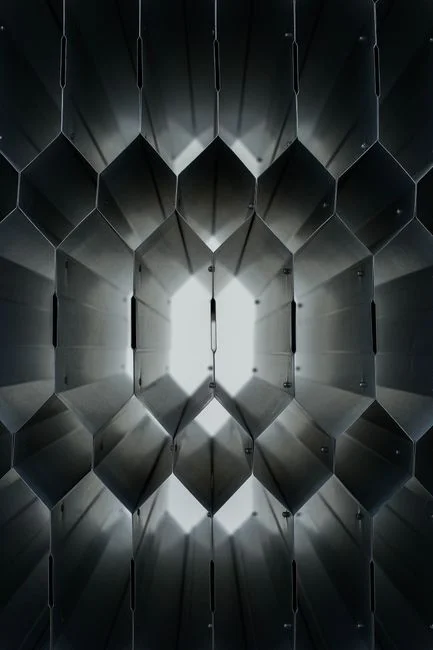
A lamella clarifier — sometimes called a high-efficiency sedimentation tank — uses a stack of inclined plates set at 55-60° to shorten the effective settling path. Solids slide down the plate faces into a sludge hopper while clarified water rises through the plate pack and exits over effluent weirs. A sludge-recirculation blanket below the plates improves contact between influent solids and the circulating solids, which sharpens removal (per HydropureWater P10).
The headline advantage is surface loading: a lamella operates at 20-40 m/h versus roughly 1-3 m/h for a conventional gravity clarifier, which is why a lamella needs 30-40% of the footprint of an equivalent conventional settler (per HydropureWater P10). HydropureWater also cites up to 30% lower coagulant consumption compared with conventional settling because the dense sludge blanket provides contact flocculation that reduces the dose required for a given effluent quality.
Where the lamella loses ground is on the streams most common in fabricated-metals plants: emulsified oil, FOG, and low-density metal-hydroxide floc. Particles that do not settle — or that float — bypass the plate pack and report to the effluent weir. The HydropureWater lamella clarifier fits cleanly into two roles on a metalworking site: post-DAF polishing on a two-stage train, or primary clarification for a stream that is already oil-lean and dominated by settleable TSS, such as a post-coagulation effluent or a phosphating rinsewater with no significant oil load.
DAF vs Clarifier for Fabricated Metals: Head-to-Head Comparison
The 40 CFR 433 daily-max ceiling of 21 mg/L O&G is the single most useful regulatory anchor for this decision. A DAF routinely delivers float-stream O&G under 15 mg/L on conditioned fabricated-metals feed; a lamella clarifier on the same feed typically leaves 30-50 mg/L O&G in the effluent because the oil does not settle. The 60 mg/L TSS daily max is reachable by either technology on settleable solids, but a lamella is more sensitive to TSS spikes because the plate pack can foul and the sludge blanket can re-entrain under hydraulic surge. The table below is built for procurement and EHS to paste directly into a decision memo.
| Parameter | DAF Clarifier | Lamella Clarifier |
|---|---|---|
| Separation mechanism | Micro-bubble flotation (30-50 µm bubbles) | Gravity settling on inclined plates (55-60°) |
| Target pollutant | Emulsified oil, FOG, low-density floc, metals co-removed via floc | Settleable TSS, post-coagulation polishing |
| Typical TSS removal | 85-95% | 70-90% on settleable solids; lower on colloidal |
| Typical O&G removal | 90-98% to <15 mg/L effluent | 40-70%; oil bypasses the plate pack |
| Surface / hydraulic loading | 5-25 m/h (per SigmaDAF, S1) | 20-40 m/h (per HydropureWater P10) |
| Footprint per m³/h | Larger; needs skimmer + saturator footprint | 30-40% of conventional settler footprint |
| Chemical demand | Coagulant + flocculant + pH adjustment | Coagulant only; up to 30% lower (per P10) |
| Sensitivity to oil surges | Low — float capacity is the design basis | High — oil carries over the effluent weir |
| Sensitivity to pH swings | Managed via pH adjustment on saturator feed | High — floc dissolution releases TSS |
| Automation | PLC-controlled skimmer, recycle, dosing | PLC-controlled sludge recirculation, dosing |
| Best-fit subsegment | Machining, stamping with drawing compounds, metal finishing, powder-coating pretreatment | Phosphating rinsewater, post-DAF polishing, oil-lean streams |
| Reference | Dissolved air flotation system | HydropureWater lamella clarifier |
Selection rule, stated plainly for a procurement audit: choose a DAF when influent FOG exceeds roughly 50 mg/L, when the oil is emulsified rather than free, or when zinc, nickel, and chromium are being co-removed by hydroxide floc. Choose a lamella when influent FOG stays below 20 mg/L, the TSS is settleable, and floor space is the binding constraint at higher flow. For mixed streams, the defensible answer is a two-stage DAF + lamella train rather than a forced single-technology choice.
Sizing a DAF or Clarifier for a Blandon-Scale Metal Fab Shop
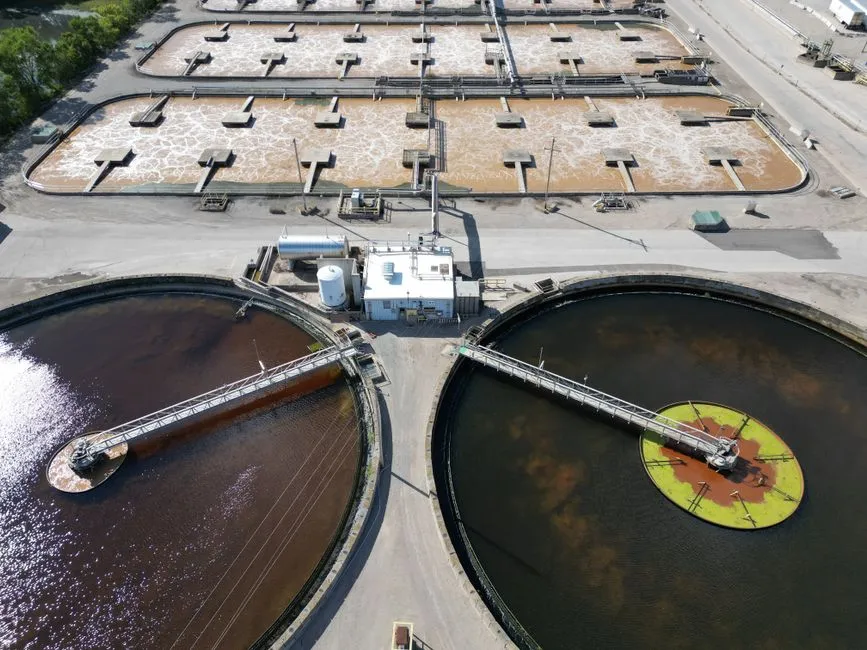
Flowrate, not just pollutant load, drives the unit selection. At small-shop scale — roughly 4-20 m³/h, which covers a single stamping cell with a phosphating rinse or a two-machine machining bay — a pre-assembled rectangular DAF skid with integral coagulation and flocculation chambers is the practical default. ClearStream-style rectangular units ship fully shop-assembled, which shortens install time and removes field-fabrication risk (per ClearStream, S3). A 4-20 m³/h dissolved air flotation system on a single skid usually fits a 2.5 m x 5 m pad and includes the saturator, recycle pump, and PLC.
Mid-size plants in the 20-80 m³/h band — typical of a multi-cell powder-coating line or a mid-volume metal-finishing shop — map cleanly to the mid-range models or to a circular DAF under roughly 50 ft in diameter. The SigmaDAF FPAC family is sized specifically for small-to-medium flowrates with very high solids and FOG loads, while the FPBC adds a lamella pack inside the DAF to drop water velocity and improve capture of low-buoyancy particles (per SigmaDAF, S1). Above 80 m³/h — a large fabrication or finishing campus — the standard play is a two-stage train: a DAF strips oils and floatables, then a lamella polishing unit operating at 20-40 m/h (per HydropureWater P10) takes out the remaining settleable TSS to protect downstream filtration.
For short-term projects, peak-load events, or pilot data, a mobile DAF is a defensible bridge. WesTech mobile DAFs come online within a single day on a trailer roughly 47'-6" x 8'-6" (per WesTech, S5), with no permanent foundation. That option gives a Blandon plant a way to validate hydraulic and chemical assumptions on the actual stream before committing to a permanent install — and to keep a line in compliance during a planned rebuild.
CAPEX, Footprint, and Compliance Cost for Blandon Plants
CAPEX is rarely the deciding line item for a fabricated-metals pretreatment system; compliance cost is. A packaged DAF rated for 50 m³/h typically fits a 4 m x 8 m equipment pad; a comparable lamella clarifier may occupy 30-40% less floor area at the same flowrate (per HydropureWater P10), which is the lamella's only clear mechanical advantage. Where the lamella loses the cost argument is downstream: if the stream carries FOG, the lamella will not hit the 40 CFR 433 daily-max O&G limit alone, and a DAF or a polishing stage still has to be bought or rented.
Chemical OPEX favors the lamella in the simple case — up to 30% lower coagulant consumption than a conventional settler (per HydropureWater P10) because the sludge blanket does much of the flocculation work. A DAF requires coagulant plus flocculant plus pH adjustment on most fabricated-metals feeds (per Aries, S4), which is a higher chemical line. That savings evaporates, however, once O&G forces the lamella train to add a polish stage or a DAF, and once sludge handling is priced in: float sludge from a DAF typically dewaters to 15-25% dry solids, while lamella bottom sludge runs wetter and costs more to haul.
The line item that actually defends the CAPEX request to a VP is compliance. A single 40 CFR 433 excursion can trigger a City of Reading POTW surcharge, a PA DEP Notice of Violation, and a self-monitoring requirement increase — easily a five-figure event before any cleanup. Frame the equipment decision as compliance insurance, not as a comparison of skid prices, and the DAF default for any line with emulsified oil, FOG, or floc-driven metals removal becomes straightforward to defend.
Which Should a Blandon Fabricated Metals Factory Choose in 2026?
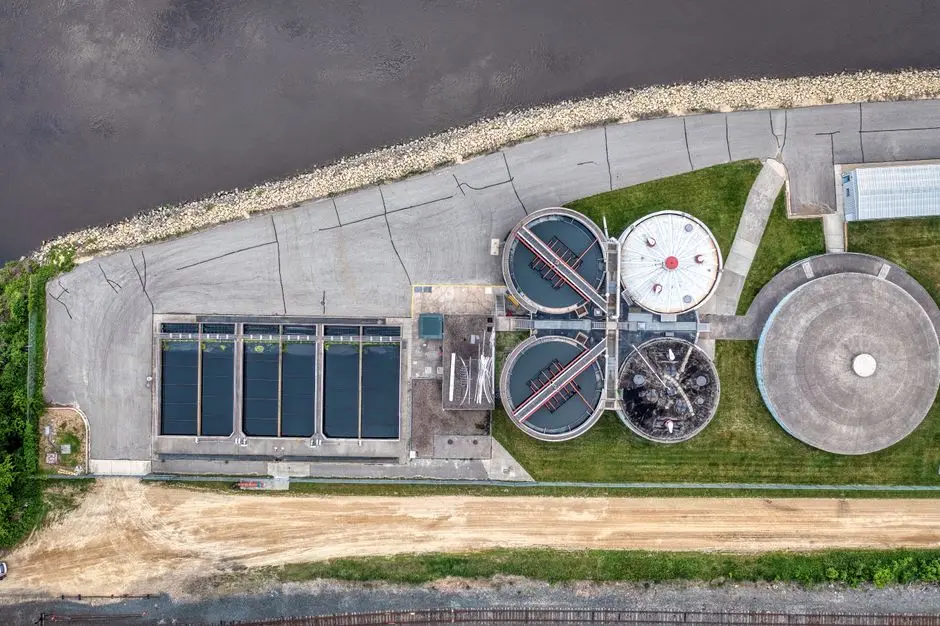
Default to a DAF for any Blandon-scale fabricated-metals or metal-finishing line where the stream carries emulsified oil, FOG, or is being treated for zinc, nickel, or chromium co-removal via hydroxide floc. The 40 CFR 433 daily-max O&G ceiling of 21 mg/L and the metals caps of 0.43 mg/L zinc and 1.71 mg/L total chromium are the regulatory facts that drive this default — a DAF hits them reliably on conditioned metalworking feed, and a lamella clarifier does not hit the O&G limit on emulsified streams at all. A dissolved air flotation system in the 4-300 m³/h range covers essentially every flowrate a Berks County plant will see.
Pick a lamella instead only when influent FOG is consistently below 20 mg/L, the TSS is genuinely settleable, and floor space is the binding constraint at higher flow. For mixed streams — DAF effluent polishing, phosphating rinsewater, or post-coagulation streams — the right answer is a two-stage train: a DAF up front, followed by a HydropureWater lamella clarifier to take the settleable TSS down and protect downstream filtration. Before the CAPEX request goes to procurement, run a bench-scale or pilot jar test on the actual plant stream to confirm the coagulant, flocculant dose, and hydraulic loading — the DAF plant O&M runbook for 2026 and the DAF clarifier troubleshooting fixes guide are useful reference material for the operations handoff. And for a parallel case study in a comparable regulatory environment, the Madison Heights fabricated metals DAF vs clarifier guide walks through the same decision at a different shop.
Frequently Asked Questions
What is the 40 CFR 433 daily-max O&G limit, and can a lamella clarifier meet it on a fabricated-metals stream?
The 40 CFR 433 daily-max O&G limit is 21 mg/L. On emulsified cutting-oil or drawing-compound streams, a lamella clarifier typically leaves 30-50 mg/L O&G in the effluent because emulsified oil does not settle and carries over the effluent weir. A DAF with chemical conditioning routinely delivers <15 mg/L O&G by floating the oil and floc to the surface (per Aries, S4; SigmaDAF, S1).
How do I size a DAF for a small Blandon fabrication shop with one phosphating line and two machining cells?
For a combined flow of 4-20 m³/h, specify a pre-assembled rectangular DAF skid with integral coagulation and flocculation chambers. ClearStream-style rectangular units ship fully shop-assembled (per ClearStream, S3), and a 4-20 m³/h dissolved air flotation system typically fits a 2.5 m x 5 m pad. Always confirm sizing with a jar test on the actual stream before purchase.
When does a two-stage DAF + lamella train make more sense than a single clarifier?
A DAF + lamella train is the right call above roughly 80 m³/h, on streams with both significant FOG and high settleable TSS, or whenever downstream filtration would be overloaded by a single-stage clarifier's effluent. The DAF strips oils and floatables; the lamella polishing unit operating at 20-40 m/h surface loading (per HydropureWater P10) takes the residual settleable TSS down and protects the polish stage.
Does PA DEP Chapter 95 add limits on top of 40 CFR 433 for zinc and nickel?
Yes. PA DEP Chapter 95 pretreatment rules and the City of Reading POTW industrial-wastewater discharge permit typically apply local limits and monthly-average ceilings that are at least as tight as the 40 CFR 433 daily-max thresholds of 0.43 mg/L zinc, 1.71 mg/L total chromium, and 2.38 mg/L lead. Confirm the current local limits with the City of Reading POTW before finalizing any equipment selection.
Related Equipment
- PLC-controlled coagulant and flocculant dosing — specifications, capacity range, and technical data