Why EV and Auto Plants in the Montgomery Region Need Formal Pretreatment
EV and auto plants near Montgomery, Alabama meet pretreatment limits by running their wastewater through a four-stage train before discharging to the municipal sewer: equalization, dissolved air flotation (DAF) to strip free and emulsified oils, chemical precipitation and pH adjustment to drop dissolved metals (lead, copper, zinc, nickel), and multi-media filtration to polish suspended solids. The Montgomery County Municipal Industrial Pretreatment Program enforces 40 CFR Part 403 categorical standards plus local limits, with the framework requiring a plant to sample, monitor, and report every discharge parameter it is regulated for.
The permit itself is the operating permit: a discharge that causes the receiving POTW to violate its NPDES permit triggers EPA pass-through liability, which the control authority then enforces back onto the industrial user (40 CFR 403.1 et seq., per EPA pretreatment guidance). Under § 51.062 Q, the local control authority carries EPA-delegated authority to enforce 40 CFR Chapter I, Subchapter N, Parts 405 through 471, 40 CFR Part 403, and 40 CFR Part 35 (per the published local sewer code, § 51.062 Q). EV/auto plants typically fall under 40 CFR Part 433 (Metal Finishing) or 40 CFR Part 432 (Metal Products), which sets categorical numerical limits on top of any local limits (§ 51.062 Q). The federal trigger for a POTW to even run a pretreatment program is a design flow greater than 5 MGD with industrial load present — a threshold every Alabama auto plant's receiving utility will exceed (per EPA NPDES pretreatment guidance). For a baseline reference of how an EV OEM structures the same train at scale, see the walkthrough of BYD's EV plant wastewater treatment process.
The Wastewater Streams an EV/Auto Plant Actually Produces
An auto assembly plant near Montgomery typically routes five distinct streams to the pretreatment skid, and each one threatens a different local limit. Specifying equipment to "average flow" without naming the stream is the single most common capital mistake in this duty.
Stamping and machining wastewater carries free and emulsified petroleum oils plus tramp hydraulic fluid. It is the primary risk for the 100 mg/L total-oil cap on petroleum, nonbiodegradable cutting, and mineral oils (§ 51.062 A) and the 200 mg/L FOG cap on floatable oils, fat, or grease, whether emulsified or not (§ 51.062 B). E-coat and paint rinse water carries dissolved nickel, zinc, and chromium from the pretreatment and conversion-coating stages, and is the primary risk against the heavy-metals local-limits table (§ 51.062 N). Phosphate cleaners and alkaline degrease drive high pH (often 11–13), high COD (often 2,000–5,000 mg/L), and total phosphorus above 14 mg/L — which trips the domestic-strength surcharge (§ 51.062 M). Battery cell rinses, present only at EV cell or module plants, carry fluoride, lithium carryover, and trace cobalt/nickel; they fall under the "toxic pollutants" prohibition (§ 51.062 D) and the metals table (§ 51.062 N). Truck wash and parts-washer floor drains deliver slug discharges of cutting oil — the worst-case scenario for the 200 mg/L FOG cap (§ 51.062 B) and the accidental-discharge rule (§ 51.066). For a parallel sector reference, the cable manufacturing wastewater treatment guide maps a similar mixed-stream challenge.
Montgomery-Style Local Limits Translated for the Plant Floor
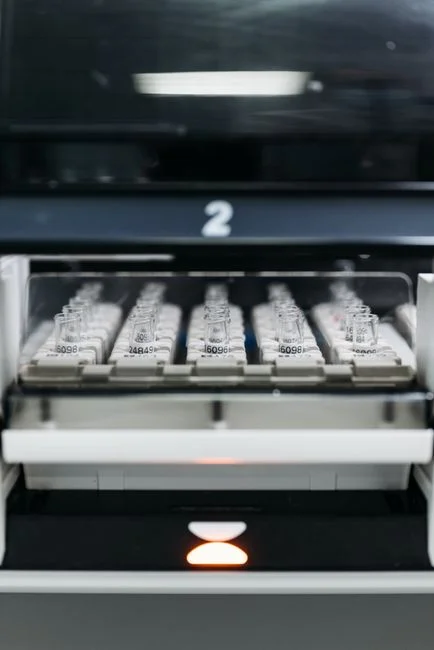
Reproducing the heavy-metals local-limits table from § 51.062 N in plant-floor form is the first step in writing a defensible equipment spec. The numbers below are the maximum daily concentrations the local control authority treats as pretreatment standards equivalent to the federal table (per § 51.062 N). The control authority reserves the right to set limits more stringent than federal categorical standards where site conditions warrant it (§ 51.062 P), and dilution as a substitute for treatment is explicitly prohibited (§ 51.063).
| Heavy metal | Max daily concentration (mg/L) | Surcharge parameter | Cap (mg/L) | Oil, grease & pH parameter | Limit |
|---|---|---|---|---|---|
| Arsenic | 0.75 | BOD | 350 | Petroleum / nonbiodegradable / mineral oil | 100 mg/L |
| Cadmium | 0.07 | COD | 1,000 | FOG (floatable / emulsified) | 200 mg/L |
| Chromium, total | 1.71 | TSS | 350 | pH (continuous monitoring) | 5.0–10.0 (typical range) |
| Chromium, hexavalent | 0.41 | NH3-N | 30 | — | — |
| Copper | 1.2 | Total phosphorus | 14 | — | — |
| Cyanide, amenable | 0.13 | — | — | — | — |
| Lead | 0.18 | — | — | — | — |
| Mercury | 0.001 | — | — | — | — |
| Nickel | 0.69 | — | — | — | — |
| Selenium | 0.13 | — | — | — | — |
| Silver | 0.24 | — | — | — | — |
| Zinc | 1.48 | — | — | — | — |
Surcharge triggers are drawn from § 51.062 M; any water or waste exceeding the cap is billed per pound of loading over the threshold. The oil and FOG caps in the right-hand column are from § 51.062 A and B. Together, the three column blocks give the EHS manager a one-page compliance table they can post in the control room and walk an inspector through.
The Pretreatment Process Train Used by EV and Auto Plants
The process train below is the standard sequence for an auto or EV plant discharging to a municipal sewer in the Alabama region. Equipment is listed in flow order; each step addresses a specific local limit or surcharge trigger.
- Equalization. Surge and slug protection, flow buffering, and pH stabilization ahead of chemical dosing. Sized to absorb the largest credible batch discharge from a stamping line or floor drain, this step is the engineered control required by § 51.066.
- Dissolved air flotation. Micro-bubble flotation strips free oil, emulsified oil, and suspended solids. Operating at hydraulic retention times of 20–40 minutes, a properly sized DAF unit delivers 90–95% oil and TSS removal in a footprint 5–10× smaller than an equivalent clarifier (HydropureWater DAF specifications support 4–300 m³/h and FOG/TSS removal in this range). A dissolved air flotation system for free and emulsified oil removal is the unit operation that hits the 100 mg/L petroleum and 200 mg/L FOG caps in one step.
- Lamella clarifier (high-efficiency sedimentation tank). Inclined-plate settling handles metals-bearing paint rinse and the metal-hydroxide floc generated in the next step. A lamella clarifier for metals-bearing paint rinse and hydroxide sludge operates at 20–40 m/h surface loading — roughly 5× the loading of a conventional clarifier — making it the right fit for paint-shop effluents.
- Chemical precipitation and pH adjustment. Caustic dosing (NaOH or lime) raises the pH to 9–10, which is the minimum solubility trough for zinc, nickel, copper, and chromium. PLC-controlled chemical dosing for pH adjustment and metals precipitation is paired with a polymer flocculant to build a settleable floc.
- Multi-media filtration. A multi-media filter for final TSS polishing before sewer discharge captures any residual floc carryover and protects against excursions above the 350 mg/L TSS surcharge trigger.
- Sludge dewatering. DAF skimmings and clarifier hydroxide sludge are pumped to a plate-and-frame filter press for DAF skimmings and hydroxide sludge dewatering for off-site landfill disposal at ≥30% dry solids.
DAF vs Lamella Clarifier: Which Goes First in an Auto Plant Train

The most common engineering decision in this duty is the order of mechanical separation. The short answer: DAF first, clarifier second. The reasons are operational, not academic.
| Decision factor | DAF first | Lamella clarifier first |
|---|---|---|
| Free and emulsified oil | 90–95% removal; floats oil to surface for skimming | Poor — oil escapes over the weir; emulsified oil re-stabilizes |
| Heavy metal-hydroxide floc | Acceptable for light floc; high hydraulic loading re-suspends dense sludge | Best — inclined plates settle floc at 20–40 m/h surface loading |
| Footprint | Small (5–10× smaller than clarifier for same oil loading) | Larger for equivalent oil duty; compact for floc duty |
| Risk if placed second | Floatable oil overloads clarifier; oil sheen on clarifier surface | Bubble energy wasted on already-settled solids; floc blanket churned |
| Sludge handling | Float (skimmed) — high oil content, sent to filter press | Underflow (settled) — high solids, sent to filter press |
The pitfall of reversing the order is that a clarifier in front of a DAF leaves emulsified oil in the stream and overloads the lamella with floatables; a DAF after a clarifier wastes bubble energy on already-settled solids and re-emulsifies oil trapped in the floc blanket (HydropureWater field data, 2026). A side-by-side walkthrough of the same decision in nearby markets is in the DAF vs clarifier decision guide for EV/auto plants in nearby markets and the Clanton equivalent.
Sampling, Surcharges, and What a Slug Discharge Actually Costs
The compliance economics drive the equipment spec. The local control authority (Montgomery County MIPP) requires 24-hour composite or representative grab sampling on every permit-listed parameter (per the published MIPP program description, S1). Any exceedance above the domestic-strength surcharge caps in § 51.062 M is billed per pound of loading over the threshold — BOD at 350 mg/L, COD at 1,000 mg/L, TSS at 350 mg/L, NH3-N at 30 mg/L, and total P at 14 mg/L (per § 51.062 M).
| Parameter | Surcharge cap (mg/L) | Typical 30-day surcharge calculation basis |
|---|---|---|
| BOD | 350 | $/lb loading above cap |
| COD | 1,000 | $/lb loading above cap |
| TSS | 350 | $/lb loading above cap |
| NH3-N | 30 | $/lb loading above cap |
| Total phosphorus | 14 | $/lb loading above cap |
The slug-discharge rule (§ 51.066) requires engineered protection — equalization tank, high-level alarms, automatic diversion — and the cost of noncompliance is not just the surcharge. If the receiving POTW fails its NPDES permit because of an industrial user's discharge, pass-through liability under 40 CFR 403.1 et seq. flows back to the plant (per EPA NPDES pretreatment guidance). A single EHS-led production shutdown to investigate a slug event is typically more expensive than the entire pretreatment skid's annual O&M (HydropureWater field data, 2026). For a digital layer that catches exceedances before they hit the sewer, the cloud monitoring for industrial pretreatment compliance reference describes the telemetry stack.
Sizing and Selecting a Pretreatment Skid for a Montgomery-Area Plant
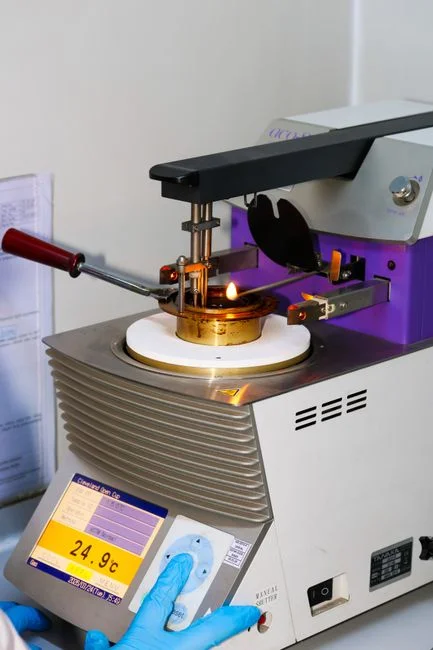
Translating the analysis into a procurement spec is where most capital requests go off the rails. The following five points give a plant engineer a defensible data sheet to send to vendors.
First, size to peak hourly flow, not daily average — and confirm the equalization tank holds at least four hours of peak flow to satisfy § 51.066 slug protection. Second, paste the local-limits table from the section above directly onto the data sheet; do not accept generic "remove 95%" language, because the contract becomes unenforceable the moment the local control authority sets a more stringent limit under § 51.062 P. Third, require PLC control with remote telemetry so the EHS manager can see pH, flow, and TSS from a phone (see the engineering guide on cloud monitoring for industrial pretreatment compliance). Fourth, confirm the skimmings and hydroxide sludge dewater in a plate-and-frame press to ≥30% DS for landfill disposal — operational details for that press are in the sludge dewatering maintenance protocol for filter press operations. Fifth, lock the chemistry panel — caustic dosing, polymer flocculant, and pH probe calibration — into the skid scope, and require FAT testing on simulated automotive wastewater, not clean water.
Frequently Asked Questions
What local authority enforces EV/auto plant pretreatment near Montgomery, AL?
The Montgomery County Municipal Industrial Pretreatment Program (MIPP) is the federal- and state-mandated control authority that issues industrial user permits, collects samples, and enforces local limits and 40 CFR Part 403 categorical standards against any EV or auto plant discharging to the county sewer (per the published MIPP program description, 2026).
What is the local heavy-metals cap for zinc, nickel, and lead at a Montgomery-area auto plant?
Under § 51.062 N of the local sewer code, the maximum daily concentrations are zinc 1.48 mg/L, nickel 0.69 mg/L, lead 0.18 mg/L, copper 1.2 mg/L, total chromium 1.71 mg/L, and hexavalent chromium 0.41 mg/L, with the local control authority reserving the right to impose more stringent limits where site conditions require it (§ 51.062 P).
How much oil and grease can an auto plant discharge to the sewer?
Wastewater must contain no more than 100 mg/L of petroleum oil, nonbiodegradable cutting oil, or mineral oil (§ 51.062 A) and no more than 200 mg/L of floatable oils, fat, or grease, whether emulsified or not (§ 51.062 B). At typical automotive influent concentrations of several thousand mg/L, DAF removal of 90–95% is required to land below those caps.
What does a slug discharge cost an EV plant?
A slug discharge triggers the engineered protection requirement of § 51.066, bills the plant for every pound of BOD, COD, TSS, NH3-N, or total P above the surcharge caps in § 51.062 M, and — if it causes the receiving POTW to violate its NPDES permit — exposes the plant to EPA pass-through liability under 40 CFR Part 403 (per EPA NPDES pretreatment guidance). A single EHS-led production shutdown typically exceeds the pretreatment skid's annual O&M cost.