
What Gadsden EV and Auto Plants Are Putting Down the Drain in 2026
Stamping and press lines in the Gadsden-Etowah County corridor typically generate wastewater with free oil concentrations between 200 and 5,000 ppm, with FOG as the dominant contaminant and TSS in the 500–2,000 ppm range. Machining and grinding coolant operations push the influent harder: emulsified oils at 500–3,000 ppm, total suspended solids at 1,000–4,000 ppm, and a steady load of ferrous and aluminum fines that tear through pumps and plates. EV battery cell and module wash water runs cooler on organics but introduces lithium and nickel traces in the 0.5–10 ppm band, plus phosphate cleaners and surfactants that complicate any downstream biological step.
Discharge to the Gadsden Water Works system means industrial users must meet the local pretreatment limits on FOG, TSS, and metals before the stream reaches the Coosa River (per ADEM Administrative Code Chapter 335-6). The federal floor for most auto parts lines is 40 CFR 433 (Metal Finishing), which sets oil and grease at 38 mg/L daily max, TSS at 86 mg/L daily max, and caps lead, nickel, and zinc at low single-digit mg/L. A primary clarifier that does not hit those numbers triggers surcharges and consent-order risk, so the technology decision has to start with the stream profile, not the equipment catalog.
How a DAF and a Clarifier Actually Treat the Same Stream
A dissolved air flotation unit pressurizes a recycle stream of clarified effluent to 60–80 psig, saturates it with air, and releases it through a pressure-reduction device at the inlet of the flotation cell. The dissolved air comes out of solution as 20–40 micron micro-bubbles, attaches to chemically conditioned oil droplets and suspended solids, and floats the agglomerated mass to the surface where a skimmer removes it. A DAF system running at 100 gpm on a conditioned stamping stream will typically deliver 90–95% FOG removal in a single stage.
A gravity clarifier separates solids by reducing flow velocity in a circular or rectangular tank so that heavier particles settle to a sludge hopper while clarified water overflows a peripheral weir. Circular clarifiers remove 70–90% of settleable inorganic solids, but they struggle with emulsified oils and colloidal fractions because those particles do not settle under gravity regardless of residence time. Both technologies depend on upstream chemical conditioning, including coagulant, flocculant, and pH adjustment, and neither functions as a standalone physical separator on raw auto wastewater.
The DAF Corp FC Maximizer is a useful benchmark: a 500 gpm unit, fed at 2,000 ppm suspended solids, clarifies to 50 ppm in a single stage and produces float at 2–4% dry solids. The rectangular RC UniMax delivers 85–90% TSS removal versus the circular FC's 92–98% (per DAF Corp specifications, 2025). For a Gadsden engineer choosing equipment, the DAF's micro-bubble cloud is the mechanism that captures what a clarifier physically cannot.
Side-by-Side: DAF vs Clarifier Performance on EV/Auto Wastewater
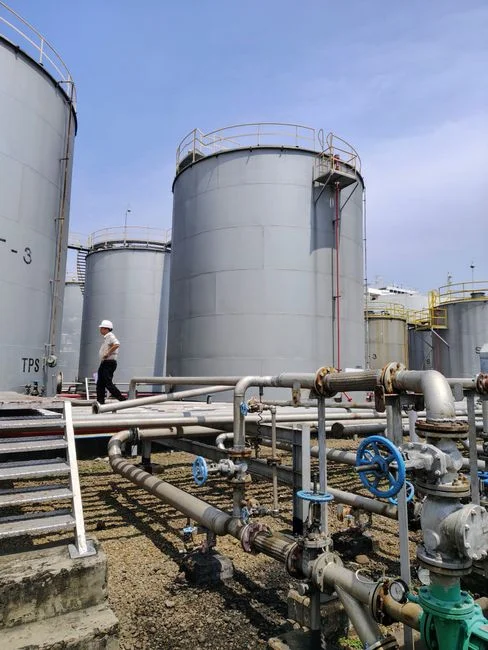
The head-to-head data provides the technical justification required for leadership approval. The table below is built around 40 CFR 433 limits and 2026 field performance, not generic industry averages.
| Parameter | Dissolved Air Flotation (DAF) | Gravity Clarifier |
|---|---|---|
| FOG removal (oily auto streams) | 90–95% | 60–75% (Ecologix 2026 selection data) |
| TSS removal | 85–98% depending on chemistry | 70–90% on settleable inorganics; poor on colloidal/emulsified |
| Footprint per 100 gpm | 40–80 ft² (packaged skid) | 200–400 ft² for matched TSS performance |
| Equipment CAPEX (100 gpm) | 1.5–3× equivalent clarifier (turnkey gap closes with foundation cost) | Lower equipment cost; higher civil/foundation cost |
| O&M complexity | Air compressor, saturator, polymer system | Sludge pump, periodic rake inspection |
| Best-fit stream | Free/emulsified oil, FOG, low-density solids | Heavy inorganic swarf with oil already <50 ppm |
| Regulatory headroom vs 40 CFR 433 | Comfortable margin to 38 mg/L FOG and 86 mg/L TSS | Often marginal on FOG; adequate on TSS for settleable streams |
| Jar-test dependency | High; wrong polymer can halve removal | Moderate; floc selection matters but less sensitive |
| Sludge characteristics | Float at 2–4% dry solids (DAF Corp) | Underflow 2–6% but larger volumetrically on auto streams |
The most critical metric is FOG removal, as a clarifier maxing out at 70–75% on an oily stream leaves the plant exposed to a 38 mg/L daily-max exceedance and a Coosa River surcharge. For streams where FOG is already under 50 ppm and the load is mostly inorganic swarf, the clarifier's lower CAPEX is the optimal choice.
Which Auto Process Goes to DAF, Which Goes to a Clarifier, and Which Needs Both
The following stream-by-stream map provides specific guidance for Gadsden EV and auto parts plants that manage multiple waste streams within a single treatment train.
| Process stream | Typical influent | Primary unit | Secondary / polish | Reason |
|---|---|---|---|---|
| Stamping and press lines | Free oil 500–5,000 ppm; TSS 500–2,000 ppm | DAF with coagulant | Optional lamella clarifier | Clarifier alone cannot meet 38 mg/L FOG limit |
| Machining and grinding coolant | Emulsified oil 500–3,000 ppm; TSS 1,000–4,000 ppm; metal fines | DAF with demulsifier chemistry | Lamella clarifier if TSS target <20 mg/L | Emulsified fraction will not settle under gravity |
| EV cell and module wash | Low oil; surfactants; Li/Ni 0.5–10 ppm; phosphate | DAF with coagulant | Lamella clarifier, then MBR or RO for reuse | Strips oil that would blind downstream plates and membranes |
| Parts wash with phosphate cleaners | Moderate oil 100–500 ppm; phosphate 10–50 ppm | DAF first | Lamella clarifier as polish | Prevents oil fouling of lamella plates |
| Heavy grinding swarf only (rare) | TSS 2,000–5,000 ppm; FOG <50 ppm | Lamella clarifier | Optional DAF polish | If FOG already controlled upstream, clarifier is cheaper and adequate |
For mixed plants, the industry standard in 2026 is a DAF-then-lamella train sized so the DAF removes the bulk of the FOG while the HydropureWater lamella clarifier polishes TSS to the 20 mg/L band. Integrating an automatic polymer and coagulant dosing skid is essential to ensure the DAF does not pass emulsified oil downstream, which would otherwise foul the lamella plates.
The 2026 CAPEX and Footprint Reality for a Gadsden Line
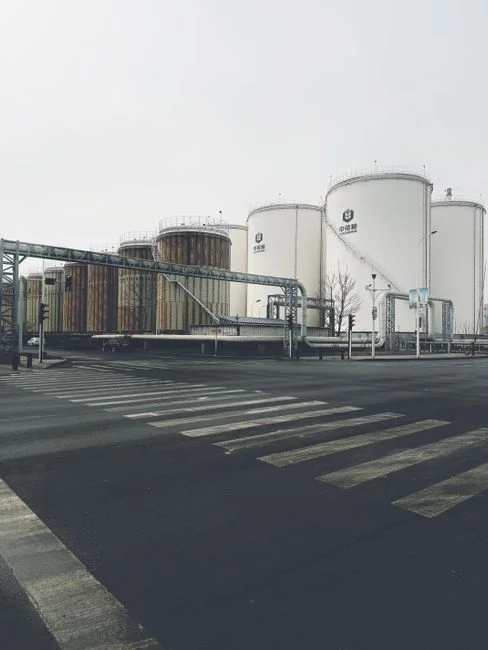
Packaged 50–500 gpm DAF units, skid or trailer mounted, plug-and-play with chemical feed, typically run 1.5–3× the equipment CAPEX of an equivalent clarifier, but the building, excavation, and foundation costs for a field-erected clarifier often erase that gap on a turnkey basis. A 100 gpm DAF can be commissioned in 2–4 weeks; a field-erected clarifier is typically 8–16 weeks, and that schedule difference matters when an EV plant is ramping toward SOP. Spectrum Water and other rental fleets offer trailer-mounted DAFs for temporary duty, which can defer capex on a phased line build and keep a start-up compliant while the permanent unit is being fabricated.
Operating cost is closer than the equipment CAPEX suggests. A DAF carries an air compressor, saturator, and polymer system; a clarifier carries a sludge pump and periodic rake inspection. Total annual O&M at the 50–200 gpm scale is comparable, with DAF trending higher on power (~3–5 kW per 100 gpm for the recycle pump and compressor) and clarifier trending higher on sludge hauling because clarifier underflow is larger volumetrically on auto streams even at higher dry-solids percentage. For 2026 numbers, the DAF-side MBBR polishing step is covered in the stamping press oily water MBBR sizing guide if discharge requires biological polishing after primary clarification.
How to Pick in 30 Seconds: A Decision Framework for 2026
Choose DAF as the primary unit if your Gadsden EV/auto stream carries more than 100 ppm free or emulsified oil, as a clarifier cannot hit the 38 mg/L FOG limit on those streams. If your stream is mostly inorganic grinding swarf with oil already under 50 ppm, a lamella clarifier is sufficient and more cost-effective regarding CAPEX and footprint. For mixed streams, the most common 2026 auto case, default to a DAF followed by a clarifier in series, sized so the DAF does the heavy FOG lift and the clarifier polishes TSS to the 20 mg/L band. Always jar-test before sizing; a DAF Corp or Spectrum lab run on your actual sample is a non-negotiable step, and the wrong polymer choice can halve removal performance and force a re-spec mid-commissioning. For a wider pretreatment-compliance view, the 2026 pretreatment compliance guide for transportation equipment plants covers discharge-side limits in more detail.
Frequently Asked Questions
When is a clarifier alone enough for an EV or auto parts plant in Gadsden?
A gravity clarifier is enough when the influent is dominated by settleable inorganic swarf and grinding fines, with FOG already held under 50 ppm by upstream oil removal or coolant management. Outside that narrow case, FOG removal on a clarifier will not reliably hit the 40 CFR 433 daily max of 38 mg/L (per EPA metal-finishing effluent guidelines).
What FOG and TSS removal can a DAF realistically hit on stamping wastewater?
A properly jar-tested and chemically conditioned DAF will deliver 90–95% FOG removal and 85–98% TSS removal on stamping and press wastewater in a single stage, which is enough margin to land the stream under both 40 CFR 433 limits and typical Gadsden Water Works pretreatment surcharges. The DAF system is sized for that duty range.
Do DAF and lamella clarifier work together in a hybrid train?
Yes, and it is the most common 2026 layout for mixed auto lines. The DAF strips free and emulsified oil first, the HydropureWater lamella clarifier polishes the remaining TSS in a small footprint, and downstream MBR or RO handles reuse or metals targets. Splitting the duties this way keeps each unit in its efficient operating window (Ecologix 2026 selection data).