Why Somerset Textile Mills Need a Different DAF-vs-Clarifier Answer in 2026
Somerset textile and dye-finishing factories in 2026 should choose a DAF system as the primary solids/FOG/color removal step, with a Lamella clarifier upstream when fiber and grit loads are high. A DAF with proper coagulant dosing typically removes 60–85% of color and 70–90% of TSS from reactive-dye effluent — well above what a standalone clarifier achieves on the same hot, high-pH stream — while keeping the footprint small enough for a retrofit. A clarifier alone only suits dye-houses with low FOG, low color, and settleable fiber; most Somerset mills need a hybrid Lamella + DAF train feeding biological polishing to meet 40 CFR Part 410 effluent limits.
Dye-house wastewater behaves nothing like the food, dairy, or refinery streams most DAF-vs-clarifier articles describe. Reactive and azo dye baths arrive at the pretreatment headworks at pH 8–12 (caustic scour carryover), 40–60 °C, and TDS of 5,000–15,000 mg/L from salt-intensive reactive dyeing. Softeners, lubricants, and coning oils contribute 50–400 mg/L of emulsified FOG. Loose fiber from knit and carpet lines adds 200–1,500 mg/L of TSS that is slow to settle because the reactive-dye floc is light and buoyant. Per EPA 40 CFR Part 410, textile point sources must meet category-specific BPT/BAT effluent limits (subcategories cover woven, knit, carpet, stock/yarn, and finishing), and Somerset's receiving POTWs layer on local surcharges for TSS, BOD, oil & grease, and sulfide (per typical municipal pretreatment ordinances, 2025).
That is why a generic "DAF for oils, clarifier for heavy solids" answer fails on the dye-house floor. DAF works by attaching 10–100 µm micro-bubbles to floc particles, lowering their effective density so they float to a top skimmer — the same mechanism that handles emulsified FOG also handles light, slowly settling reactive-dye floc (per Komline's DAF process description). Somerset's mix of knit dyehouses in the Raritan and Millstone corridors, woven finishers around Bound Brook, and carpet printers toward Somerville produces a combined effluent where no single unit operation clears the 2026 EPA cycle alone. The remainder of this guide builds the textile-specific framework, sizing logic, and 40 CFR Part 410 cost lens that generic pages skip.
How DAF and Clarifiers Each Handle Dye-House Streams
A dissolved air flotation system generates 10–100 µm micro-bubbles by pressurizing a recycle stream (typically 15–30% of forward flow) with air at 4–6 bar, then releasing the pressure inside the flotation tank; the bubbles nucleate on floc particles and lift them to a top skimmer. A clarifier relies on gravity sedimentation in a circular or rectangular basin, with Lamella/inclined-plate designs achieving 20–40 m/h surface loading rates by stacking settling area into a small footprint (per HydropureWater lamella product spec). The two mechanisms diverge sharply on dye-house streams.
Translating cross-industry benchmarks to textiles, Ecologix reports 95% oil/FOG removal with DAF versus 70% with a clarifier in food-processing duty — and that gap widens on Somerset streams where the FOG is emulsified by hot alkali softener baths. Reactive-dye floc is light, buoyant, and slow-settling, which is exactly the regime DAF is engineered for, per Komline's guidance that DAF is "best applied to remove materials that normally settle slowly, persist by remaining in suspension, or have a tendency to float." A standalone clarifier on the same stream tends to produce turbid overflow and floating scum, and the operator is forced to dose extra polymer to keep the floc blanket stable — an OPEX penalty DAF avoids.
Trade-offs are real. DAF carries higher CAPEX and requires an air compressor, recycle pump, saturator vessel, and a chemical pretreatment skid (coagulant + floculant). Clarifiers have lower equipment cost and simpler controls, but the basin footprint is 5–10× larger for an equivalent hydraulic load — a hard constraint in Somerset dye-houses where the wet-processing floor is already crowded with jet machines, drying ranges, and print tables. A industrial DAF system for textile dye-house effluent running on hot reactive-dye wash water will typically outperform a clarifier of the same hydraulic rating on color, TSS, and FOG simultaneously, while freeing floor space for production.
Textile Wastewater Performance Comparison: DAF vs Clarifier vs Hybrid
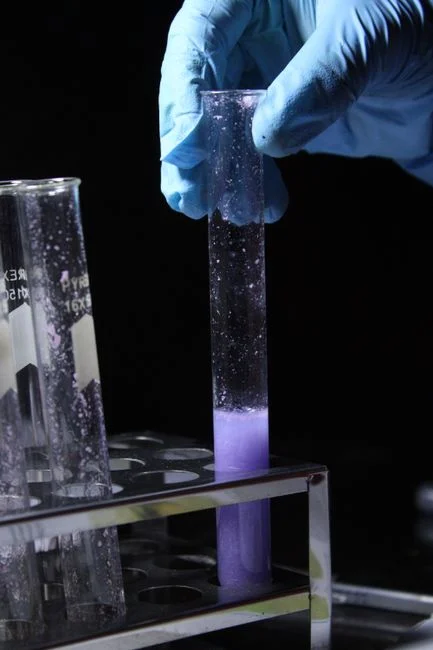
The table below uses typical Somerset dye-house influent ranges against the three realistic trains a mill can buy in 2026. Numbers are engineering bands drawn from textile field practice and DAF pilot experience, not lab promises; verify with a jar test and a 24-hour composite of your actual dye-bath discharge before committing CAPEX.
| Parameter | Clarifier only | DAF only (with coagulant + flocculant) | Lamella + DAF hybrid |
|---|---|---|---|
| Color (500–3,000 Pt-Co influent) | 30–50% removal | 60–85% removal | 65–85% removal (DAF-driven) |
| TSS (200–1,500 mg/L influent) | 50–70% removal | 70–90% removal | 85–95% removal |
| FOG (50–400 mg/L influent) | 50–70% removal | 80–95% removal | 85–95% removal |
| Settleable fiber / grit | Partial; floating scum loss | Limited (fiber overloads skimmer) | Bulk removed upstream in Lamella |
| Footprint (per m³/h treated) | ~5–10× larger than DAF | Compact | Compact + small Lamella |
| Reactive/azo dye polishing above ~85% color | No | No (needs downstream bio/oxidation) | No (needs downstream bio/oxidation) |
| Best use in Somerset | Low-color, low-FOG, settleable solids (e.g., print wash with starch sizes) | Most knit/woven finishers | Carpet, denim, heavy-knit lines with grit |
Color removal above roughly 85% on reactive or azo dyes almost always needs a downstream step — biological polishing in an MBBR or MBR, or chemical oxidation (ozone, Fenton). The DAF and Lamella trains above are pretreatment, not final polish, and the procurement spec should reflect that. For a deeper look at sizing and integration, the textile wastewater treatment engineering guide covers reactive-dye and disperse-dye train design in more detail.
The 2026 Decision Framework for Somerset Dye-Finishing Plants
Use these four rules in order before you size equipment. They translate the parameter table into an action plan a procurement manager or plant engineer can defend in front of a 2026 capital committee.
- FOG- or color-dominant stream? If softeners, lubricants, or reactive/azo dyes drive the load, the DAF is the primary step. A standalone clarifier will not deliver 40 CFR Part 410 BPT limits for oil & grease on this stream.
- Fiber- and grit-heavy stream? If the mill runs carpet, denim, or heavy knit, put a Lamella clarifier for fiber and grit pre-removal upstream of the DAF. It protects the DAF nozzles from ragging, reduces skimmer load, and lifts total TSS removal into the 85–95% band.
- Low FOG, low color, mostly settleable solids? A print wash with starch sizes or a yarn-scouring line that decolorizes before discharge can run on a clarifier alone and save CAPEX — but only after a jar test confirms color and TSS against 40 CFR Part 410 BPT limits and the local POTW's surcharges.
- Sensitive POTW or water-reuse target? Specify a hybrid Lamella + DAF feeding an MBBR or MBR. Documented hybrid DAF + biological trains for complex streams are described in SSRN paper 4731382, and the same architecture applies to dye-house effluent.
If two or more rules point the same way, the recommendation is firm. If they conflict, the binding constraint is almost always the receiving POTW's local limits on color, sulfide, and oil & grease, not the influent numbers. For comparison logic on adjacent industries, see the DAF vs clarifier decision framework for industrial plants applied to chemical plants in the Mojave.
Sizing, Materials, and Pretreatment Chemistry for Dye-House DAFs
Specify 316L stainless steel for tanks, saturators, and wetted skimmer parts. Carbon steel fails quickly under the chloride and salt load of reactive-dye baths, and 304 is a borderline call above 1,000 mg/L Cl⁻. EPDM or Buna-N seals handle the 40–60 °C operating range; Viton is overkill for this duty.
Size the DAF on hydraulic loading — typically 5–25 m/h on textile wash water, lower for carpet and denim where grit is high — and on the air-to-solids ratio (A/S), which usually lands in the 0.02–0.06 range for textile floc. The recycle pump should be rated for 15–30% of forward flow with a 4–6 bar saturator. A PLC-controlled coagulant and pH dosing skid is not optional: reactive-dye streams arrive at pH 8–12 and need to be brought to 6.5–8.5 ahead of the flocculation tube. Dose a coagulant (PAC at 50–200 mg/L or ferric chloride at 30–150 mg/L) followed by a flocculant (PAM at 1–5 mg/L) and confirm with a jar test, since dye-bath discharge is batch and concentrations swing hour to hour.
Before you commit CAPEX, run a 24-hour composite across a typical dye campaign and a pilot on the actual DAF. Komline notes that pilot rental is standard industry practice and that a simple lab test generally determines whether DAF is feasible. The industrial DAF system for textile dye-house effluent is the right anchor for the primary unit; pair it with a chemical dosing skid sized to the worst-case composite, not the average grab sample.
2026 Costs, Compliance, and Payback for Somerset Textile Mills
Order-of-magnitude CAPEX for a DAF sized to 10–50 m³/h of dye-house duty lands in the low-to-mid six figures USD installed, depending on materials, automation, and building work. Clarifiers are cheaper on equipment but cost floor space and downstream sludge handling — at 5–10× the footprint, a Somerset dye-house rarely has the bay length to fit one without structural changes. A filter press for DAF float sludge dewatering is a downstream requirement on either train: float sludge from a textile DAF typically arrives at 3–5% DS and benefits from mechanical dewatering to reach 25–35% cake for off-site disposal.
OPEX drivers split cleanly. A DAF consumes power on the recycle pump, air compressor, and skimmer drive, plus coagulant and polymer; a clarifier drives OPEX through sludge pumping and the polymer needed to keep the floc blanket stable. The compliance lever is 40 CFR Part 410 — confirm the subcategory (woven, knit, carpet, stock/yarn, finishing) before sizing, then check the receiving POTW's local limits. Somerset mills commonly discharge to authorities with surcharges on TSS, BOD, and oil/grease, and avoidable surcharges plus reduced fresh-water intake from treated recycle typically deliver 2–4 year payback on a correctly sized DAF. A clarifier retrofit pays back faster on CAPEX but rarely delivers color compliance alone, which is the binding constraint for most reactive-dye finishers. A MBR downstream of DAF for biological color and BOD polishing is the most common route to Part 410 BAT limits on reactive dyes. For dewatering-side economics, the sludge dewatering equipment comparison for DAF float is a useful cross-reference.
Frequently Asked Questions
Can a DAF system alone meet 40 CFR Part 410 color and TSS limits for a Somerset dye-house?
No, not on reactive or azo dye streams. A DAF with coagulant dosing typically delivers 60–85% color removal and 70–90% TSS removal, which is strong pretreatment but still leaves residual color above the BAT limits for woven and knit subcategories. Route DAF effluent through an MBBR or MBR for biological color polishing, or add ozone/Fenton oxidation if reuse is the target.
Which wastewater parameters most affect the DAF-vs-clarifier choice for textile mills?
Color (Pt-Co), FOG, temperature, and floc density. Reactive-dye floc is light and slow-settling, which favors the DAF mechanism over gravity settling. Hot effluent (40–60 °C) and high TDS (5,000–15,000 mg/L) further push the answer toward DAF, because Lamella clarifiers lose efficiency as water viscosity drops at temperature and as dissolved salts compress the floc blanket.
Do Somerset mills need a Lamella clarifier in front of the DAF?
Only when the stream carries heavy grit, carpet fiber, or denim/cotton lint that would rag the DAF nozzles and overload the skimmer. Knit and woven finishers with low fiber loss usually go straight to a industrial DAF system for textile dye-house effluent. Carpet, denim, and heavy-knit lines should add a Lamella clarifier for fiber and grit pre-removal to protect the DAF and lift total TSS removal into the 85–95% band.
How long does a textile DAF pilot test take before we order equipment?
Plan on 2–4 weeks of pilot operation covering at least one full dye campaign, with 24-hour composite sampling to capture the batch swings between dark reactive baths and lighter wash water. Komline and most DAF vendors rent pilot units for exactly this purpose, and the pilot data is what justifies the A/S ratio, recycle rate, and polymer dose in the final specification.