Why Mining Wastewater in East Bernstadt Demands a Different Choice in 2026
East Bernstadt sits in the heart of Laurel County, Kentucky, where coal preparation, sandstone aggregate washing, and light mineral processing plants typically run 20-300 m³/h on a single shift — small-to-mid throughput that rules out the oversized clarifiers built for Powder River Basin operations. Effluent from these facilities is governed federally by 40 CFR Part 440 (Ore Mining and Dressing Point Source Category), which sets monthly-average limits for total suspended solids, settleable solids, pH (6.0-9.0), and total recoverable metals including iron, manganese, zinc, and copper (per EPA 40 CFR Part 440). At the state level, the Kentucky Division of Water issues KPDES permits for surface discharge, or NPDES pretreatment permits for sewer discharge to a POTW, with site-specific triggers for total recoverable iron, manganese, and TSS tightened during the 2025-2026 reissue cycle (Kentucky Division of Water, 2025-2026 permits). The 2026 inflection is real: heavy-metal effluent limits in reissued KPDES permits are now 1-2 mg/L for total recoverable iron in several sub-categories, down from 3-4 mg/L in prior permits, and TSS monthly-average limits for coal preparation subcategory D remain at 30 mg/L with a 50 mg/L daily maximum. Generic DAF-vs-clarifier comparisons built for food processing or municipal biosolids miss this because they ignore sulfide-bearing tailings chemistry, reagent foaming from flotation cells, and the tight capital envelope of a small Kentucky operator.
How DAF and Clarifiers Actually Separate Mining Solids
Mechanism matters more than vendor claims when the feed stream swings between 500 and 8,000 mg/L TSS across a single shift. Dissolved air flotation works by pressurizing 10-30% of clarified effluent at 4-6 bar in a saturation tank, then releasing it through a needle valve at the contact zone where micro-bubbles in the 10-80 μm range nucleate onto floc particles and float them to the surface in 3-5 minutes (WWDmag, 2026; ClearStream, 2026). A surface skimmer removes the float at 3-5% dry solids; the clarified underflow exits below. DAF performs best on particles with specific gravity below 1.2, which includes froth-floatable sulfides, oil-coated crusher fines, and reagent residues from flotation cells. A DAF system sized for 50 m³/h occupies roughly 12 m × 4.2 m of plan area (per DAF spec sheet).
Lamella clarifiers use inclined plates at 55-60° to multiply the effective settling area inside a fraction of the footprint of a conventional basin. Surface loading rates run 20-40 m/h depending on the plate spacing and feed solids, with sludge scraping from the bottom at 1-2% DS. Stokes' law governs separation, so particles with specific gravity above 1.2 — coarse silica sand, coal refuse larger than ~75 μm, and most aggregate washwater solids — settle predictably. A HydropureWater lamella clarifier handling 100 m³/h typically fits in a 6 m × 3 m envelope and reports up to 30% lower chemical consumption than a conventional clarifier due to the shorter flocculation-to-separation path. Chemical conditioning is shared by both: coagulants such as alum, ferric chloride, and poly aluminum chloride (PACl) at 50-200 mg/L, paired with anionic polyacrylamide flocculants at 1-5 mg/L for tailings floc strength (WWDmag, 2026).
DAF vs Clarifier: Side-by-Side for Mining and Metals Wastewater
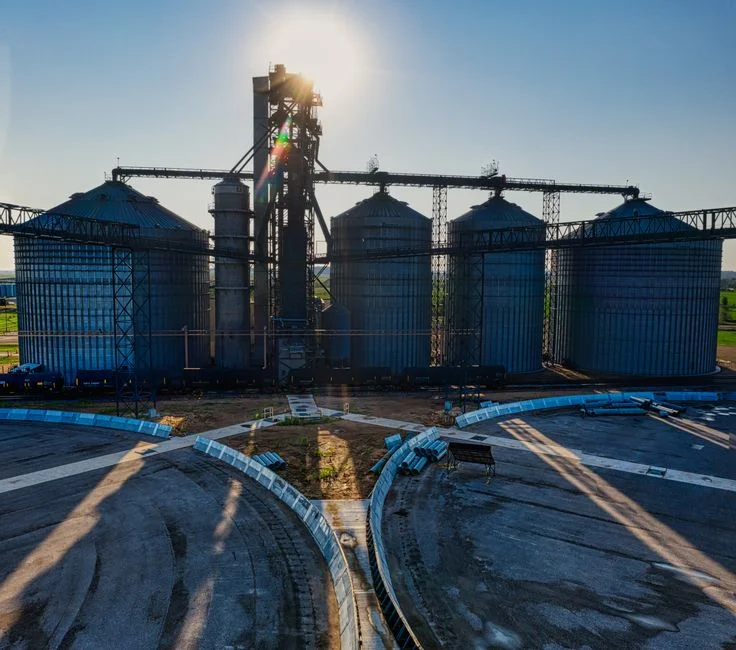
The matrix below distills the eight criteria that drive a 2026 capex decision for a 50-150 m³/h mining wastewater stream.
| Parameter | Dissolved Air Flotation (DAF) | Lamella Clarifier |
|---|---|---|
| TSS removal efficiency | 80-97% (WWDmag; wastewatermachinery mining case) | 70-90% on bulk TSS; up to 95% on coarse tailings (Ecologix, 2026) |
| Best influent TSS range | <500-2,000 mg/L (polishing duty) | >2,000 mg/L (bulk reduction duty) |
| Oil/lubricant removal | 95% (Ecologix food case, applicable to lube oils on crusher washwater) | ~70% (skim only, free oil) |
| Heavy-metal precipitation fit | Excellent for fines-bound metals after pH 8.5-9.5 raise with NaOH or lime | Good for precipitated flocks; struggles on colloidal fines |
| Footprint at 100 m³/h | ~12 m × 4.2 m rectangular (DAF-100 spec) | ~6 m × 3 m with inclined plates |
| Sludge dry solids output | 3-5% DS float (thicker, lower dewatering cost) | 1-2% DS underflow (higher dewatering cost) |
| Indicative CapEx (unit only, 100 m³/h) | $80K-180K for DAF-100 class | $40K-90K for comparable hydraulic capacity |
| OpEx driver | Compressed air + saturation pump energy | Higher polymer dose; lower kW |
| Best fit contaminant | Froth-floatable sulfides, oil-coated fines, reagent carryover | Coarse silica, coal refuse, aggregate washwater, high-TSS bulk |
The choice hinges on the dominant particle class, not the headline TSS number. A stream that is 90% coarse coal refuse above 75 μm at 5,000 mg/L belongs on a lamella; a stream at 800 mg/L with 200-400 mg/L of froth-floatable pyrite fines and residual kerosene from a flotation reagent belongs on DAF. The mining case study cited by Ecologix (2026) showed a clarifier reducing solids 90% at lower cost on a heavy-sediment load, which is the textbook fit for aggregate washwater.
When a Hybrid DAF + Clarifier Train Is the Right 2026 Answer
Most East Bernstadt operations handling both coarse tailings and froth-floatable fines require a hybrid train to meet compliance standards. The 2026 default specification is a hybrid train: a primary lamella clarifier for bulk TSS reduction, followed by DAF polishing for fines and reagent carryover, then chemical precipitation for dissolved metals (Ecologix, 2026; wastewatermachinery mining application note, 2025-12). This sequencing puts the cheapest unit in front of the most expensive one, drops the load on the DAF's air-saturation system, and produces two distinct sludge streams that can be blended or dewatered separately. Wastewatermachinery's industrial survey lists DAF application across 11+ industries, with mining/quarrying/aggregate as a primary segment (wastewatermachinery, 2025-12).
Footprint is a significant advantage, as a hybrid train at 100 m³/h typically fits in a 30-40% smaller envelope than two parallel single-stage units of equivalent capacity. The clarifier's sludge acts as a pre-coat that reduces the DAF's solids load by 60-80% before flotation. Operating cost bands for an East Bernstadt-scale plant (50-150 m³/h) are: clarifier first stage $0.15-0.30/m³ including chemical and power; DAF polishing adds $0.10-0.20/m³. Total hybrid OpEx lands in the $0.25-0.50/m³ range, which competes favorably with a single high-rate DAF on a like-for-like compliance basis. Pair the train with a PLC-controlled coagulant and flocculant dosing system sized for 100-500 mL/min polymer feed, and the train runs with one operator round per shift rather than continuous attention.
Selection Framework: Which Unit Should Your East Bernstadt Plant Specify?
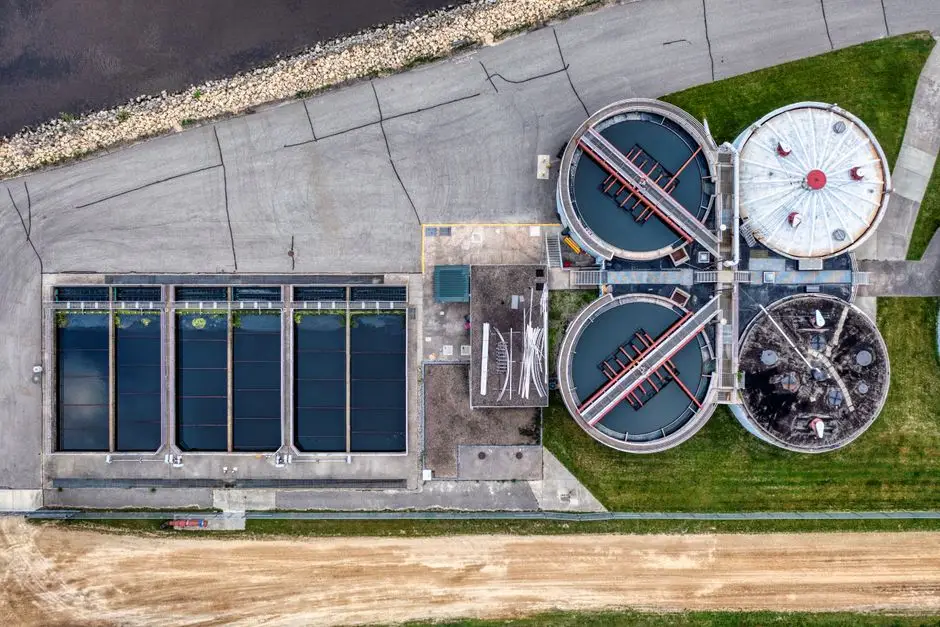
The three-branch framework below converts the matrix above into a defensible specification. Each branch maps to a different operating reality in the East Bernstadt region and ties back to a 40 CFR Part 440 compliance pathway.
| Decision Branch | Trigger Conditions | Recommended Unit | Compliance Anchor |
|---|---|---|---|
| Branch 1 — DAF only | TSS <500 mg/L; oil/grease or reagent present; fines with SG <1.2; need dissolved-metal polishing to <1 mg/L | DAF, 50-120 m³/h | 40 CFR Part 440 total recoverable metals; KPDES monthly avg |
| Branch 2 — Lamella only | TSS >2,000 mg/L; coarse mineral tailings >75 μm; tight CapEx; available footprint for rectangular basin | HydropureWater lamella clarifier, 50-200 m³/h | 40 CFR Part 440 TSS 30 mg/L monthly avg (coal prep subcat D) |
| Branch 3 — Hybrid train | Variable influent (500-8,000 mg/L); >2 contaminant classes; need both TSS and total recoverable metal compliance | Lamella primary + DAF polish + chemical precipitation | 40 CFR Part 440 combined limits; KPDES surface discharge |
Pair whichever branch you select with a PLC-controlled coagulant and flocculant dosing system to lock chemical ratios during feed swings, and a filter press for mining sludge dewatering to bring the 1-2% clarifier underflow or 3-5% DAF float to a handleable cake for landfill disposal. For context on how a similar hybrid spec plays out in a parallel industry, the DAF vs clarifier for fabricated metals wastewater guide walks through the same selection logic for steel and aluminum finishing. The industrial wastewater treatment engineering guide and the flocculant dosing unit selection guide cover the dosing-side mechanics in more depth.
Frequently Asked Questions
Can a DAF replace a clarifier in a mining plant?
No, not on a high-TSS feed. A DAF unit is optimized for influent below ~2,000 mg/L TSS; pushing 5,000-8,000 mg/L through a DAF overloads the air-saturation system and drops float solids below 2% DS. Use DAF as a polisher after a clarifier, not as a stand-alone primary.
What is the 2026 effluent limit for TSS in mining wastewater?
Under 40 CFR Part 440, the coal preparation subcategory D sets a 30 mg/L monthly-average and 50 mg/L daily-maximum TSS limit. Other ore mining subcategories range from 20-50 mg/L monthly average depending on the ore type and process water source (per EPA 40 CFR Part 440).
How much does a DAF system cost for a 100 m³/h mining plant?
Order-of-magnitude $80K-180K for the DAF-100 unit alone, with another 30-50% of that for installation, saturation air compressor, and skimmer drives. East Bernstadt-scale freight and rigging typically