Industrial wastewater treatment Naples FL projects must meet EPA NPDES limits of <30 mg/L BOD₅, <30 mg/L TSS, and <200 CFU/100mL fecal coliform. On-site DAF or MBR systems achieve 90–98% COD removal; CAPEX spans $80,000–$2.5M.
Industrial Wastewater Treatment Naples FL: Why Compliance Starts at the Plant
Industrial dischargers in Naples, FL face two parallel rulebooks: EPA NPDES limits for direct surface-water discharge and City of Naples local limits for sewer discharge. Pre-treatment to those limits — typically with DAF, MBR, or chemical dosing — runs from $20,000 for dosing skids to $2.5 million for large MBR trains.
Florida DEP Rule 62-620.410 has been read as mandating pre-treatment for industrial discharges to municipal sewers, with violations incurring fines up to $10,000/day per Florida Statute 403.161. Industrial facilities in Naples — manufacturing, food processing, and chemical production — generate complex streams that often exceed municipal discharge limits when untreated. The City of Naples Wastewater Treatment Facility, a 10 MGD Advanced Waste Treatment plant, routinely rejects influent with FOG (Fats, Oils, and Grease) above 100 mg/L, TSS above 250 mg/L, or lead (Pb) above 0.1 mg/L, all common in metalworking and food processing effluent (City of Naples Utilities data).
Non-compliance is not hypothetical locally. A Naples metal finishing plant faced $45,000 in fines in 2023 for repeatedly exceeding chromium discharge limits. A DAF pre-treatment system — an estimated $120,000 CAPEX with OPEX of $0.80/m³ (2026 data) — would have prevented those penalties outright.
Untreated industrial wastewater also carries environmental cost. Documented algal blooms in Naples Bay have been linked to nutrient loading from regional food processing plants. Effective treatment protects both the permit and the receiving water, and it is cheaper than either a fine or a shutdown.
Naples FL Industrial Wastewater EPA NPDES Compliance and Florida DEP Rule 62-620
Industrial facilities in Florida operate under effluent standards set through the EPA NPDES program and enforced by the Florida Department of Environmental Protection (DEP). According to the US EPA, the Clean Water Act bars discharging pollutants from a point source into waters of the United States without a permit, while discharges to a municipal sanitary sewer instead fall under local pretreatment rules. Permits are capped at five years, and renewal applications are due at least 180 days before expiration (US EPA, NPDES Permit Basics). For direct discharges under an EPA NPDES permit, industrial wastewater treatment in Naples must meet the following baseline limits:
| Parameter | EPA NPDES Limit (Florida) | City of Naples Pre-treatment Limit | Typical Industrial Source |
|---|---|---|---|
| BOD₅ (Biochemical Oxygen Demand) | <30 mg/L | N/A (pre-treatment for high-strength) | Food processing, chemical manufacturing |
| TSS (Total Suspended Solids) | <30 mg/L | <250 mg/L | Manufacturing, food processing |
| Fecal Coliform | <200 CFU/100mL | N/A | Food processing, biological processes |
| pH | 6–9 standard units | 6–9 standard units | Chemical manufacturing, metal finishing |
| FOG (Fats, Oils, Grease) | N/A (site-specific) | <100 mg/L | Food processing, restaurants |
| Chromium (Cr) | <0.1 mg/L (Total Cr) | <0.1 mg/L (Total Cr) | Metal finishing, electroplating |
| Copper (Cu) | N/A (site-specific) | <1.3 mg/L | Metalworking, electronics |
| Zinc (Zn) | N/A (site-specific) | <2.6 mg/L | Metalworking, galvanizing |
Florida DEP Rule 62-620 Industrial Pretreatment Requirements for Sewer Discharge
Chapter 62-620 of the Florida Administrative Code, "Wastewater Facility and Activities Permitting," governs the permitting pathway, and it prohibits introducing cyanide, PCBs, flammable liquids, or any pollutant that could interfere with the municipal plant or pass through untreated. Read the pretreatment conditions in your specific permit rather than relying on the rule number alone.
The City of Naples Utilities imposes its own local limits for industrial pre-treatment: TSS <250 mg/L, FOG <100 mg/L, and heavy metals including copper (Cu) <1.3 mg/L and zinc (Zn) <2.6 mg/L (per City of Naples Utilities data). Facilities considering on-site treatment must also navigate permitting. An Industrial Wastewater Permit (IWP) from Florida DEP typically takes 6–12 months of application review, requiring engineering reports, extensive sampling data, and process descriptions. Permits generally run five years before renewal. US EPA notes individual permits are site-specific and can take six months or longer, while general permits covering similar dischargers often move faster through a Notice of Intent (US EPA).
Facilities comparing programs across markets can review this guide to industrial wastewater treatment in Auckland, which faces the same pretreatment-versus-direct-discharge split.
Treatment Technologies: Removal Efficiencies and Use Cases
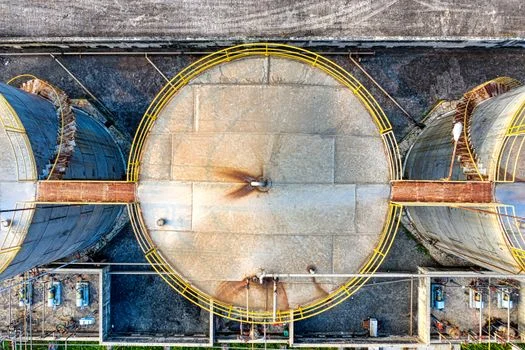
Technology selection in Naples hinges on influent characteristics, target effluent quality, and constraints like footprint and energy. Different technologies remove distinct pollutants, so a comparative analysis drives the design. A DAF system for high-efficiency TSS and FOG removal fits food processing wastewater, while an MBR system for near-reuse-quality effluent suits high-strength organic loads from pharmaceutical plants.
| Technology | Primary Pollutant Target | Removal Efficiency (%) | Typical Influent Quality (TSS, COD, FOG) | Footprint (m²/m³/h) | Energy Use (kWh/m³) | CAPEX ($/m³/h) |
|---|---|---|---|---|---|---|
| Dissolved Air Flotation (DAF) | FOG, TSS, colloidal solids | FOG: 95+, TSS: 90–95 | TSS: 100-1,000 mg/L, COD: 200-2,000 mg/L, FOG: 50-500 mg/L | 0.15–0.25 | 0.3–0.5 | $8,000–$12,000 |
| Membrane Bioreactor (MBR) | BOD, COD, TSS, pathogens | BOD/COD: 95+, TSS: 99+, Pathogens: 99.99+ | TSS: 50-500 mg/L, COD: 500-5,000 mg/L, FOG: <50 mg/L | 0.05–0.10 | 0.8–1.2 | $10,000–$20,000 |
| Chemical Dosing | pH, heavy metals, phosphorus | pH adjustment: >99, Heavy Metals: 90–99 | Variable (pH, metal concentration) | 0.01–0.05 | 0.05–0.10 | $500–$2,000 |
| Activated Sludge (Conventional) | BOD, COD, TSS | BOD/COD: 85–95, TSS: 80–90 | TSS: 100-300 mg/L, COD: 200-1,000 mg/L, FOG: <30 mg/L | 0.30–0.50 | 0.4–0.7 | $5,000–$10,000 |
Dissolved Air Flotation (DAF) removes FOG at typically 95%+ and TSS at 90–95%, which makes it the default first stage for food processing, meatpacking, and metalworking facilities. The DAF units operate at hydraulic loading rates of 4–8 m/h, separating lighter solids and oils through micro-bubble generation. In one Naples case, a food processing plant cut TSS from 800 mg/L to below 30 mg/L with a DAF-50 unit — a $180,000 CAPEX that saved an estimated $30,000 per year in municipal surcharges.
For high-strength wastewater from pharmaceuticals or textiles, an MBR system for near-reuse-quality effluent delivers under 5 mg/L TSS and over 95% COD removal. The DF series MBR systems use 0.1 μm membranes, producing effluent often suitable for non-potable reuse. Wikipedia's technical review notes submerged MBRs hold mixed liquor at 12,000–20,000 mg/L with typical HRT of 3–10 hours — the operating window behind that compact footprint.
Heavy Metal Pretreatment Limits Naples Industrial Discharge Programs Enforce
Heavy metals decide many Naples discharge consents: chromium (Cr) sits at <0.1 mg/L total, copper (Cu) at <1.3 mg/L, and zinc (Zn) at <2.6 mg/L under City of Naples local limits. Meeting them takes precipitation chemistry, not biology. A chemical dosing system for pH adjustment and heavy metal precipitation holds discharge within the 6–9 pH range and precipitates metals such as Cr³⁺ using NaOH to form Cr(OH)₃↓. Typical coagulant dosing with ferric chloride or alum runs 50–200 mg/L — precise control is the difference between passing and failing a metals scan.
Cost Breakdown: Industrial Wastewater Treatment Systems in Naples (2026 Data)
CAPEX and OPEX for Naples systems vary with flow rate, technology, and site conditions, so budget from benchmarks rather than catalog prices. The 2026 table below covers equipment, installation, civil works, and operating cost for the main system types. Use it to frame vendor quotes, not to replace them.
| Technology Type | Flow Rate (m³/h) | Equipment CAPEX ($) | Installation & Civil Works CAPEX ($) | Total Estimated CAPEX ($) | Annual OPEX ($/m³) | Key OPEX Components |
|---|---|---|---|---|---|---|
| DAF System | 10 | $60,000 | $20,000 | $80,000 | $0.50–$1.00 | Chemicals (coagulant, flocculant), energy (air compressor, pump) |
| DAF System (e.g., DAF-50) | 50 | $120,000 | $60,000 | $180,000 | $0.80–$1.20 | Chemicals, energy, routine maintenance, sludge disposal |
| DAF System (e.g., DAF-100) | 100 | $300,000 | $200,000 | $500,000 | $0.90–$1.20 | Chemicals, energy, labor (part-time), sludge disposal |
| MBR System (e.g., DF series) | 50 (1,200 m³/day) | $350,000 | $150,000 | $500,000 | $1.50–$1.80 | Energy (aeration, pump), membrane cleaning chemicals, membrane replacement (every 5-8 years) |
| MBR System | 200 (4,800 m³/day) | $800,000 | $400,000 | $1,200,000 | $1.80–$2.00 | Energy, membrane replacement, chemicals, skilled labor, maintenance |
| MBR System | 500 (12,000 m³/day) | $1,700,000 | $800,000 | $2,500,000 | $1.80–$2.20 | Energy, membrane replacement, chemicals, dedicated labor, maintenance |
| Chemical Dosing System (Skid-mounted) | Variable | $15,000 | $5,000 | $20,000 | $0.10–$0.50 | Coagulants, flocculants, pH adjusters, energy (pump) |
| Automatic Chemical Dosing System | Variable | $30,000 | $5,000 | $35,000 | $0.15–$0.50 | Coagulants, flocculants, pH adjusters, energy, minor maintenance |
DAF capital costs run from $80,000 for 10 m³/h units to $500,000 for 100 m³/h systems, with OPEX of $0.50–$1.20/m³ driven by chemicals and compressor energy. A DAF-50 (50 m³/h) costs roughly $180,000 installed at an OPEX near $0.80/m³. Chemical dosing systems are the modest line: $20,000–$100,000 CAPEX and $0.10–$0.50/m³ OPEX, with an automatic pH-adjustment unit installed for about $35,000.
MBR System CAPEX for Industrial Wastewater 2026 Benchmarks
MBR CAPEX runs from $500,000 for a 50 m³/h unit (1,200 m³/day) to $2.5 million at 500 m³/h (12,000 m³/day), with OPEX of $1.50–$2.00/m³. A 200 m³/day MBR costs around $1.2 million installed at $1.80/m³ OPEX — aeration energy and membrane replacement every 5–8 years are the recurring drivers. Payback still comes fast where surcharges bite: a 100 m³/h system treating 2,000 mg/L COD influent can pay back in 3–5 years by avoiding $50,000+ in annual surcharges.
How to Select the Right Wastewater Treatment System for Your Naples Facility
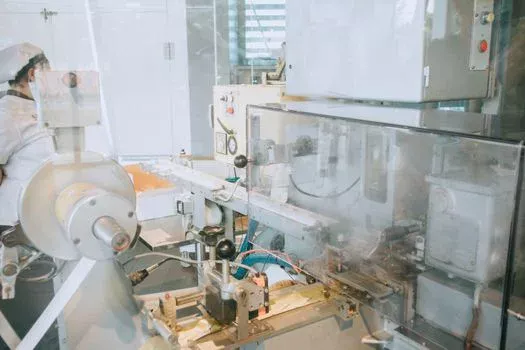
Selection starts with a detailed analysis of your wastewater stream — TSS, COD, FOG, and heavy metal concentrations — because that data, not vendor preference, should pick the technology. For wider context, global benchmarks for wastewater treatment costs and compliance show how the same decision plays out under a different regulator. Work through the framework below in order.
- Assess Influent Quality:
- High FOG and TSS (e.g., food processing, meatpacking): DAF (Dissolved Air Flotation) is typically the most efficient primary treatment.
- High BOD/COD with low FOG (e.g., pharmaceuticals, chemical plants): MBR (Membrane Bioreactor) or activated sludge is often required for biological degradation.
- Heavy metals or extreme pH (e.g., metal finishing, electroplating): Chemical dosing for precipitation and pH adjustment is essential, often as a pre-treatment step.
- Evaluate Effluent Requirements:
- Discharge to municipal sewer: Pre-treatment to meet City of Naples local limits (e.g., TSS <250 mg/L, FOG <100 mg/L).
- Direct discharge to surface water or reuse: MBR or advanced tertiary treatment may be necessary to meet stringent EPA NPDES or reuse standards (e.g., <5 mg/L TSS).
- Consider Site Constraints:
- Space limitations: MBR systems are compact, requiring up to 60% less space than conventional activated sludge systems (e.g., a 200 m³/day MBR fits in 50 m² compared to 120 m² for CAS). For buried installations, the Underground Package Sewage Treatment Plant (WSZ Series) frees the surface entirely.
- Energy costs: DAF systems typically use 0.3–0.5 kWh/m³, while MBR systems use 0.8–1.2 kWh/m³. With Naples' average electricity cost at $0.12/kWh, energy efficiency can significantly impact OPEX.
- Budget and ROI:
- Compare CAPEX (equipment, installation, civil works) and OPEX (chemicals, energy, labor, maintenance, sludge disposal) for different technologies. Calculate payback periods based on avoided surcharges and potential for water reuse.
Before finalizing a system, ask these five critical questions:
- Does your wastewater contain emulsified oils or high levels of suspended solids? → A DAF system for your industrial wastewater is likely required.
- Is space limited at your facility, or do you need near-reuse-quality effluent? → An MBR system is preferred.
- Are heavy metals or pH imbalances a primary concern in your discharge? → A chemical dosing system is indispensable.
- What are your long-term operational costs, including energy and chemical consumption? → Analyze OPEX thoroughly.
- Does the vendor offer local service, compliance expertise, and turnkey installation? → Crucial for reliable support.
For example, in food processing wastewater treatment case studies and cost benchmarks, DAF is often the primary choice. Buyers running multi-site programs also rate the Ajman Industrial Effluent Guide: 2026 Specs and Compliance useful for comparing consent structures. Either way, pick a vendor with proven compliance expertise and a real local service network. Request a quotation with your flow rate and discharge targets to get a sized CAPEX/OPEX envelope for your facility.
Frequently Asked Questions
What are the penalties for exceeding Naples industrial wastewater limits?
Facilities exceeding limits face fines up to $10,000 per offense under Florida Statute 403.161, with each day of violation counted as a separate offense. Willful pollution rises to a third-degree felony carrying up to $50,000 and five years' imprisonment (Florida Senate, F.S. 403.161). The City of Naples can also impose surcharges of $0.50 to $2.00/m³ for discharges exceeding TSS or BOD limits.
Can I discharge industrial wastewater directly to the sewer without pre-treatment?
No. Industrial discharges to the municipal sewer require pre-treatment under Florida DEP Chapter 62-620 permitting, and the City of Naples AWT facility rejects influent with TSS above 250 mg/L or FOG above 100 mg/L. On-site DAF or chemical dosing pre-treatment is the standard fix before sewer discharge.
How much does a DAF system cost for a 50 m³/h food processing plant?
A 50 m³/h food processing plant should budget $180,000–$220,000 CAPEX for a DAF-50 system, including equipment and installation. OPEX runs approximately $0.80/m³, covering chemicals and energy. Facilities paying $50,000/year in surcharges can expect a payback period of 2–3 years.
What's the difference between DAF and MBR for industrial wastewater?
DAF removes FOG and TSS at 90–95% efficiency for roughly $0.50/m³ OPEX. MBR treats dissolved organics biologically and filters effluent to under 5 mg/L TSS suitable for reuse, at roughly $1.80/m³ OPEX. Choose DAF when fats and solids dominate the load; choose MBR when dissolved BOD/COD or reuse quality drives the permit.
Do I need a permit for an on-site wastewater treatment system in Naples?
Yes. Any on-site system discharging to surface water or the municipal sewer needs an Industrial Wastewater Permit (IWP) from Florida DEP. Applications typically take 6–12 months and require engineering reports plus comprehensive sampling data. US EPA notes NPDES permits run five years maximum, with renewal applications due at least 180 days before expiry.
Related Equipment
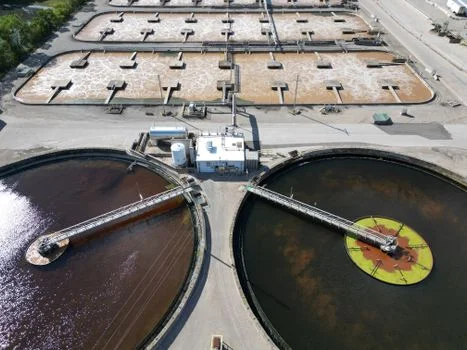
The following HydropureWater products are engineered for the wastewater challenges discussed above:
- compact wastewater treatment system for small industrial facilities — view specifications, capacity range, and technical data
Need a customized solution? Request a free quote with your specific flow rate and pollutant parameters.