Why Houston Fabricated Metals Plants Need a Specific DAF vs Clarifier Answer
Houston fabricated metals plants in 2026 should choose a DAF as the primary unit when the stream is dominated by emulsified oils, FOG, and fine suspended solids (DAF removes ~95% of oils vs ~70% for a clarifier), and add a lamella clarifier downstream when metal-hydroxide sludge is heavy. For low-FOG, high-TSS finishing rinse water, a lamella clarifier alone is the lower-OPEX choice.
The typical Houston fab-shop stream is not a generic industrial wastewater. Cutting, stamping, welding, and coating operations produce a mix of emulsified cutting oils, stamping lubricants, drawing compounds, welding flux residues, and rinse-water carrying dissolved metals — typically iron, zinc, nickel, chromium, and aluminum — at pH 6–10. That mixture breaks the usual "DAF or clarifier" decision in half: oils and FOG pull the design toward flotation, while metal-hydroxide flocs generated by pH adjustment pull it toward gravity sedimentation.
That tension is why a one-size-fits-all answer fails for plants in the Houston, Channelview, Pasadena, La Porte, and Deer Park industrial corridors. The 2026 regulatory frame is 30 TAC Chapter 305 administered by TCEQ, layered with the EPA's 40 CFR Part 433 Metal Finishing categorical pretreatment standards, plus local Houston POTW limits that often run stricter on FOG than federal baselines. A decision guide that ignores the dual nature of this stream — and the dual regulatory stack — leads to over-specified CAPEX or non-compliance surcharges.
How a DAF System Works on a Fab Shop Stream
A dissolved air flotation unit separates contaminants by attaching micro-bubbles to oil droplets and fine suspended solids, then floating that agglomerate to the surface for skimming. A pressurized recycle stream — typically 20–40% of the forward flow — is saturated with air in a saturator vessel at 4–6 bar, then released through a pressure-relief valve near the center of the flotation tank. The pressure drop nucleates a cloud of 10–100 µm bubbles that attach to oil and TSS, lifting them in 3–5 minutes (per ClearStream, 2026).
On a fabricated-metals stream, typical DAF removals are 80–95% TSS, 90–95% FOG, and 60–80% free oil depending on emulsion stability and polymer chemistry. DAF is forgiving on flow surges: a properly sized unit can absorb 50% peak shift swings without breaking the float blanket.
Configurations common in fab shops include circular units under ~50 ft diameter with a torque-tube drive and rotating skimmer for compact footprints, and rectangular units that ship fully shop-assembled, often with integral coagulation and flocculation chambers, ideal for narrow sites or retrofit into an existing concrete basin. The HydropureWater DAF system covers 4–300 m³/h across 13 models, which brackets the typical 20–80 m³/h flow range seen at a single fab line.
How a Lamella Clarifier Works on a Fab Shop Stream
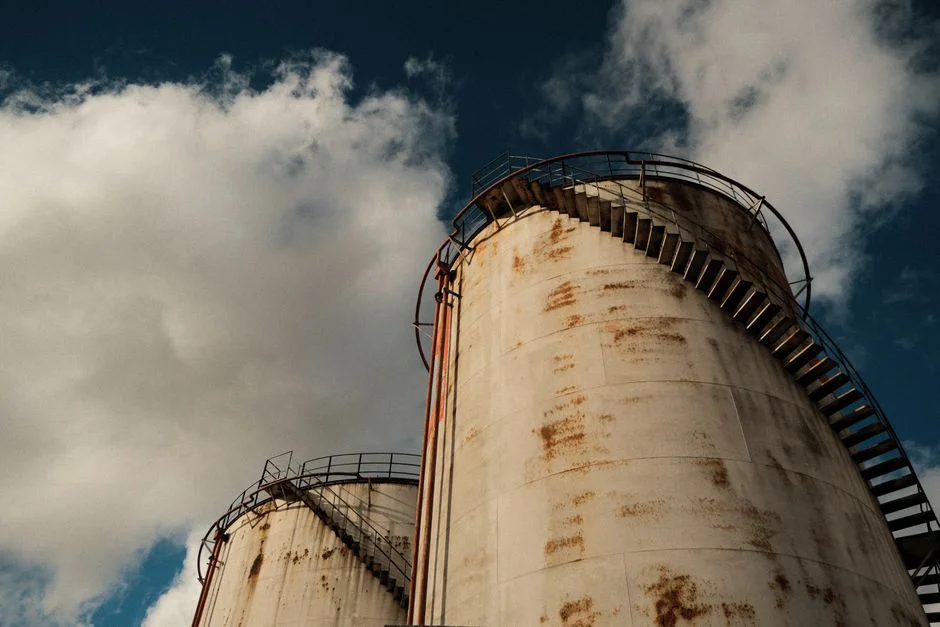
A lamella clarifier separates suspended solids by passing flocculated water upward through a stack of parallel plates inclined at 55–60°. The plates multiply the effective settling area inside a small tank footprint; flocs settle onto the plate surfaces and slide down into a hopper as clarified water rises through the plate pack. Typical surface loading rates run 20–40 m/h (per HydropureWater spec), about ten times what a conventional clarifier achieves on the same floor area.
On a fabricated-metals stream, a lamella clarifier delivers 70–90% TSS removal, <50% FOG on emulsified oil, and handles metal-hydroxide and inorganic flocs cleanly at pH 8–10.5. The clarifier's strength is settling dense, heavy floc; its weakness is emulsified oil, which passes through unless preceded by oil-water separation or DAF. Coagulant demand is reduced by up to 30% through internal sludge recirculation, where settled solids contact incoming feed and act as a nucleating blanket (HydropureWater spec, 2026).
For fab plants looking at footprint and OPEX, the HydropureWater lamella clarifier is the relevant sizing reference in the high-efficiency sedimentation tank line. Choosing between these technologies requires a direct comparison of performance metrics for specific Houston waste profiles.
DAF vs Clarifier: 2026 Comparison for Fabricated Metals
The table below provides a comparison to drive your 2026 CAPEX decision. Numbers reflect typical operating ranges for fabricated-metals pretreatment; site-specific jar testing is required for bid specs.
| Parameter | Dissolved Air Flotation (DAF) | Lamella Clarifier |
|---|---|---|
| Target contaminant | FOG, emulsified oil, fine TSS | Metal-hydroxide floc, inorganic TSS |
| TSS removal | 80–95% | 70–90% |
| FOG / oil removal | 90–95% (Ecologix, 2026) | <50% on emulsified oil |
| Footprint | Compact, 2–3 m² per 10 m³/h | Medium, 4–6 m² per 10 m³/h |
| CAPEX (20–50 m³/h) | Lower-six-figure USD | High-five-figure USD |
| OPEX drivers | Air compressor, polymer, skimmer maintenance | Lower polymer, no compressor, periodic plate cleaning |
| Sludge dryness | Float ~3–6% DS, easy to dewater | Underflow ~1–3% DS, harder to dewater |
| Chemical compatibility | pH 5–9, polymer + coagulant | pH 8–10.5, ideal for metal precipitation |
| Flow variability | Tolerates ±50% peak shift swings | Sensitive to hydraulic surges; needs equalization |
| Houston climate fit | Covered units handle summer odor and heat; enclosed basin reduces FOG odor complaints | Open concrete basin handles large rainfall-driven flow swings if sized for storm surge |
| Retrofit friendliness | Rectangular shop-assembled units drop into existing concrete basins | Lamella pack retrofits into old clarifier shells; new hopper often required |
DAF wins decisively on FOG and oil (95% vs 70% per Ecologix, 2026), and a lamella clarifier wins on heavy inorganic solids and OPEX. A typical mining operation using a clarifier reduced solids by 90% at lower cost than a comparable DAF (Ecologix, 2026) — that pattern holds for the metal-hydroxide-dominated side of a fab stream.
Decision Flow: Which One Should Your Houston Fab Plant Choose?
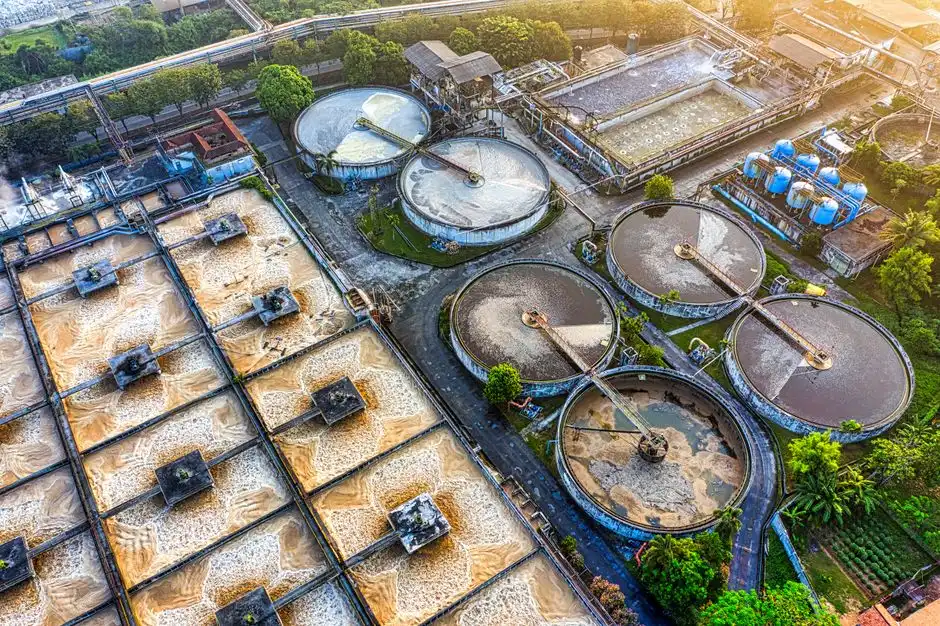
Match the unit to your dominant contaminant, not your average influent number. A blended stream requires a blended answer.
- FOG > 200 mg/L or visible oil sheen: choose DAF as the primary unit. Emulsified oil at this load will pass through a clarifier and bury the polymer demand. A HydropureWater DAF system sized to peak shift flow handles the load and feeds a clean underflow to a downstream clarifier if needed.
- TSS > 500 mg/L and FOG < 100 mg/L, mostly inorganic metal-hydroxide floc: choose a lamella clarifier as the primary unit. Skip the air compressor and the polymer load; gravity does the work.
- Mixed stream: choose DAF primary + lamella clarifier polishing, sized for peak shift flow. DAF removes the oil and the bulk of the light TSS; the lamella polishes the metal-hydroxide floc to hit 40 CFR Part 433 limits on zinc, nickel, and chromium.
- Flow < 20 m³/h with low variability: a rectangular shop-assembled DAF is the fastest to install and avoids civil work (per ClearStream, 2026).
- Existing concrete basin present: retrofit a rectangular DAF into it instead of pouring new tanks. The cost delta vs new civil is often 30–40% of installed CAPEX.
If your stream has both cutting-oil emulsions and heavy zinc or chromium rinse water — which is most Houston fab shops — the answer is hybrid, not single-unit. Cross-reference the Powhatan fabricated metals DAF vs clarifier guide for a parallel decision logic outside the Houston regulatory frame.
2026 Costs, Footprint, and ROI for a Houston Installation
For a single fab line in the 20–50 m³/h range, a rectangular DAF skid typically lands in the lower-six-figure USD band for equipment; a lamella clarifier in the same flow range lands in the high-five-figure band. Houston installation labor runs below coastal averages, but TCEQ permit fees and POTW connection-review charges add 5–10% to the project. The HydropureWater DAF system and the lamella model line in this range are reasonable proxy references for 2026 bid prep.
OPEX: the DAF air compressor and polymer demand drive 15–25% higher annual OPEX than a clarifier alone, but the offset comes from sludge hauling — DAF float runs 3–6% DS and dewaters well in a plate press, while clarifier underflow at 1–3% DS doubles or triples the wet tons hauled. For plants with oil-recovery credits or a downstream plate and frame filter press already in line, the net OPEX crossover typically lands inside 18 months.
Houston-specific drivers include potential eligibility under TIERS for high-efficiency DAF retrofits that cut volatile organic emissions from open oil basins, and lower hurricane-related downtime risk if the DAF is enclosed. Pair either unit with an automatic chemical dosing system to stabilize the floc blanket and avoid the over-feed failure mode that drives most fab-plant compliance excursions.
Houston Compliance and Hybrid System Design
40 CFR Part 433 sets the categorical pretreatment standards for metal finishing: daily-maximum limits on total chromium, nickel, zinc, lead, total suspended solids, and oil & grease. TCEQ 30 TAC Chapter 305 layers state requirements on top, and the Houston POTW pretreatment program frequently tightens FOG to 100 mg/L daily max. A single unit rarely hits both the federal metals and the local FOG number on a mixed fab stream.
That is why the 2026 best-practice train for a Houston fab plant is hybrid: DAF primary → lamella clarifier polishing → chemical precipitation pH adjustment for residual dissolved metals → sludge to a plate and frame filter press for dewatering to 25–35% DS before off-site disposal. DAF hits the FOG and the bulk TSS, the lamella cuts the residual metal-hydroxide floc, and pH adjustment with NaOH or lime drops dissolved zinc and nickel below detection before discharge. The plate press is the natural downstream step because DAF float at 3–6% DS dewaters efficiently in a recessed-chamber or plate-and-frame press, unlike clarifier underflow which dilutes the feed.
For more on the metal-specific chemistry, see the guide on removing zinc from industrial wastewater in 2026 and the parallel piece on removing chromium from wastewater in 2026.
Frequently Asked Questions
Should a Houston fabricated metals plant choose DAF or a clarifier as the primary unit in
Frequently Asked Questions
Should a fabricated metals plant in Houston use a DAF or a clarifier?
The choice depends primarily on the concentration and density of the suspended solids and free oils in your wastewater stream. If your facility processes high volumes of emulsified oils, greases, or light metal fines, a Dissolved Air Flotation (DAF) unit is generally superior because it floats light contaminants for surface skimming. If your waste stream consists primarily of heavy metal hydroxides or dense inorganic precipitates, a lamella clarifier is more effective as it relies on gravity settling to consolidate sludge at the hopper bottom.
In the Houston climate, biological growth in equalization tanks can also influence this decision. DAF systems provide aeration that can help mitigate odors and septicity in holding tanks, whereas clarifiers may require more frequent manual cleaning or chemical biocides to prevent biofilm buildup in the plate packs.
How efficient is a DAF at removing oil and grease compared to a clarifier?
A DAF system typically achieves 85% to 95% removal efficiency for free-floating oil and grease, provided that proper chemical coagulation and flocculation are performed upstream. Because DAF units utilize micro-bubbles to increase the buoyancy of particles, they excel at removing non-emulsified oils that have specific gravities near or below 1.0, which often remain suspended in a standard settling clarifier.
In contrast, a clarifier is largely ineffective at removing free oil, as oil droplets tend to rise rather than settle, leading to surface scum layers that can blind or foul settling plates. While a clarifier can remove 80% to 90% of settleable metal solids, it will likely fail to meet discharge requirements for oil and grease without the addition of a DAF or an advanced membrane filtration system.
Can a DAF and a clarifier be used together in a metal finishing line?
Yes, this is a common high-performance configuration known as a treatment train. In this setup, the DAF acts as a primary treatment stage to remove bulk oils, greases, and floatable solids, protecting the downstream process from organic loading. The effluent from the DAF is then directed into a lamella clarifier, which serves as a polishing stage to remove the remaining dense metal hydroxides and fine precipitates that did not float.
Using these technologies in series is often necessary for Houston facilities that discharge to a POTW with stringent limits on both Total Suspended Solids (TSS) and Oil & Grease (O&G). This combination ensures that the final effluent meets regulatory standards even when the influent metal finishing waste characteristics fluctuate significantly throughout the production shift.
What is the typical CAPEX and OPEX for a DAF versus a lamella clarifier in 2026?
As of 2026, a standard lamella clarifier has a lower entry-level CAPEX, typically ranging from $35,000 to $85,000 depending on flow rate and material construction (typically 304 or 316 stainless steel). A DAF unit carries a higher CAPEX, generally ranging from $60,000 to $150,000, due to the inclusion of air saturation pumps, pressure vessels, and complex skimmer mechanisms.
OPEX trends show that DAF systems are more expensive to operate, requiring higher electricity consumption for the recycle pump and air compressor, along with the ongoing cost of flocculant and coagulant chemicals. Clarifiers have a lower OPEX, primarily consisting of sludge disposal costs and periodic maintenance for plate pack cleaning, but they may incur higher indirect costs if the effluent quality necessitates additional chemical polishing to meet discharge permits.
What are the TCEQ and 40 CFR Part 433 discharge limits that drive the choice for Houston fab shops?
Fabricated metal shops in Houston must comply with 40 CFR Part 433 (Metal Finishing Point Source Category), which sets strict daily maximums and monthly averages for pollutants such as Cadmium, Chromium, Copper, Lead, Nickel, Silver, Zinc, and Total Toxic Organics. For example, the daily maximum for Total Chromium is 2.77 mg/L, and for Copper, it is 3.38 mg/L.
The Texas Commission on Environmental Quality (TCEQ) enforces these federal standards and often adds local limits for Oil and Grease (typically capped at 100 mg/L) and pH (typically 6.0 to 9.0). If your facility’s wastewater analysis shows frequent exceedances of these metal limits, a clarifier is mandatory for metal precipitation. If your process includes machining or cutting fluids that push O&G levels above 100 mg/L, the addition of a DAF is the standard engineering solution to ensure compliance with the local Houston discharge permit.