
Why Pickens Petroleum Plants Face a DAF-vs-Clarifier Decision in 2026
A Pickens-area petroleum terminal, asphalt plant, lube blender, or small refinery generates a wastewater mix that breaks a generic clarifier and exposes the plant to a 40 CFR 419 enforcement action. The streams hitting the headworks are not food-plant FOG or municipal grit — they are desalter brine carrying 200–2,000 mg/L total dissolved solids, slop-oil emulsions stabilized by surfactants, API separator skimmings re-blended into the equalization basin, hydrotest water from pipeline and vessel commissioning, and lube-blending washdown loaded with paraffinic and naphthenic oils. 40 CFR 419 is the U.S. EPA categorical standard governing petroleum refining point-source discharges, and its BAT effluent expectation for oil and grease sits at <15 mg/L daily max, with TSS and pH limits set per subpart (40 CFR 419, 2026). Plants discharging to a Pickens-area POTW also fall under the South Carolina Department of Environmental Services (formerly SCDHEC) industrial pretreatment program, which layers local oil and grease, TSS, pH, and metals limits on top of 40 CFR 419. The 2026 tension is real: a gravity clarifier is cheap to install and familiar to operations, but its Stokes-law mechanism fails on emulsified oil below ~20 µm. A dissolved air flotation unit costs more in capex and runs a saturator at 4–6 bar(g), but it reliably hits 80–95% FOG removal in 20–60 minutes on exactly the colloidal, surfactant-stabilized streams a Pickens desalter or slop-oil tank produces. This article walks the spec engineer from influent recognition through unit mechanics, the 2026 design parameters, the decision matrix, the hybrid train most 2026 P&IDs actually use, and the CAPEX/permit paperwork needed before signing the PO.
What Each Unit Actually Does to Oil Droplets, Emulsions, and Solids
A dissolved air flotation unit separates oil, FOG, and colloids by buoyancy rather than by mass. Pressurized recycle water saturated with air at 4–6 bar(g) flashes to atmospheric pressure in the contact zone, nucleating a dense cloud of 10–100 µm micro-bubbles that attach to pre-flocculated feed particles and oil droplets in the 50–500 µm range (per HydropureWater 2026 DAF design criteria). The bubble–floc agglomerate has an effective specific gravity well below 1.0, so the mass rises to the surface as a float blanket in 20–60 minutes, and a surface skimmer drives the float to a launder at 0.5–3 m/min. A gravity clarifier does the opposite: it relies on Stokes-law settling, where particle settling velocity scales with the square of the diameter and the specific-gravity difference between the droplet and the surrounding water. Free oil >150 µm separates easily in either device; emulsified oil in the 5–50 µm range sits below the practical settling cut-off, which is why a clarifier on a stable emulsion typically stalls at 50–70% FOG removal while a DAF on the same feed reaches 80–95% (HydropureWater 2026 field comparison; food-processing case documented at 95% DAF vs 70% clarifier). The traditional refinery predecessor — the API separator — still appears in P&IDs as a corrugated plate interceptor (CPI) for free-oil gross separation, but 2026 best practice skips a standalone API as the primary step and instead routes CPI overflow directly to a DAF when the stream carries emulsified hydrocarbons. Lamella plates inside a clarifier compress the footprint by giving settleable solids a short, angled settling path, but lamella does not change the fundamental size cut-off; it only changes the tank plan area.
2026 DAF Design Parameters a Pickens Refinery Must Lock In
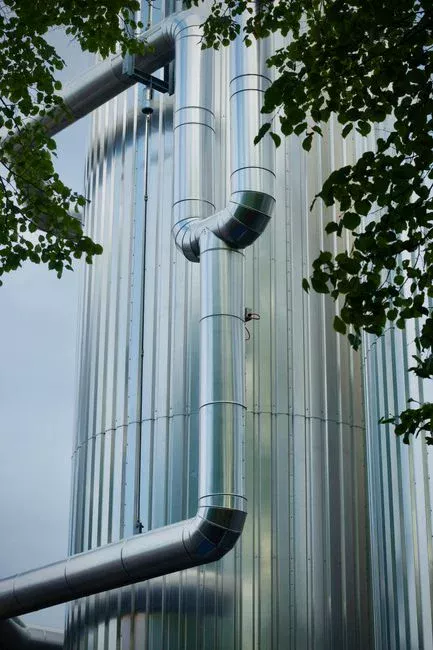
Specifying a DAF for petroleum service is not the same exercise as specifying one for a dairy or a brewery. The design parameters below are the numbers a process engineer in Pickens should expect to defend in a CAPEX review and a SCDES pretreatment submittal, drawn from the 2026 HydropureWater design criteria range and from saturated-recycle hydraulics common to packaged refinery DAFs.
| Parameter | 2026 range for refinery service | Refinery-specific guidance |
|---|---|---|
| Hydraulic loading / surface overflow rate (SOR) | 5–25 m/h; size 10–20 m/h | Stay ≤20 m/h to avoid short-circuiting on desalter effluent (per HydropureWater 2026) |
| Air-to-solids ratio (A/S) | 0.020–0.060 kg air / kg TSS | Use 0.035–0.060 for high-FOG or colloidal desalter brine |
| Recycle ratio | 20–40% | Upper end for emulsified hydrocarbons; trades kWh for float stability |
| Saturator pressure | 4–6 bar(g) | Below 4 bar A/S collapses; above 6 bar compressor cost spikes disproportionately |
| Flocculation retention | 10–30 min | Pair with a HydropureWater automatic coagulant and flocculant dosing skid paced on flow |
| Separation-zone retention | 20–60 min | 20–30 min for light colloidal; upper end for high-FOG streams |
| Contact-zone retention | 1–3 min | Where micro-bubbles nucleate on flocs as recycle drops from 4–6 bar to atmospheric |
| Skimmer speed | 0.5–3 m/min | Higher speed for thicker float blankets on slop-oil streams |
| Materials of construction | 304/316 SS or epoxy-lined CS | Stainless for hot, chloridic, or high-TDS refinery feeds; epoxy-lined CS for cooler, milder streams (per HydropureWater 2026) |
For a packaged unit that meets these ranges, see a HydropureWater DAF system reference design. The 4–6 bar saturator band is the most efficient A/S lever in the system because Henry's-law air solubility roughly doubles across that pressure range, so raising pressure buys more bubble mass per cubic meter of recycle than raising the recycle ratio does — at the cost of compressor specific power. Dropping below 4 bar causes a patchy float blanket and rising effluent TSS; pushing past 6 bar raises compressor maintenance cost without proportional removal gain.
DAF vs Gravity Clarifier: A Refinery-Tuned Decision Matrix
The matrix below is the centerpiece of the spec defense. It pairs the 2026 generic DAF-vs-clarifier decision rule with the refinery-stream overlay a Pickens engineer actually faces at the headworks.
| Criterion | DAF (dissolved air flotation) | Gravity clarifier (incl. lamella) |
|---|---|---|
| Removal mechanism | Micro-bubble flotation (buoyancy) | Stokes-law gravity settling |
| Footprint at equal hydraulic rating | 3–5× smaller; ~0.05–0.10 m² per m³/h | Larger; ~0.20–0.50 m² per m³/h with lamella |
| Capex (packaged 50–200 m³/h) | Low-to-mid six figures USD | Roughly 40–60% of DAF capex |
| OPEX drivers | Saturator, recycle pump, air compressor, polymer | Sludge scraping, lamella cleaning, larger floc tank |
| FOG removal | 80–95% in 20–60 min | ~50–70% on emulsified feed |
| TSS removal | 80–95% | 60–85% on settleable solids |
| Oil droplet size captured | Effective on 5–50 µm emulsified oil | Effective only on >~20 µm free oil |
| Sensitivity to emulsifiers / surfactants | Tolerates with proper flocculation | Performance collapses on stable emulsions |
| Sensitivity to temperature swings | Modest; saturator pressure compensates | Viscosity changes settling velocity directly |
| Refinery stream fit | Desalter brine, slop oil, lube wash water, hydrotest water with emulsified hydrocarbons | Cooling-tower blowdown with hardness scale and grit, sand-laden storm runoff |
The 2026 selection rule is simple enough to defend in one sentence in a SCDES review: if FOG is above 50 mg/L or if colloidal material dominates, pick a dissolved air flotation unit; if settleable TSS is above 70% of total suspended solids and FOG is below 50 mg/L, pick a clarifier. The refinery overlay tightens this further. Desalter brine, slop-oil emulsion, lube wash water, and hydrotest water all carry colloidal or surfactant-stabilized hydrocarbons and belong on the DAF side. Cooling-tower blowdown with hardness scale and grit, and crude-tank draw-off with mixed character, typically route to a hybrid DAF primary followed by a lamella clarifier polish using a HydropureWater lamella clarifier for residual settleable solids. A standalone clarifier is rarely the right answer on a petroleum stream in 2026; a standalone DAF without a downstream polish works only when FOG is the dominant pollutant and settleable solids are minor.
Hybrid Trains Pickens Refineries Are Specifying in 2026
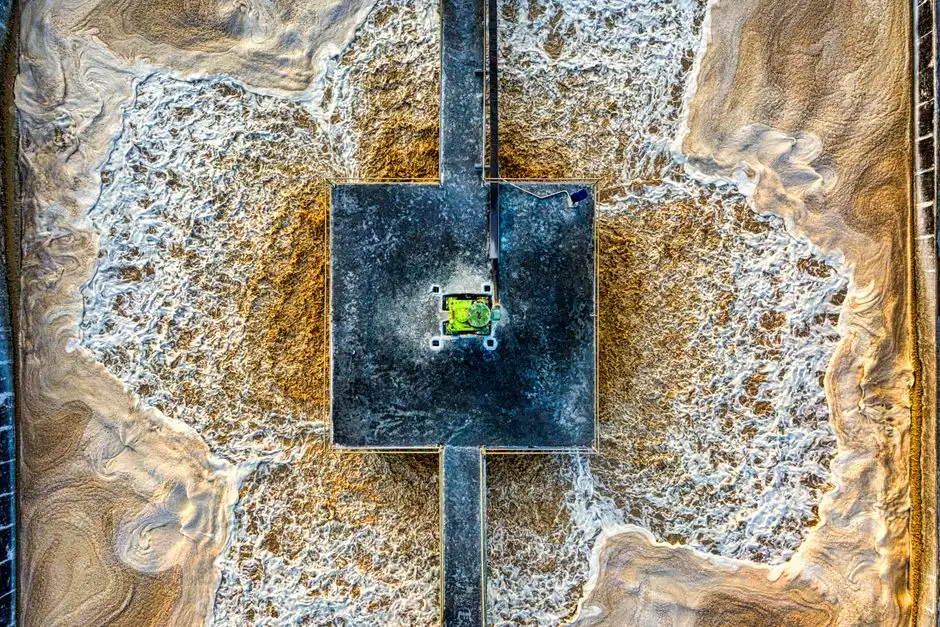
Most 2026 P&IDs for petroleum-side primary separation in South Carolina do not pick one unit — they pick a series train. The default refinery train runs corrugated plate interceptor (CPI/API) → equalization → DAF (oil and FOG strip) → lamella clarifier (settleable TSS polish) → DAF effluent polish or biological step. The clarifier first removes heavy grit and broken flocs, lowering solids load on the DAF, which then reliably hits 80–95% FOG on the remaining emulsified load (per HydropureWater 2026 DAF+clarifier series rule). For low-flow Pickens terminals without full refinery character — a lubricant blender or a small asphalt terminal, for example — a single DAF with chemical conditioning can substitute for the full train and still meet 40 CFR 419 oil and grease limits, provided jar tests confirm the dose. For produced-water and O&G applications upstream of refining — including turnaround and spill-response work at South Carolina terminals — trailer-mounted units such as the WesTech mobile DAF clarifier deliver the same core flotation performance in a frac-tank package that can be online within a single day (per WesTech 2026 mobile DAF spec), and they integrate into a multi-stage mobile treatment train when a permanent unit is offline. The hybrid approach is also the most defensible answer to a SCDES reviewer who asks why a clarifier alone was not selected; the train shows that both removal mechanisms are being used for the fractions each handles best.
CAPEX, Footprint, and 2026 Operating Cost in Plain Numbers
The procurement manager and plant manager will sign the PO on cost, footprint, and compliance risk — not on Stokes' law. A packaged 50–200 m³/h DAF system in 2026 typically lands in the low-to-mid six figures USD on a turnkey basis, while a comparably rated lamella clarifier package is roughly 40–60% of that capex (qualitative 2026 vendor range; do not treat as a binding quote). The footprint story is sharper: a DAF needs 3–5× less plan area than a clarifier of equal hydraulic rating, or roughly 0.05–0.10 m² per m³/h versus 0.20–0.50 m² per m³/h for a gravity clarifier with lamella (per HydropureWater 2026). For a Pickens terminal with a constrained secondary-containment pad, that 3–5× reduction often decides the project before removal efficiency does. OPEX for a DAF is dominated by the saturated-recycle pump, the 4–6 bar air compressor, and the HydropureWater automatic coagulant and flocculant dosing skid ahead of the floc tank; OPEX for a clarifier is dominated by sludge scraping, lamella cleaning, and the larger polymer conditioning tank. Tie the cost story to compliance risk: paying a single 40 CFR 419 surcharge for one超标 event, or fighting a Notice of Violation from SCDES, usually exceeds a full year of incremental DAF opex at a 50–200 m³/h plant, which is why 2026 ESG and discharge-limit tightening across U.S. EPA effluent guidelines is pushing more sites toward DAF-led pretreatment rather than pure gravity separation.
Compliance, Permits, and Jar Testing Before You Sign the PO
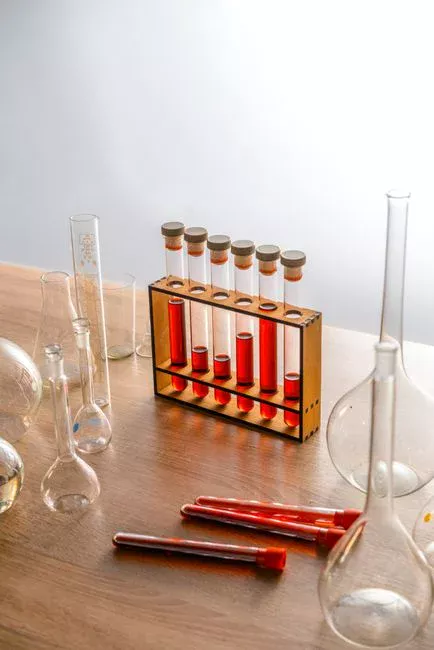
The cleanest decision matrix still will not pass a SCDES review without three documents in hand. First, run jar tests on actual desalter brine and slop-oil samples before locking A/S, recycle, and polymer doses — the generic 0.005–0.060 kg/kg A/S range is a starting band, not a final number (per HydropureWater 2026). Second, confirm the applicable standard: 40 CFR 419 for petroleum refining, plus any local SCDES categorical pretreatment limits on oil and grease, TSS, pH, and total metals that the receiving Pickens POTW enforces; for indirect discharges the 40 CFR 403 general pretreatment framework also applies. Third, verify 2026 vendor references and put them on the bid list: the HydropureWater DAF, DAF Corporation's FC Maximizer (10–11,000 gpm range, 92–98% TSS removal per vendor data), and trailer-mounted mobile DAFs for turnarounds. For a deeper pass through the engineering math, the 2026 DAF clarifier design criteria guide walks the seven core sizing parameters, and engineers familiar with non-petroleum streams can compare apples to apples using the fabricated-metals DAF-vs-clarifier guide and the transportation-equipment DAF-vs-clarifier guide for cross-industry selection logic. The regulatory hook is tightening: 2026 ESG pressure and U.S. EPA effluent-guideline updates are pushing pretreatment programs toward DAF-led trains for any stream carrying emulsified hydrocarbons, and SCDES reviewers in the Pickens region are increasingly asking for jar-test data and a mass balance alongside the P&ID.
Frequently Asked Questions
When should a Pickens petroleum plant pick a DAF over a clarifier in 2026?
Pick a DAF when FOG is above 50 mg/L or when colloidal or surfactant-stabilized hydrocarbons dominate the stream. A 2026 packaged DAF hits 80–95% TSS and FOG removal in 20–60 minutes of flotation, against 50–70% for a gravity clarifier on the same feed (per HydropureWater 2026 DAF design criteria).
What is the regulatory anchor for a refinery-side primary oil/water separator in South Carolina?
40 CFR 419 is the U.S. EPA categorical pretreatment standard for petroleum refining, with BAT effluent expectations that include oil and grease <15 mg/L daily max. Indirect discharges also fall under 40 CFR 403, and the receiving Pickens-area POTW enforces SCDES categorical pretreatment limits on top of the federal standard.
What saturator pressure and recycle ratio should a high-FOG refinery DAF run at in 2026?
Hold saturator pressure at 4–6 bar(g) — below 4 bar the A/S ratio collapses, above 6 bar compressor cost spikes without proportional removal gain. Run recycle at 20–40% for high-FOG or colloidal refinery streams (vs 10% on light streams); the trade-off is pump and compressor kWh for stable float-blanket performance (per HydropureWater 2026).
What hybrid train do most 2026 petroleum P&IDs actually specify?
The default 2026 refinery train is CPI/API → equalization → DAF (oil and FOG strip) → lamella clarifier (settleable TSS polish) → DAF effluent polish or biological step. For low-flow Pickens terminals, a single DAF with chemical conditioning can substitute for the full train and still meet 40 CFR 419 oil and grease limits.
Do engineers still need to jar-test before specifying a DAF in 2026?
Yes. Jar tests on actual desalter brine and slop-oil samples must precede any locked A/S, recycle, and polymer dose. The generic 0.005–0.060 kg air per kg TSS range is a starting band only; final values come from site-specific jar testing and pilot data (per HydropureWater 2026).