
Navigating Wastewater Treatment for Transportation Equipment Manufacturing in Mobile, US (2026)
Transportation equipment manufacturing and maintenance facilities in Mobile, Alabama, produce a complex wastewater stream characterized by high concentrations of emulsified oils, machining coolants, metal fines, degreasers, and various lubricants. Because this effluent often contains high levels of fats, oils, and grease (FOG) alongside heavy inorganic solids, standard treatment methods frequently fall short of meeting local discharge requirements. Effective pretreatment is a mandatory operational necessity to ensure compliance with Alabama wastewater regulations and to prevent the fouling of downstream biological treatment systems or municipal sewer infrastructure. The engineering decision in 2026 rests on evaluating whether a Dissolved Air Flotation (DAF) system or a traditional wastewater clarifier provides the most robust removal of these specific contaminants.
Understanding Dissolved Air Flotation (DAF) Systems: Precision FOG and Solids Removal
Dissolved Air Flotation (DAF) systems inject microbubbles—typically 30 to 50 microns in diameter—into the wastewater stream to facilitate the buoyant separation of contaminants. As these bubbles attach to suspended solids, hydrocarbons, and FOG, the particles rise to the surface to form a "float" layer, which is then mechanically skimmed for removal. Because transportation facility effluent is often rich in light oils and colloidal particles that resist gravity separation, DAF systems provide a distinct advantage in achieving up to 95% FOG removal (source: Ecologix Systems, 2026-05).
Optimal performance for DAF technology depends on influent conditioning. Engineers utilize automatic chemical dosing systems to inject coagulants and flocculants upstream, which increase particle size and improve adhesion to the microbubbles. Standard DAF configurations are available in various materials, including carbon steel, 304 SS, and 316 SS, and can be sized for flow rates ranging from 4 m³/h to over 300 m³/h. For facilities with spatial constraints, compact skid-mounted units—some managing flows of 66 GPM or less—provide a high-efficiency footprint that can be deployed rapidly (source: Clearwater Industries, 2026-04). For those seeking to integrate these units, further detailed DAF system specifications are available to assist in system sizing and material selection.
Conventional Clarifiers: Gravity-Based Sedimentation for Heavier Loads
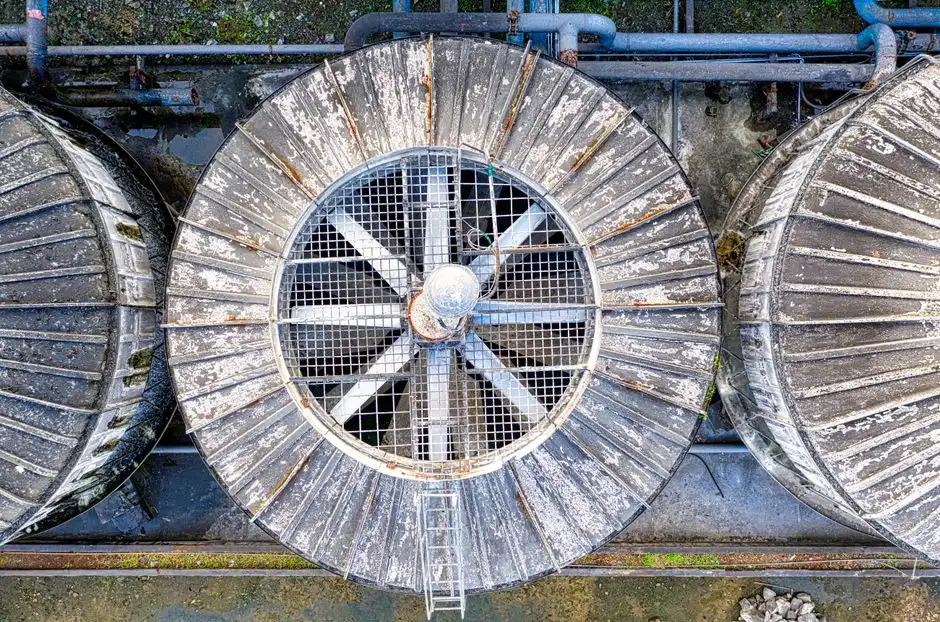
Conventional clarifiers rely on the principle of quiescent gravity sedimentation to separate solids that are denser than the surrounding wastewater. In these tanks, the influent velocity is reduced, allowing heavier particles—such as metal fines, paint residues, and inorganic sediment—to settle at the base, where they are collected via an auger or scraper system. While less effective for floating oils, clarifiers are highly efficient for heavy, settleable solids, capable of achieving up to 90% total suspended solids (TSS) reduction in the right application (source: Ecologix Systems, 2026-05).
Industrial facilities with limited floor space but high sediment loads often utilize HydropureWater's lamella clarifiers (high-efficiency sedimentation tanks) as a superior alternative to circular gravity clarifiers. By using inclined plates to shorten the settling distance, these units achieve surface loading rates of 20–40 m/h and can reduce chemical consumption by up to 30% compared to traditional settling tanks. These systems are particularly effective when the wastewater contains high concentrations of heavy metals or grit that would otherwise cause excessive wear on DAF skimming mechanisms.
DAF vs. Clarifier: A Head-to-Head Comparison for Mobile Transportation Facilities
Selecting the correct technology requires a direct assessment of the effluent profile. The following table provides a comparison of key performance and operational parameters for facilities operating in the Mobile area.
| Parameter | DAF System | Clarifier |
|---|---|---|
| Primary Target | FOG, light oils, colloidal solids | Heavy, inorganic settleable solids |
| Removal Efficiency | Up to 95% FOG/oil removal | Up to 90% TSS reduction |
| Footprint | Compact; active separation | Requires larger gravity settling zone |
| Operational Cost | Higher (requires air, pumps, skimmers) | Lower (gravity-based) |
| Sludge Type | Floated sludge (higher solids conc.) | Settled sludge (bottom discharge) |
| Chemical Needs | High (essential for microbubble adhesion) | Moderate (for flocculation) |
The operational complexity of a DAF system is justified when the wastewater contains high volumes of emulsified oils that would otherwise pass through a standard clarifier, as noted in comparative DAF vs. Clarifier for fabricated metals wastewater analysis. Conversely, if the wastewater is dominated by heavy solids from metal grinding or assembly-line cleaning, the lower operational and maintenance requirements of a clarifier provide a more favorable ROI.
Making the Right Choice: A Decision Framework for Your Mobile Facility in 2026
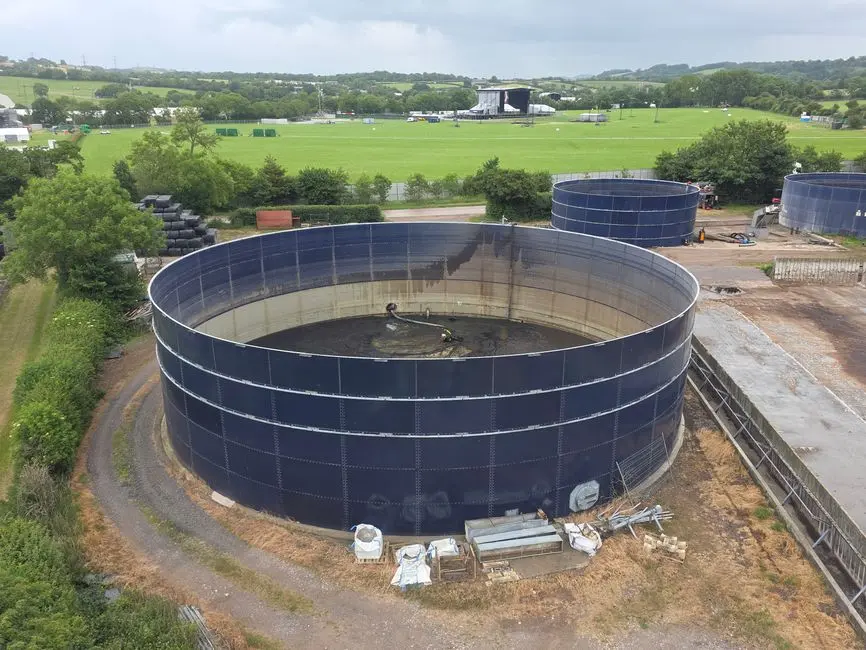
Engineers should perform a comprehensive wastewater characterization to establish the ratio of FOG to heavy suspended solids before selecting a permanent installation. If the analysis indicates that FOG and hydrocarbons are the primary contaminants—common in transportation maintenance wash-water—a DAF system is the recommended primary treatment technology. If the wastewater stream is dominated by heavy particulates, a lamella clarifier is the more cost-effective and durable choice.
Space considerations also influence the selection; if the facility is constrained, the smaller footprint of a DAF unit often outweighs the higher upfront and energy costs. Finally, ensure that the selected equipment is capable of meeting local discharge limits. In some cases, facilities in Mobile may require a hybrid approach where a clarifier removes heavy grit upstream of a DAF unit, which then polishes the effluent by removing remaining oils and fine suspended matter.
Integrated Solutions for Complex Transportation Equipment Wastewater
Complex wastewater streams often require a multi-stage approach to meet stringent environmental standards. Integrating automatic chemical dosing systems allows for precise control over coagulation, which is vital when a plant utilizes both a primary clarifier for grit removal and a downstream DAF system for final oil and grease separation. By staging these technologies, facilities can achieve higher quality effluent while extending the service life of downstream equipment. For specialized applications involving high-strength waste, consider how these systems interact with upstream screening or downstream biological processes to ensure complete compliance.
Frequently Asked Questions
Can DAF systems and clarifiers be used together?
Yes, hybrid systems are common in facilities with diverse contaminant profiles. A clarifier is often placed upstream to remove heavy, dense solids that could interfere with the DAF unit's skimming mechanism, while the DAF system acts as a polishing step to remove emulsified oils and grease.
Which system is more cost-effective for transportation equipment wastewater?
Clarifiers generally have lower operational costs due to their reliance on gravity rather than air compression and pumping. However, if the wastewater contains high FOG, a clarifier will likely fail to meet discharge standards, making the DAF system more cost-effective in terms of avoiding regulatory fines and non-compliance penalties.
What are the key maintenance considerations for DAF vs. clarifiers?
DAF maintenance focuses on the air dissolution system, skimmer motors, and ensuring consistent chemical dosing. Clarifier maintenance is primarily centered on sludge collection augers, scrapers, and ensuring that the sludge discharge pumps do not clog with accumulated sediment.
How does chemical conditioning impact DAF and clarifier performance?
Chemical conditioning is critical for DAF systems, as the microbubbles require well-formed flocs to effectively float the contaminants to the surface. For clarifiers, chemical conditioning helps aggregate small particles into larger, faster-settling flocs, significantly increasing the settling rate and overall effluent clarity.
Related Equipment
- HydropureWater's DAF system — specifications, capacity range, and technical data
- HydropureWater's lamella clarifiers — specifications, capacity range, and technical data
- automatic chemical dosing systems — specifications, capacity range, and technical data