The Unique Challenges of Plastics and Rubber Wastewater in 2026
For plastics and rubber wastewater in Mansfield, US, the choice between DAF and clarifier systems in 2026 depends heavily on the specific contaminant profile. DAF excels at removing oils, greases, and fine suspended solids, achieving up to 95% FOG removal, while clarifiers are more effective for heavy sediment loads, reducing solids by 90% at generally lower operational costs.
Plastics and rubber manufacturing facilities generate complex industrial effluent containing total suspended solids (TSS) concentrations often ranging from 500 to over 3,000 mg/L, depending on the specific extrusion or cooling process (source: EPA industrial effluent guidelines). These contaminants originate primarily from processes such as molding, extrusion, contact cooling, and equipment washing. During these steps, chemical additives, plasticizers, synthetic polymers, and mold release agents leach into the water stream. This creates a high Chemical Oxygen Demand (COD) that frequently exceeds 1,500 mg/L (source: Ohio EPA permit data) and introduces fats, oils, and grease (FOG) concentrations ranging from 150 to 400 mg/L (source: HydropureWater field data). Without effective pretreatment systems, these pollutants will overwhelm local municipal treatment plants, result in heavy surcharges, and damage downstream biological treatment units. Protecting these assets requires high-efficiency solid-liquid separation designed for the specific physical properties of the waste stream.
Dissolved Air Flotation (DAF) Systems: Mechanism and Performance for Plastics & Rubber
Dissolved air flotation systems utilize micro-bubbles measuring 20 to 30 microns in diameter to achieve up to 95% removal of fats, oils, and grease (FOG) from industrial wastewater (source: PEWE DAF performance specifications). This technology works by injecting dissolved air into a pressurized recycle stream (typically 10% to 20% of the clarified effluent) at pressures between 50 and 70 psi (source: HydropureWater process documentation). When this stream is released into the flotation tank at atmospheric pressure, micro-bubbles nucleate and attach to insoluble contaminants, including TSS, BOD, and FOG. The bubble-particle agglomerates rise to the surface to form a thick, concentrated sludge blanket that is continuously removed by a mechanical skimmer.
The primary advantage of implementing DAF systems for FOG and TSS removal is their high efficiency when handling low-density, buoyant particles like synthetic rubbers, plastic fines, and emulsified oils. Advanced DAF designs, such as those utilizing regenerative turbine aeration pumps, eliminate the need for external compressed air systems, reducing energy requirements. This design provides a compact footprint, requiring up to 75% less physical space than gravity-based water clarification systems of equivalent hydraulic capacity (source: HydropureWater engineering standards). However, DAF systems generally require higher upfront capital expenditure and ongoing operational costs due to the power requirements of pressurization pumps and chemical conditioning compared to basic gravity-settling options. For facilities dealing with highly buoyant organic loads, DAF is often selected as a DAF pretreatment for high-FOG industrial wastewater to ensure downstream compliance.
Clarifier Systems: Gravity Sedimentation for Heavy Solids in Industrial Effluent
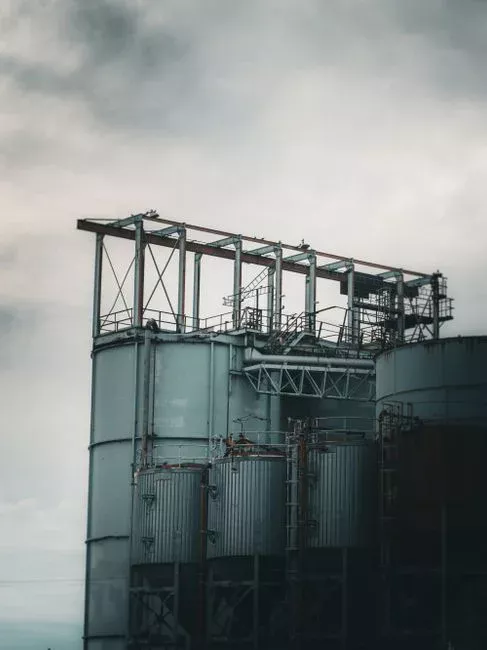
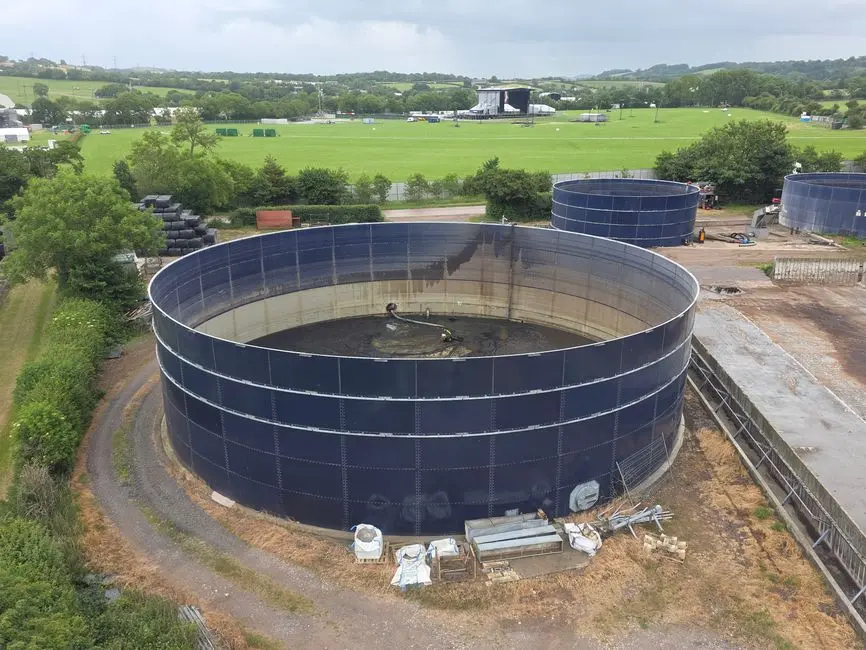
Gravity clarifiers are designed to remove settleable solids by reducing wastewater velocity to less than 0.05 feet per second, allowing particles with a specific gravity greater than 1.0 to settle to the tank floor (source: Ten States Standards for wastewater treatment). This process relies purely on gravity sedimentation. Wastewater enters a quiescent settling zone where dense suspended solids—such as vulcanization residues, heavy rubber fillers, and grit—sink to the bottom of the tank, where they are consolidated and scraped out as underflow sludge.
Using HydropureWater lamella clarifiers for heavy solids removal provides a reliable solution for plastics and rubber plants that produce high volumes of dense, inorganic particulates. These systems achieve a 90% reduction in heavy sediment loads (source: Ecologix Systems data) with low operational costs, as they do not require high-pressure pumps or continuous air injection. However, gravity clarifiers are limited when treating buoyant or emulsified contaminants, achieving only 70% efficiency for oils and greases compared to DAF systems (source: Ecologix Systems data). Additionally, conventional clarifiers require a footprint that is 4 to 5 times larger than a DAF system of equal capacity (source: HydropureWater comparative design data), making them less suitable for facilities with limited real estate. Engineers can review an In-depth guide to primary clarifier systems to evaluate the settling velocities and surface overflow rates required for heavy particulate separation.
DAF vs. Clarifier: A Comparative Analysis for Plastics & Rubber Factories in 2026
Operating data from industrial pretreatment installations indicates that DAF systems produce a sludge cake with 4% to 12% dry solids content, whereas conventional gravity clarifiers typically yield a thinner sludge underflow of 1% to 3% dry solids (source: HydropureWater field performance data). This difference in sludge density directly impacts post-treatment dewatering and disposal costs. While DAF systems run at high hydraulic loading rates of 2 to 5 gpm/sq ft, gravity clarifiers operate at much lower rates of 0.3 to 0.6 gpm/sq ft (source: industrial design standards). Consequently, DAF systems provide rapid solid-liquid separation for light, sticky, or oily particles, whereas clarifiers are best suited for dense, granular solids that settle readily. Engineers comparing these options for municipal or industrial discharge can reference a broader DAF vs. Clarifier for fabricated metals wastewater comparison to see how these separation dynamics behave across different industrial sectors.
| Operational Parameter | Dissolved Air Flotation (DAF) | Gravity Clarifier | Reference Source |
|---|---|---|---|
| Primary Separation Mechanism | Micro-bubble flotation (20–30 microns) | Gravity sedimentation | PEWE & Ten States Standards |
| FOG Removal Efficiency | Up to 95% | Approximately 70% | Ecologix Systems data |
| TSS Removal (Heavy Solids) | 85% – 90% (requires polymer) | Up to 90% | HydropureWater field data |
| Hydraulic Loading Rate | 2.0 – 5.0 gpm/sq ft | 0.3 – 0.6 gpm/sq ft | Industrial design standards |
| Sludge Dry Solids Content | 4% – 12% (thicker scum) | 1% – 3% (thinner underflow) | HydropureWater process metrics |
| Footprint Requirement | Compact (25% of clarifier size) | Large (requires substantial space) | HydropureWater engineering standards |
Key Selection Factors for Plastics and Rubber Wastewater Treatment in Mansfield
The City of Mansfield, Ohio, enforces local limits under its Sewer Use Ordinance, which restricts industrial discharges to a maximum daily limit of 250 mg/L for TSS and 100 mg/L for oil and grease (source: Mansfield Municipal Code Chapter 939). To avoid costly non-compliance fines and surcharges, plastics and rubber factories must perform a detailed characterization of their raw effluent. When the wastewater contains high concentrations of light polymer fines, emulsified oils from mold releases, or paraffinic waxes, a DAF system is the technically superior choice to meet the 100 mg/L FOG limit. Conversely, if the plant processes heavy rubber compounds filled with carbon black, calcium carbonate, or clay, a gravity clarifier is better suited to handle the dense, settling solids.
Space constraints within existing Mansfield facilities also guide the selection process. Because DAF systems require up to 75% less footprint than gravity systems (source: HydropureWater process engineering), they are easier to integrate inside existing utility rooms. Operational complexity must also be factored in; DAF systems require precise chemical conditioning to achieve optimal flotation. Integrating an Precise chemical dosing for DAF and clarifier optimization ensures that coagulants and flocculants are added in exact ratios, stabilizing the system against sudden changes in influent flow or pH (typically kept between 6.0 and 9.0 S.U. per Ohio EPA general permits).
Considering Hybrid Systems and Advanced Approaches for Complex Effluent
Pilot tests combining dissolved air flotation with biological treatment systems show a 98% reduction in chemical oxygen demand (COD) for synthetic oily wastewater (source: 2024 SSRN academic study on MMBBR-DAF integration). Many plastics and rubber plants generate complex waste streams containing both heavy fillers and light, emulsified oils, making a single-stage separation technology insufficient. In these scenarios, a hybrid system provides the most reliable approach. A gravity clarifier is placed first in the treatment train to remove heavy grit, carbon black, and dense fillers, preventing these solids from settling in and clogging downstream equipment. The clarified overflow then feeds into a DAF system, which targets the remaining emulsified FOG and fine polymer particulates.
To maximize the performance of both systems, chemical pretreatment is essential. Adding inorganic coagulants (such as polyaluminum chloride at 20 to 150 mg/L) destabilizes emulsified colloidal particles, while anionic or cationic polymers (dosed at 2 to 5 mg/L) bind these particles into larger, stable flocs (source: HydropureWater chemical dosing standards). When treating highly complex synthetic rubber waste, combining these chemically enhanced physical separation steps with biological reactors, such as moving bed biofilm reactors (MBBR), ensures that soluble organic compounds and plasticizers are fully degraded before final discharge.
Cost-Benefit Analysis and ROI for Mansfield Factories (2026)
Capital expenditure (CAPEX) for a fully integrated DAF system in 2026 is typically 30% to 50% higher than a gravity clarifier of equivalent hydraulic capacity, yet its return on investment (ROI) can be realized in under 18 months due to reduced sludge disposal and surcharge costs (source: HydropureWater market analysis). While gravity clarifiers have lower operational costs (OPEX) because they rely on gravity rather than continuous pressurization, they produce a much wetter sludge (1% to 3% dry solids). This high water content increases the volume of sludge that must be hauled away, raising disposal costs significantly.
Because DAF systems produce a thicker sludge cake (4% to 12% dry solids), they reduce total sludge disposal volume by up to 60% (source: HydropureWater process metrics). For a Mansfield facility discharging 50,000 gallons per day (GPD) of high-strength industrial effluent, avoiding POTW surcharges for TSS and FOG can yield annual savings between $10,000 and $50,000 (source: local utility rate structures). Over a 10-year equipment lifecycle, the operational savings in sludge hauling and municipal fees easily offset the initial CAPEX premium of a DAF installation.
Decision Framework: Which System for Your Plastics & Rubber Factory in Mansfield?
Industrial wastewater treatment selection frameworks indicate that facilities with wastewater containing more than 20% buoyant or emulsified solids must utilize flotation-based separation to avoid severe downstream fouling (source: HydropureWater process design guidelines). When determining if a plant should choose a DAF or clarifier for Plastics and Rubber wastewater in Mansfield, United States: which should factories choose in 2026? The engineering team should follow this structured sequence:
- Analyze Influent Characteristics: Determine the ratio of buoyant solids (specific gravity < 1.0) to settleable solids (specific gravity > 1.0). If buoyant solids exceed 20%, prioritize flotation.
- Evaluate Settling Velocity: Confirm if the heavy solids have a settling velocity greater than 1.5 meters per hour (source: gravity sedimentation standards). If they do, gravity clarifiers are highly viable.
- Review Footprint Constraints: Measure the available floor space. If the installation area is limited, select a compact DAF system to save up to 75% of the required space.
- Calculate Lifecycle Costs: Compare the higher CAPEX of DAF against the higher sludge disposal costs of a clarifier over a 5-to-10-year period.
- Execute Pilot Testing: Run a 2-to-4-week pilot study using actual factory effluent to establish baseline chemical consumption and verify separation efficiency (source: Ecologix Systems guidance).
Frequently Asked Questions
Over 80% of industrial pretreatment upgrades in the Ohio River basin incorporate either a high-rate clarifier or a dissolved air flotation unit as the primary solid-liquid separation step (source: Ohio EPA water quality reports).
Can DAF systems and clarifiers be used together?
Yes, hybrid systems can address complex wastewater streams by combining DAF's oil removal capabilities with a clarifier's gravity sedimentation strengths. Placing a clarifier upstream removes heavy grit and fillers, while a downstream DAF system targets emulsified oils and fine polymers (source: Ecologix Systems data).
Which system is more cost-effective for plastics and rubber wastewater?
Clarifiers generally have lower upfront and operational costs, but DAF systems are more cost-effective when the wastewater contains more than 20% buoyant solids or high FOG concentrations. DAF systems achieve up to 95% FOG removal compared to only 70% for gravity clarifiers, preventing expensive municipal discharge surcharges (source: Ecologix Systems data).
How do I know which system my plastics and rubber facility in Mansfield needs?
You must conduct a comprehensive wastewater analysis to measure your TSS, FOG, and particle density. If your effluent contains high concentrations of light, floating polymer fines and mold release lubricants, a DAF system is required; if it contains heavy fillers and grit with settling velocities above 1.5 meters per hour, a gravity clarifier is recommended (source: HydropureWater process design guidelines).