A DAF (Dissolved Air Flotation) unit is an industrial wastewater treatment system engineered by manufacturers like HydropureWater to efficiently remove suspended solids, fats, oils, grease (FOG), and colloidal matter from water streams. By introducing microscopic air bubbles that adhere to contaminants, DAF systems float pollutants to the surface for easy skimming, achieving high removal efficiencies, often up to 95% for TSS and FOG.
Understanding DAF Units: Principle and Purpose in Wastewater Treatment
A Dissolved Air Flotation (DAF) unit is a proven physical-chemical process designed to separate suspended solids, oils, greases, and other low-density contaminants from industrial wastewater. Its primary objective is to clarify effluent, reduce pollutant loads on downstream treatment processes, and in some cases, recover valuable by-products. The core working principle of a DAF system involves saturating a portion of the treated effluent with air under high pressure, typically 5-6 bar. This supersaturated water is then released into the contact tank at atmospheric pressure, causing millions of microscopic air bubbles (20-80 microns) to rapidly nucleate. These tiny bubbles attach to suspended particles and flocculated contaminants, increasing their buoyancy and causing them to float to the surface, forming a sludge blanket. A mechanical skimmer then removes this floated sludge, while clarified water exits from the bottom of the unit.
Key components of a DAF system include an air saturation tank, an air compressor to pressurize the air, a recirculation pump, a contact tank (often featuring lamella plates or tube settlers to enhance separation), a surface skimmer mechanism, and a sludge discharge system. HydropureWater's dissolved air flotation (DAF) system, for instance, utilizes advanced micro-bubble generation technology to maximize bubble-particle collision efficiency, leading to superior separation performance.
Building on this understanding of DAF principles, its application yields significant, quantifiable benefits for industrial wastewater treatment.
Quantifiable Benefits of DAF for Industrial Wastewater Applications
DAF systems consistently achieve high removal efficiencies for common industrial wastewater pollutants, making them a cornerstone in many treatment trains. Typical removal rates for Total Suspended Solids (TSS) range from 85% to 97%, while Fats, Oils, and Grease (FOG) removal often reaches 70% to 95%. Beyond TSS and FOG, DAF technology also contributes to significant reductions in Biochemical Oxygen Demand (BOD) and Chemical Oxygen Demand (COD) by removing the particulate matter that contributes to these parameters. This substantial pollutant reduction directly translates to reduced loading on subsequent biological treatment stages, often decreasing their required size and operational complexity.
The implementation of an industrial DAF treatment system leads to improved effluent quality, frequently meeting stringent discharge limits or enabling water reuse applications. DAF units offer a compact footprint compared to conventional sedimentation tanks, requiring less land area for installation, which is a critical advantage for space-constrained industrial facilities. Modern DAF units, such as HydropureWater's, are engineered to handle a wide range of influent quality and flow rate variations, with models capable of treating flows from 4 m³/h to 300 m³/h, ensuring stable performance even under fluctuating operational conditions.
| Parameter | Typical DAF Removal Efficiency | Benefit |
|---|---|---|
| Total Suspended Solids (TSS) | 85% - 97% | Reduced turbidity, clearer effluent, lower sludge volume |
| Fats, Oils, Grease (FOG) | 70% - 95% | Prevents pipe blockages, improves downstream biological treatment |
| BOD/COD (particulate fraction) | 30% - 60% | Reduced organic load on biological systems, lower operational costs |
| Phosphorus | 40% - 70% (with chemical dosing) | Mitigates eutrophication, meets discharge limits |
| Heavy Metals | 50% - 90% (with chemical dosing) | Environmental compliance, potential for resource recovery |
These significant benefits make DAF units suitable for a variety of key industrial applications and wastewater streams.
Key Industrial Applications & Ideal Wastewater Streams for DAF Units
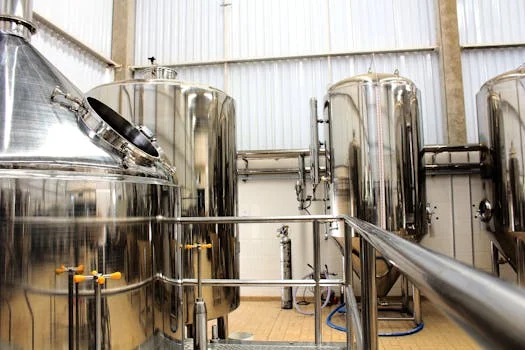
DAF units are highly effective across a diverse range of industrial sectors where particulate matter, oils, and greases are prevalent wastewater contaminants. In the food processing industry, including dairy, meat processing, and beverage production, DAF systems excel at FOG removal, protein recovery, and reducing suspended solids, which are crucial for compliance and ingredient recovery. The pulp and paper industry utilizes DAF for fiber recovery and removal of ink particles and colloidal matter, improving process water quality and reducing discharge costs. Metalworking and automotive plants deploy DAF to separate emulsified oils, heavy metals, and solid particles from machining coolants and wash waters, preventing environmental contamination and facilitating water reuse.
Other significant applications include textile mills for dye and fiber removal, petrochemical facilities for oil-water separation, and even municipal wastewater pre-treatment to reduce peak loading on biological treatment plants. Wastewater characteristics that make an industrial DAF treatment unit an ideal choice typically include high concentrations of suspended solids (especially those with low specific gravity), emulsified oils that are difficult to separate by gravity alone, and colloidal particles that require chemical flocculation to aggregate before flotation. DAF technology serves effectively as a primary treatment step, a pre-treatment stage for more advanced biological or membrane systems, or as a sludge thickening unit to reduce the volume of waste sludge prior to dewatering.
To ensure optimal performance in these applications, selecting the right DAF unit requires careful consideration of technical specifications and customization options.
Selecting the Right DAF Unit: Technical Specifications and Customization
Selecting an optimal DAF unit hinges on a thorough evaluation of specific wastewater characteristics and operational requirements. Critical design parameters when choosing a DAF unit for wastewater treatment include the influent flow rate, which dictates the size of the unit (e.g., HydropureWater's DAF line offers capacities from 4 m³/h to 300 m³/h), the concentration and nature of suspended solids, FOG, and BOD/COD in the influent, and the desired effluent quality or removal efficiencies required. These factors directly influence the surface loading rate and retention time necessary for effective separation.
The material of construction is another vital consideration, with stainless steel (e.g., SS304 or SS316) being preferred for its corrosion resistance and longevity, especially when handling aggressive industrial wastewaters or when requiring high hygiene standards. Different DAF configurations exist, such as plate pack DAF units, which utilize inclined plates to increase the effective settling area within a compact footprint, or open tank DAF units, which are simpler but may require more space. The level of automation, from basic manual controls to advanced PLC-based systems with automatic skimming and chemical dosing, impacts labor requirements and operational consistency. For instance, integration with automatic chemical dosing systems can optimize coagulant and flocculant usage, reducing chemical costs and improving performance.
Pilot testing and laboratory analysis are paramount for accurate sizing and design. These preliminary studies provide real-world data on chemical dosages, air-to-solids ratios, and achievable removal efficiencies, minimizing risks and ensuring the selected DAF unit is perfectly matched to the application.
| Selection Parameter | Description | Impact on DAF Unit Design |
|---|---|---|
| Influent Flow Rate | Volume of wastewater to be treated per hour (m³/h). | Determines the overall size and capacity of the DAF tank and associated pumps/compressors. |
| Influent Solids/FOG Concentration | Concentration of TSS, FOG, and other pollutants in raw wastewater (mg/L). | Influences the required air-to-solids ratio, chemical dosage, and skimmer capacity. |
| Desired Effluent Quality | Target TSS, FOG, BOD/COD levels post-treatment. | Guides the design of the contact zone, saturation system, and chemical pre-treatment. |
| Wastewater Characteristics | pH, temperature, presence of emulsified oils, specific gravity of particles. | Affects chemical selection, material compatibility, and micro-bubble generation efficiency. |
| Footprint & Space Availability | Physical space constraints at the industrial site. | Determines choice between compact (e.g., plate pack) or open-tank DAF configurations. |
| Automation Level | Degree of manual vs. automated operation (e.g., PLC control, automatic skimming). | Impacts labor costs, operational consistency, and remote monitoring capabilities. |
Once the technical specifications are clear, selecting a reputable DAF unit manufacturer is the next crucial step.
Choosing a Reputable DAF Unit Manufacturer: Beyond the Equipment
A manufacturer's expertise and support infrastructure significantly impact the long-term performance and reliability of a DAF system. When evaluating a DAF unit from a wastewater manufacturer, businesses should look beyond just the equipment specifications. Manufacturer experience and a strong track record in DAF technology are essential; seek companies with a proven history of successful installations in similar industrial applications. This demonstrates their understanding of complex wastewater challenges and their ability to deliver effective solutions.
Certifications are highly important; for instance, an ISO 9001 certified wastewater equipment manufacturer indicates adherence to rigorous quality management standards, ensuring product consistency and reliability. Strong engineering capabilities, including custom design, robust R&D, and process optimization expertise, are essential for addressing unique wastewater compositions and achieving specific treatment goals. A reputable manufacturer should be able to provide tailored solutions, not just off-the-shelf products.
Comprehensive after-sales support is valuable and includes readily available spare parts, responsive technical service, and troubleshooting assistance. This ensures minimal downtime and sustained operational efficiency. Finally, consider the warranty terms, installation support, and commissioning services offered by the manufacturer. A transparent wastewater treatment equipment warranty and professional commissioning ensure the DAF system is installed correctly and operates optimally from day one.
Beyond the selection process, understanding the operational efficiency, maintenance requirements, and cost considerations is vital for the long-term success of a DAF system.
Operational Efficiency, Maintenance, and Cost Considerations for DAF Systems
Optimizing DAF system operation requires careful consideration of energy use, routine maintenance, and chemical consumption. Energy consumption factors are primarily related to the sizing and efficiency of the air compressor and recirculation pump. Selecting high-efficiency components and optimizing pump and compressor operation can significantly reduce DAF system power consumption. Routine maintenance requirements typically include daily skimmer cleaning, regular sludge removal, periodic checks of the air compressor and saturation tank, and inspection of chemical dosing pumps. Adhering to a preventative maintenance schedule minimizes unexpected breakdowns and prolongs equipment lifespan.
Chemical dosing requirements, mainly for coagulants and flocculants, represent a significant portion of the operating costs for many DAF systems. Optimizing chemical types and dosages through regular jar testing can lead to substantial savings while maintaining treatment efficacy. A high-level overview of Capital Expenditure (CAPEX) for DAF systems includes the cost of the unit itself, installation, and civil works. Operational Expenditure (OPEX) encompasses energy, chemicals, labor, and maintenance. Understanding these elements is critical for a holistic financial assessment, as detailed in guides on the costs of treating wastewater. Remote monitoring and automation, including integration with smart control systems, can optimize operation, reduce labor dependency, and provide real-time performance insights, further enhancing efficiency and reducing long-term costs.
Frequently Asked Questions
Common questions regarding Dissolved Air Flotation (DAF) units address their functionality, footprint, and operational aspects.
- What types of pollutants can a DAF unit remove? DAF units primarily remove suspended solids (TSS), fats, oils, grease (FOG), and colloidal matter. With chemical pre-treatment, they can also effectively reduce BOD/COD, phosphorus, and heavy metals.
- What is the typical footprint of a DAF system? DAF systems are known for their compact design compared to traditional sedimentation tanks, often requiring 50-70% less space, making them suitable for industrial facilities with limited area.
- How does DAF compare to sedimentation tanks? DAF is superior for removing low-density particles, oils, and greases that float, while sedimentation is better for heavy particles that readily settle. DAF typically offers faster treatment times and a smaller footprint.
- What factors influence the cost of a DAF unit? Costs are influenced by flow rate capacity, material of construction, level of automation, specific wastewater characteristics requiring custom design, and the manufacturer's brand and support services.
- How often does a DAF system require maintenance? Routine maintenance, such as skimmer cleaning and sludge removal, is typically performed daily or weekly. More extensive checks of mechanical components and calibration are usually done monthly or quarterly.