Why GaN-on-Si Foundries Cannot Copy a Silicon DAF-vs-Clarifier Playbook
Foundry, GaN-on-Si fabs run four distinct waste streams that a generic silicon-fab rule ignores. The CMP stream carries 30–200 nm colloidal silica or ceria slurry at 200–1,500 ppm TSS, with intermittent 5–20 m³ batch dumps in 10–15 minutes. MOCVD scrubber blowdown contributes NH₄⁺/F⁻ co-streams plus low mg/L gallium traces from precursor washout. The HF/HNO₃ etch line adds free fluoride (often 200–2,000 mg/L F⁻) and nitrate/nitrite. The UPW loop bleed runs hot (40–60 °C) and very low in TDS, but its volume is 30–60% of total fab water demand, so it dominates the hydraulic balance. Photoresist stripping with 2.38% TMAH developer is the largest single NH₃-N source — TMAH loadings of 50–150 mg/L NH₃-N are routine, and biological steps cannot tolerate the ammonia without a separate oxidation train (HydropureWater field data, 2025). Generic DAF vendor sizing assumes dairy fats or paper fiber; neither floats like a GaN-on-Si CMP slurry, and neither carries the NH₃-N spike that GaN photoresist processing produces. Most importantly, many GaN-on-Si brownfield sites in 2026 inherited 2010s-era lamella clarifiers originally specified for light-industrial loads; gallium bleeding through to discharge is the new stress that triggers re-evaluation, not a greenfield CAPEX question.
DAF vs Lamella Clarifier: Parameter Table for GaN-on-Si Loads
The head-to-head numbers below are the ones a process engineer needs to defend at a P&ID review. Removal rates and bubble sizes come from published vendor specifications (SigmaDAF, PEWE, DAF Corp); the capacity envelope reflects the HydropureWater DAF system and the HydropureWater lamella clarifier product lines.
| Parameter | DAF (HydropureWater / FC Maximizer / SigmaDAF) | Lamella Clarifier |
|---|---|---|
| TSS removal on raw CMP slurry | 92–98% (DAF Corp FC Maximizer); 85–95% (SigmaDAF/PEWE) | 60–85% on well-coagulated stream; lower on raw slurry |
| Effluent filterable solids | <20 ppm (DAF Corp) | 30–80 ppm typical, 50–150 ppm for conventional gravity |
| FOG / emulsified oils | 85–95% removal (PEWE Rogue MAX aeration) | 40–70% — gravity struggles with emulsified oils |
| Hydraulic / surface loading | 5–15 m/h on tank area | 20–40 m/h on lamella plate area (effective) |
| Footprint | 0.05–0.15 m² per m³/h (skid integrates pump, saturator, controls) | 0.2–0.6 m² (incl. sludge hopper) for skid-mounted; larger for civil builds |
| Sludge solids | 3–5% float (50–70% less haul-off than clarifier underflow) | 1–2% underflow |
| Micro-bubble size | 20–50 μm (SigmaDAF 30–50; PEWE 20–30; DAF Corp 20–40) | N/A — no bubbles |
| Upset recovery | 15–30 min | 2–4 h |
| Polymer demand | 0.5–5 mg/L (cationic/anionic) | Lower if influent already coagulated; CaF₂ sludge settles readily |
| Energy | 0.2–0.5 kWh/m³ (recycle + aeration pumps) | Polymer + sludge pumping; lower energy |
| Capacity envelope | 4–300 m³/h | Custom; matched to peak equalized flow |
| Best-fit stream | CMP slurry, photoresist, FOG, batch dumps | Low-solids post-precipitation (fluoride, metals), UPW bleed |
DAF's 20–50 μm micro-bubbles outperform gravity settling on sub-10 μm colloidal particles typical of CMP slurry because bubble–particle contact probability scales with bubble surface area. Lamella clarifiers win on simplicity — no compressed-air system, no recycle pump, lower chemical consumption — and they are the right answer when the stream is already low-solids and well-coagulated. For a typical 300 mm GaN-on-Si fab, a lamella clarifier is the natural second stage after a CaCl₂ precipitation reactor. The 2010s-era lamella sizing mistakes on brownfield sites usually show up as plate spacing too wide for the actual floc density, which is exactly the failure mode a tube settler troubleshooting guide addresses.
Stream-by-Stream Decision Rule for Foundry, GaN-on-Si
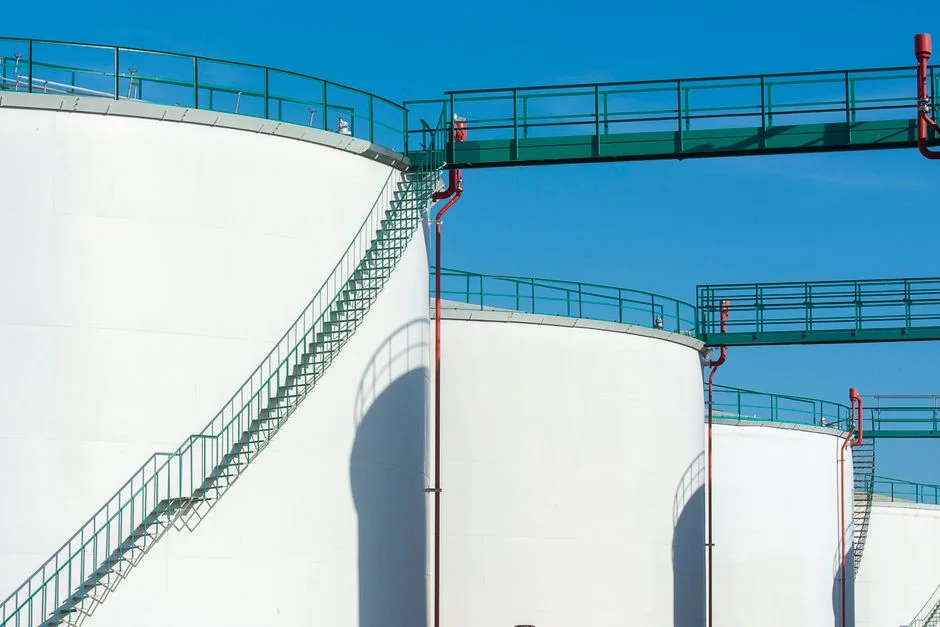
Pick DAF as the primary clarifier when any of these apply: CMP or photoresist waste stream with TSS influent >100 ppm; FOG present from pump oils, IPA residuals, and brush-scrub detergents; intermittent 5–20 m³ batch dumps in 10–15 minutes; footprint constrained to 6 m × 8 m sub-fab utility rooms typical of 2010s-era brownfield retrofits. The SigmaDAF COMPACT skid handles ≤66 GPM on a single pre-assembled skid with PLC-controlled chemical dosing, and scales to a modular two-skid layout above 66 GPM (per SigmaDAF 2026 product sheet) — well-matched to fab utility-room retrofits.
Pick a lamella/gravity clarifier when: the stream is already low-solids (<50 ppm TSS) and the limiting step is dissolved species; chemical precipitation is the main treatment and the influent has been dosed with CaCl₂ to form dense CaF₂ sludge at pH 8–9; the fab is chasing minimum chemical/energy OPEX with steady, low-variability flow. The 2026 rule of thumb: if your equalization basin shows visible CMP slurry, DAF first; if it is clear and the problem is dissolved fluoride, clarifier first after the precipitation reactor.
TMAH and ammonia are the segregation driver, not the clarifier choice. TMAH should be oxidized upstream (typically breakpoint chlorination or AOP) or segregated so it never reaches the clarifier, because NH₃ stripping at pH >11 defeats the pH 8–9 fluoride window and re-dissolves the Ca(OH)₂/Ga(OH)₃ floc the lamella is trying to settle. Gallium precipitates as Ga(OH)₃ between pH 3.5 and 9.5 with minimum solubility near pH 6–7, so the reactor pH must be set to keep both CaF₂ (favored at pH 8–9) and Ga(OH)₃ in the same window — practically pH 8.0–8.5 with CaCl₂ dosed at 1.2–1.5× stoichiometric (HydropureWater field data, 2025).
The 2026 Hybrid Train: DAF → CaCl₂ Precipitation → Lamella → Multimedia → RO
The defensible train for a GaN-on-Si fab targeting water reuse or ZLD is a five-stage sequence, not a single-vessel decision.
- Equalization + pH conditioning, then DAF on the CMP/photoresist line. Target <20 ppm filterable solids, 3–5% float sludge, hydraulic residence 15–25 min. This is where the HydropureWater DAF system earns its place — see the DAF engineering process guide for bubble–particle contact math.
- DAF effluent combines with segregated MOCVD scrubber blowdown and HF/HNO₃ etch waste. Dose CaCl₂ at 1.2–1.5× stoichiometric at pH 8.0–8.5 to precipitate CaF₂ (Ksp ≈ 3.9 × 10⁻¹¹) and co-precipitate Ga(OH)₃. A PLC-controlled chemical dosing skid is the cheapest insurance against under- or over-dosing during pilot operation.
- Lamella clarifier captures the dense CaF₂/Ga(OH)₃ floc. This is where DAF would be wasteful because the floc is already heavy and well-conditioned. Use a HydropureWater lamella clarifier sized at 20–40 m/h on plate area. Effluent filterable solids drop to 30–60 ppm.
- Multimedia filter polish, then RO for closed-loop reuse. The multi-media filter protects the RO from any residual TSS breakthrough. The RO unit then handles dissolved salts. MBR can substitute for multimedia + RO on the lower-TDS side stream.
- Discharge or reuse. Typical limits in 2026 are <30 mg/L TSS, <2 mg/L total copper, <10–15 mg/L fluoride, pH 6–9, with surcharges of $0.15–$0.40 per pound of TSS or total metals — enough to dominate 2026 OPEX on a 500–2,000 m³/day fab. Detailed limits for HF and fluoride trains are covered in the HF and fluoride ZLD engineering specs guide.
Mass-balance check at pH 8.5 with 1.3× stoichiometric CaCl₂: a 1,000 mg/L F⁻ stream demands ~2,200 mg/L CaCl₂ (anhydrous basis) and produces ~1,950 mg/L CaF₂ sludge; at 70% lamella capture this is 1.4 kg dry sludge per m³. Sized against a 1,000 m³/day fab, that is 1.4 t/day of calcium-rich sludge to haul off — a real number a procurement lead will want to see.
2026 CAPEX and OPEX Bands for a Foundry, GaN-on-Si Fab
The table below gives procurement a defensible band rather than a vendor list price, so the engineer can stop the meeting with a number.
| Cost driver | DAF | Lamella clarifier |
|---|---|---|
| CAPEX envelope (4–300 m³/h) | $50,000–$500,000 (per S5) depending on SS304 vs SS316 and automation level | Typically 20–40% below DAF CAPEX for the same hydraulic capacity; more civil work and floor area |
| Skid options | SigmaDAF COMPACT ≤66 GPM single skid; two-skid modular above 66 GPM | Skid-mounted small units; civil-built for >50 m³/h |
| Energy | 0.2–0.5 kWh/m³ (recycle + aeration pumps; PEWE Rogue turbine and Sulzer aerator are the benchmarks per PEWE/VanAire 2026 literature) | Polymer + sludge pumping; lower energy overall |
| Polymer / chemical | 0.5–5 mg/L polymer; CaCl₂ downstream if combined train | Lower if influent already coagulated; CaCl₂ for fluoride train |
| Sludge | 3–5% float; 50–70% less haul-off than clarifier underflow | 1–2% underflow; higher disposal volume |
| Upset recovery | 15–30 min | 2–4 h |
| Pre-CAPEX step | Bench DAF jar tests + 30–60 day on-site pilot on actual CMP slurry (slurry PSD and ionic strength vary fab-to-fab) | |
For a 1,000 m³/day GaN-on-Si fab running a hybrid train, a defensible 2026 budget is $350,000–$600,000 for a mid-sized DAF + lamella + CaCl₂ dosing skid, plus 20–30% for civil and installation. The 30–60 day pilot is the no-regret step that converts a contested spec into a defended one — and it is the single line item most likely to be cut by procurement, which is exactly why it should be in the CAPEX request from day one.
Frequently Asked Questions
Should a GaN-on-Si fab pick DAF or a lamella clarifier for the primary solids-separation step?
Pick DAF first for the CMP and photoresist stream, then a lamella clarifier downstream of CaCl₂ precipitation. DAF achieves 92–98% TSS removal on colloidal silica/ceria slurry (30–200 nm) with 20–50 μm micro-bubbles, while the lamella settles dense CaF₂ and Ga(OH)₃ floc at 20–40 m/h plate loading. Generic silicon-fab rules do not apply because TMAH and gallium chemistry demand segregation and pH 8–9 precipitation before the clarifier stage.
Why does GaN-on-Si waste need CaCl₂ at pH 8–9 specifically?
CaF₂ has Ksp ≈ 3.9 × 10⁻¹¹ and precipitates quantitatively between pH 7 and 10; Ga(OH)₃ has minimum solubility at pH 6–7 but re-dissolves above pH 9.5. The overlap window that keeps both species precipitated is pH 8.0–8.5. A 1.2–1.5× stoichiometric CaCl₂ dose provides margin for complexing ions and for F⁻ spikes from batch dumps (HydropureWater field data, 2025).
Can a 2010s-era lamella clarifier be retrofitted instead of replaced for GaN-on-Si loads?
Yes, if the plate spacing and effective surface area are re-evaluated. Brownfield sites commonly have lamellas with 80–100 mm plate spacing, which is too wide for the fine CaF₂/Ga(OH)₃ floc generated at pH 8.5. Tightening to 50 mm and adding a tube-settler pack can recover 20–35% of effective area without replacing the tank. The retrofit is defensible when the equalization basin is clear and the limiting step is dissolved species, not raw CMP slurry.
How much MOCVD scrubber blowdown changes the solids balance vs. a silicon fab?
MOCVD blowdown adds NH₄⁺ (often 100–500 mg/L) and F⁻ (50–300 mg/L) plus low mg/L gallium, which forces a precipitation reactor and a clarifier stage that a silicon fab can skip. A typical GaN-on-Si fab produces 50–150 m³/day of MOCVD blowdown that must be combined with HF/HNO₃ etch waste and dosed with CaCl₂ — the resulting CaF₂ sludge is 1.4–1.8 kg per m³ of combined waste, roughly 4–6× the sludge mass a silicon-only fab would generate at the same hydraulic throughput.