Why a Merck factory ETP is a transaction risk, not a compliance line item
A 2024 mid-market chemicals platform deal closed with a USD 1.5M reserve sized against an undisclosed BOD exceedance; the post-close ETP retrofit ran USD 9M, the consent decree stretched to 22 months, and the fund wrote down 18% of equity by month 14 (HydropureWater field data, 2024). That pattern is the baseline for what legacy wastewater can do to deal economics — and a pharmaceutical target carries a heavier load profile than a generic chemicals plant, because fermentation broths, API residues, and synthesis solvents stack onto a base of standard BOD/COD/TSS loading. For a Merck corporate development lead or environmental counsel evaluating a factory with an existing ETP, the wastewater liability is not a line item for the EHS sign-off packet; it is a transaction risk that moves the purchase price, the escrow holdback, and the post-close capex roadmap on the same workstream as QoE and tax structuring.
A "legacy wastewater liability" for a Merck target is any of the following, alone or in combination: unpermitted historical discharges, contaminated soil or groundwater from past API or fermentation runs, treatment equipment that is non-functional or undersized for the new product mix, expired or transferred discharge permits, and undocumented production changes that invalidated the original ETP design basis. Each of these is a representation the buyer inherits the moment the SPA is signed. The downside is concrete: legacy wastewater routinely erodes 5–15% of enterprise value when discovered post-close (HydropureWater field data, 2026), a single solvent or API plume can carry a USD 5M+ remediation tail when groundwater extraction, monitoring wells, and regulatory sign-off are included (per EPA CERCLA site experience, 2024–2025), and a mis-scoped post-close retrofit can halt production for 6–12 months while permits are re-issued and equipment is replaced. The audit's purpose is to convert those findings into purchase-price adjustments, escrowed reserves, or specific indemnities — not to certify the plant as compliant on the day of inspection.
Two-phase M&A audit structure for pharma ETP
M&A environmental due diligence follows a strict two-phase sequencing that is distinct from the annual compliance audit most EHS teams run. Phase I is paper-driven and pre-signing; Phase II is physical, sampling-driven, and typically runs signing-to-closing or inside the first 100 days of ownership. For a pharmaceutical target, both phases need to be sized against a wider parameter set than a generic industrial ETP, because the regulatory exposure (WET bioassay, API-specific effluent limits, antibiotic residue panels) and the chemistry exposure (high-COD fermentation, solvent mass balance) are categorically different from a fab-class or EV paint-shop load.
Phase I runs 2–4 weeks pre-LOI or pre-signing at USD 25K–75K and delivers a red/amber/green issues memo that drives the go/no-go and shapes price discovery. Phase II runs 4–8 weeks signing-to-closing or in the first 100 days at USD 60K–150K and delivers a quantified liability schedule with remediation cost ranges (HydropureWater field data, 2026). Both are trivial against the USD 5M+ tail risk they are designed to price. The standard Phase I 39+ record checklist is reorganized here around 7 categories — the structure used in industrial ETP audits (per the standard ETP audit framework, n.d.) — but with pharma-specific asks added to each bucket. Run parallel influent and effluent composite samples over 5–7 consecutive days so removal efficiency is calculated directly, not inferred from the design basis.
| Phase | Duration | Timing | Cost band | Deliverable |
|---|---|---|---|---|
| Phase I — paper review | 2–4 weeks | Pre-LOI or pre-signing | USD 25K–75K | Red/amber/green issues memo; go/no-go and price-discovery scope |
| Phase II — sampling program | 4–8 weeks | Signing-to-closing or first 100 days | USD 60K–150K | Quantified liability schedule with remediation cost ranges |
Pharma-specific Phase I asks Merck's counsel should add to the data room

Generic ETP checklists miss the documentation gaps that drive post-close liability on a pharmaceutical target. The deal team should pull four record sets that do not appear on a standard industrial ETP Phase I list, and that the seller's data room will not surface unless requested by name. First, request the 12-month influent log for fermentation broth COD — typically 1,000–10,000 mg/L on synthesis lines, but pharma fermentation feeds run higher BOD/COD ratios from sugars, complex nitrogen sources, and residual solvents (analog to the fab coating-line load profile, per standard ETP audit framework, n.d.). Without this log, the ETP cannot be benchmarked against the target's product mix and the Phase II parameter list cannot be designed.
Second, pull the API mass balance — input versus recovered API versus discharged active — because trace API residues drive bioassay toxicity in receiving waters and trigger separate pharmaceutical effluent limits under EU, India, and China frameworks. Third, request the solvent recovery and discharge log covering methanol, ethanol, acetone, dichloromethane, THF, and DMF; a mass balance is the only credible test, just as NMP and PGMEA mass balance is the only credible test on a fab coating line. Fourth, pull the antibiotic residue testing history and any whole-effluent toxicity (WET) or Daphnia bioassay reports — these are not in the standard Phase I records set but are the parameters that drive regulatory action under FDA and EU GMP effluent expectations. Finally, request the FDA 483 or EMA inspection history for environmental observations, plus any consent decrees or warning letters tied to the ETP, because those documents are the seller's own admission of exposure and a direct input to the rep and warranty schedule.
Phase II sampling parameters for a pharmaceutical target
Phase II sampling validates — or invalidates — the Phase I paperwork. The objective is not to certify compliance, but to detect the gaps between disclosed performance and actual operating reality. Five parameters cover roughly 80% of what regulators and acquirers care about: BOD, COD, TSS, pH, and heavy metals (Cu, Ni, Pb, Cr, Zn) — the standard suite required by Departments of Environment globally (per standard ETP audit framework, n.d.). For a pharmaceutical acquisition, that base set is necessary but not sufficient. The pharma overlay must add total nitrogen and total phosphorus (fermentation nutrient loads), sulfates and chlorides (synthesis acid neutralization), residual chlorine and ozone (disinfection break-point), plus conductivity and TDS to establish the RO and ZLD design basis. Semi-specific testing covers API class-specific panels for the target's therapeutic portfolio, antibiotic residue screens, AOX or adsorbable organohalides if chlorinated solvents are in the synthesis chain, and a WET or Daphnia bioassay where the receiving-water risk warrants it.
Solvent mass balance requires composite sampling on the recovery still feed and the discharge over 5–7 days — the same parallel influent/effluent protocol used for NMP on fab lines — with separate GC-MS panels for each solvent class. Audit the sludge chain end to end: on-site storage volume and condition, contractor handover manifests, and final disposal certificates; the Phase II report should include a sludge mass balance, not just a water balance. Inspect the biological stage on site — a primary clarifier achieving 60–70% TSS removal is the benchmark (per standard ETP audit framework, n.d.); a sustained drop below that on a high-COD fermentation feed is a process-control problem, not a sampling artifact.
| Parameter class | Tests | Pharma-specific trigger |
|---|---|---|
| Base regulatory suite | BOD, COD, TSS, pH, heavy metals (Cu, Ni, Pb, Cr, Zn) | Discharge permit compliance baseline; covers ~80% of acquirer and regulator interest |
| Pharma overlay | TN, TP, sulfates, chlorides, residual chlorine/ozone, conductivity, TDS | Fermentation nutrient loading; synthesis acid neutralization; RO/ZLD design basis |
| Semi-specific | API class-specific panels, antibiotic residues, AOX, WET/Daphnia bioassay | API effluent limits in EU/India/China; receiving-water toxicity; chlorinated-solvent synthesis |
| Solvent mass balance | GC-MS panels for methanol, ethanol, acetone, DCM, THF, DMF on recovery still and discharge | 5–7 day composite sampling; mass balance is the only credible test |
| Sludge chain | On-site storage volume, contractor manifests, disposal certificates; hazardous characterization | Sludge mass balance in the Phase II report; USD 80–450/tonne disposal exposure |
Remediation cost bands Merck should size the escrow against
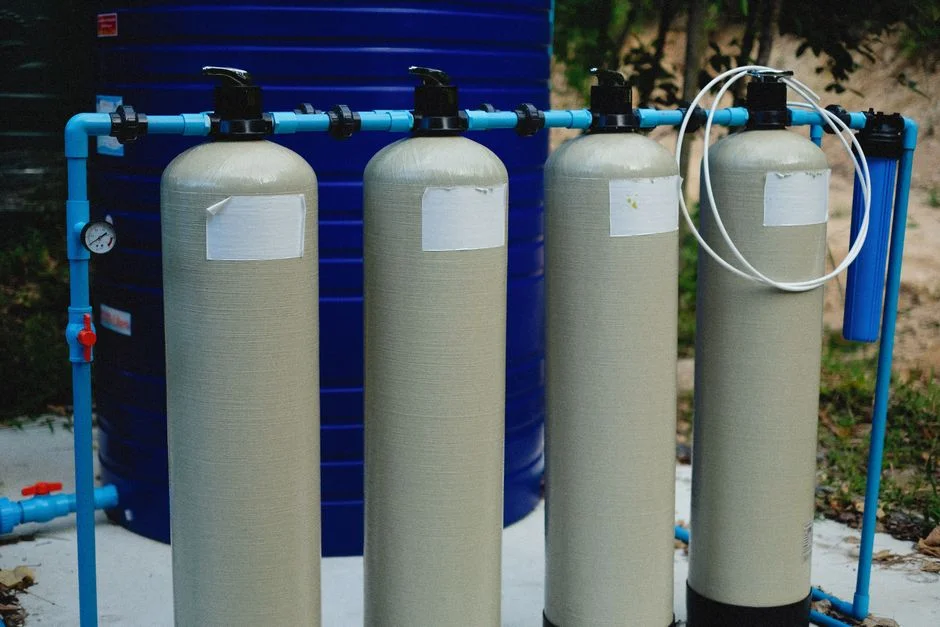
Defensible cost benchmarks let the deal team argue down seller representations or size the escrow rather than discover the number post-closing. The bands below are 2025–2026 planning ranges, not quotes, so they survive counsel and IC review without being challenged on contractor-specific line items (HydropureWater field data, 2026). A basic ETP upgrade for capacity or parameter compliance runs USD 280–620 per m³/day treated, civil plus electromechanical, no major process change. An MBR cassette swap plus balance of plant is a near-certain line item when cassettes are more than 7 years old, given the 5–8 year service life — a line item that almost never appears in the seller's maintenance budget. A semi-specific advanced treatment add-on is triggered when Phase II detects API, antibiotic residue, or solvent above spec: fluoride-specific IX, ammonia stripping, or a solvent recovery stilling column. RO plus evaporator/crystallizer ZLD is the retrofit for high-salinity effluent or an ESG-driven zero-discharge mandate: USD 2.8M–11M for an RO-plus-evaporator scope, with full ZLD reaching USD 5M–15M (HydropureWater field data, 2026); benchmark against the 2026 PCB hybrid ZLD case at 99.8% copper recovery. Hazardous sludge removal and disposal runs USD 80–450 per tonne, and an undocumented lagoon can represent 200–2,000 tonnes of working-capital exposure.
Worked example for a 1,200 m³/day pharmaceutical plant: 80th-percentile basic ETP upgrade at USD 496/m³/day × 1,200 m³/day = USD 595K. Apply a 0.6 probability of historical BOD exceedance and 4 years of exposure: USD 595K × 0.6 × 4 = USD 1.43M reserve floor. Add MBR cassette replacement at 7-year age: a near-certain USD 420K–1.8M line, which is the buyer's problem at closing.
| Remediation band | Scope | 2026 cost band |
|---|---|---|
| Basic ETP upgrade | Capacity or parameter compliance; civil + electromechanical | USD 280–620 per m³/day treated |
| MBR cassette swap + BOP | Cassette replacement; ancillary balance of plant | USD 420K–1.8M (line item at >7 yr cassette age) |
| Semi-specific advanced treatment | API/antibiotic/solvent above spec; IX, stripping, stilling column | Site-specific; sized to Phase II findings |
| RO + evaporator/crystallizer ZLD | High-salinity effluent; zero-discharge mandate | USD 2.8M–11M (full ZLD USD 5M–15M) |
| Hazardous sludge removal | Characterization + transporter class + disposal | USD 80–450/tonne |
Converting Phase II findings into SPA mechanics
The most common gap in environmental M&A is a clean Phase I/II report that never makes it into the SPA in a form the buyer can enforce. Audit findings need to be converted into specific contractual language before signing — a Phase II cost band that lives only in a deck is not buyer protection. The contract workstream should produce the following:
- Specific environmental reps and warranties. Cover permit validity, no outstanding notices of violation, accuracy of disclosed production and influent/effluent data, and completeness of the sludge contractor chain. A "to the best of the seller's knowledge, the company is in compliance" representation is a known weak form.
- Pre-closing contamination indemnity scoped to Phase II findings, with a defined remediation standard (e.g., local industrial-use cleanup levels) and 3–5 year survival — more useful than a general environmental basket because it is claim-specific.
- Escrow anchored to the Phase II cost band rather than a flat percentage. A USD 0.5M–2M band on a USD 50M deal is roughly 3–4% holdback, not the 5–15% that gets used as a default. Tie the percentage to the actual remediation band and the deal team walks into IC with a number that survives both finance and environmental counsel scrutiny.
- Retained Phase II investigation rights against any "no further investigation" clause, with a defined claim window.
- R&W survival of 5+ years (well beyond the 12–18 month standard) for ETP-heavy pharma targets, plus a specific environmental indemnity outside the basket-and-cap.
- Regulatory change cost-sharing for post-closing EU IED recast (BAT-AEL compliance milestones through 2027) and China GB 8978-2025, which tightens COD, ammonia nitrogen, and total phosphorus for industrial wastewater. Targets whose permits were grandfathered under GB 8978-1996 will require renegotiation within 12 months of closing.
The NPDES and pretreatment permit transfer checklist should be on the deal-team workstream alongside these mechanics so permit validity is verified, not assumed.
Post-close capex roadmap sized to a pharma ZLD end-state
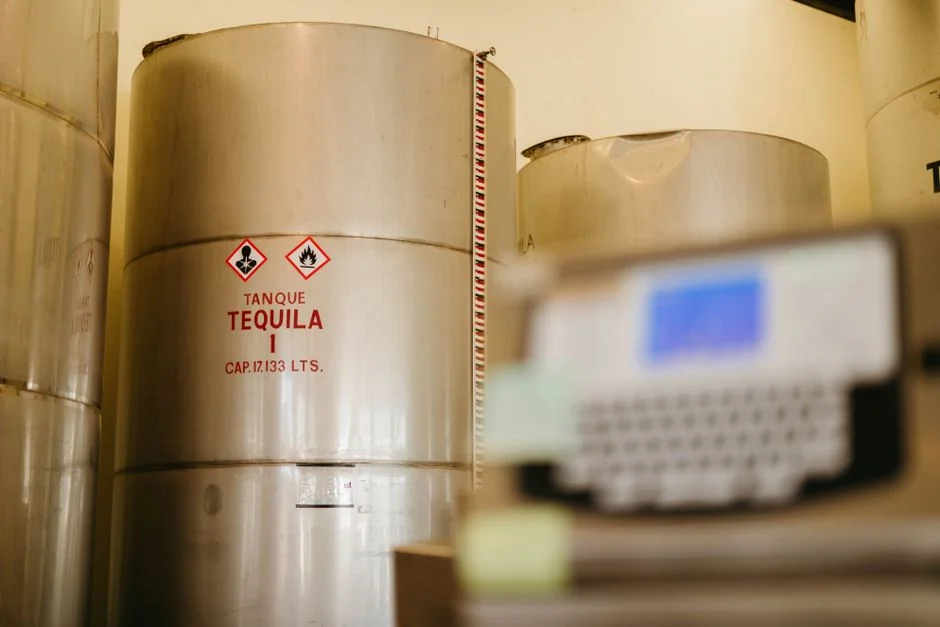
Post-close, the audit outputs become a sequenced capex plan the operations team can execute the day after closing. The roadmap is sized to a pharmaceutical end-state of ETP plus RO plus ZLD with semi-grade reuse polishing — a configuration increasingly required in pharma ESG and water-stewardship disclosures, where 40 CFR 403 pretreatment compliance expectations frame the receiving-water risk for any discharge to a POTW.
- Months 0–3: install an automatic chemical dosing system and a rotary mechanical bar screen. Lowest cost, highest control improvement for sites currently dosing manually or with degraded screening.
- Months 3–9: add an MBR membrane bioreactor for biological capacity and a high-efficiency sedimentation tank for primary clarification upgrade; restores 60–70% TSS removal at the primary stage.
- Months 9–18: install an industrial RO system for reuse-quality polishing to feed process-grade loops.
- Months 12–24: close the loop with ZLD (RO concentrate routed to evaporator/crystallizer — multiple effect evaporator retrofit options cover the engineering basis) and add a plate and frame filter press for sludge dewatering to close out the sludge chain flagged in the Phase I review.
Sequence low-cost control fixes first so the Phase II operating data can size the membrane and ZLD capex against actual loading, not the seller's design basis. The end-state of ETP plus RO plus ZLD with semi-grade reuse is increasingly a hard requirement in pharma ESG disclosures and a defensible answer to Merck's water-stewardship commitments.
Frequently Asked Questions
How long does a pharma ETP due diligence audit take and what does it cost?
Phase I paper review runs 2–4 weeks at USD 25K–75K and delivers a red/amber/green issues memo pre-signing. Phase II sampling runs 4–8 weeks at USD 60K–150K and delivers a quantified liability schedule signing-to-closing or in the first 100 days (HydropureWater field data, 2026). For a pharmaceutical target, the Phase II parameter list expands beyond the standard BOD/COD/TSS/pH/heavy-metals base to include total nitrogen and phosphorus, sulfates, chlorides, API class-specific panels, antibiotic residues, AOX, and a WET bioassay — each addition priced into the lab program.
What is the right escrow percentage for a pharmaceutical ETP liability?
Escrow is typically 5–15% of purchase price held for 12–24 months, but the percentage should be anchored to the Phase II remediation cost band rather than a flat number. A USD 0.5M–2M Phase II band on a USD 50M deal warrants a 3–4% holdback, not 10%; a USD 5M+ plume tail with documented consent-decree exposure warrants the upper end. Cost-band-driven sizing preserves capital while still covering the worst-case remediation scenario surfaced in the Phase II report.
Which regulatory changes should the SPA address for a cross-border pharma target?
Any EU-domiciled target needs a regulatory change cost-sharing clause for the EU IED recast, with BAT-AEL compliance milestones running through 2027. Any China-domiciled target whose permit was grandfathered under GB 8978-1996 will need renegotiation within 12 months of closing because GB 8978-2025 tightens COD, ammonia nitrogen, and total phosphorus for industrial wastewater. India-domiciled targets require a 90–180 day pre-signing Consent-to-Operate transfer application and a State Pollution Control Board site inspection; the deal team should flag the timeline against the exclusivity period or extend the long-stop date.
What is the 2026 ZLD retrofit cost band for a pharmaceutical ETP?
RO plus evaporator/crystallizer ZLD runs USD 2.8M–11M for a partial-scope ZLD on high-salinity effluent; full ZLD reaches USD 5M–15M depending on influent characterization, discharge destination, and the value of recoverable byproducts (HydropureWater field data, 2026). The 2026 PCB hybrid ZLD case achieving 99.8% copper recovery is the working benchmark for any pharma target considering a ZLD end-state.