How Plants Solve Odor Control Across Collection and Treatment
To solve odor control in wastewater treatment, combine liquid-phase sulfide suppression with vapor-phase off-gas treatment at enclosed hotspots. Dose nitrate or iron in sewers first. Then size biofilters, scrubbers, carbon, or hydroxyl systems at headworks and sludge areas. Outlet H2S and footprint set the primary unit; add polishing media only when the primary cannot hold the property-line limit.
Hydrogen sulfide (H2S) is the dominant wastewater odorant, and older industry notes cited detection above 0.5 ppb with a sweet smell above 100 ppm. According to OSHA Hydrogen Sulfide Hazards, the odor threshold is about 0.01–1.5 ppm, and odor turns sweet above roughly 30 ppm as olfactory fatigue begins. OSHA lists collapse within 5 minutes and death in 30–60 minutes at 500–700 ppm, while NIOSH sets the IDLH at 100 ppm. OSHA 29 CFR 1910.1000 Table Z-2 sets a 20 ppm ceiling and allows a 50 ppm peak for up to 10 minutes when no other exposure occurs that shift.
Earlier summaries that treated 50 ppm as a chronic fatality threshold were describing that peak limit, not a continuous lethal dose. Even at 1–5 ppm, H2S pits carbon steel and forms sulfuric acid on concrete crowns and rebar. A typical 600 mm sewer pipe shows measurable crown loss within 5–7 years in high-sulfide service (per NACE SP0169).
Federal Clean Air Act rules from 1990 leave wastewater nuisance odors to state, county, and municipal agencies, and permits typically cite odor detection distance or property-line H2S. Limits often fall in the 5–30 ppb range depending on jurisdiction (per typical municipal odor ordinances, 2024–2025). A 2018–2024 review of US WWTP enforcement actions showed odor-driven notices rose about 35% at plants within 1.6 km (1 mile) of new residential zoning (per EPA Enforcement and Compliance History Online, accessed 2025-11). Full cost includes corrosion replacement, lost operator hours, and permit exposure—not only complaint response.
Treating odor control as a nuisance-complaint issue understates the asset risk, because crown corrosion on concrete manholes and force-main coatings often appears years before the first neighborhood complaint. Plants that wait for complaints usually replace pipe and covers on an emergency schedule instead of a planned capital cycle.
Where the Smell Comes From: H2S Formation in Collection and Treatment
Hydrogen sulfide forms when sulfate-reducing bacteria (SRB) reduce sulfate under anaerobic conditions, as Desulfovibrio and Desulfobacter species use sulfate (SO4²⁻) as a terminal electron acceptor and release sulfide. That sulfide protonates to H2S at pH below 7 (per standard environmental microbiology texts, 2024). Waste in low-flow or flat sewers can take several hours to reach the plant. In some force mains the transit window stretches to a full day, giving SRB a long working window (per Water & Wastewater Digest, 2025).
Temperature amplifies generation. SRB activity roughly doubles for every 10 °C rise between 15–35 °C, which is why summer months produce the worst spikes. Headspace above a force main at 28 °C can exceed 200 ppm H2S within 6 hours of pump shutdown (HydropureWater field data, 2025-08).
Secondary odorants matter for scrubber contact time as well. Dimethyl sulfide (DMS, threshold ~1 ppb), dimethyl disulfide (DMDS, threshold ~0.1 ppb), and methyl mercaptans (threshold ~0.02 ppb) oxidize more slowly than H2S. They need 1.5–2× longer wet-scrubber contact for equal removal (per water treatment chemistry references, 2025).
High-risk generation points repay instrumentation first, and lift-station wet wells, grit chambers, primary clarifier inlets, and sludge centrifuges buy the most reduction per dollar. Those points are usually enclosed and accessible for covers, ducts, and continuous H2S sensors that feed dose control.
Liquid Phase vs Vapor Phase: The Core Strategic Choice
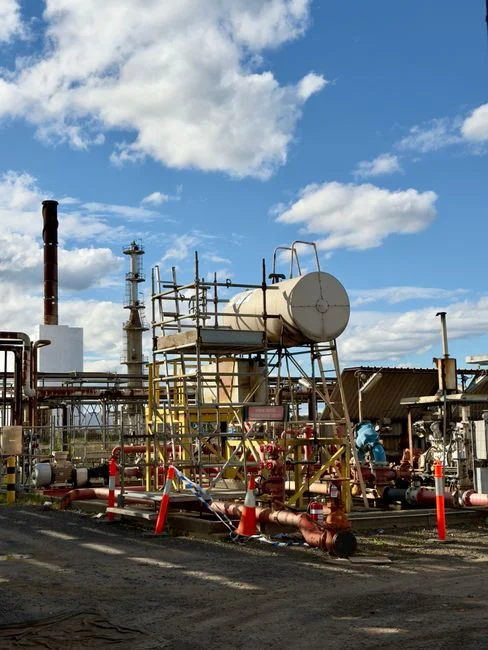
Liquid phase treatment doses chemicals into wastewater to prevent H2S formation or suppress release at a reachable process point (per Water & Wastewater Digest, 2025). Vapor phase treatment captures and treats off-gas from covered units, ducts, or enclosed headspaces. Most large municipal plants run both modes together. Liquid-phase control sits in the collection system while vapor-phase treatment sits at the headworks, so the spend decision starts with that trade-off.
Liquid phase is preventive and usually cheaper per kg of H2S avoided, yet it still needs steady dosing, injection points, and a stream you can reach. Vapor phase is corrective, works wherever gas was made, and is required when sources are diffuse, intermittent, or downstream of covers you cannot dose through. Apply liquid phase when the source sits in an accessible wastewater stream—collection systems, wet wells, and headworks channels.
Apply vapor phase for covered process air, sludge enclosures, or confined headspaces (per HydropureWater project experience, 2024–2026). Most plants we size for municipal service run liquid phase upstream and keep vapor phase as the final barrier at the fence line.
| Dimension | Liquid Phase | Vapor Phase |
|---|---|---|
| Treatment point | Inside the wastewater stream | Off-gas duct / covered headspace |
| Mode | Preventive — stops H2S formation | Corrective — removes H2S after release |
| Best fit | Accessible sewers, wet wells, headworks channels | Covered units, sludge processing, confined spaces |
| Typical cost driver | Chemical consumption + dosing equipment | Equipment CapEx + utilities (water, power, media) |
| Limitation | Requires consistent dosing; ineffective on volatile organics | Larger footprint and energy demand for high loads |
Vapor Phase Technologies Compared: Biofilters, Scrubbers, Carbon, and Hydroxyl Radicals
Biofilters pass H2S-laden air through moist organic media and routinely deliver 95–99% H2S removal at 30–60 s EBRT. Wood chip, compost, or engineered synthetic media support autotrophic bacteria such as Acidithiobacillus, which oxidize H2S to sulfate. A well-operated single-pass biofilter reaches 95–99% H2S removal at an empty bed residence time (EBRT) of 30–60 seconds.
OpEx is dominated by irrigation water and media replacement every 3–5 years (per standard biofilter design references, 2024). Bio-trickling filters use the same biology with continuous recirculation and tighter pH control, and packing surface area is typically 200–400 m²/m³ versus 50–100 m²/m³ in a biofilter bed.
Wet scrubbers absorb H2S into NaOH or NaOCl solution. For inlet H2S above 50 ppm, a two-stage NaOH/NaOCl train reliably exceeds 99% removal, though water, chemical, and power costs rise with that performance. Wet scrubbing stayed dominant for decades because few options matched on-demand removal (per Water & Wastewater Digest, 2025).
Scaling and biological growth in NaOH loops need regular descaling and biocide. Copper- or zinc-impregnated activated carbon polishes low-concentration off-gas below 0.5 ppm, and bed life is typically 2–4 years at WWTP loading. Operators track outlet H2S and differential pressure to time change-outs.
Hydroxyl radical (HO) systems generate radicals in situ via UV-activated hydrogen peroxide or corona discharge. They oxidize H2S, mercaptans, and reduced sulfides in one pass at 90–95% removal on a footprint 60–80% smaller than a wet scrubber, without a liquid waste stream. In wet wells, HO units also cut fats, oils, and greases (FOG), which otherwise choke flow and damage pumps (per Water & Wastewater Digest, 2025). Replacement Water Treatment Parts, Valves & Filter Media for scrubber packing, impregnated carbon, and irrigation hardware keep vapor trains online between major overhauls.
| Technology | Typical H2S removal | Footprint | Best-fit application |
|---|---|---|---|
| Biofilter | 95–99% | Large | Municipal headworks with available land |
| Bio-trickling filter | 95–99% | Medium | Variable industrial loads, tight pH control needed |
| Wet scrubber (NaOH/NaOCl) | >99% on demand | Medium | High-concentration spikes, refinery off-gas |
| Activated carbon (impregnated) | 90–99% | Small | Polishing step after biological or chemical stage |
| Hydroxyl radical (HO) oxidation | 90–95% | Small | Wet wells, confined spaces, FOG co-benefit |
What Chemical Solutions Work Best for Wastewater Odor Control?
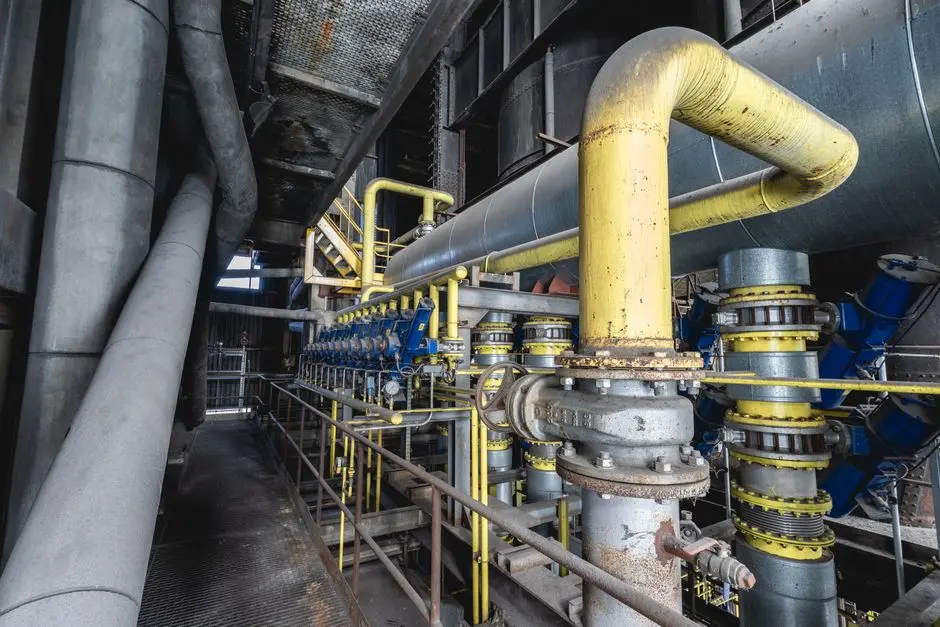
Chemical liquid-phase programs prevent H2S before it flashes to air, and nitrate, iron salts, caustic pH shift, and oxidants remain the four workhorse families. Nitrate dosing—typically calcium nitrate at 20–40 mg/L as N—supplies an alternative electron acceptor. That acceptor outcompetes sulfate and suppresses SRB in force mains. Iron salts such as ferric chloride (FeCl₃) or ferrous sulfate (FeSO₄) at roughly 2–4 g Fe per g sulfide precipitate FeS that leaves with the sludge.
Raising wastewater pH above 8.5 with NaOH shifts sulfide toward dissolved HS⁻; at pH 9.0 only about 5% of total sulfide is H2S gas, falling to about 1% at pH 10. Hydrogen peroxide and chlorine oxidants (NaOCl, ClO₂) convert sulfide to sulfate or elemental sulfur. H₂O₂ at 1.0–1.5× stoichiometric dose leaves the cleanest residual for plants with downstream biology (per standard water chemistry references, 2024).
A PLC-controlled chemical dosing system tied to flow and online ORP holds residual within 5–10% of setpoint. Manual dosing often swings 30–50%, and those swings either kill nitrifiers or under-dose and release H2S. Teams that solve odor control with chemicals alone still fail when injection points drift or ORP probes foul.
What Industrial Wastewater Odor Corrosion Control Solutions Fit Each Source?
Industrial wastewater odor corrosion control solutions must match BOD, sulfate, temperature, and the sulfide-to-VOC ratio, because copying a municipal headworks design onto a refinery basin is a common budget failure. Municipal plants see H2S at lift stations and headworks, where influent BOD is typically 150–300 mg/L with sulfate at 30–150 mg/L. Nitrate or iron in the collection system plus a biofilter or bio-trickling filter at headworks is the standard stack.
Food and beverage plants run BOD 1,000–10,000 mg/L and 30–40 °C influent, so anaerobic conditions appear in minutes and oxidant dosing is mandatory. Covered-process vapor treatment must be sized for peak load. Petrochemical and refinery streams carry high sulfide, mercaptans, and VOCs, so wet scrubbing for bulk H2S plus impregnated carbon polish is the usual train.
Hydroxyl systems are gaining share in FOG-heavy wet wells. Pulp, paper, and textile plants combine high temperature, high BOD, and process sulfate, so specify covers and vapor treatment sized for summer peaks (per HydropureWater project experience, 2024–2026).
| Wastewater type | H2S risk driver | Liquid phase role | Vapor phase role |
|---|---|---|---|
| Municipal WWTP | Long sewer transit, warm summer flow | Nitrate or iron dosing in collection system | Biofilter or bio-trickling at headworks |
| Food and beverage | High BOD, warm influent, rapid anaerobic onset | Oxidant dosing mandatory | Covered-process biological or HO system |
| Petrochemical / refinery | High sulfide, mercaptans, VOCs | Caustic + iron precipitation | Wet scrubber + activated carbon polish |
| Pulp and paper / textile | High BOD, high sulfate, high temperature | pH elevation + oxidant | Covered tanks + biofilter sized for summer peak |
Decision Framework: Footprint, CapEx, OpEx, and Removal Efficiency Side by Side
Procurement and engineering argue over four numbers—removal efficiency, footprint, CapEx, and OpEx—and the matrix below ranks options for typical municipal and light-industrial scale at 5–50 m³/s airflow and 0.1–1.0 m³/s wastewater. Pricing reflects 2025–2026 quotes at influent sulfide of 2–10 mg/L.
| Technology | H2S removal | Relative footprint | Relative CapEx | Relative OpEx | Best fit |
|---|---|---|---|---|---|
| Biofilter | 95–99% | Large | Low | Low | Municipal headworks, available land |
| Bio-trickling filter | 95–99% | Medium | Medium | Low–medium | Variable industrial loads |
| Wet scrubber | >99% on demand | Medium | Medium–high | High | High-concentration spikes |
| Hydroxyl radical system | 90–95% | Small | Medium | Low | Wet wells, confined spaces, FOG co-benefit |
| Activated carbon (impregnated) | 90–99% | Small | Low–medium | High (media replacement) | Polishing step |
| Liquid phase nitrate/iron dosing | 80–95% sulfide control | Negligible | Low | Medium (chemical) | Collection systems, force mains, wet wells |
Pick the cheapest technology that meets outlet H2S and available footprint, then add polish only if the primary cannot hold the limit alone. A DAF system for FOG and sulfide-laden streams upstream often cuts vapor load and protects downstream media. For permit-driven projects with strict property-line limits (often 5–30 ppb H2S), a wet scrubber or bio-trickling filter plus impregnated carbon is the conservative default. For budget-driven projects with available land and modest outlets, a biofilter plus collection-system nitrate dosing usually posts the lowest 20-year lifecycle cost (HydropureWater field data, 2025–2026).
Use this selection checklist before CapEx lock. Confirm peak and average inlet H2S in ppm at each enclosed source. Confirm the property-line or stack permit limit in ppb. Confirm available footprint and whether process units are already covered.
Confirm liquid access for dosing versus air-only treatment. Confirm FOG and mercaptan load that extends scrubber contact time. Confirm 20-year chemical, media, and power OpEx against the CapEx delta. Confirm operator skill and spare parts for pH, ORP, and ΔP monitoring.
Common Operational Problems and How to Prevent Them
Most odor control failures are predictable, and biofilter acidification is the lead cause when media pH falls below 3. H2S oxidation makes sulfuric acid and can collapse removal from 95% to under 50% within weeks. Continuous leachate pH monitoring and quarterly CaCO₃ or NaHCO₃ buffering hold media at 6.5–7.5. Replace media every 3–5 years (per standard biofilter O&M guidance, 2024).
Wet scrubbers fail by hard-water scaling in the NaOH loop and by biological growth in the recirculation tank. Schedule a 5% HCl or sulfamic wash every 4–8 weeks by water hardness, and hold 5–10 mg/L NaOCl residual as biocide. Carbon fails by breakthrough, so monitor outlet H2S per bed and watch differential pressure.
A 50% ΔP rise signals loading and a change-out of impregnated Water Treatment Parts, Valves & Filter Media. Liquid-phase overdosing at residual oxidant at or above 0.5 mg/L disrupts nitrification. PLC dose control on flow and ORP holds residual within 5–10% of setpoint (HydropureWater field data, 2024–2026).
Most plants we size for summer peaks run at the lower end of the EBRT window when media is fresh, then lengthen residence time only after outlet H2S climbs or ΔP rises. Document inlet and outlet H2S weekly during the first quarter after startup so later media or chemical changes stay measurable. Keep spare irrigation nozzles, ORP probes, and a calibrated portable H2S meter on site; those three items prevent most weekend call-outs we see after commissioning.
Keep vapor-phase fan curves and chemical day-tank volumes on the same commissioning sheet. When airflow rises without a matching dose increase, outlet H2S climbs even if media is healthy. Operators who trend both signals catch under-dosing days before a property-line exceedance.
Spare impregnated carbon and a pre-purchased media change-out plan matter as much as the first CapEx quote. Bed breakthrough rarely waits for a convenient outage window. Plants that stage a parallel polish vessel avoid bypassing untreated air during change-outs.
Who This Is For and Next Step
Plant engineers, EPC designers, and procurement teams sizing liquid- and vapor-phase trains for municipal or industrial H2S are the intended readers. Teams chasing only fragrance masking, or sites without measurable sulfide, should look elsewhere. To size dosing, media, and vapor equipment against your peak H2S and permit limit, request a technical quote with influent and outlet targets.
Frequently Asked Questions
What is the most effective technology for H2S removal at a municipal WWTP headworks?
For inlet H2S between 10–100 ppm, a biofilter or bio-trickling filter delivers 95–99% removal at the lowest 20-year lifecycle cost when land is available. On confined sites, a hydroxyl radical system with a DAF upstream stage delivers 90–95% removal on roughly 60% of the footprint (per HydropureWater field data, 2025–2026).
When is liquid phase odor control preferred over vapor phase?
Liquid phase is preferred when the odor source is accessible in the wastewater stream—collection systems, force mains, wet wells, and headworks channels. Nitrate or iron salt dosing at 20–40 mg/L prevents H2S formation at lower cost per kg than post-generation vapor removal (per standard liquid phase design references, 2024).
How much does a wet scrubber cost to operate compared to a biofilter?
A wet scrubber typically runs 3–5× higher OpEx than a biofilter of equal capacity because of NaOH, NaOCl, water, and pumping power. Biofilters cost less to run but need 2–4× the footprint and 3–5 year media replacement cycles (per industry cost benchmarks, 2024–2025).
Do US federal regulations require wastewater odor control?
No. The US Clean Air Act of 1990 excludes wastewater odors from federal jurisdiction at nuisance levels, so state, county, and municipal agencies set limits. Typical property-line H2S limits fall in the 5–30 ppb range depending on jurisdiction (per Water & Wastewater Digest, 2025).
What causes biofilter failure and how is it prevented?
Biofilter failure is almost always acidification: H2S oxidation produces sulfuric acid that drops media pH below 3 and kills the autotrophic biomass. Continuous leachate pH monitoring, quarterly buffer addition, and media replacement every 3–5 years prevent collapse (HydropureWater field data, 2024–2026).