What the Law Actually Says: NESREA, FMEnv, DPR and the 0.2 mg/L Rule
Nigeria's sulfide discharge limit is 0.2 mg/L (as S2-/H2S) for industrial and municipal effluents under the NESREA National Environmental (Surface and Groundwater Quality Control) Regulations S.I. No. 28 of 2009. The petroleum sector is held to the same 0.2 mg/L threshold by the FMEnv EGASPIN 2018 revision and DPR/NUPRC guidelines, while produced water and refinery wastewater are routinely treated from 50–500 mg/L down to the limit using pH-controlled stripping, FeCl3 precipitation, or biological oxidation. NAFDAC's effluent rules for food and beverage plants discharging to municipal sewers carry the same 0.2 mg/L value but add a binding pH window of 6.5–8.5, meaning the compliance officer must discharge both sulfide and pH in the same sample run. WHO's aesthetic guideline of 0.05 mg/L H2S is non-binding in isolation, but it becomes the operative number in any catchment that feeds a public water supply — which is most of Lagos, Port Harcourt, and Kano. A facility that hits 0.2 mg/L at the discharge point can still be cited if the receiving stream drifts past WHO at the abstraction point downstream. A 2025 DPR enforcement sweep in Port Harcourt documented a tannery shutdown at 0.7 mg/L total sulfide in the final effluent — three times the limit and well above the WHO trigger — so inspectors are reading lab sheets, not headlines.
| Standard | Issuing Body | Sulfide Limit | Applicable Facility |
|---|---|---|---|
| S.I. No. 28 of 2009 (Surface & Groundwater Quality) | NESREA | 0.2 mg/L (as S2-) | Any industrial or municipal effluent to surface/groundwater |
| EGASPIN 2018 revision | FMEnv | 0.2 mg/L dissolved sulfide | Produced water, refinery desalter effluent |
| DPR/NUPRC Environmental Guidelines | NUPRC (formerly DPR) | 0.2 mg/L upstream, 0.5 mg/L downstream refinery | Upstream/midstream oil & gas, downstream refinery |
| NAFDAC Effluent Rules | NAFDAC | 0.2 mg/L, pH 6.5–8.5 | Food & beverage, brewery, abattoir to municipal sewer |
| WHO Guidelines for Drinking-Water Quality (4th ed.) | WHO | 0.05 mg/L H2S (aesthetic) | Catchments feeding public water supply |
Why Sulfide Behaves the Way It Does: pH, H2S Gas, and the 7.0 pKa
The pKa1 value of 7.0 governs the equilibrium H2S ⇌ HS- + H+ in sulfide treatment. Above pH 7, sulfide is predominantly bisulfide (HS-), odorless, and fully soluble; below pH 7, it is overwhelmingly hydrogen sulfide (H2S), volatile, and toxic, with a rotten-egg odor detectable at 0.5 ppb by the human nose. Nigerian industrial wastewater typically arrives at pH 6.5–8.5, which means 30–95% of total sulfide sits in the volatile H2S fraction and will off-gas from any open tank, equalization basin, or sewer — a worker-safety problem under the NESREA Effluent Limitation Regulations and a guaranteed odor complaint from any neighbouring community. Total sulfide reported on a lab sheet is the sum of dissolved H2S + HS- + S2-, and labs in Lagos and Port Harcourt almost always report it as mg/L S2-, with the conversion 1 mg/L S2- = 1.04 mg/L H2S. That 4% delta is small but worth tracking when checking against a 0.2 mg/L limit to two decimals. Consequently, any treatment train must either fix pH first to keep sulfide in solution for precipitation or biological oxidation, or push pH below 6 to strip it into the gas phase for capture in a caustic scrubber. The pH setpoint chosen will dominate every downstream CAPEX and OPEX line, which is why the technology comparison below is structured around influent pH as much as influent concentration.
Four Technologies That Hit 0.2 mg/L: Stripping, Precipitation, Oxidation, Biological
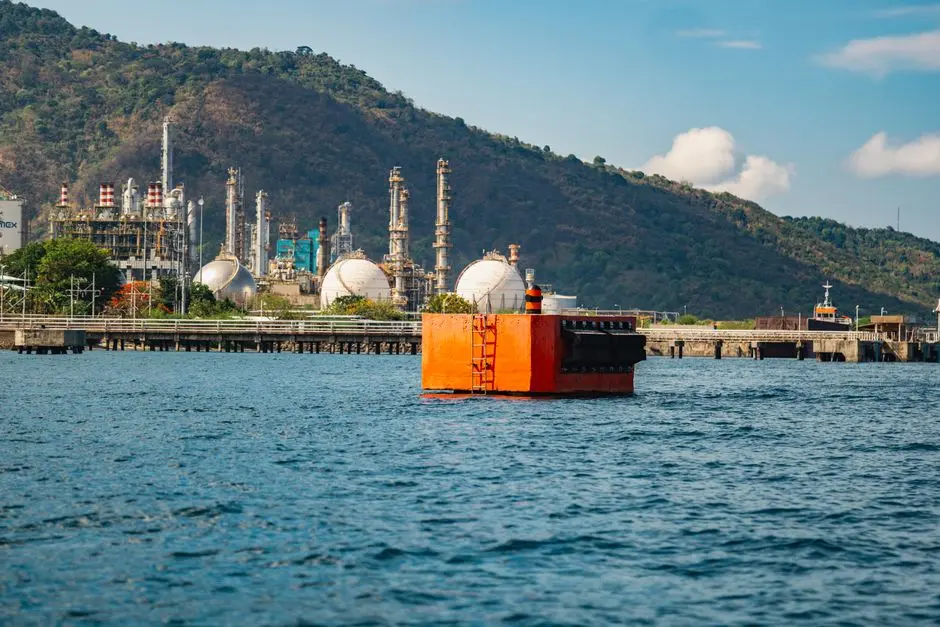
Four unit operations dominate the Nigerian market for sulfide removal: packed-tower air stripping, FeCl3 chemical precipitation, chlorination, and biological oxidation. Packed-tower air stripping operated at pH 5.5–6.5 achieves 95–99.9% removal of total sulfide across an influent range of 50–500 mg/L, which is the typical envelope for oil and gas produced water and refinery desalter effluent; CAPEX runs USD 250–600 per m³/d (HydropureWater field data, 2026), and OPEX is dominated by NaOH for pH trim plus blower kWh. FeCl3 chemical precipitation at a 2–5× molar Fe:S ratio delivers 80–95% removal and produces an FeS sludge that dewaters well on a plate-and-frame press; it suits tanneries and metal-finishing plants where ferric chloride is already stocked for chromium or phosphorus control. Chlorination and NaOCl oxidation both reach 90–99% removal with fast kinetics, but the stoichiometric dose of 8–10 mg Cl2 per mg S2- means reagent cost is the primary expense — chlorine landed in Lagos runs USD 1.20–1.80 per kg (per regional chemical distributors, 2025-Q4), so chlorination is OPEX-heavy above 100 mg/L influent and rarely specified for produced water. Biological sulfide oxidation using Thiobacillus thiooxidans in an activated-sludge or MBBR configuration delivers 95–99.5% removal at a loading rate of 1.5–2.0 kg S/m³·day with zero chemical reagent, and it requires temperatures above 25°C — which Nigerian ambient conditions satisfy year-round outside of harmattan mornings. For a deeper process selection framework, the sulfide removal technology buyer's guide walks through CAPEX/OPEX trade-offs in more detail. Where reagent accuracy matters, a PLC-controlled chemical dosing skid keeps the Fe:S molar ratio inside ±5% across variable influent flows.
| Technology | Removal % | CAPEX (USD/m³/d) | OPEX Drivers | Best-Fit Sector in Nigeria |
|---|---|---|---|---|
| Packed-tower air stripping (pH 5.5–6.5) | 95–99.9% | 250–600 | NaOH, blower kWh | Oil & gas produced water, refinery desalter |
| FeCl3 precipitation (2–5× molar) | 80–95% | 120–300 | FeCl3, sludge hauling | Tannery, textile, metal finishing |
| Chlorination / NaOCl (8–10 mg Cl2/mg S2-) | 90–99% | 80–200 | Chlorine reagent | Low-strength (<100 mg/L) food & beverage |
| Biological sulfide oxidation (Thiobacillus, MBBR) | 95–99.5% | 300–700 | Aeration kWh, sludge | Brewery anaerobic sidestream, abattoir, refinery polishing |
Treatment Trains by Sector: Oil & Gas, Tannery, Brewery, Abattoir
Industrial treatment trains vary by sector to address specific contaminant loads and discharge points. For oil and gas and refinery duty, the working train is equalization → oil-water separator (DAF) → pH adjustment to 5.5 with sulfuric or hydrochloric acid → packed-tower air stripping → caustic scrubber for the off-gas H2S stream → polishing MBBR. Total CAPEX lands in the USD 800–1,500 per m³/d band and consistently delivers <0.2 mg/L sulfide at the outlet, with the stripped H2S recovered as NaHS or elemental sulfur rather than vented (HydropureWater field data, 2026). For tannery and textile facilities, the right move is to segregate the sulfide-bearing liming and unhairing stream from the chrome-bearing streams — a separation that most Nigerian tanneries skip and that is the single biggest reason they fail audits — then run the sulfide stream through FeCl3 precipitation at 3× molar, followed by DAF clarification and a biological polishing step for residual BOD. A dissolved air flotation unit sized for 10–20 m³/h handles the FOG and precipitated FeS load in a single tank. Brewery and food-and-beverage effluent already carries 50–200 mg/L S2- in the anaerobic digestate; the cost-effective move is to send that concentrate to a sidestream biological sulfide oxidation MBBR before it re-enters the mainstream aeration basin, which preserves the biogas value and prevents H2S stripping inside the digester. An MBR integrated wastewater system downstream secures the 0.2 mg/L line and drops residual BOD below 20 mg/L in one compact footprint. For abattoir and municipal sewage, sulfide at 5–30 mg/L in collection systems responds well to forced-ventilation sewer air stripping or nitrate-dosed biological oxidation; the priority is to avoid anaerobic conditions in lift stations, because sulfide generated upstream releases as H2S at the wet well and triggers both worker safety citations and ambient-air violations under NESREA. The FeS sludge from any precipitation train should finish on a plate-and-frame filter press at 25–35% dry solids for compliant disposal.
Choosing the Right Equipment for a Nigerian Site
Equipment specification for Nigerian sites must address both chemical requirements and local logistical constraints. A dissolved air flotation unit placed upstream removes oil, grease, and FOG that would otherwise foul stripping tower packing and blind biological carrier media within weeks — a failure mode that has taken more than one Aba plant offline. The PLC-controlled chemical dosing skid handles the precise pH trim and FeCl3 metering required for the precipitation trains, with flow-paced dosing that holds the Fe:S ratio inside ±5% across variable influent flows. Downstream, an MBR integrated wastewater system secures the <0.2 mg/L sulfide line and removes residual BOD/COD in a single tank, which compresses the civil footprint by roughly 40% versus a conventional activated-sludge plus clarifier train — a real saving on a constrained Port Harcourt or Apapa plot. Finally, a plate-and-frame filter press dewaters the FeS sludge from precipitation trains to 25–35% dry solids, which is the moisture range NESREA and state waste management authorities accept for landfill disposal. For a cost reference, the industrial wastewater OPEX breakdown translates these equipment picks into annual naira and dollar line items.
Frequently Asked Questions
What is the exact sulfide discharge limit in Nigeria?
The binding limit is 0.2 mg/L (as S2-) for any industrial or municipal effluent to surface or groundwater, set by NESREA S.I. No. 28 of 2009 and mirrored by FMEnv EGASPIN 2018 and DPR/NUPRC guidelines. WHO's 0.05 mg/L H2S aesthetic guideline becomes operative in catchments feeding public water supply.
At what pH does sulfide become a gas?
Above pKa