Canada’s Wastewater Discharge Standards: What Industrial Facilities Need to Know
In 2023, a food processing plant in Ontario received a non-compliance notice after its effluent failed the acute lethality test—killing 62% of rainbow trout in 96 hours. The root cause was un-ionized ammonia levels at 1.8 mg/L, exceeding Canada’s Wastewater Systems Effluent Regulations (WSER) limit of 1.25 mg/L. This case is not unique: 33% of reported effluent volume in Canada was undertreated in 2023, according to Environment and Climate Change Canada (ECCC) data, with failures most common in total suspended solids (TSS), biochemical oxygen demand (BOD), and acute lethality.
The WSER applies to any system discharging ≥100 m³/day of wastewater, including industrial facilities. Compliance requires meeting three tiers of standards:
- Numeric limits: BOD ≤ 25 mg/L, TSS ≤ 25 mg/L, un-ionized ammonia ≤ 1.25 mg/L, and pH 6.0–9.5.
- Acute lethality test: Effluent at 100% concentration must not kill more than 50% of rainbow trout in 96 hours.
- Monitoring/reporting: Daily flow measurements, weekly BOD/TSS sampling, and annual ECCC reports.
Industrial facilities face stricter scrutiny than municipal systems. While WSER sets baseline limits, provincial permits often add sector-specific requirements. For example:
- Pulp & paper: Alberta’s Environmental Protection and Enhancement Act regulates adsorbable organic halides (AOX) and color.
- Metal finishing: Ontario’s Environmental Compliance Approvals limit cadmium to 0.01 mg/L and chromium to 0.1 mg/L.
- Food processing: Quebec’s Regulation respecting municipal wastewater treatment works caps fats, oils, and grease (FOG) at 15 mg/L.
Non-compliance risks fines up to $1 million/day under the Fisheries Act, operational shutdowns, and reputational damage. Targeted treatment upgrades—like DAF systems for TSS removal or MBR technology for BOD compliance—can reduce undertreated effluent by 90%+.
Numeric Limits for Industrial Wastewater Discharge in Canada (2025)
Canada’s wastewater discharge limits rank among the strictest in North America. The following table consolidates WSER’s numeric limits, compares them to the Canadian Council of Ministers of the Environment (CCME) municipal standards, and shows typical industrial influent ranges—critical data for compliance planning.
| Parameter | WSER Limit (Industrial) | CCME Municipal Standard | Typical Industrial Influent Range | Notes |
|---|---|---|---|---|
| BOD5 (mg/L) | ≤ 25 | ≤ 25 | 200–2,000 | Food processing, pulp & paper, and breweries often exceed 1,000 mg/L. |
| TSS (mg/L) | ≤ 25 | ≤ 25 | 300–5,000 | Metalworking and mining effluents can exceed 10,000 mg/L. |
| Un-ionized ammonia (mg/L) | ≤ 1.25 | ≤ 1.25 | 5–50 | pH-dependent: higher pH increases un-ionized ammonia toxicity. |
| Total residual chlorine (mg/L) | ≤ 0.02 | ≤ 0.02 | 0.1–5 | Disinfection byproducts can fail acute lethality tests. |
| pH | 6.0–9.5 | 6.0–9.5 | 2–12 | Metal finishing and chemical manufacturing often have extreme pH. |
| Oil & grease (mg/L) | ≤ 15 | ≤ 15 | 50–1,000 | Food processing and petrochemical effluents are primary sources. |
| Cadmium (mg/L) | ≤ 0.01 | ≤ 0.01 | 0.05–5 | Metal plating and battery manufacturing effluents often exceed limits. |
| Chromium (total, mg/L) | ≤ 0.1 | ≤ 0.1 | 0.5–20 | Hexavalent chromium (Cr6+) is more toxic and regulated separately in some provinces. |
| Copper (mg/L) | ≤ 0.3 | ≤ 0.3 | 0.5–10 | Electronics manufacturing and metal finishing are key sources. |
| Lead (mg/L) | ≤ 0.01 | ≤ 0.01 | 0.05–2 | Battery recycling and ammunition manufacturing effluents often exceed limits. |
| Mercury (mg/L) | ≤ 0.001 | ≤ 0.001 | 0.0001–0.1 | Chlor-alkali plants and dental clinics are primary sources. |
| Nickel (mg/L) | ≤ 0.5 | ≤ 0.5 | 1–20 | Metal plating and stainless steel production effluents often exceed limits. |
| Zinc (mg/L) | ≤ 0.5 | ≤ 0.5 | 1–50 | Galvanizing and rubber manufacturing are key sources. |
| COD (mg/L) | N/A (WSER) | ≤ 250 (some provinces) | 500–10,000 | Ontario’s Environmental Compliance Approvals cap COD at 250 mg/L for some sectors. |
Key points:
- COD is not regulated under WSER, but provinces often impose limits (e.g., 250 mg/L in Ontario). Facilities should monitor COD as a proxy for BOD and organic load.
- Acute lethality failures are most common in effluents with high ammonia, chlorine, or toxic organics. The 96-hour rainbow trout bioassay is the definitive test—no numeric limit can substitute for it.
- Heavy metals pose compliance risks for metalworking, electronics, and chemical manufacturing. Even trace amounts (e.g., 0.01 mg/L cadmium) can trigger violations.
Municipal vs. Industrial Wastewater Standards: Key Differences
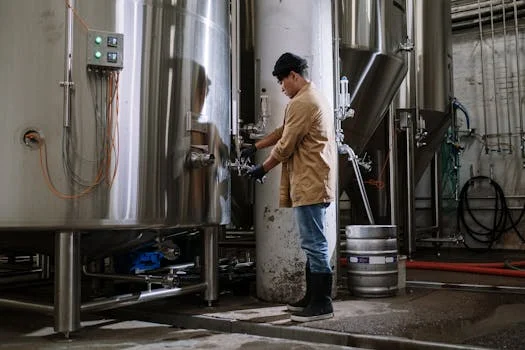
Industrial facilities often assume WSER’s limits apply uniformly to all dischargers, but provincial permits and sector-specific regulations create important distinctions. The following table highlights where industrial standards diverge from municipal requirements.
| Parameter | WSER (Municipal Baseline) | Industrial Standards (Provincial Examples) | Sectors Affected |
|---|---|---|---|
| BOD5 (mg/L) | ≤ 25 | ≤ 10 (Ontario pulp & paper) | Pulp & paper, food processing |
| TSS (mg/L) | ≤ 25 | ≤ 15 (Alberta metal finishing) | Metalworking, mining |
| Ammonia (mg/L) | ≤ 1.25 (un-ionized) | ≤ 5 (total, Quebec food processing) | Food processing, fertilizer |
| Phosphorus (mg/L) | N/A | ≤ 1 (Ontario dairy processing) | Agriculture, food & beverage |
| AOX (mg/L) | N/A | ≤ 0.8 (Alberta pulp & paper) | Pulp & paper, chemical manufacturing |
| Color (Pt-Co units) | N/A | ≤ 100 (British Columbia pulp & paper) | Pulp & paper, textiles |
| FOG (mg/L) | ≤ 15 | ≤ 10 (Ontario food processing) | Food processing, restaurants |
| PFAS (ng/L) | N/A | ≤ 20 (Ontario, emerging) | Electronics, firefighting foam |
| Acute lethality | ≤ 50% mortality (96h) | ≤ 10% mortality (some provinces) | Chemical manufacturing, pharmaceuticals |
Critical distinctions for industrial operators:
- Provincial permits override WSER for sector-specific parameters. For example, Alberta’s Environmental Protection and Enhancement Act requires pulp mills to monitor AOX, while WSER does not.
- Industrial facilities may need multiple permits. A food processor in Ontario might require:
- WSER compliance for BOD/TSS.
- An Environmental Compliance Approval for phosphorus and FOG.
- A Certificate of Approval for air emissions from anaerobic digesters.
- CCME’s role: The Canadian Council of Ministers of the Environment harmonizes standards but lacks enforcement power. Provinces adopt CCME guidelines selectively—Quebec follows CCME’s municipal standards but imposes stricter industrial limits for nitrogen.
- Emerging contaminants: PFAS, microplastics, and pharmaceuticals are unregulated under WSER but monitored in some provinces (e.g., Ontario’s Toxics Reduction Act).
How to Achieve Compliance: Treatment Technologies Compared
Technology selection depends on a facility’s specific compliance gaps. The following table compares the most effective systems for Canada’s top three compliance failures: TSS, BOD, and acute lethality. Data comes from HydropureWater’s field performance metrics (2025) and ECCC’s 2023 compliance reports.
| Technology | Target Parameter | Removal Efficiency | Capital Cost (CAD/m³/day) | OPEX (CAD/m³) | Footprint (m²/100 m³/day) | Best For |
|---|---|---|---|---|---|---|
| DAF (Dissolved Air Flotation) | TSS, FOG | 90–98% | $500–$1,200 | $0.10–$0.30 | 10–20 | Food processing, metalworking, pulp & paper |
| MBR (Membrane Bioreactor) | BOD, COD, nitrogen | 95–99% | $1,500–$3,000 | $0.40–$0.80 | 20–40 | High-strength organic waste (breweries, dairies) |
| Chemical Dosing (e.g., ferric chloride, PAC) | COD, phosphorus, metals | 70–90% | $200–$800 | $0.20–$0.50 | 5–10 | Pulp & paper, chemical manufacturing |
| Chlorine Dioxide (ClO₂) Disinfection | Acute lethality, pathogens | 99.9% (pathogen kill) | $300–$1,000 | $0.15–$0.40 | 5–15 | Facilities failing acute lethality tests |
| Plate & Frame Filter Press | Sludge dewatering | 95% solids capture | $400–$1,500 | $0.25–$0.60 | 15–30 | High-sludge industries (mining, food processing) |
| Advanced Oxidation (e.g., UV/H₂O₂) | Toxic organics, COD | 80–95% | $2,000–$5,000 | $0.80–$2.00 | 30–50 | Pharmaceuticals, petrochemicals |
Decision framework for technology selection:
- If TSS is your primary issue:
- Test influent TSS levels. If < 500 mg/L, a DAF system is likely sufficient.
- If > 500 mg/L, combine DAF with chemical coagulation (e.g., ferric chloride) for 95%+ removal.
- If BOD/COD is your primary issue:
- For BOD < 1,000 mg/L, an MBR system achieves 95%+ removal.
- For BOD > 1,000 mg/L, add anaerobic digestion upstream to reduce organic load by 70–80%.
- If acute lethality tests fail:
- Test for ammonia, chlorine, and toxic organics. If ammonia is the issue, adjust pH to 7.0–7.5 to shift un-ionized ammonia to the less toxic ionized form.
- If chlorine is the issue, switch to ClO₂ disinfection or UV treatment.
- If toxic organics are the issue, deploy advanced oxidation (e.g., UV/H₂O₂) or activated carbon.
Cost vs. compliance trade-offs:
- Lowest capital cost: Chemical dosing ($200–$800/m³/day) is ideal for facilities with moderate COD or phosphorus issues.
- Lowest OPEX: DAF systems ($0.10–$0.30/m³) are the most cost-effective for TSS removal.
- Highest removal efficiency: MBR systems (95–99% BOD removal) are the gold standard for high-strength organic waste but require the largest footprint and OPEX.
Common Compliance Failures and How to Fix Them
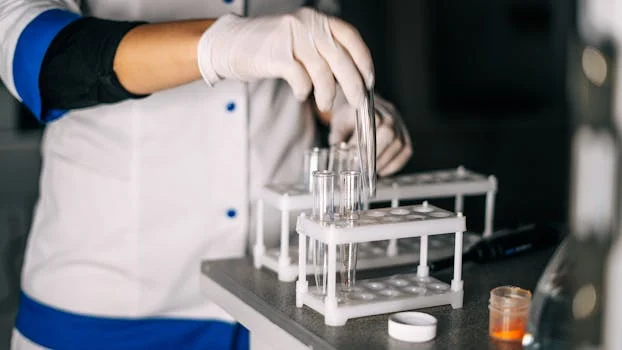
In 2023, 92% of undertreated effluent in Canada failed due to three issues: high TSS, high BOD, or acute lethality (ECCC). Below are the most frequent compliance failures, their root causes, and actionable fixes—based on HydropureWater’s troubleshooting data from 50+ industrial facilities.
1. Acute Lethality Test Failure
Symptom: Effluent kills >50% of rainbow trout in 96 hours.
Root causes:
- High un-ionized ammonia: pH > 8.5 shifts ammonia to the toxic un-ionized form (NH₃).
- Residual chlorine: Chlorine disinfection byproducts (e.g., chloramines) are acutely toxic.
- Toxic organics: Phenols, pesticides, or pharmaceuticals in effluent.
Fixes:
- pH adjustment: Lower pH to 7.0–7.5 using sulfuric acid or CO₂ to reduce un-ionized ammonia. Example: A fertilizer plant in Saskatchewan reduced ammonia toxicity by 80% with pH adjustment.
- Dechlorination: Add sodium bisulfite or sodium thiosulfate to neutralize residual chlorine. Dosage: 1.5 mg/L sodium bisulfite per 1 mg/L chlorine.
- Advanced oxidation: UV/H₂O₂ or ozone breaks down toxic organics. Removal efficiency: 80–95% for phenols and pesticides.
2. High TSS (>25 mg/L)
Symptom: Effluent turbidity > 20 NTU, TSS > 25 mg/L.
Root causes:
- Inadequate primary treatment: Clarifiers or screens are undersized or clogged.
- Sludge bulking: Filamentous bacteria in activated sludge systems.
- High FOG: Fats, oils, and grease overwhelm treatment systems.
Fixes:
- DAF upgrade: Install a DAF system for 90–98% TSS removal. Example: A meat processing plant in Alberta reduced TSS from 500 mg/L to 15 mg/L with DAF.
- Chemical coagulation: Add ferric chloride or PAC to enhance floc formation. Dosage: 50–200 mg/L ferric chloride for TSS > 300 mg/L.
- Lamella clarifier: Retrofit clarifiers with inclined plates to increase settling efficiency. Footprint reduction: 50–70% vs. conventional clarifiers.
3. High BOD/COD (>25 mg/L BOD, >250 mg/L COD)
Symptom: Effluent BOD > 25 mg/L or COD > 250 mg/L (provincial limits).
Root causes:
- Organic overload: Influent BOD > 1,000 mg/L overwhelms biological treatment.
- Poor aeration: Dissolved oxygen < 2 mg/L in aeration tanks.
- Toxic shocks: Heavy metals or disinfectants inhibit microbial activity.
Fixes:
- MBR upgrade: Install an MBR system for 95–99% BOD removal. Example: A dairy in Quebec reduced BOD from 1,200 mg/L to 10 mg/L with MBR.
- Anaerobic digestion: Add an upflow anaerobic sludge blanket (UASB) reactor upstream to reduce organic load by 70–80%. Biogas recovery: 0.3–0.5 m³/kg COD removed.
- Enhanced aeration: Increase dissolved oxygen to 3–4 mg/L with fine-bubble diffusers. Energy savings: 30–50% vs. coarse-bubble aeration.
4. Heavy Metal Exceedances (e.g., cadmium > 0.01 mg/L)
Symptom: Effluent metal concentrations exceed WSER or provincial limits.
Root causes:
- Industrial processes: Metal plating, battery manufacturing, or mining.
- Pipe corrosion: Lead or copper leaching from old infrastructure.
- pH extremes: Low pH increases metal solubility.
Fixes:
- Chemical precipitation: Adjust pH to 9.0–10.0 to precipitate metals as hydroxides. Example: A metal finishing plant in Ontario reduced nickel from 10 mg/L to 0.1 mg/L with lime addition.
- Ion exchange: Use resin columns to capture metals. Removal efficiency: 99% for cadmium and lead.
- Electrocoagulation: Apply electric current to destabilize and remove metals. Energy use: 0.5–1.0 kWh/m³.
Compliance Checklist for Industrial Facilities
Use this checklist to audit your facility’s compliance status and identify gaps. Items marked with ⚠️ were the most common failure points in 2023 ECCC reports.
Regulatory Compliance
- [ ] Confirm WSER applicability: Does your facility discharge ≥100 m³/day?
- [ ] Review provincial permits (e.g., Ontario’s Environmental Compliance Approval, Alberta’s Approval under EPEA).
- [ ] Check sector-specific limits (e.g., pulp & paper AOX, food processing FOG).
- [ ] Verify reporting deadlines: Annual ECCC reports are due by March 31 for the previous calendar year.
Monitoring & Testing
- [ ] ⚠️ Measure daily flow volume (required for WSER compliance).
- [ ] ⚠️ Test BOD and TSS weekly (grab samples or 24-hour composites).
- [ ] Conduct acute lethality tests quarterly (or as required by permit).
- [ ] Use an accredited lab for all compliance testing (e.g., ISO 17025 certified).
- [ ] Maintain records for 5 years (WSER requirement).
Treatment System Audit
- [ ] ⚠️ Test effluent TSS: Is it ≤ 25 mg/L? If not, consider DAF or lamella clarifiers.
- [ ] ⚠️ Test effluent BOD: Is it ≤ 25 mg/L? If not, evaluate MBR or anaerobic digestion.
- [ ] Test acute lethality: Does effluent kill ≤ 50% of rainbow trout? If not, check for ammonia, chlorine, or toxic organics.
- [ ] Audit sludge handling: Is dewatering capacity sufficient? Consider a filter press or centrifuge.
- [ ] Review disinfection: Is residual chlorine ≤ 0.02 mg/L? If not, switch to ClO₂ or UV.
Reporting & Notifications
- [ ] Submit annual reports to ECCC via the Wastewater Systems Effluent Regulations Reporting System.
- [ ] Notify ECCC within 24 hours of any exceedance (WSER requirement).
- [ ] Document corrective actions taken for all exceedances.
Frequently Asked Questions
What is the standard for COD discharge in Canada?
COD is not regulated under WSER, but provinces impose limits. For example:
- Ontario: ≤ 250 mg/L for some industrial sectors (e.g., food processing).
- Alberta: ≤ 500 mg/L for pulp & paper mills.
- Quebec: ≤ 300 mg/L for municipal discharges.
Monitor COD as a proxy for BOD and organic load. Advanced technologies for COD reduction include MBR, anaerobic digestion, and advanced oxidation.
How do I calculate my facility’s wastewater discharge volume?
WSER requires facilities to measure daily flow volume if discharging ≥100 m³/day. Use one of these methods:
- Flow meters: Install ultrasonic or magnetic flow meters on discharge pipes. Accuracy: ±2%.
- Pump runtime: Multiply pump capacity (m³/hour) by runtime (hours/day). Accuracy: ±10%.
- Water balance: Subtract water used in processes (e.g., cooling towers, product incorporation) from total water intake. Accuracy: ±15%.
Example: A facility with a 50 m³/hour pump running 10 hours/day discharges 500 m³/day, triggering WSER compliance requirements.
What are the penalties for non-compliance with Canada’s wastewater regulations?
Penalties under the Fisheries Act include:
- Fines: Up to $1 million/day for corporations and $300,000/day for individuals.
- Imprisonment: Up to 3 years for willful violations.
- Operational shutdowns: ECCC can order immediate cessation of discharges.
- Director liability: Corporate directors can be held personally liable for violations.
A pulp mill in British Columbia was fined $1.2 million in 2022 for repeated acute lethality test failures.
How do Canada’s wastewater standards compare to the UK’s?
Canada’s WSER limits are stricter than the UK’s Environmental Permitting Regulations for some parameters but less stringent for others. Key differences:
| Parameter | Canada (WSER) | UK (Industrial) |
|---|---|---|
| BOD5 (mg/L) | ≤ 25 | ≤ 20 (some sectors) |
| TSS (mg/L) | ≤ 25 | ≤ 30 |
| Ammonia (mg/L) | ≤ 1.25 (un-ionized) | ≤ 5 (total) |
| COD (mg/L) | N/A (provincial limits) | ≤ 125 (some sectors) |
| Acute lethality | ≤ 50% mortality (96h) | No direct equivalent (ecotoxicity tests used) |
For a detailed comparison, see Industrial Effluent Limits UK 2025: Compliance Parameters, Costs & Treatment Tech.
What is the acute lethality test, and how do I pass it?
The acute lethality test is a 96-hour bioassay using rainbow trout to assess effluent toxicity. To pass:
- Effluent must kill ≤ 50% of trout at 100% concentration.
- Test frequency: Quarterly (or as required by permit).
- Common failure causes: High ammonia, residual chlorine, or toxic organics.
Steps to pass:
- Test effluent for ammonia, chlorine, and pH before submitting for bioassay.
- If ammonia is high, adjust pH to 7.0–7.5 to reduce un-ionized ammonia.
- If chlorine is high, switch to ClO₂ disinfection or UV.
- If toxic organics are present, use advanced oxidation or activated carbon.
A chemical plant in Alberta reduced acute lethality failures by 90% by replacing chlorine disinfection with ClO₂.