
Why Bogotá Hotels Face Tougher Wastewater Rules in 2026
The Bogotá River has been documented as one of the most polluted rivers in the world since the 1970s, with the Tequendama Falls stretch carrying untreated sewage and industrial waste for at least five decades (source: britonthemove.com, 2024). That history is not a curiosity — it is the binding constraint on every hotel discharging into the Salitre-El Salitre interceptor, the catchment that serves central Bogotá and the upscale Usaquén, Chico and Santa Bárbara corridors where most 30–200 room properties sit.
As of 2026, the enforceable standard for hotel effluents is Minambiente Resolución 3956 de 2024 (refined through 2025 guidance), layered on top of the older Resolución 0631 de 2015 framework and Decree 1594/1984. The classic discharge envelope is BOD₅ ≤ 50 mg/L, TSS ≤ 50 mg/L, FOG ≤ 20 mg/L, and total coliforms ≤ 1,000 NMP/100 mL for sewer discharges. Properties that discharge directly to a surface water body — a Tequendama-region resort, for example — face the tighter "vertimiento" tier under Decreto 1594 and the Bogotá River TMDL allocation, with BOD₅ ≤ 30 mg/L routinely written into the CAR environmental permit.
The reputational layer now matters as much as the legal one. Biohotel Organic Suites Bogotá (S1), a 70-room property in Usaquén, publicly markets its LEED certification and uses its sustainability programme as a guest acquisition channel. Hotel del Salto (S2), the 1920s luxury hotel at Tequendama Falls, was closed in the early 1990s once the river's contamination made the property unviable — a 30-year-old warning that any 2026 operator ignores at its own risk.
The Four Wastewater Streams Every Bogotá Hotel Produces
A Bogotá hotel does not have one wastewater stream; it has four, and undersizing any of them collapses the biological stage downstream. The table below summarises typical generation rates that a 2026 design brief should lock in before sizing equipment.
| Stream | Generation rate | Organic load | Design implication |
|---|---|---|---|
| Guest rooms (grey + black water) | 180–250 L / occupied room · day | 50–70 g BOD₅ / person · day | Peak factor 2.0–2.5 in morning hours; equalisation tank sized for 4 h at peak |
| Kitchen and restaurant FOG | 10–15 g FOG / cover · day | — | Grease trap + dissolved air flotation system upstream of biology; required whenever ≥ 60 covers/day |
| Laundry | 80–120 L / room · day at full occupancy | Surfactant-laden, warm | Surge on turnover days; equalise or recirculate to avoid shocking the aeration tank |
| Spa, hydrotherapy, pool backwash | Variable, low-flow, high-temperature | Chlorinated, low BOD | Segregate, quench to < 35 °C, dechlorinate before biological treatment |
W Bogotá (168 rooms, full Away Spa, indoor pool) is the relevant reference when these streams need segregation engineering: spa and pool backwash are chlorinated and warm, and routing them directly into the main biological stream will kill nitrifiers and trigger BOD₅ excursions that Res. 3956 will not forgive. A 1–2 m³ buffer tank plus a dechlorination tablet dosing point is the standard fix.
Sizing a Bogotá Hotel: Three Real Anchors
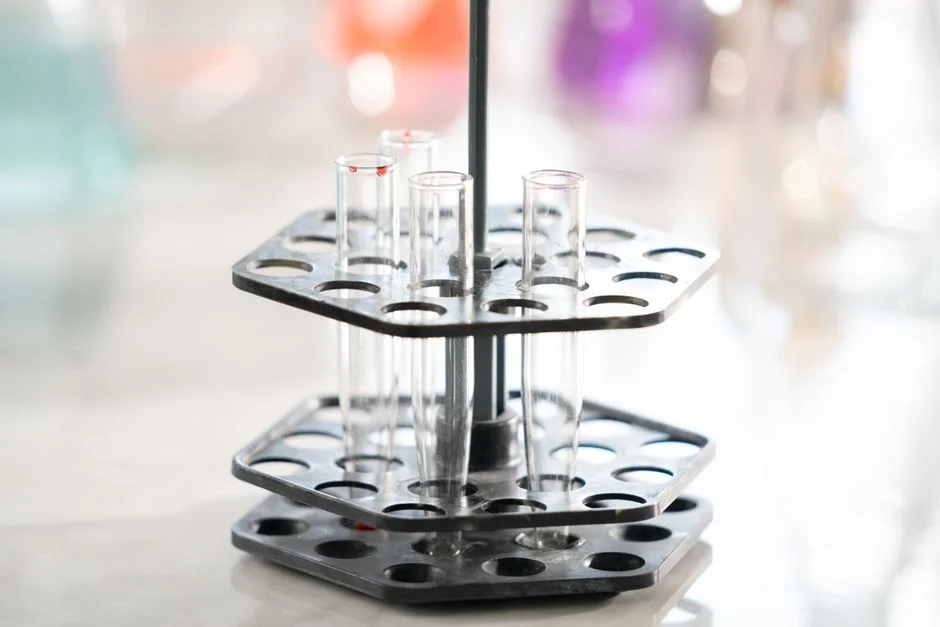
Generic "per-room" factors mis-size almost every Colombian hotel because they ignore F&B, spa and laundry. Three published Bogotá properties give defensible real-world anchors:
- Boutique / eco-hotel — Biohotel Organic Suites, Usaquén (S1): 70 rooms, 24 m² Superior King, organic Green Piece restaurant, full spa, hydrotherapy circuit. Design flow 22–30 m³/day at 70% occupancy. Kitchen-driven FOG load is the dominant parameter; LEED certification is in scope.
- Business / luxury hotel — W Bogotá, Calle 115 (S3/S4): 168 rooms, 33 of them suites, indoor pool, Away Spa, Market Kitchen restaurant. Design flow 80–110 m³/day. Spa and pool streams must be segregated from the main biological feed.
- Resort outside Bogotá — Tequendama-region property (S2 context): flows driven by F&B and laundry rather than rooms, sized at 300–500 L / room · day, and discharged under Bogotá River TMDL allocation to a sensitive Andean watershed.
The single sizing rule I give every Bogotá client: take 180–250 L / occupied room · day, multiply by 1.15 for the 2,640 m altitude correction, then add kitchen at 30 L / cover and laundry at 100 L / room turnover. A 50-room hotel at 70% occupancy lands at 12–17 m³/day; W-class 168 rooms lands at 50–65 m³/day before F&B surcharges.
High-Altitude Engineering Twist: Why Bogotá Is Not a Lowland Design
Most imported package-plant quotes come from sea-level reference designs and quietly fail the moment the system is commissioned at 2,640 m. Four deltas must be priced in:
- Dissolved oxygen deficit. At 2,640 m, partial pressure of oxygen drops to roughly 0.74 atm, so the standard oxygen transfer rate (SOTR) of any aeration blower should be derated by 0.85. Aeration blowers must be upsized 20–30% to hold DO ≥ 2.0 mg/L in the aerobic tank.
- Kinetic slowdown. Bogotá's mean annual temperature is 13–14 °C versus the 20–25 °C assumed in standard biological design. Nitrification kinetics slow by approximately 40%, and hydraulic retention time (HRT) must be extended from 6–8 h to 10–14 h in the aerobic stage.
- UV-rich Andean sunlight. At 2,640 m, ambient UV intensity is roughly 20% higher than at sea level. That favours UV disinfection at the same 40 mJ/cm² dose and supports a smaller UV reactor, but it also means any outdoor MBR tank must be covered to suppress phototrophic (algal) growth that will blind the membranes.
- Diffuser submergence. The reduced partial pressure weakens the driving force for gas transfer. Specify fine-bubble diffusers with submergence depth ≥ 4.5 m to compensate — diffusers rated at 3.0 m submergence in a lowland design will not transfer enough oxygen in Bogotá.
A package plant that ignores these four deltas will pass water but will fail nitrification, run high on blower power, and produce an effluent that swings above the 50 mg/L BOD₅ ceiling during cold months of May–July and December–February.
Process Train Options: MBR vs WSZ Package Plant vs Conventional A/O
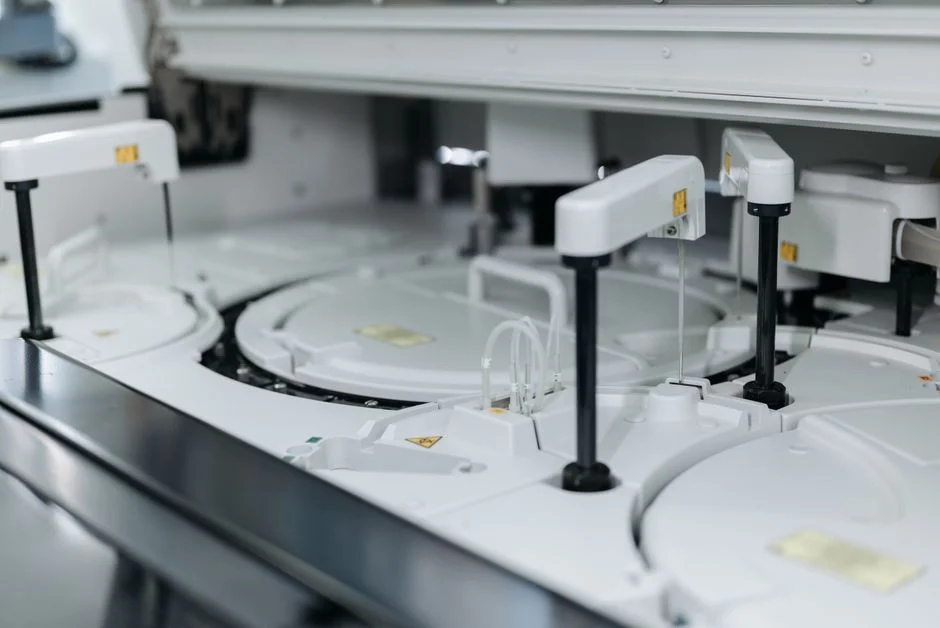
Three process trains cover essentially every 2026 Bogotá hotel use case. The decision rule is flow, land area, and LEED ambition.
| Parameter | WSZ underground package plant | MBR membrane bioreactor | Conventional A/O + Lamella + UV/ClO₂ |
|---|---|---|---|
| Flow range (m³/day) | 1–80 | 10–2,000 | 30–500 |
| Footprint | Smallest (buried FRP tank) | 60% smaller than conventional | Largest; needs ≥ 200 m² |
| Effluent BOD₅ | ≤ 30 mg/L | ≤ 10 mg/L | ≤ 20–30 mg/L |
| Effluent TSS | ≤ 30 mg/L | ≤ 5 mg/L | ≤ 20 mg/L |
| CAPEX (USD / m³/day) | 8,000–12,000 | 14,000–22,000 | 11,000–16,000 |
| OPEX (USD / m³) | 0.15–0.25 | 0.20–0.35 | 0.18–0.28 |
| LEED v4.1 BD+C Water Credit fit | Marginal | Strong (reuse-grade effluent) | Moderate |
The decision rule, applied directly:
- < 30 m³/day, no LEED target → WSZ underground package sewage treatment plant. Boutique hotels under 50 rooms fit here, with the lowest CAPEX and a buried tank that frees up surface space.
- 30–150 m³/day with LEED v4.1 BD+C Water Credit or strict discharge → MBR membrane bioreactor wastewater treatment system. PVDF submerged membranes at 0.1 μm nominal pore size deliver reuse-grade water and meet the tightest Bogotá River TMDL allocations.
- 30–150 m³/day with available land and a hard budget cap → conventional A/O + Lamella clarifier + UV or ClO₂. Works on flat sites with ≥ 200 m² and no reuse ambition.
- > 150 m³/day → MBR with a dissolved air flotation system upstream for FOG removal. This is the W-class, 100+ room configuration.
For any option, place a DAF unit ahead of the biological stage whenever the hotel kitchen operates at ≥ 60 covers/day — FOG in the aeration tank is the single most common cause of biomass washout in Colombian hotel plants. A comparison similar to this MBR-versus-package framing has been used in our MBR installation and commissioning guide; the same logic applies in Brisbane, Yerevan, and Luanda (see our Brisbane, Yerevan, and Luanda briefs) but the numbers above are Bogotá-specific.
Sludge Handling and Disinfection: Closing the Loop
Most hotel design briefs stop at the effluent pipe and ignore the two streams that downstream regulators look at first.
Sludge. A hotel-strength stream produces 0.8–1.2 kg dry solids per m³ treated. Dewater with a small plate-and-frame filter press (1–5 m² filtration area) to reach 22–28% dry solids for off-site disposal. At Bogotá's cool ambient temperatures, covered sludge drying beds need 14–21 days to reach a handleable cake; mechanical dewatering is faster and footprint-smaller.
Disinfection. UV at 40 mJ/cm² is the first choice — no chemicals, no residual, supports LEED. For sites with long downstream pipe runs where the CAR permit requires a residual, specify an on-site chlorine dioxide generator at 50–20,000 g/h capacity. Avoid free chlorine at the discharge point: it conflicts with Bogotá River TMDL monitoring and produces regulated trihalomethane byproducts.
Any hotel over 70 rooms should expect the CAR to require a flow-metered sampling manhole with an automatic composite sampler at the discharge point. The 50/50/20/1,000 envelope is enforced off the data the sampler records, not off a single grab.
2026 Cost Bands and LEED Integration for Bogotá Hotels
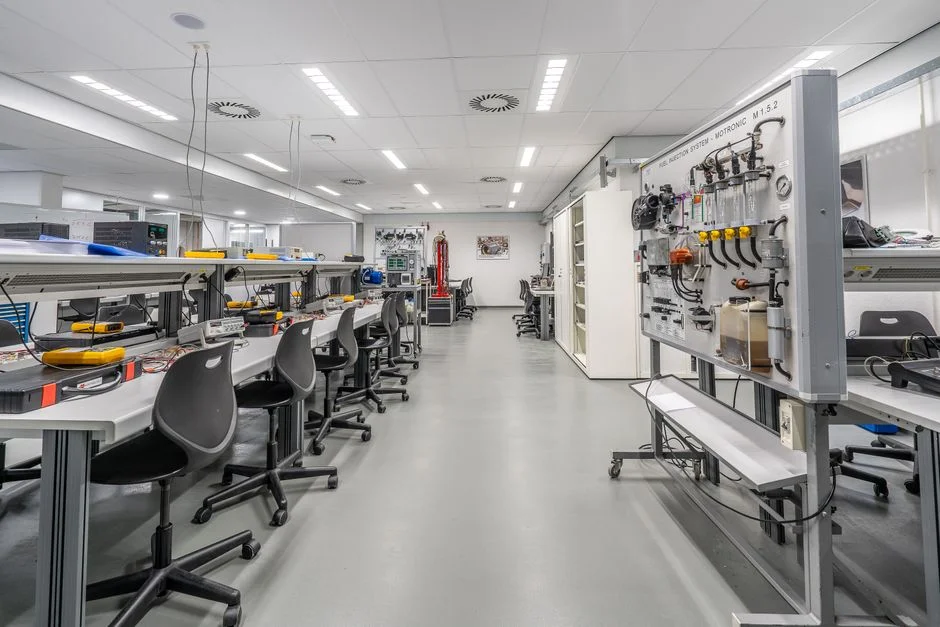
Budget numbers a Bogotá engineering manager can defend in front of an owner:
| Cost element | 2026 Bogotá range | Notes |
|---|---|---|
| CAPEX — equipment | USD 8,000–22,000 / m³/day | Depends on technology: WSZ low end, MBR high end |
| CAPEX — civil works and seismic anchoring | +12–18% | Bogotá is in a NSR-10 seismic zone; anchoring is not optional |
| OPEX (energy, chemicals, membrane replacement) | USD 0.18–0.35 / m³ | USD 800–1,500 / m³/day per year all-in |
| Import duties + CAR permit processing | +8–12% | CAR permit typically 4–8 months for surface-water discharges |
The LEED v4.1 BD+C Water Credit pathway rewards a 40% reduction in potable water use through reuse of MBR effluent for toilet flushing and landscape irrigation. MBR effluent typically meets the reuse criteria after a polishing multi-media filter and a UV pass; the integrated water purification system covers that polishing train. Biohotel Bogotá is already marketing LEED certification to guests (S1, March 2024 blog post) — design choices made in 2026 feed directly into that commercial story.
Frequently Asked Questions
What size wastewater treatment plant does a 50-room hotel in Bogotá need?
Apply the 180–250 L / occupied room · day rule and multiply by 1.15 for the 2,640 m altitude correction. A 50-room property at 70% occupancy lands at 12–17 m³/day of design flow, before kitchen and laundry surcharges. Add 30 L / cover for F&B and 100 L / room turnover for laundry, then round up to the next standard plant size — most 50-room hotels fit a WSZ underground package sewage treatment plant in the 20 m³/day class, with a DAF upstream if the kitchen runs ≥ 60 covers/day.
What are the 2026 Colombian discharge limits for hotels?
Under Minambiente Resolución 3956 de 2024 (with 2025 refinements) and the Resolución 0631 de 2015 framework, hotels discharging to the sewer must meet BOD₅ ≤ 50 mg/L, TSS ≤ 50 mg/L, FOG ≤ 20 mg/L, and total coliforms ≤ 1,000 NMP/100 mL. Properties that discharge to a surface water body under a CAR permit face a tighter vertimiento tier, typically BOD₅ ≤ 30 mg/L, with the Bogotá River TMDL allocation enforced in the Salitre-El Salitre and Tequendama catchments.
MBR or conventional package plant for a Bogotá eco-hotel?
Use the 30 m³/day decision threshold. Below 30 m³/day without a LEED target, a WSZ package plant is the lower-cost answer. Above 30 m³/day, or whenever LEED v4.1 BD+C Water Credit is in scope, choose the MBR membrane bioreactor wastewater treatment system: reuse-grade effluent (BOD₅ ≤ 10 mg/L, TSS ≤ 5 mg/L) and a 60% smaller footprint than conventional activated sludge, which is often the limiting factor on central Bogotá sites.
Do Bogotá hotels need a grease trap and DAF?
Yes — whenever the kitchen runs ≥ 60 covers/day, install a grease trap followed by a dissolved air flotation system before the biological stage. FOG must be removed upstream; if it reaches the aeration tank it coats the biomass, drops dissolved oxygen, and pushes effluent BOD₅ above the 50 mg/L Res. 3956 ceiling. The 10–15 g FOG / cover · day generation rate makes the DAF non-optional for any hotel with a serious F&B operation.
Is UV disinfection enough for a Bogotá hotel discharging to the sewer?
Yes, at 40 mJ/cm² with a redundant UV reactor, UV is sufficient for sewer discharges and is the preferred option because it supports LEED v4.1 BD+C Water Credit and avoids chemical residuals. If the CAR environmental permit requires a residual at the discharge point — common for surface-water discharges under the Bogotá River TMDL — add an on-site chlorine dioxide generator as a polishing step. Avoid free chlorine; the regulated trihalomethane byproducts conflict with TMDL monitoring.